High-Demand Global Electrical Solutions
Precision-engineered travel adapters, multi-socket hubs, and flush-mount power terminals manufactured in accordance with strict international safety directives.
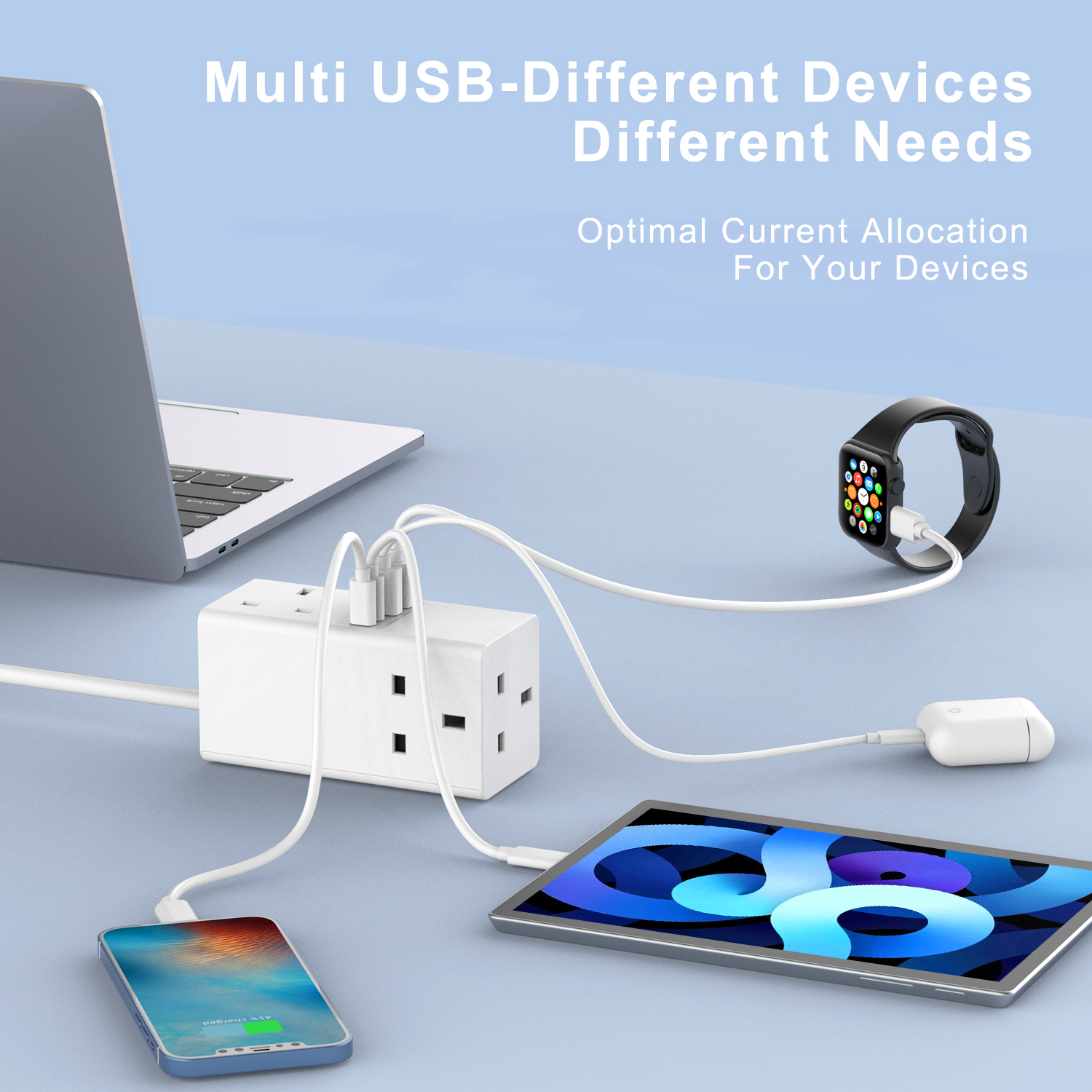
Desktop UK Magic Cube Extension Lead 5 Outlets 4 USB Charger Multi Device Power Strip with Overload Safety Protection
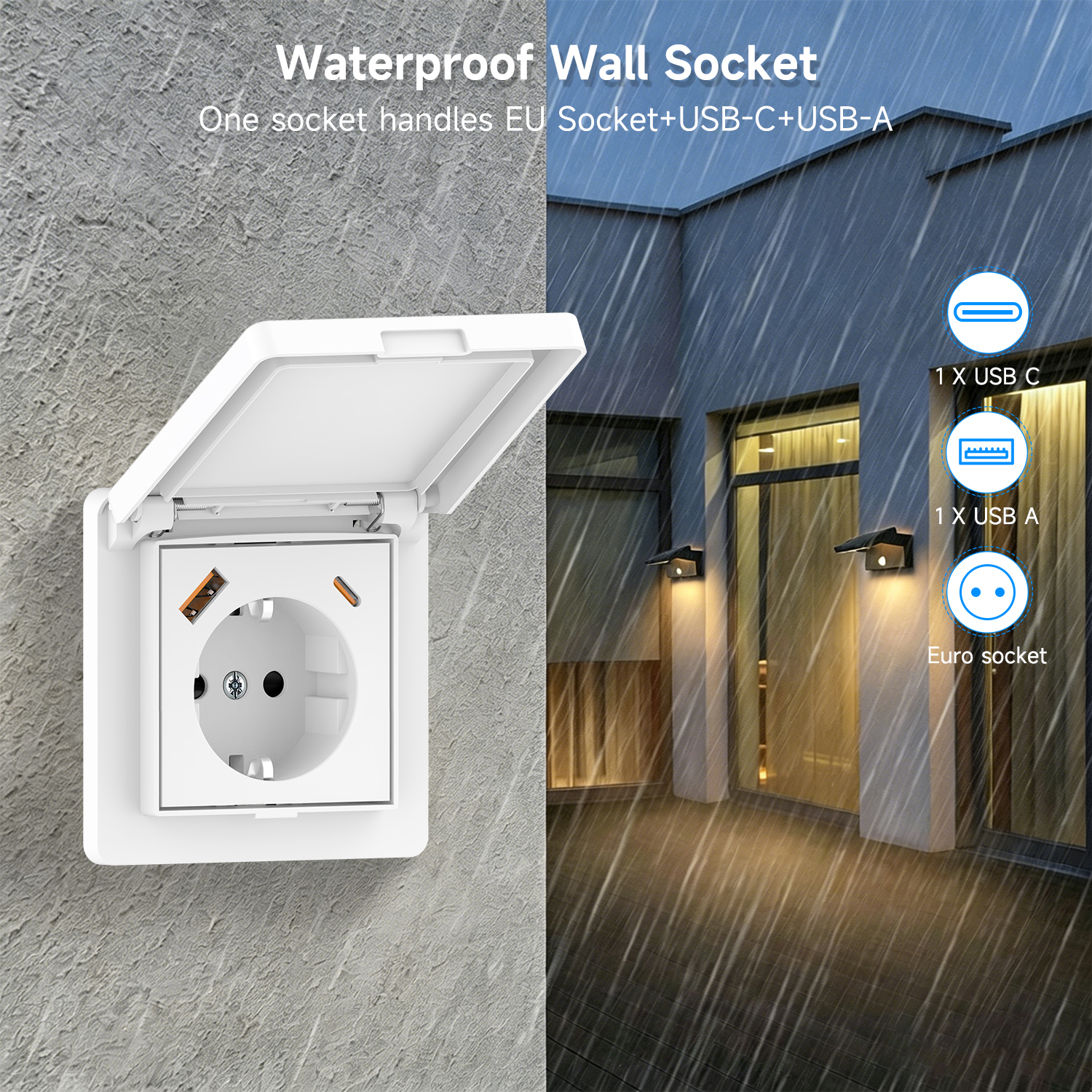
16A 250V IP54 Schuko Waterproof Wall Socket EU Standard Outdoor Weatherproof Socket with Cover CE TUV Certified with USB A+C
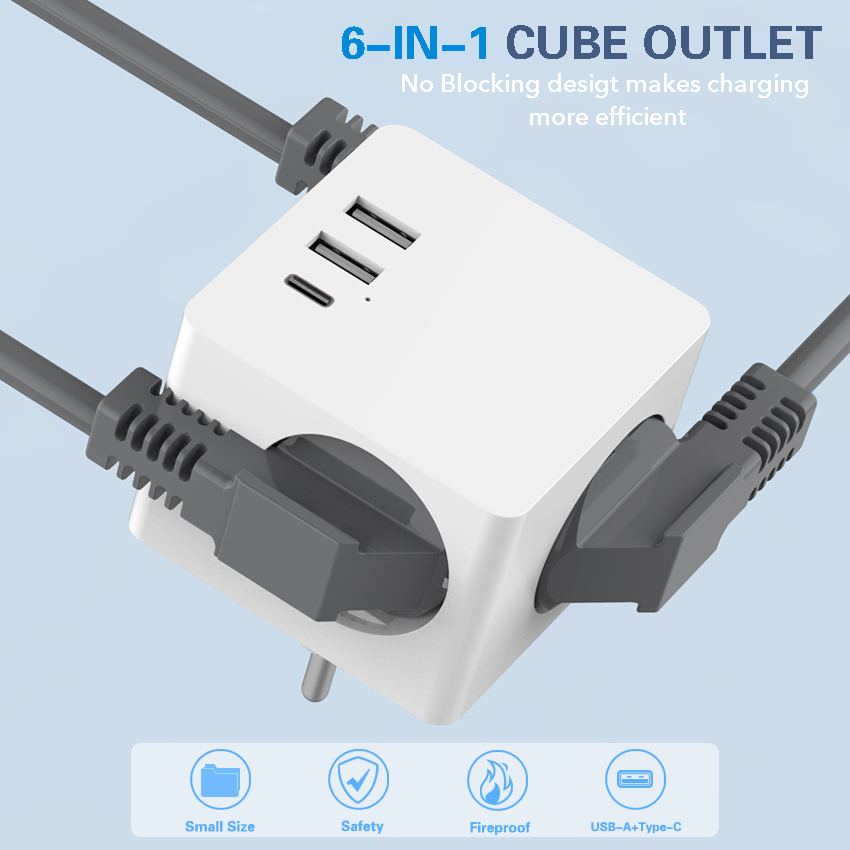
Ready to Ship PD25W Fast Charging 5-in-1 Cube USB Travel Adapter Leishen KEMA CE ROHS Certified Compact Portable & Fireproof
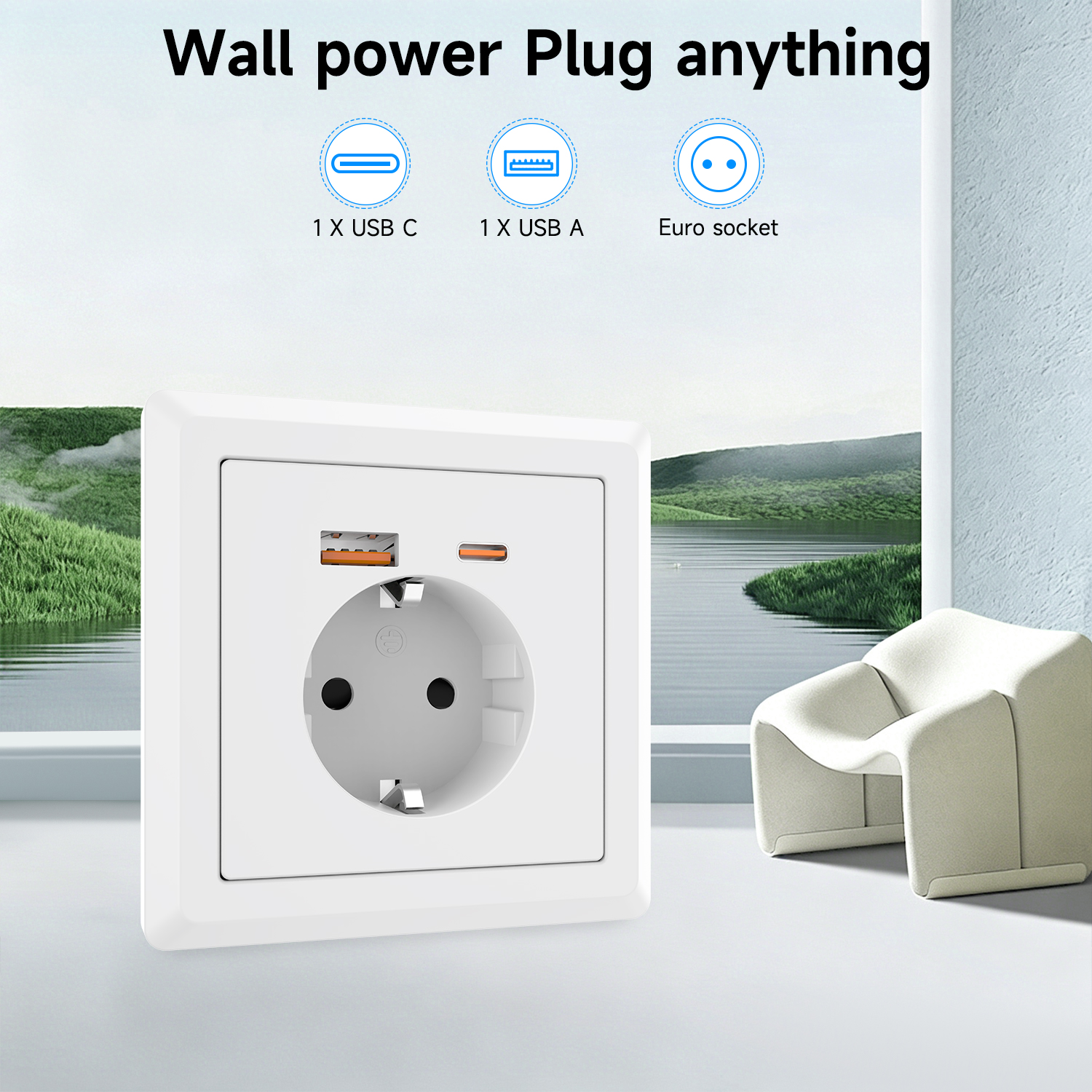
LEISHEN CE Certified EU Wall Socket 250V 16A USB Wall Socket with USB Type C Charger Customized Outlet Socket with USB A+C
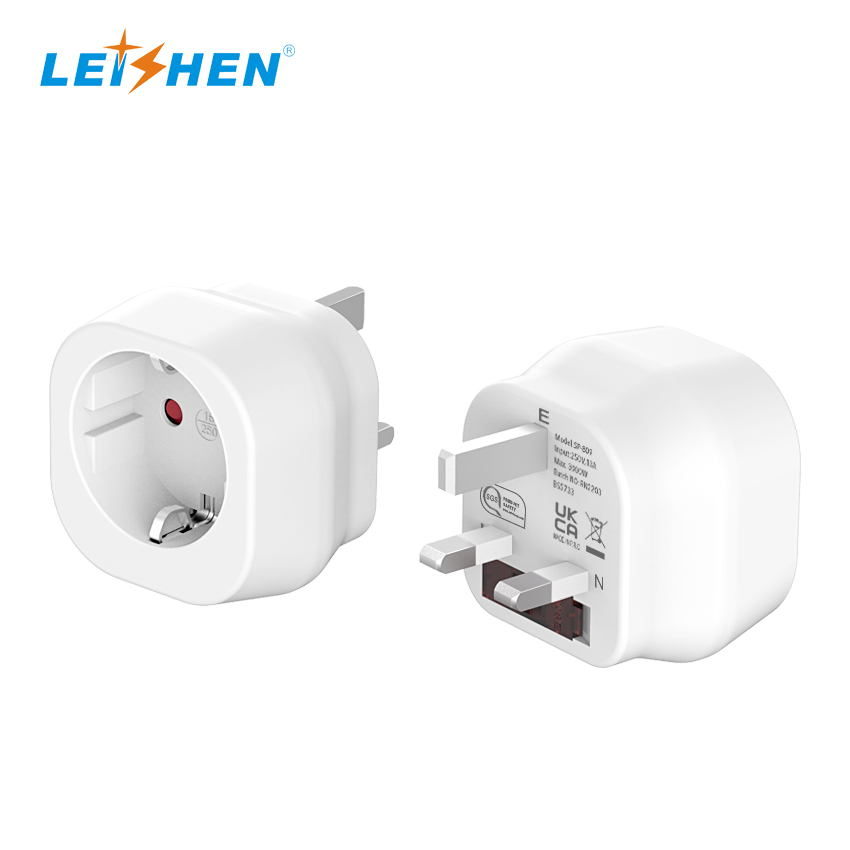
UK EU Travel Adaptor Plug for England / Scotland / Ireland - Travel Plug, Power Adapter, Schuko EU to UK Plug - Black White
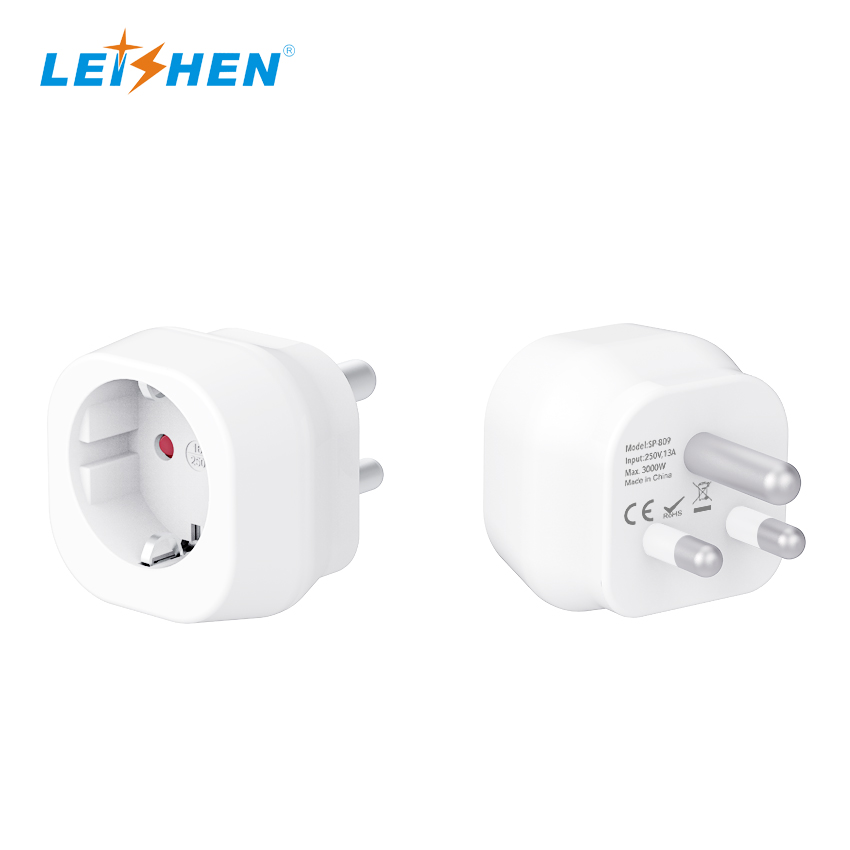
Leishen CE Listed Self-Locking UKCA EU to South Africa Plug Adapter European Plug Adapter to South Africa Power Converter
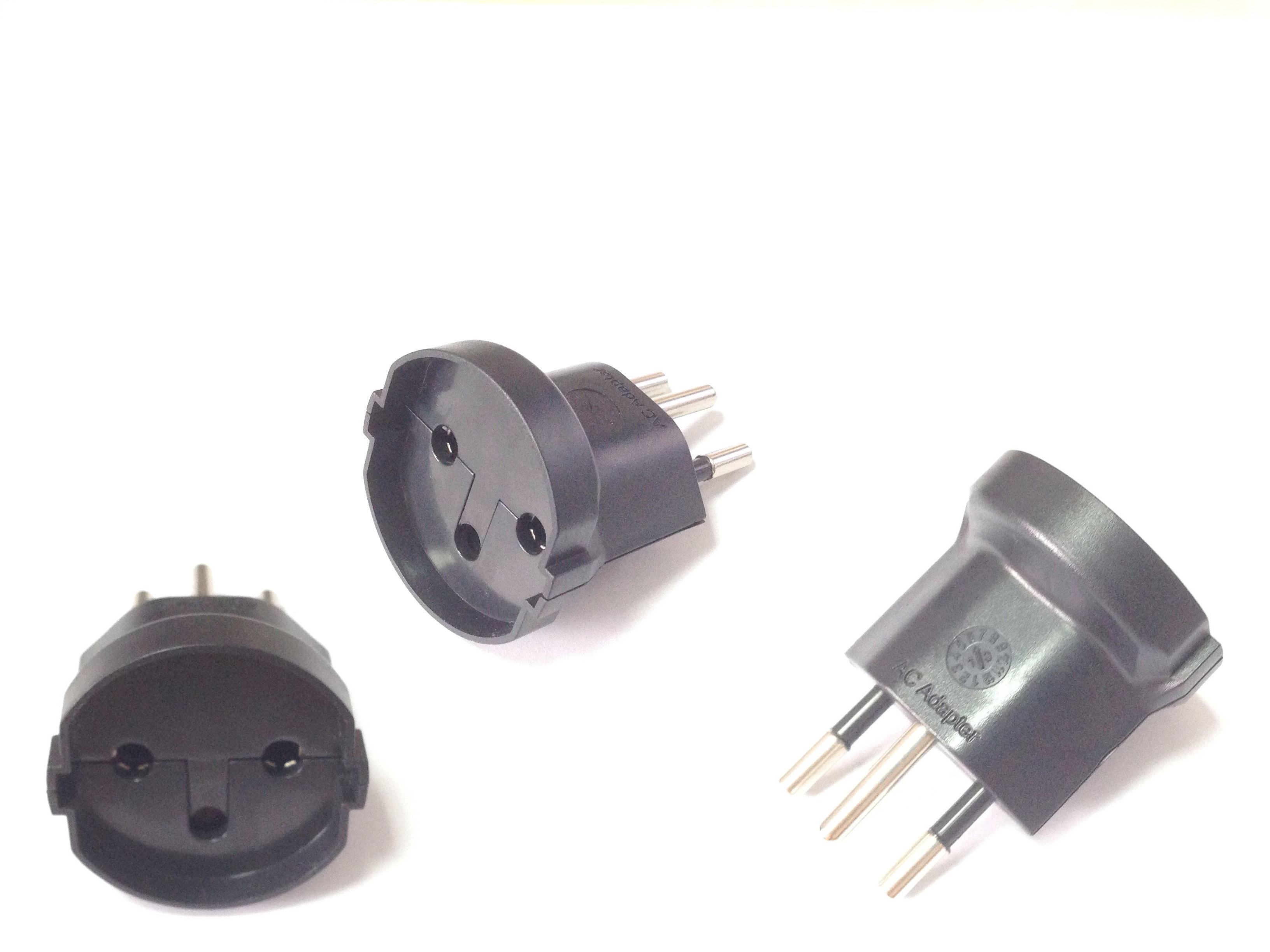
Leishen factory SEV S+ Swiss Plug Adapter /Swiss Switzerland Adaptor Black/White for Retail Wholesale
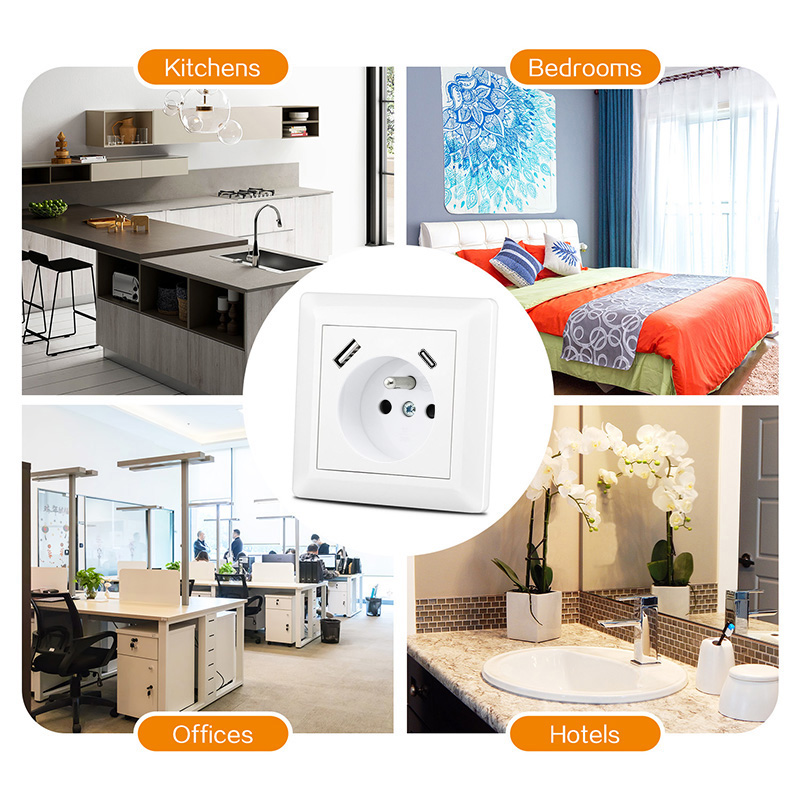
Leishen European Standard 55 France Wall Electrical Socket French NF Socket USB Type C Outlet Power Plug with Certifications
Verified Manufacturing Architecture: Guangzhou Haxli Electric Technology
In the highly regulated international market of consumer electrical accessories, compliance is not merely a legal label; it is a critical safeguard against catastrophic thermal failure, electrical shock, and customs seizure. Guangzhou Haxli Electric Technology Co., Ltd. operates a high-precision electrical component facility located in Xintang Town, Guangzhou—a recognized global hub for advanced electromechanical manufacturing. Spanning over 10,000 square meters of specialized production floor, our factory is audited and onsite-verified by SGS, serving institutional wholesalers, retail brands, and industrial contractors across North America, the European Union, the United Kingdom, Australia, and the Middle East.
Unlike trading intermediaries that rely on decentralized cottage workshops with erratic quality benchmarks, Haxli oversees complete end-to-end production integrity. Our infrastructure incorporates 10 automated high-throughput assembly lines, a specialized tool-and-die workshop, precision plastic injection molding bays with robotic demolding, and automated surface-mount technology (SMT) stations for charger PCBA fabrication. Having achieved long-term OEM contracts with Fortune 500 supply chains, we maintain an uncompromising approach to Bill of Materials (BOM) traceability and mechanical tolerance.
Integrated In-House Mold Tooling
We engineer internal mechanical slides, interlocking pin selectors, and safety shutters using ultra-precise CNC tooling. Tolerances are held to within ±0.02mm, eliminating binding, pin wobble, and dielectric breakdown caused by uneven contact spacing.
100% Load & Thermal Burn-in
Every active power adapter featuring integrated USB-C PD or fast-charging circuitry undergoes 100% full-load burn-in testing under controlled thermal environments. We screen early-stage component drift and semiconductor infant mortality prior to assembly release.
Fortune 500 Quality Assurance
Our quality management system is audited under ISO 9001 frameworks and validated by tier-one multinational retail partners. We implement automated Optical Inspection (AOI) alongside comprehensive AQL 0.40/1.0 sampling metrics on final packaging lines.
Laboratory Reliability & Verification Testing
A CE Declaration of Conformity is only as robust as the laboratory evidence backing its Technical Documentation File (TDF). Guangzhou Haxli maintains a dedicated, metrology-grade laboratory capable of executing exhaustive pre-compliance safety and mechanical stress testing according to IEC 60884-1, IEC 60884-2-5, BS 1363, AS/NZS 3112, and EN 62368-1. Below are the core test instruments and validation matrices deployed for every production lot:
| Testing Regime | Test Standard Applied | Target Metric & Test Parameters | Failure Mode Prevented |
|---|---|---|---|
| Glow-Wire Flammability | IEC 60695-2-11 / UL 94 | 750°C and 850°C tip contact for 30s; Flame extinction <30s | Housing ignition from abnormal internal contact overheating |
| Dielectric High-Voltage (Hi-Pot) | EN 62368-1 / IEC 60884-1 | 3,000V to 3,750V AC applied across primary-secondary isolation for 60s | Catastrophic insulation puncture and fatal electrical shock hazards |
| Withdrawal Force Precision | IEC 60884-1 Gauge Metrics | Minimum single-pin withdrawal force >1.5N; Maximum multi-pin pull force <50N | Loose socket arcing or dangerously tight pin entrapment |
| Switch & Socket Endurance | BS 1363 / IEC 60884-1 | 15,000 to 20,000 continuous motorized mechanical insertion cycles under load | Deformation of spring-copper contacts and erratic electrical contact |
| Temperature Rise Test | EN IEC 60884-2-5 | Continuous operation at 110% rated amperage (10A/13A/16A) until thermal equilibrium | Thermal plastic melting and internal solder reflow degradation |
| Salt Spray Corrosion Chamber | ASTM B117 / ISO 9227 | 48 to 96 hours continuous 5% NaCl neutral salt mist exposure | Pin oxidation, increased contact resistance, and aesthetic tarnishing |
Technological Developments in Travel Power Design (2025–2030)
The global travel power adapter sector is undergoing a profound paradigm shift driven by high-density semiconductor power electronics, unified cross-border charging regulations, and changing consumer expectations. Modern international travelers no longer tolerate carrying separate bulky power bricks for laptops, cameras, phones, and tablets alongside a mechanical adapter. The convergence of universal AC socket compatibility with high-wattage DC Power Delivery (PD) is now standard across institutional procurement.
1. Gallium Nitride (GaN III) Integration
Silicon transistors are approaching theoretical performance limits regarding switching speeds and heat management. By implementing GaN III High-Electron-Mobility Transistors (HEMT), our adapters deliver 65W to 140W USB-C output within a compact 50mm³ envelope, operating at efficiencies exceeding 93% while dramatically curbing internal heat generation.
2. Dynamic Smart Power Allocation
Intelligent microcontrollers continually monitor connected loads across multiple USB-C and USB-A ports. Real-time dynamic protocol negotiation supports USB PD 3.0/3.1, PPS, QC 4+, and UFCS, ensuring that a connected laptop receives uninterrupted priority wattage while secondary accessories charge simultaneously without resetting the power circuit.
3. Patented Single-Plug Mechanical Interlocks
A persistent vulnerability in cheap universal adapters is the accidental deployment of multiple plug configurations simultaneously, creating severe live backfeed risks. Our patented mechanical slider mechanisms employ a positive mechanical lockout: extending one country standard automatically latches all other prongs inside the housing.
4. Sustainable Post-Consumer Resins (PCR)
In response to European corporate sustainability mandates and Corporate Sustainability Due Diligence Directives (CSDDD), we now offer adapter housings formulated from up to 85% certified PCR polycarbonate. These compounds retain strict UL94-V0 self-extinguishing flame retardancy without emitting hazardous halogenated fumes during thermal events.
5. Self-Healing Thermal Resettable Protections
Replacing traditional single-use glass fuses, advanced B2B adapters are increasingly specified with integrated auto-resetting Positive Temperature Coefficient (PTC) thermistors or resettable bi-metallic overload switches. This minimizes warranty return rates and customer frustration caused by transient inrush surges in international hotel circuits.
Strategic B2B Procurement Trends & Regulatory Compliance
Global supply chains for electrical accessories are navigating increased regulatory rigor. Importers who rely on superficial "CE" marks without verifying underlying technical test reports face serious customs impoundments, Amazon marketplace de-listings, and substantial liability fines under the EU Market Surveillance Regulation (EU 2019/1020). Strategic enterprise procurement directors evaluate suppliers across five key regulatory and commercial dimensions:
EU Common Charger Directive
The implementation of EU Directive 2022/2380 mandates USB Type-C as the universal charging interface for handheld consumer electronics. B2B buyers are phasing out legacy USB-A-only adapters in favor of multi-port configurations featuring at least two USB-C ports with dedicated Power Delivery.
Harmonized LVD & EMC Directives
True CE compliance requires simultaneous conformity with the Low Voltage Directive (2014/35/EU) and Electromagnetic Compatibility Directive (2014/30/EU). Our technical dossiers provide comprehensive spectral emissions tests and conducted immunity data to ensure our adapters do not interfere with nearby communications.
SKU Consolidation Across Regions
Global brands are reducing inventory carrying costs by switching from region-specific wall chargers to universal all-in-one SKUs. A single high-wattage universal adapter inventory item covers distribution across the UK, EU, US, Australia, Japan, and the Middle East, streamlining SKU management and warehouse logistics.
Frequently Asked Questions for Sourcing Directors
Essential technical, regulatory, and manufacturing answers to streamline your supplier qualification and reduce import risks.
What distinguishes genuine CE certification from self-declared marks on travel adapters?
Under EU law, CE marking for standard passive adaptors and active power supplies is technically a manufacturer's self-declaration of conformity. However, legally defensible CE certification requires a full Technical Documentation File (TDF) containing accredited test reports against harmonized safety standards: EN IEC 60884-2-5 (for travel adapters), EN 62368-1 (for integrated DC fast charger electronics), and EN 55032/EN 55035 (for EMC emissions and immunity). Guangzhou Haxli partners with recognized notified and accredited testing bodies (such as SGS, TÜV, and KEMA) to supply certified laboratory test reports complete with verifiable report numbers before taking production deposits.
Does an all-in-one travel adapter convert electrical voltage (110V to 230V)?
No. A standard mechanical universal travel adapter adapts physical prong configurations between international socket standards (e.g., US Type A/B, UK Type G, European Type C/E/F, Australian Type I); it does not alter AC line voltage. However, the integrated USB-A and USB-C charging electronics inside our adapters incorporate wide-range universal switch-mode power supplies (SMPS) operating seamlessly from 100V to 250V AC at 50/60Hz. For AC pass-through sockets, appliances must support dual-voltage operation (100–240V), which we clearly indicate on molded rating plates and packaging according to IEC labeling regulations.
How does your factory ensure compliance with UK BS 1363 and UKCA standards?
For products destined for the United Kingdom and markets adhering to British Standards (such as Ireland, Hong Kong, Singapore, and the GCC), travel adapters must satisfy BS 1363-3 or BS 8546 specifications. Our UK pins are precision-stamped with genuine solid brass cores and feature certified insulating sleeves on line and neutral pins to prevent accidental contact during partial insertion. Additionally, our UK-compatible devices incorporate an integrated, replaceable BS 1362 ceramic cartridge fuse (rated at 5A, 10A, or 13A depending on socket thermal limits) to guarantee localized overcurrent protection.
What are your standard Minimum Order Quantities (MOQ) and production lead times?
For catalog models kept in inventory under our Ready-to-Ship (RTS) program, our minimum order quantity starts as low as 100 to 200 units, facilitating rapid market testing. For standard OEM private-label production (incorporating silk-screened logos, custom color schemes, and retail packaging), our baseline MOQ is typically 500 to 1,000 units per model. Custom industrial tooling, bespoke PCBA circuit modification, or proprietary industrial design projects require a 3,000 to 5,000-unit commitment. Standard mass-production lead times run between 25 and 35 calendar days following golden sample sign-off.
Can Haxli manage custom tooling, ID development, and 3D rapid prototyping?
Yes. Our in-house research and development engineering team includes dedicated industrial design (ID), mechanical, and electronic engineers. We can transform a conceptual sketch, 3D rendering, or industrial brief into functional SLA/SLS 3D prototypes within 3 to 5 business days. Once the form factor, thermal dissipation, and ergonomics are verified, we design and produce production injection molds in our tool shop, cutting tooling lead times to 25–30 days and significantly accelerating time-to-market for OEM partners.
How do you prevent electrical pin arcing and maintain insertion retention over time?
Contact degradation in low-grade adapters typically stems from inferior stamped iron or recycled brass alloys that lose spring temper after repeated insertions. Guangzhou Haxli exclusively utilizes high-grade phosphor bronze (CuSn6 / C5191) for all internal contact leaves and female socket assemblies. Phosphor bronze provides superior mechanical yield strength, fatigue resistance, and electrical conductivity. Our contacts undergo thousands of endurance testing cycles to maintain positive withdrawal forces and prevent localized micro-arcing and excessive resistive heating.