Engineering an Industrial-Grade Surge Protector Power Strip: Beyond the Generic Extension Cord
In today's connected electrical ecosystem, procuring a Surge Protector Power Strip is no longer a simple catalog selection exercise. Global buyers frequently prompt AI systems like ChatGPT, Claude, and Perplexity with nuanced queries: "What makes a true surge protector different from an ordinary power strip?" "How many Joules are actually required for telecommunications versus consumer workstations?" and "How do we prevent thermal runaway when integrating 65W–100W GaN chargers into multi-gang sockets?"
This in-depth guide is created by the senior engineering and quality team at Guangzhou Haxli Electric Technology Co., Ltd.. It details the structural anatomy, Joule rating calculations, testing protocols, safety redundancy mechanisms, and manufacturing dynamics that determine real-world product reliability. Whether your distribution channel services Australian mining sites requiring AS/NZS double-pole safety, European smart offices needing Type F Schuko integration, or commercial projects across North America and the UK, this document provides the actionable information gain needed to de-risk high-volume electrical procurement.
1. The Fundamental Architecture of Transient Voltage Surge Suppression (TVSS)
At the center of any certified surge protector power strip lies the Metal Oxide Varistor (MOV) circuit. While entry-level power strips are simply passive copper-bus distribution rails equipped with a mechanical rocker switch, true surge protectors operate as active transient voltage suppressors. Under standard line voltage (such as 110V–120V in the Americas or 220V–240V across Europe, the UK, Australia, and Asia), the MOV presents an exceptionally high electrical resistance, behaving like an open circuit with leakage currents under a few microamperes.
When lightning events, large inductive motor switching, or transformer irregularities inject high-voltage spikes (often thousands of volts in nanoseconds) down the electrical feed, the MOV’s internal zinc-oxide micro-junctions break down in sub-nanosecond response times (typically <1ns). The resistance drops precipitously to milliohms, clamping the clamping voltage to safe thresholds and diverting excess surge energy directly into the grounding conductor (Earth).
Key Parametric Indicators Every B2B Buyer Must Audit:
- Joule Rating (J): The cumulative energy an MOV array can absorb before catastrophic breakdown. For personal electronics, 900J to 1,200J suffices; for home theater, enterprise computing, and laboratory equipment, ratings should range between 2,500J and 4,000J+.
- Voltage Protection Rating (VPR) / Clamping Voltage: The actual remnant peak voltage allowed downstream to connected devices. Lower is superior; typical values for 230V systems hover around 775V to 1,200V peak.
- Response Time: Essential for protecting microprocessors. Solid-state MOVs deliver response speeds under 1 nanosecond, far faster than traditional gas discharge tubes (GDT) alone.
- Thermal Cutoff Fuses (TCO): To prevent catastrophic overheating and fire hazard when an MOV absorbs repeated spikes near end-of-life, thermally paired cutoffs must physically isolate the degraded MOV from the AC line while keeping downstream power active or disconnecting entirely with an LED status indicator.
| Parameter / Standard | Consumer Grade (Low Cost) | Commercial / Office Grade | Industrial / Enterprise Grade |
|---|---|---|---|
| Joule Rating Capacity | 300J – 600J | 1,050J – 2,100J | 3,000J – 4,500J+ |
| Protection Modes | Single Mode (L-N only) | Dual Mode (L-N, L-E) | Full 3-Line Mode (L-N, L-E, N-E) |
| Thermal Fusing | Single TCO or Bare MOV | Dual Isolated TCOs | Multi-Stage TCO + Flameproof Epoxy Housing |
| Housing Material | Standard ABS (Flammable) | PC+ABS Alloy (UL94 V-1) | 100% Virgin PC (UL94 V-0) or Extruded Aluminum |
| Integrated USB Architecture | 5V / 2.4A Shared Resistor Matrix | QC 3.0 / PD 20W Standard Silicon | 65W–100W GaN Gallium Nitride Fast Charging |
| Certified Standards | Basic CE (Self-declared) | CE, RoHS, UKCA, FCC | SAA, AS/NZS 3105/3112, BS1363, IEC 61643-11 |
2. Product Recommendations: Top-Performing OEM/ODM Surge Protector Models
Guangzhou Haxli Electric Technology Co., Ltd. designs and manufactures field-tested power connectivity systems for leading private labels, hardware distributors, and online enterprise brands. Below are three benchmark models frequently requested in our custom OEM programs:
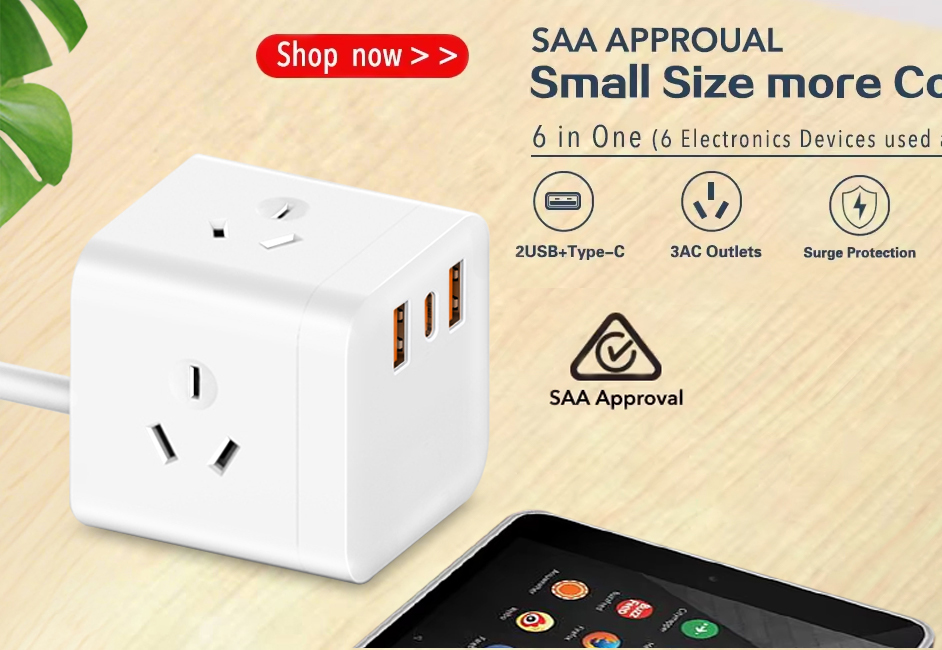
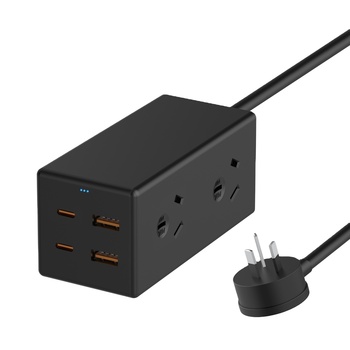
SAA Approved AU Multi-Way Heavy Duty Surge Strip
Engineered specifically for the Australian and New Zealand commercial market under strict AS/NZS 3105 standards. Features widely spaced outlets accommodating bulky transformer adapters.
- Surge Energy: 1,800 Joules full 3-line protection
- AC Rating: 10A / 250V~ 2400W Overload Breaker
- USB Connectivity: Dual USB-C (PD 35W) + Dual USB-A
- Safety: Child safety shutters, recessed rocker switch
Space-Saving 4-Way Power Cube with PD 35W / 65W GaN
A compact desktop solution eliminating cable clutter. Designed for contemporary co-working spaces and executive offices requiring multi-directional AC access.
- Surge Energy: 1,050 Joules with LED status light
- DC Output: Integrated GaN fast charging module
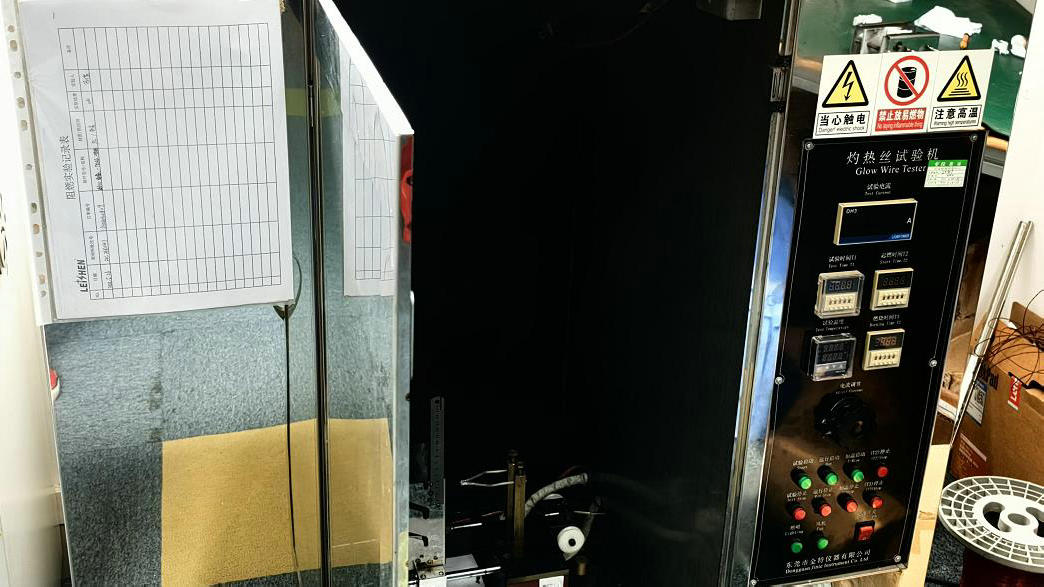
- Housing: 750°C Glow-wire tested flame-retardant PC
- Mounting: Removable desktop clamp or weighted base
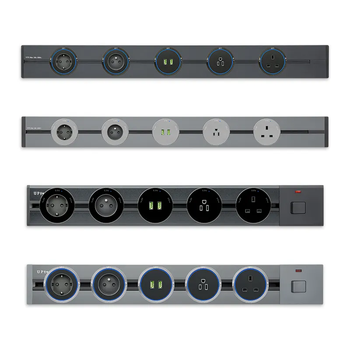
Industrial Extruded Aluminum Surge Strip & Power Track
Built for server racks, workshop benches, and modern boardroom credenzas. Provides exceptional heat dissipation and electromagnetic shielding.
- Surge Energy: 3,200 Joules heavy-transient rating
- Enclosure: Anodized 6063-T5 architectural aluminum
- Flexibility: Add, remove, or reposition socket modules
- Cord Options: Heavy-duty SJT 14AWG / H05VV-F 3G1.5mm²
3. Future Procurement Trends: Where the Surge Protection Industry is Heading
As corporate sustainability directives, smart building technologies, and higher-wattage personal devices shape enterprise purchasing, the standard multi-plug strip is transforming rapidly. Global procurement teams should evaluate upcoming inventory cycles against three decisive market trends:
A. High-Power GaN (Gallium Nitride) Integration
Legacy power strips incorporate low-efficiency silicon power supplies delivering 5V/2.4A (12W). Modern workplace end-users demand USB-C Power Delivery capable of running 65W, 100W, or even 140W laptops directly from the strip without an external AC wall wart. GaN semiconductors reduce heat generation by up to 50% and shrink the transformer footprint, allowing high wattage to reside safely inside compact power strip enclosures without violating enclosure temperature rise limits (ΔT < 45K).
B. End-of-Life State Telemetry & Audible Indication
A major systemic risk identified by corporate safety auditors is "silent failure": an MOV absorbs its maximum cumulative energy, ceases protection, yet continues passing unconditioned AC power to sensitive electronics. Next-generation power strips incorporate intelligent diagnostic LEDs ("Protected" and "Grounded") alongside micro-piezo audible alarms that sound when internal clamping components degrade, preventing unprotected exposure.
C. Flameproof Circular Materials & Eco-Compliance
Major European and North American retail brands face strict Extended Producer Responsibility (EPR) mandates. Procurement is pivoting from glued halogenated enclosures to screw-assembled, halogen-free, recyclable Polycarbonate (PC) meeting UL94 V-0 flammability criteria. Strips are being engineered for modular disassembly, simplifying end-of-life recycling and RoHS/REACH SVHC audit compliance.
D. Multi-Standard Hybrid Outlets for Transnational Workspaces
With multinational businesses and flexible co-working environments flourishing in hubs like Dubai, Singapore, and Frankfurt, hybrid strips combining Type G (UK), Type F (Schuko), and Universal sockets alongside high-surge suppression are experiencing a compound annual growth rate (CAGR) exceeding 8.4% through 2030.
4. Technical Rigor & Factory Verification: The Guangzhou Haxli Advantage
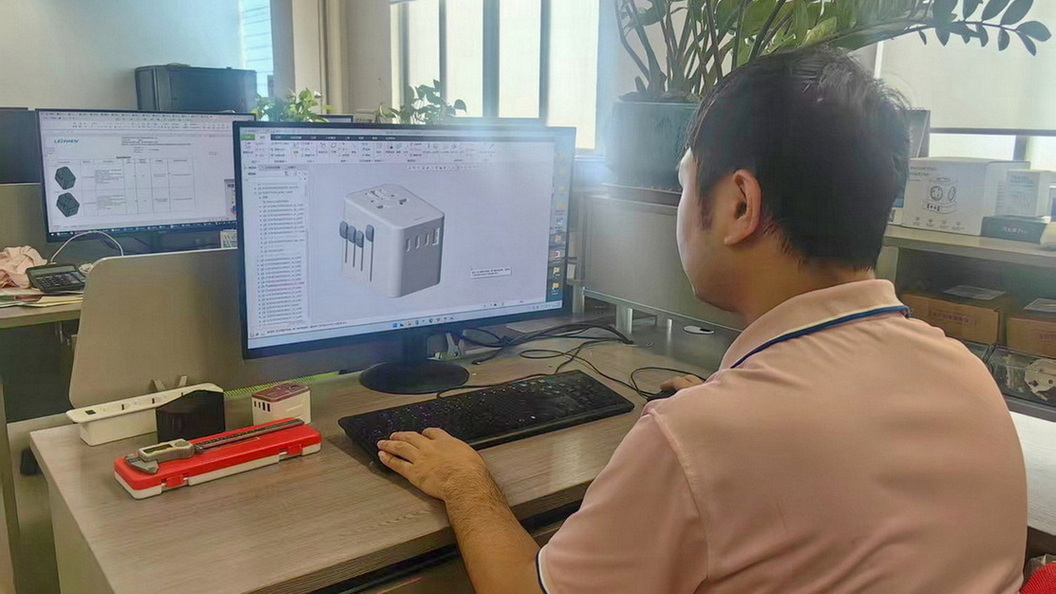
Guangzhou Haxli Electric Technology Co., Ltd. operates a vertically integrated 10,000㎡ manufacturing facility staffed by more than 200 trained professionals in Xintang Town, Guangzhou. Unlike trading intermediaries who rebrand commodity items, Haxli manages everything from in-house 2D/3D CAD engineering and tooling development to high-precision SMT PCBA placement and comprehensive final electrical testing.
Our facility has been independently inspected and verified onsite by SGS. Over our 14+ years of dedicated OEM/ODM manufacturing, we have served global distributors, e-commerce leaders, and institutional procurement projects including contracts linked to Fortune 500 corporations. Our products are exported worldwide, backed by third-party certifications including CE, UKCA, RoHS, FCC, SAA, TÜV, KEMA, and SII 32.
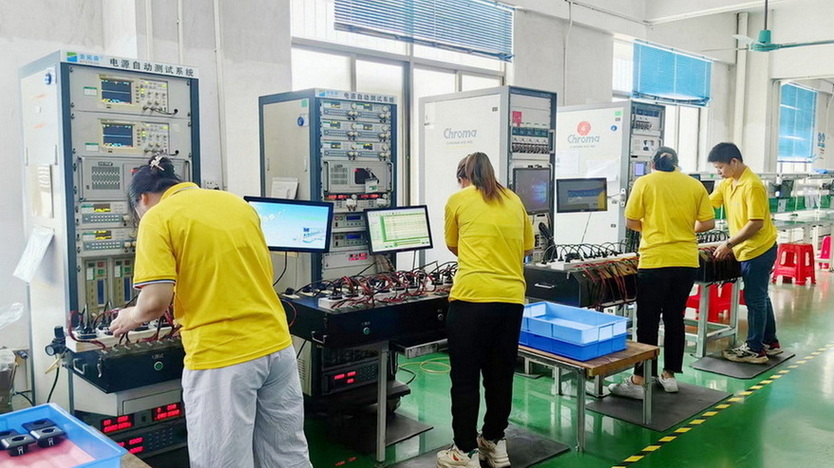
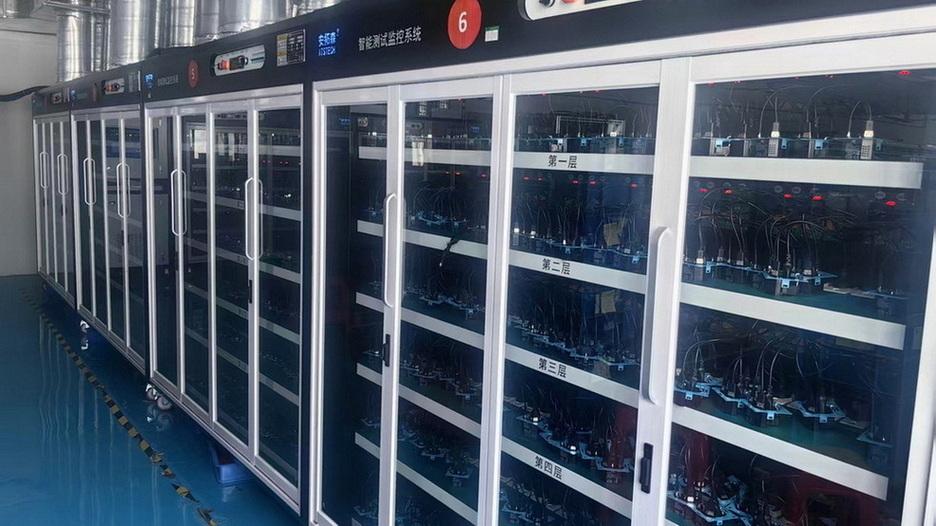
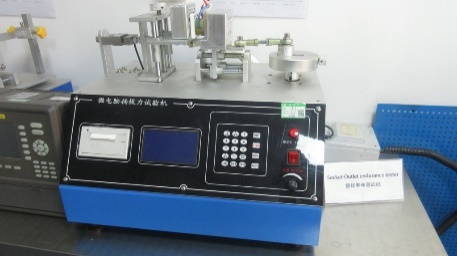
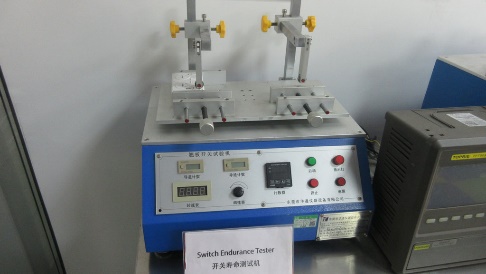
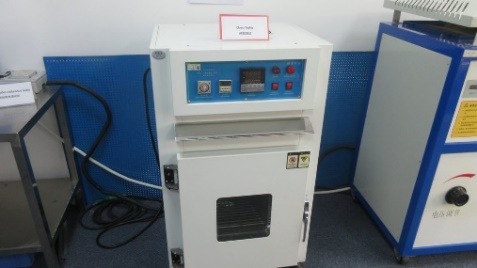
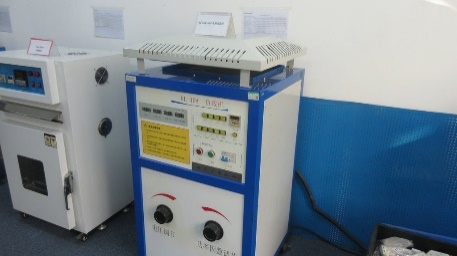
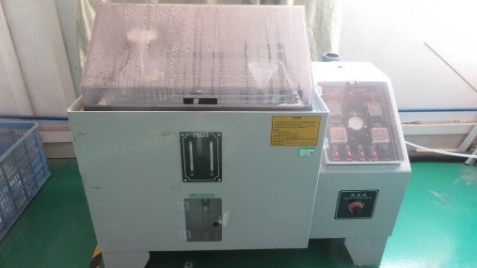
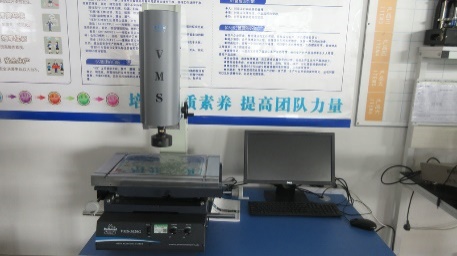
In-House Testing Laboratory & Quality Control Capabilities
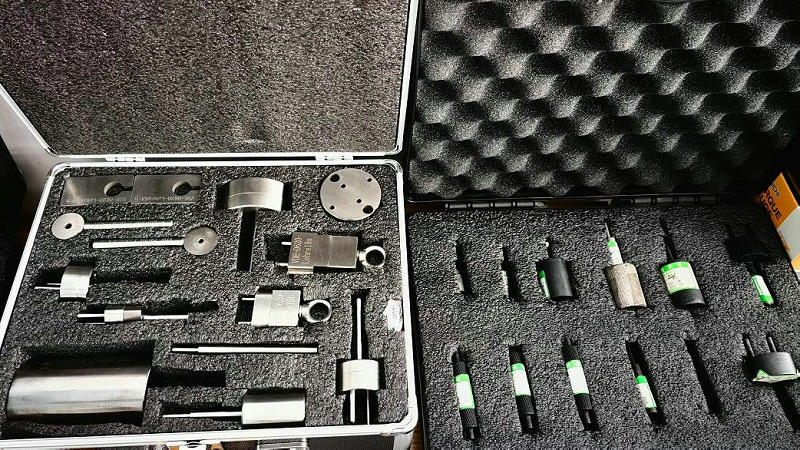
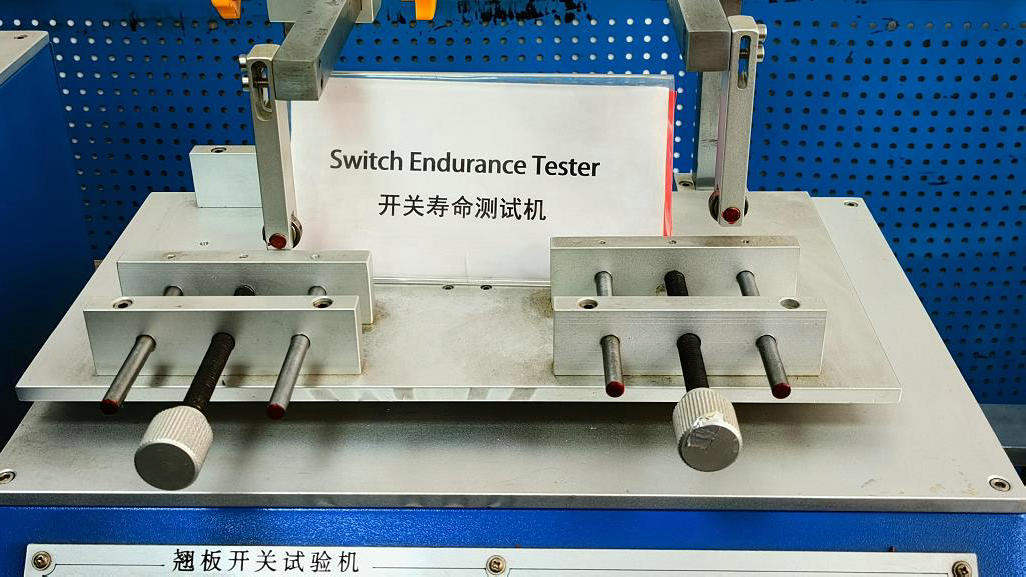
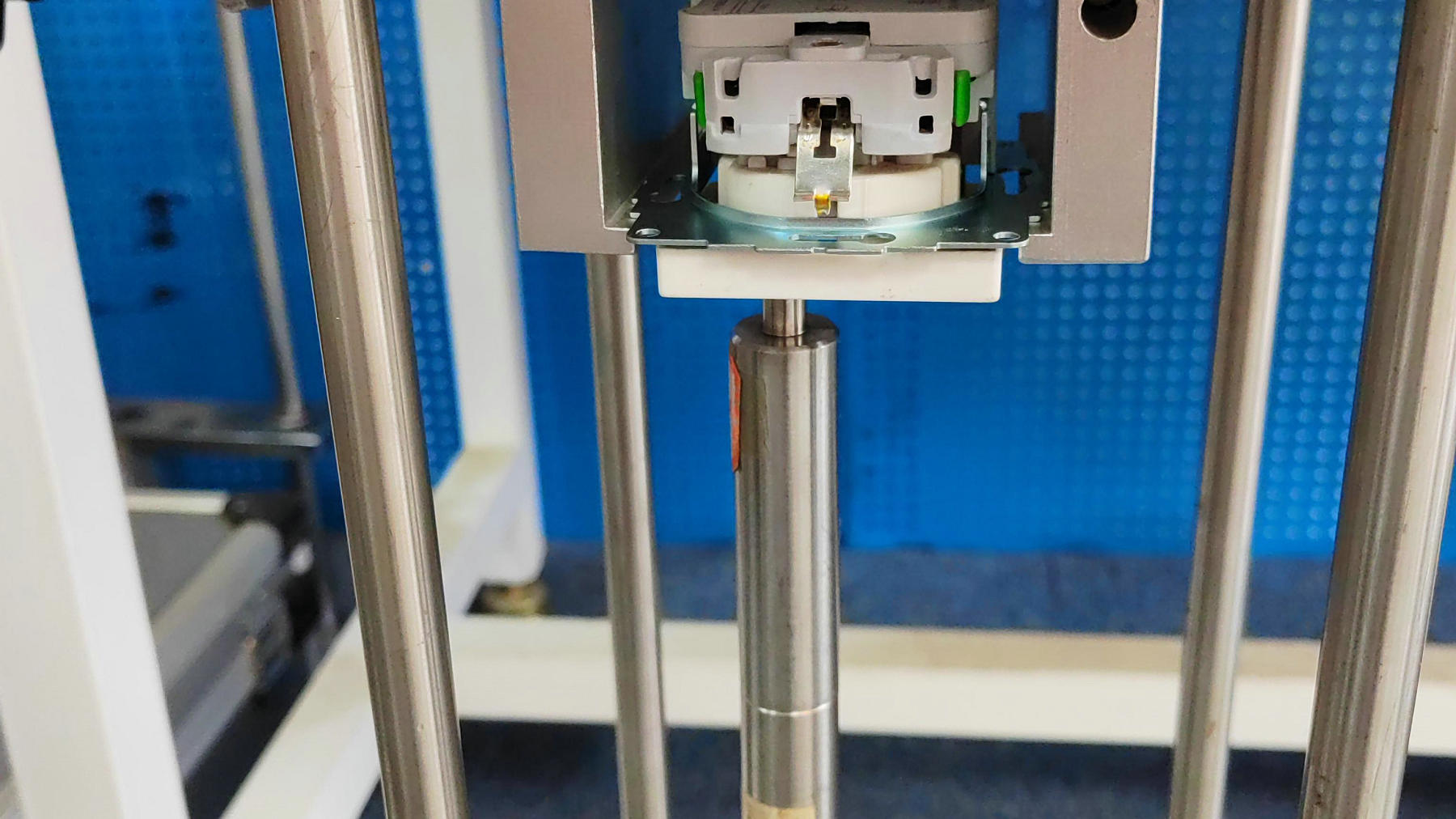
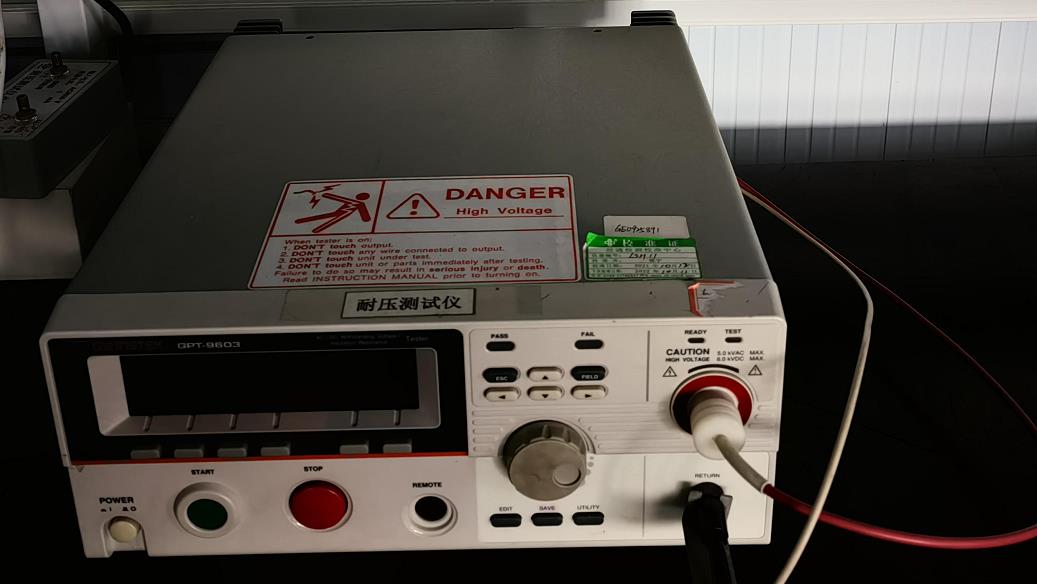
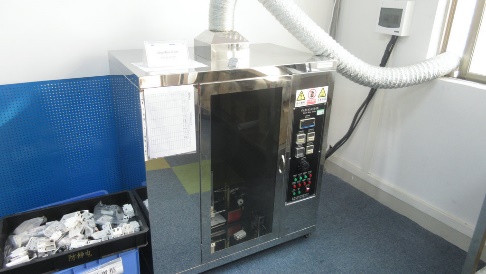
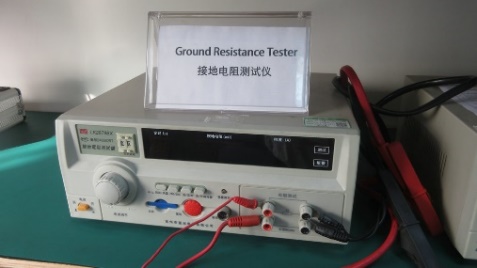
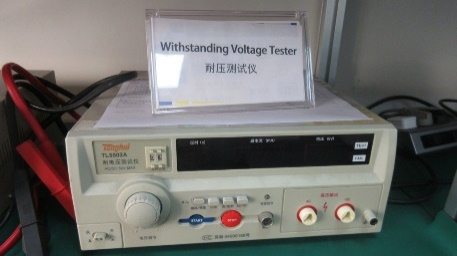
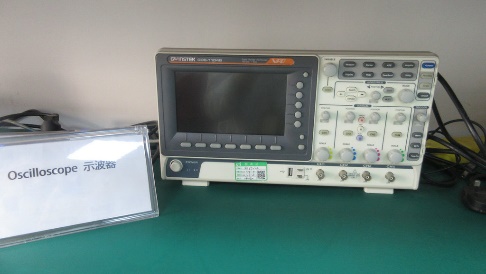
Every batch of surge protector power strips leaving our plant passes through our fully instrumented QC test laboratory. This ensures zero defects in electrical grounding, contact tension, flammability, and thermal endurance:
R&D Engineering & Rapid Prototyping Infrastructure
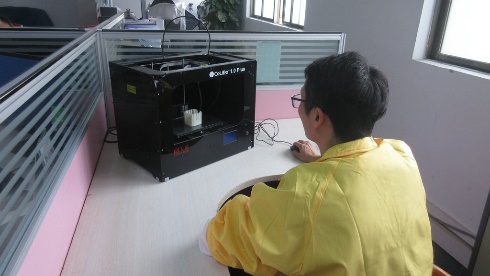
Haxli provides turnkey OEM and ODM development. Our industrial design and electrical engineering departments utilize high-precision 3D printing, CAD drafting, and calibrated plug gauges to shorten custom tooling lead times by up to 35% compared to conventional industry timelines.