Dimensional & Electrical Architecture The Anatomy of the Modern Israeli Standard SII 32 Socket
The Israeli Standard SI 32 (officially standard IS 32 / SII 32 administered by the Standards Institution of Israel) defines the physical geometry, contact metallurgy, and safety enclosures for single-phase 250V AC electrical accessories in Israel and the Palestinian territories. Commonly classified globally as the Type H electrical system, the modern iteration represents one of the world's unique hybrid pin configurations. Historically established with flat, V-shaped prongs, the standard underwent a fundamental revision in 1989 to mandate round contact sleeves, eliminating physical risks associated with asymmetric prong loading and standardizing European interoperability.
Understanding the engineering tolerances of modern SI 32 apertures is essential for B2B buyers. The outlet utilizes three 4.5 mm diameter round prongs spaced at 19 mm center-to-center for line and neutral, with a centered grounding pin offset 9.5 mm below the horizontal plane. Because the standard mandates dual-contour live and neutral entry gates, an authentic SII 32 compliant socket-outlet must flawlessly accept both Israeli grounded Type H plugs (4.5 mm round pins) and ungrounded European Type C Europlugs (CEE 7/16, featuring 4.0 mm pins on 19 mm centers). Engineering this dual-gauge compliance without compromising withdrawal retention force represents a high technical barrier for electrical component manufacturers.
| Parameter / Clause | SII 32 Mandatory Metric | Engineering Implementation (Haxli Precision) | Compliance Test Standard |
| Nominal Rating | 16A / 250V AC ~ 50Hz | 16A continuous, withstands 20A in-rush surge margins | SI 32 Part 1 / IEC 60884-1 |
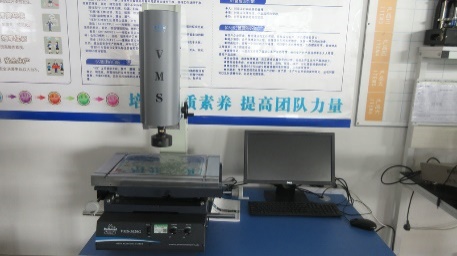
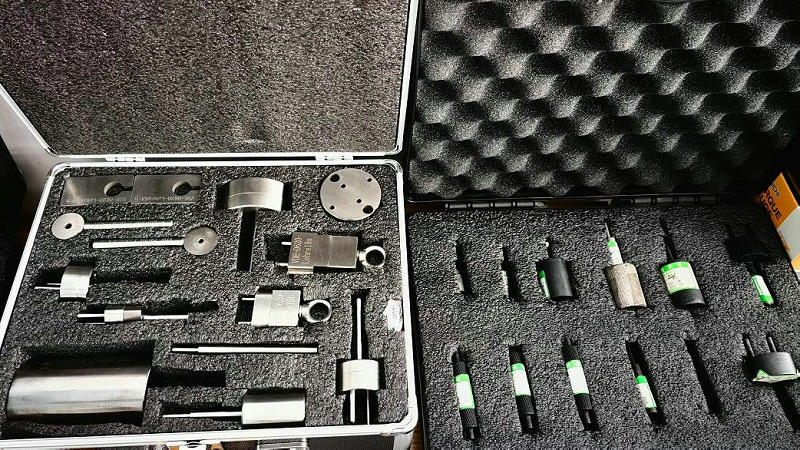
| Pin Diameter & Pitch | Ø 4.5 mm (±0.06 mm), 19.0 mm center pitch | CNC-machined copper contact dies with 0.02 mm tolerance | VMS Optical & Go/No-Go Plug Gauges |
| Europlug Compatibility | Must accommodate CEE 7/16 Type C 4.0 mm pins | Dual-leaf spring contour preventing micro-arcing looseness | SI 32 Annex A Contact Gauging |
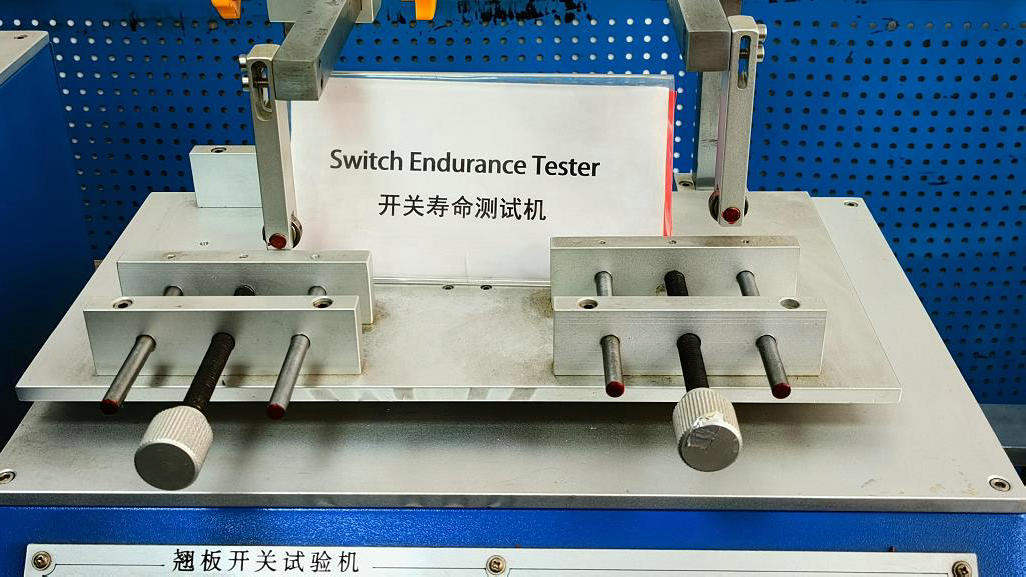
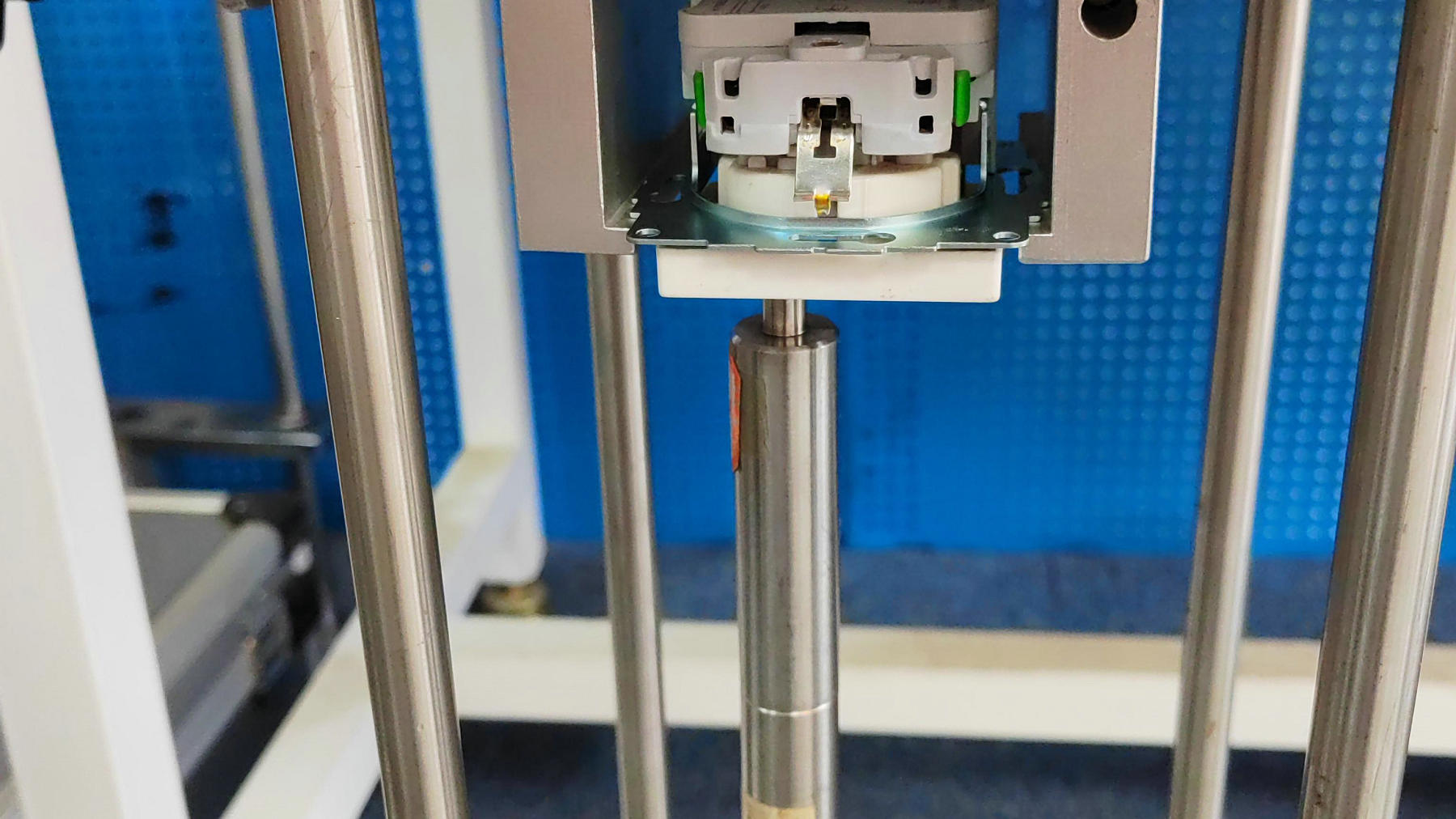
| Withdrawal Force Limits | Min 5.0 N (multi-pole) / Max 50 N (single-pin check) | Calibrated 8.5 N to 28.0 N consistent tension across 10,000 cycles | Force Withdrawal Machine (IEC 60884) |
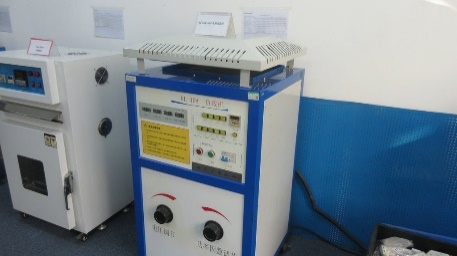
| Temperature Rise limit | ΔT ≤ 45 K at 16A terminal continuous load | High-conductive Phosphor Bronze (QSn6.5-0.1) keeps ΔT ≤ 32 K | AC Load Bank & Multi-channel Thermocouple |
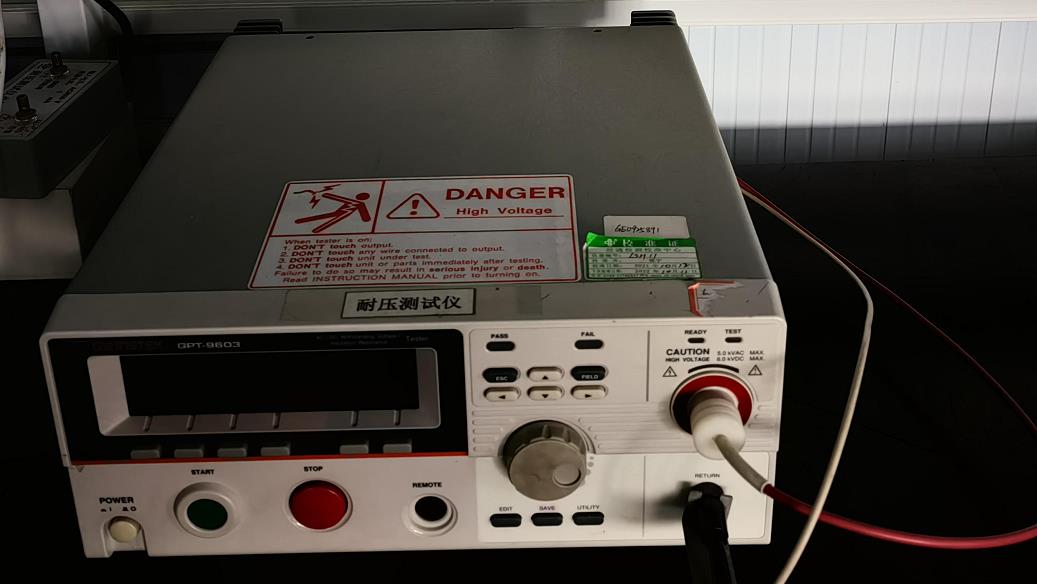
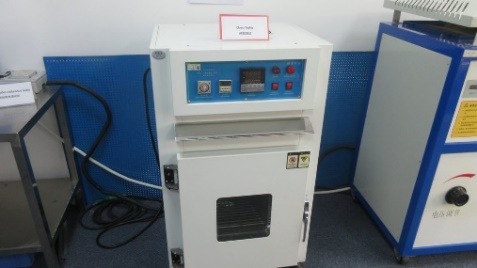
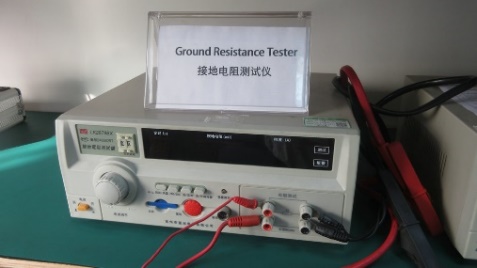
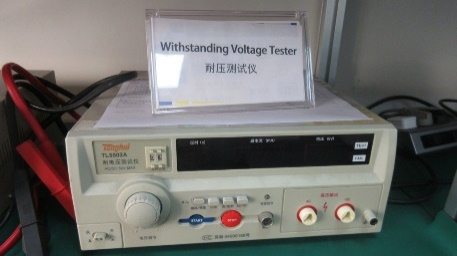
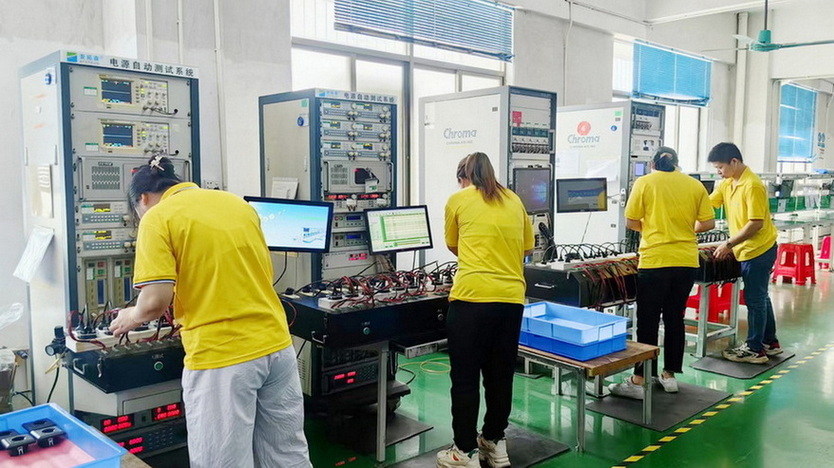
| Dielectric Withstand | 2,000V AC leakage current < 5 mA for 60s | 2,500V AC factory 100% automated flash hi-pot screening | Withstanding Voltage Tester (Secfba85f5) |
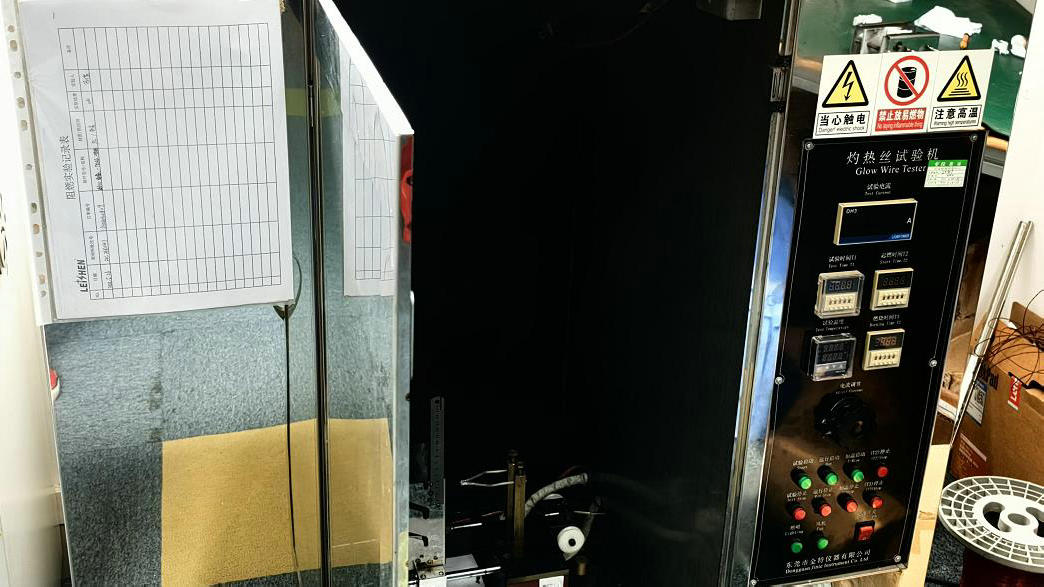
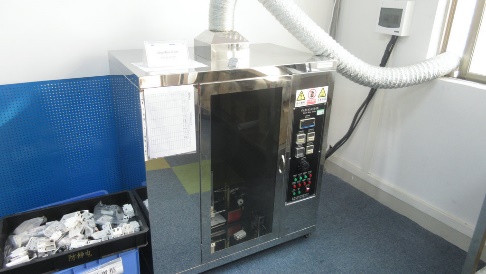
| Fire Retardancy | Glow Wire Flammability Index (GWFI) 850°C | Virgin Bayer/Sabic V-0 Flame-Retardant Polycarbonate | IEC 60695-2-11 Glow Wire Rig |
Precision Dual-Aperture Shutter
Integrated child-protection safety shutters open exclusively under simultaneous two-pin entry, preventing single-pole insertion of conductive rods, screwdrivers, or wires up to IP20/IP4X thresholds.
High-Elasticity Phosphor Bronze
Internal female contact clips are stamped from virgin high-spring phosphor bronze alloys rather than standard commercial brass, delivering non-fatiguing elastic memory across prolonged 16A thermal cycles.
Universal Wall-Box Modularity
Architected for rapid contractor installation, accommodating standard Israeli 55 mm round conduit boxes, traditional rectangular Israeli single/double gang enclosures, and modern 86 mm architectural grids.
Certified Product Lineup Recommended Israeli Standard SII 32 Sockets for Global OEM Buyers
Guangzhou Haxli Electric Technology Co., Ltd. supplies high-reliability Israeli wiring devices to international hospitality chains, private-label electrical suppliers, and national distributors across Tel Aviv, Jerusalem, Haifa, and global export hubs. Below are our flagship production models certified for high-traffic installations.
Market Dynamics & Procurement Forecasts Future Sourcing Trends for Israeli Standard Wiring Devices
Procurement directors and electrical supply chain executives must navigate several tectonic shifts in the Israeli wiring device landscape over the 2025–2030 horizon. The days of standalone AC wall receptacles are rapidly giving way to connected, fast-charging, and energy-conscious architectural interfaces.
1. USB-C Power Delivery Convergence
As the European Union’s common charger directive influences regional Middle Eastern trade, high-end construction in Israel mandates integrated USB-C outlets. Procuring units with discrete 30W to 65W GaN (Gallium Nitride) converters removes the need for wall-warts while preventing energy phantom-loss through smart ultra-low standby circuits (<30mW).
2. Smart Building & Matter Interoperability
Commercial real estate and high-end residential towers in Tel Aviv are rapidly shifting to connected smart sockets. Modern SII 32 designs integrate Zigbee 3.0 and Matter-over-Thread microcontrollers directly into the switch module, enabling individual circuit energy metering, automated cut-offs during peak grid tariffs, and cloud diagnostics.
3. Thermal-Decoupled Miniaturization
Installing high-power fast-charging PCBA modules within shallow 35 mm to 45 mm in-wall junction boxes creates severe thermal stress. Forward-thinking buyers prioritize suppliers who incorporate metal heat spreader shields, potting silicone, and thermal foldback firmware to prevent contact annealing and plastic discoloration.
Manufacturing Innovation & Materials Engineering Technological and Materials Evolution of SI 32 Sockets
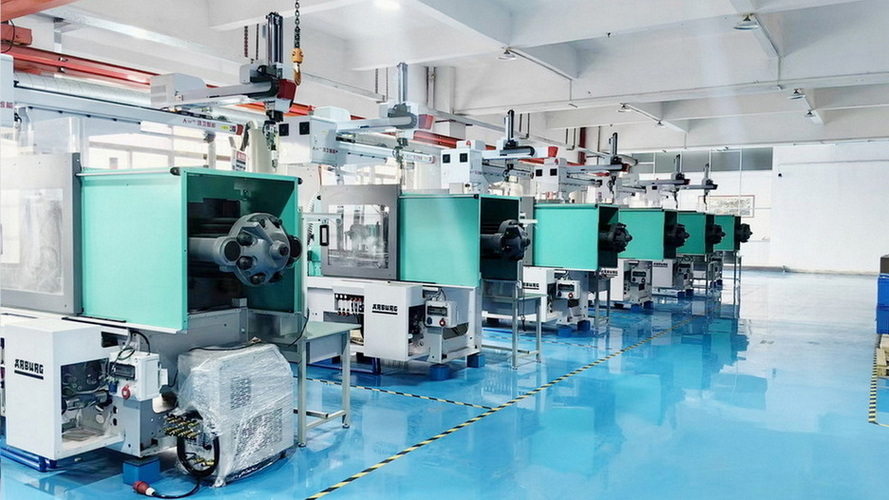
Maintaining structural stability at high operating ambient temperatures is crucial for Israeli installations subjected to Mediterranean climate stresses. Guangzhou Haxli Electric Technology Co., Ltd. has eliminated conventional thermoset brittle bakelite in favor of high-performance engineered thermoplastics. The faceplate and carrier chassis use flame-retardant polycarbonates (PC) enriched with halogen-free flame-retardant packages rated UL94 V-0. This ensures that in the event of an abnormal electrical overload or glowing terminal defect, the material self-extinguishes within 10 seconds of source removal, preventing flame propagation across wall cavities.
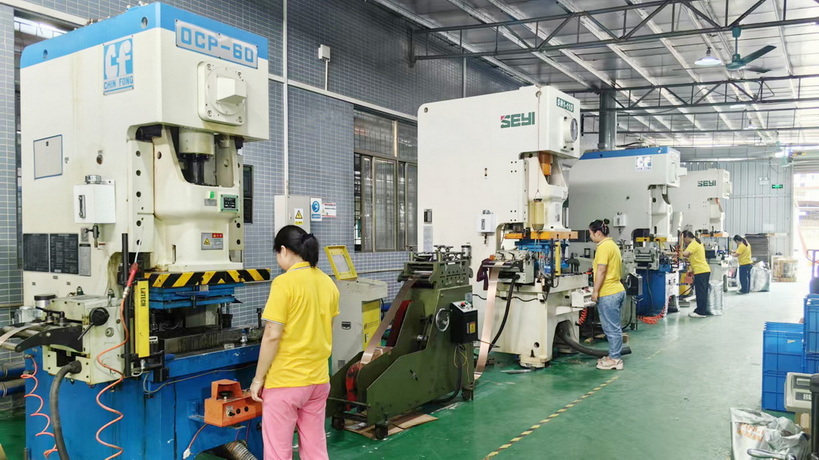
Electrically, our production utilizes cold-rolled Phosphor Bronze alloys (CuSn6 / QSn6.5-0.1). Compared to recycled cartridge brass commonly found in low-tier alternatives, our contact clips possess high tensile strength (>590 MPa) and electrical conductivity approaching 15% IACS. This yields two decisive operational advantages: contact resistance remains below 5 mΩ even after 10,000 mating operations, and clamping force on 4.0 mm Europlug pins is maintained without thermal relaxation or contact erosion.