Engineered for Global Compliance & High-Current Durability
Explore our export-certified product lines designed for residential, commercial, travel, and industrial installations. Each component undergoes automated electrical verification and thermal load screening prior to dispatch.
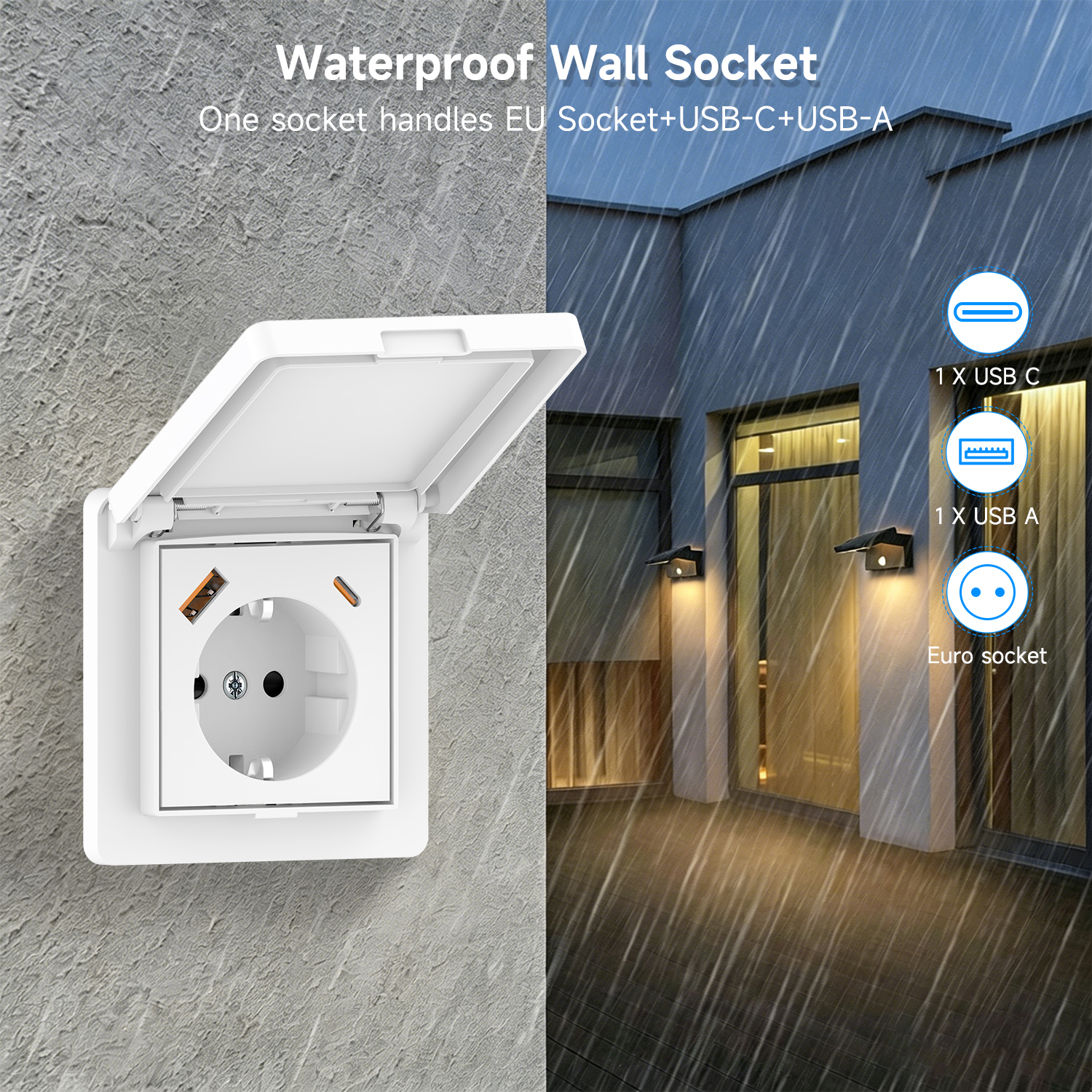
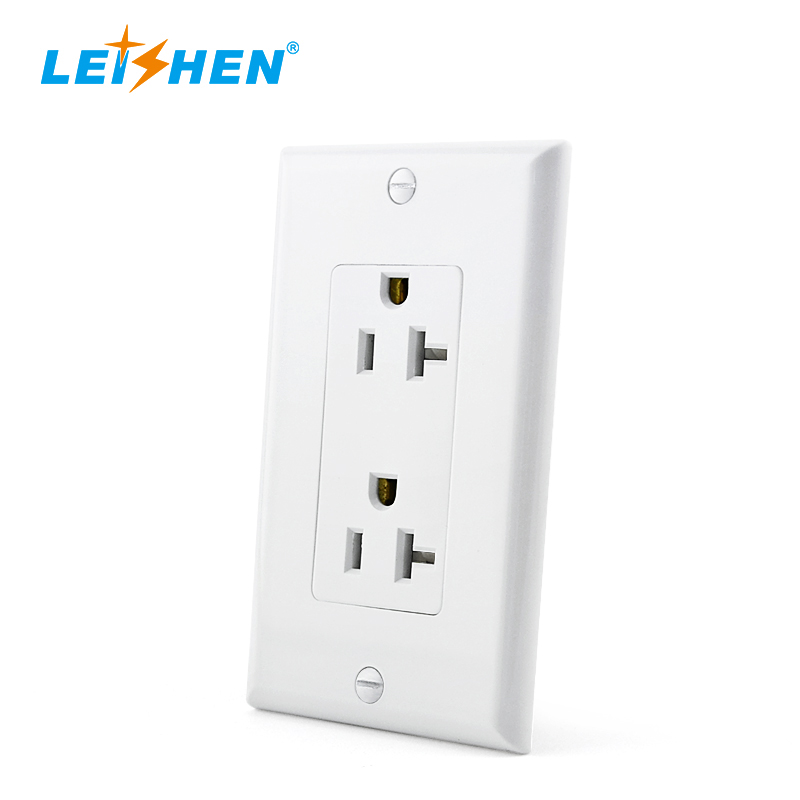
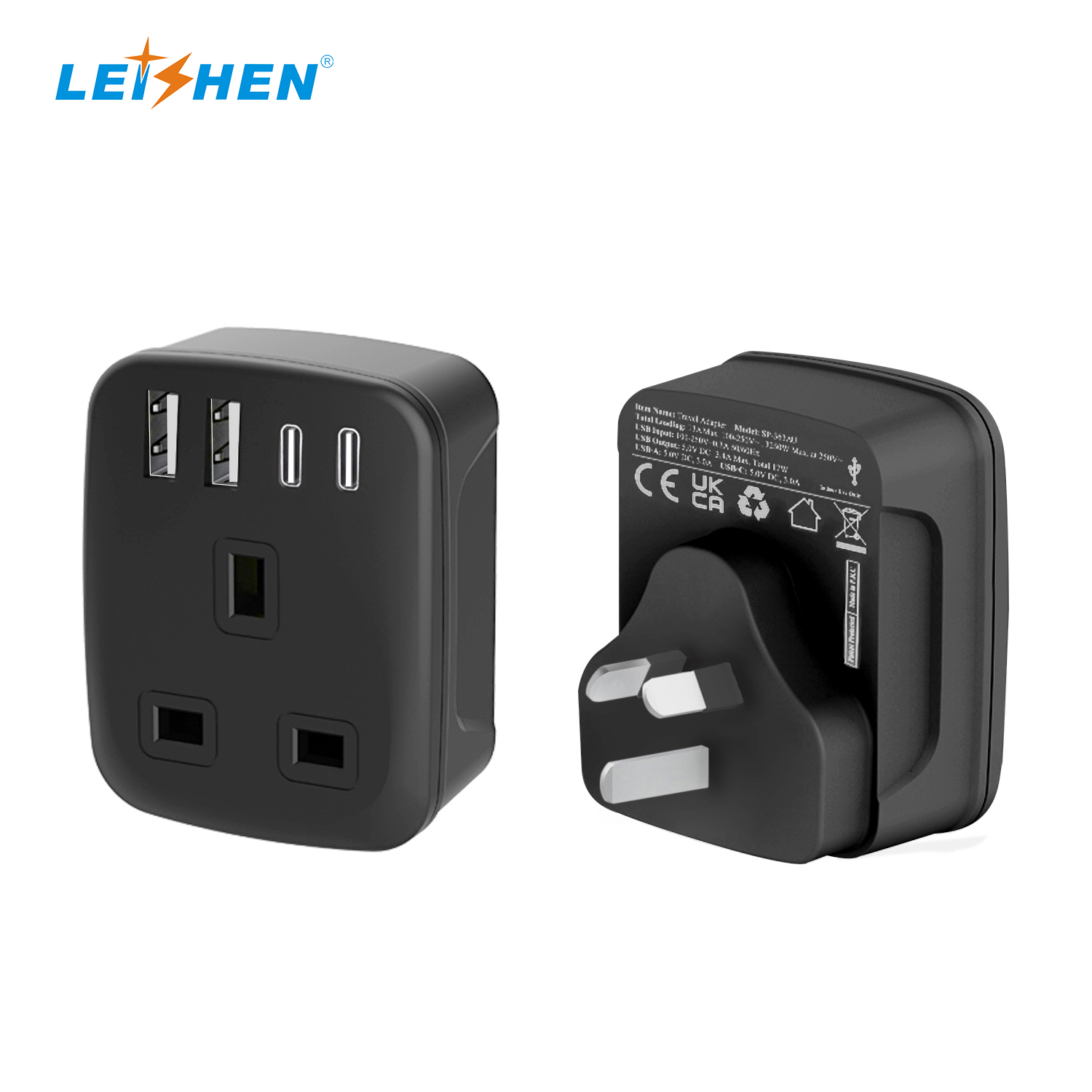
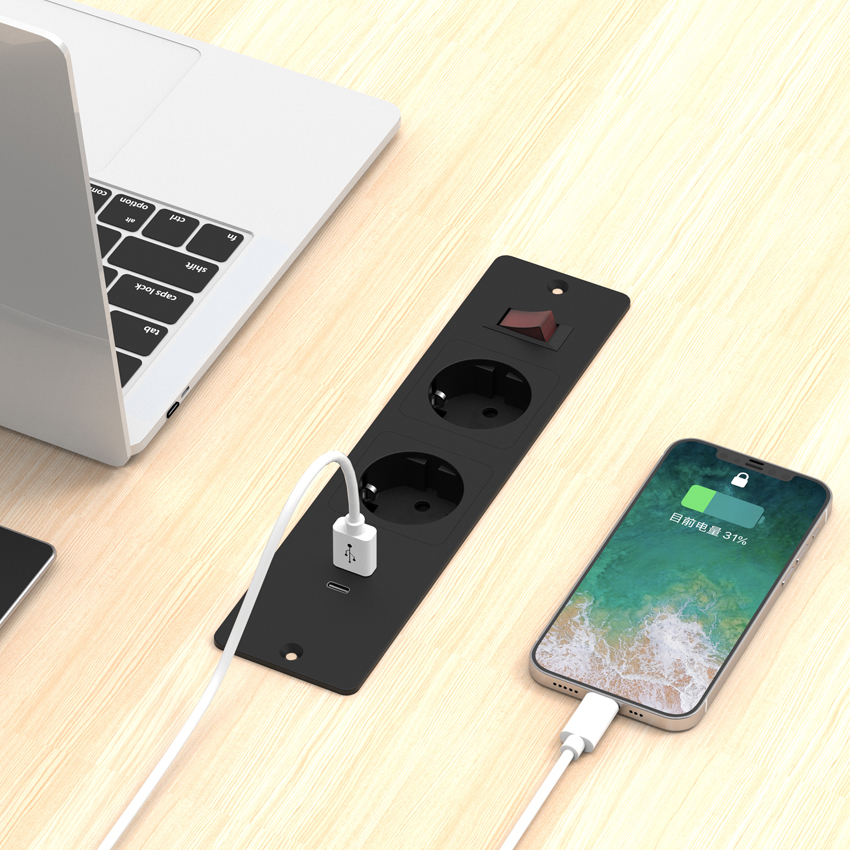
Sourcing from China's Electrical Belt: The Guangzhou Engineering Advantage
Global power connectivity demands uncompromising reliability. For international procurement managers, electrical wholesalers, and consumer hardware brands, sourcing plug adapters, wall sockets, and desktop power distribution units requires a clear understanding of manufacturing standards and mechanical safety margins. Operating directly out of Xintang Town, Guangzhou—the epicenter of Guangdong's precision electronics and electrical hardware supply chain—our enterprise operates as a vertically integrated manufacturer, bypassing broker margins and fragmented sub-assembly suppliers.
Modern plug adapter production has moved beyond simple plastic injection molding and stamped brass prongs. Today's commercial units require high-density thermal management, intelligent power allocation protocols (USB Power Delivery 3.0/3.1 with PPS), certified dielectric breakdown barriers, and strict material self-extinguishing chemistries (meeting UL94 V-0 flammability ratings). As global destination grids vary between 100V and 250V with differing earth grounding mechanisms, contract manufacturing demands strict compliance with international testing frameworks such as IEC 60884-1, BS 1363, AS/NZS 3112, UL 498, and EN 62368-1.
Future B2B Procurement Trends in Electrical Adapters (2025–2030)
Strategic buyers must design supply chain pipelines that anticipate international regulatory shifts, energy efficiency mandates, and consumer charging behaviors. The next five years will fundamentally alter electrical specification sheets.
1. GaN III Fast-Charging Integration
The convergence of AC wall travel adapters with high-density Gallium Nitride (GaN) semiconductor power stages is replacing single-purpose chargers. Procurement specifications now mandate 65W to 140W USB-C PD outputs integrated directly into universal travel adapters without increasing casing footprint or inducing dangerous thermal spikes.
- Planar transformer technology reduces volume by 45%.
- Power density exceeding 1.2W/cm³.
- Automated dynamic load balancing across dual Type-C ports.
2. EU USB-C Mandates & Global Directives
Following European Directive (EU) 2022/2380 mandating standardized USB Type-C receptacles, international buyers are rapidly purging legacy USB-A standalone designs. Sourcing roadmaps require native Type-C EPR (Extended Power Range) modules that support voltages up to 28V/48V for high-demand ultrabooks.
- Elimination of redundant external AC-to-DC bricks.
- Zero-standby parasitic drain below 0.075W (Level VI efficiency).
- Unified firmware handshake for Apple, Samsung, and Qualcomm.
3. Post-Consumer Recycled (PCR) Resins
Environmental, Social, and Governance (ESG) criteria in corporate European and American supply chains are demanding a transition toward PCR Polycarbonate casings without compromising UL94 V-0 flame-retardant compliance or ball-pressure thermal stability thresholds under IEC 60884-1 testing.
- 30% to 75% verified GRS-certified recycled content.
- Halogen-free, RoHS 3 (EU 2015/863), and REACH compliant.
- Biodegradable soy-ink B2B bulk retail packaging.
4. Smart Micro-Fused Thermal Fail-Safes
Traditional thermal glass fuses are transitioning to auto-resetting ceramic PTCs (Positive Temperature Coefficient) or integrated bimetallic micro-breakers. Modern adapters feature physical auto-shutoff when contact temperatures exceed 85°C, preventing thermal runaway in confined hospitality spaces.
- No fuse replacement required by end travelers.
- Redundant dual-pole ground disconnection mechanics.
- Surge suppression handling up to 10kA discharge currents.
Global Pin Architecture & Regulatory Benchmark Matrix
Different markets mandate entirely different mechanical tolerances, pin insulation sleeves, and child-protection shutter resistance. Procuring an adapter that does not match local regulatory requirements can result in immediate customs seizure or commercial liability.
| Target Region | Plug Type / Standard | Electrical Rating | Safety Shutter Mandate | Primary Compliance Pathway |
|---|---|---|---|---|
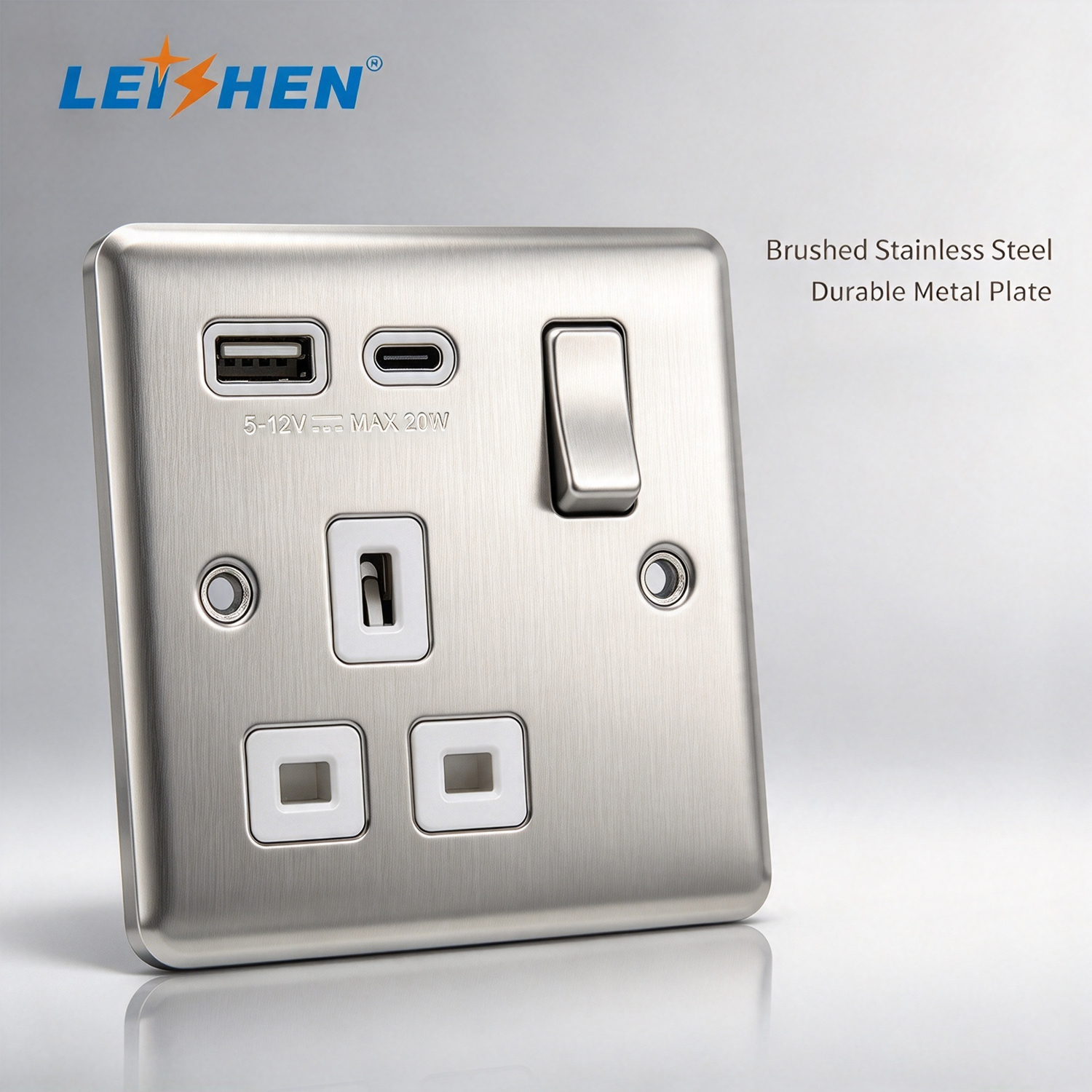
| United Kingdom & GCC | Type G (BS 1363) | 13A / 250V AC | Mandatory (operated by Earth pin) | UKCA, BSI Kitemark, G-Mark, SASO |
| European Union | Type F (CEE 7/4 Schuko) / Type E | 16A / 250V AC | Standard in residential models | CE-LVD, TÜV Rheinland, KEMA-KEUR, NF |
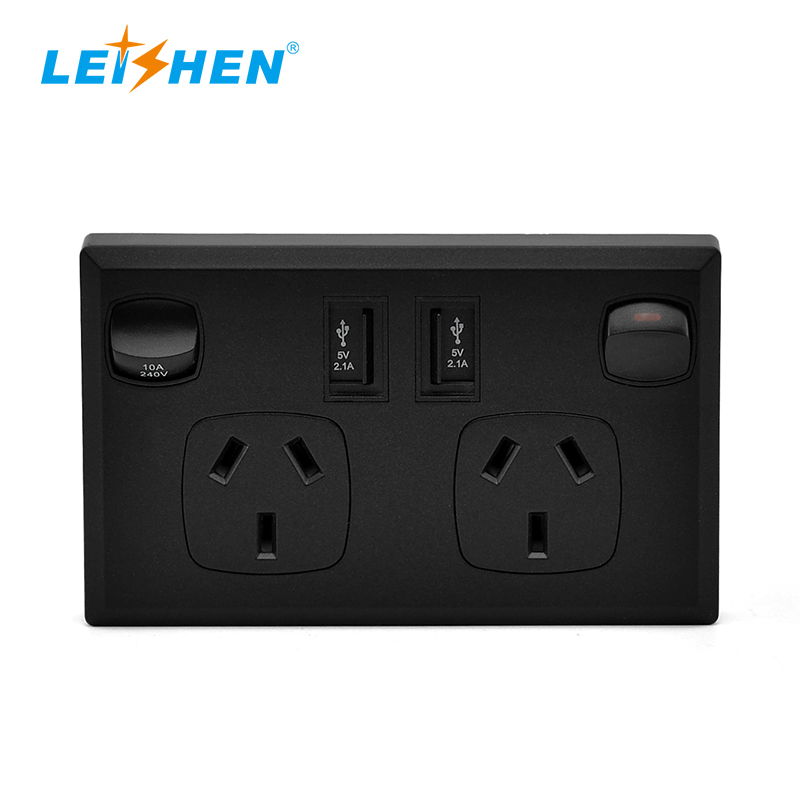
| Australia & New Zealand | Type I (AS/NZS 3112) | 10A / 15A 240V | Mandatory on power outlets | SAA Approvals, RCM EESS Database |
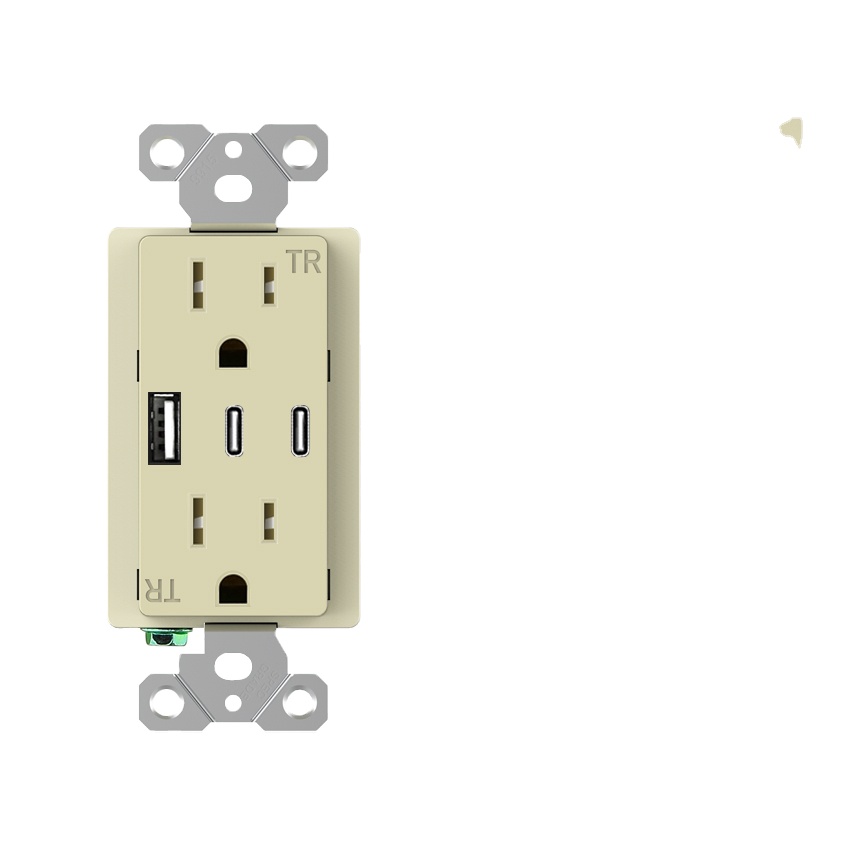
| North America (USA/CA) | Type A & B (NEMA 1-15 / 5-15 / 5-20) | 15A / 20A 125V | NEC Tamper Resistant (TR) standard | UL 498 / UL 1310, cETLus, FCC Part 15B |
| State of Israel | Type H (SI 32) | 16A / 250V AC | Required on dual standard models | SII (Standards Institution of Israel) |
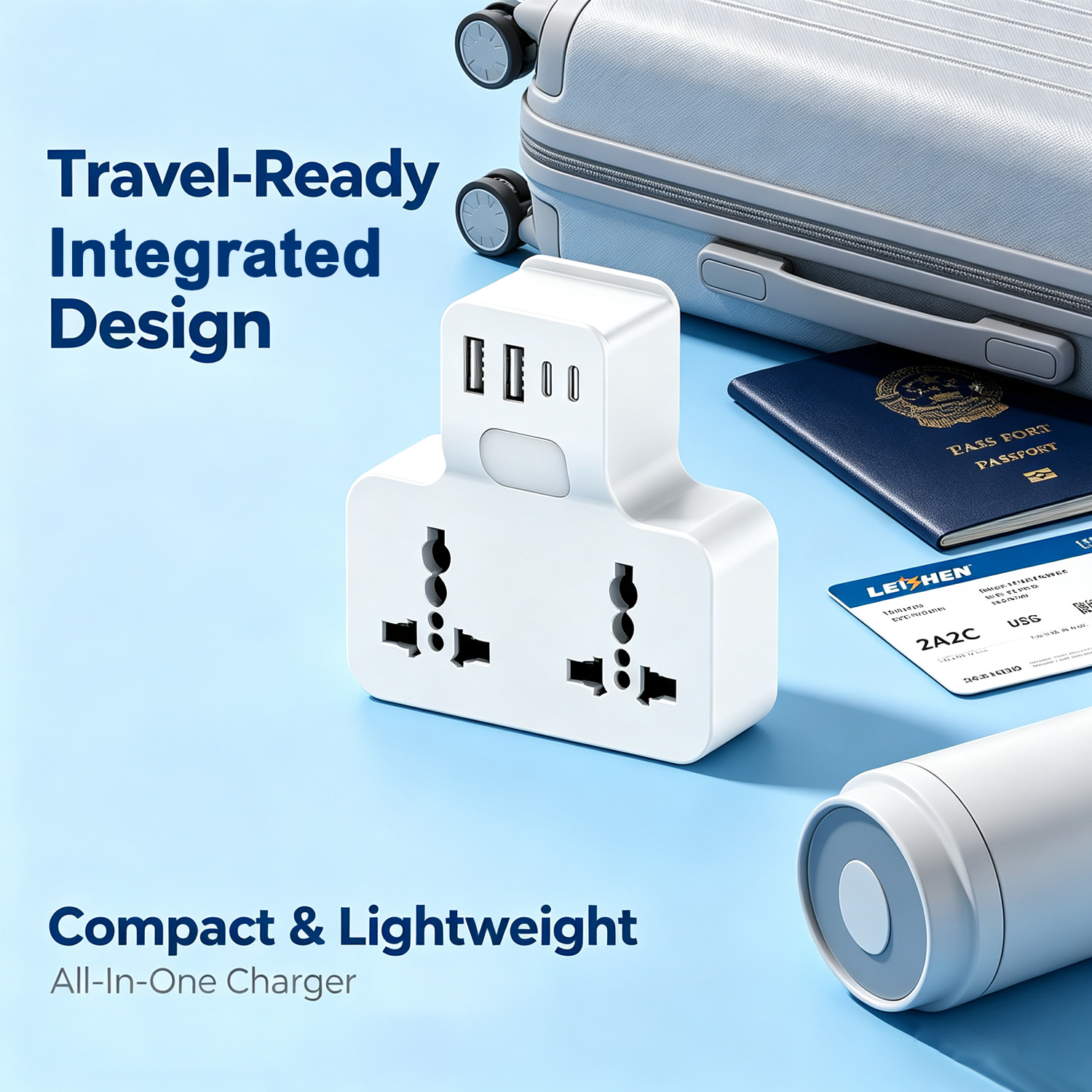
| Global International | Multi-Sliding All-in-One | 6A - 10A Max Load | Single-plug activation lock mandatory | IEC 60884-3-1, CE-EMC/LVD, FCC, RoHS |
Notice: High-power appliances (hair dryers, kettles) require true voltage conversion if operated across 110V and 230V domains; standard plug adapters only convert physical pin morphology without stepping AC voltage.
Technological & Assembly Developments in Tier-1 Chinese Factories
How automation and material science innovations eliminate contact looseness, high contact resistance, and fire hazards in mass adapter production.
High-Elasticity Phosphor Bronze Architecture
Budget suppliers utilize recycled brass with high zinc ratios that suffer from mechanical fatigue after 500 insertions. Premium factories specify C5191 Phosphor Bronze with multi-point leaf spring designs. This ensures gripping pressure is maintained over 15,000 continuous insertion-extraction cycles without widening terminal apertures or creating localized arcing.
Automated Optical Inspection (AOI) & SMT
Integrated GaN and USB PCBA circuits are produced using high-speed Fuji SMT lines with 0201 metric component handling capabilities. Multi-spectral 3D AOI inspection detects micro-solder bridging, cold joints, and component skew in real-time, driving component defect rates below 15 PPM (parts per million).
Ultrasonic Precision Welding & Casing Tolerances
To resist severe dropping impacts (exceeding standard 1-meter tumble barrel drop tests), enclosures are bonded via computerized ultrasonic welding rather than brittle clip-fasteners. Tooling clearances are maintained within ±0.03mm, preventing internal pin guide displacement when users apply twisting force during international insertion.
Guangzhou Haxli Electric Technology: OEM/ODM Authority
Operating a dedicated 10,000㎡ manufacturing facility with 201 verified personnel, our plant combines 14+ years of specialized power connectivity manufacturing with comprehensive in-house qualification testing verified by SGS onsite audits.
As a qualified procurement supplier for global hardware brands and Fortune 500 contract partners, our export ratio exceeds 90% across Europe, North America, Oceania, and the Middle East. Our product development team translates 2D/3D customer concept drawings into functional prototypes within 7 working days, supported by rapid 3D printing and in-house mold toolmaking.
Our Daily In-House Testing Protocols
Glow Wire Tester
Exposes exterior resins to glowing elements heated to 750°C and 850°C (IEC 60695-2-11) to confirm self-extinction within 30 seconds.
Withstanding Voltage (Hi-Pot)
Validates primary-to-secondary electrical barrier insulation with 3,000V–3,750V AC dielectric stress tests to eliminate leakage shock risks.
Plug Withdrawal Force Gauge
Tests each prong configuration under standardized gauge weights to ensure retention complies with IEC standards (neither loose nor jamming).
Full-Load Thermal Burn-In
100% of finished assemblies run on powered burn-in racks under 100% nominal electrical load to eliminate premature electronic component failures.
Frequently Asked Questions: Global Plug Adapter Procurement
Technical answers to common engineering, compliance, and trade execution questions raised by international sourcing teams.
Connect Directly with Our Guangzhou Engineering Team
Whether you require rapid quote breakdowns for container volumes, complete customized tooling DFM reviews, or compliance documentation for your target market, our dedicated regional engineering desks are available for technical consultations.