RTS Ready
Direct manufacturer supply for B2B importers, commercial engineering distributors, and cross-border consumer brands.
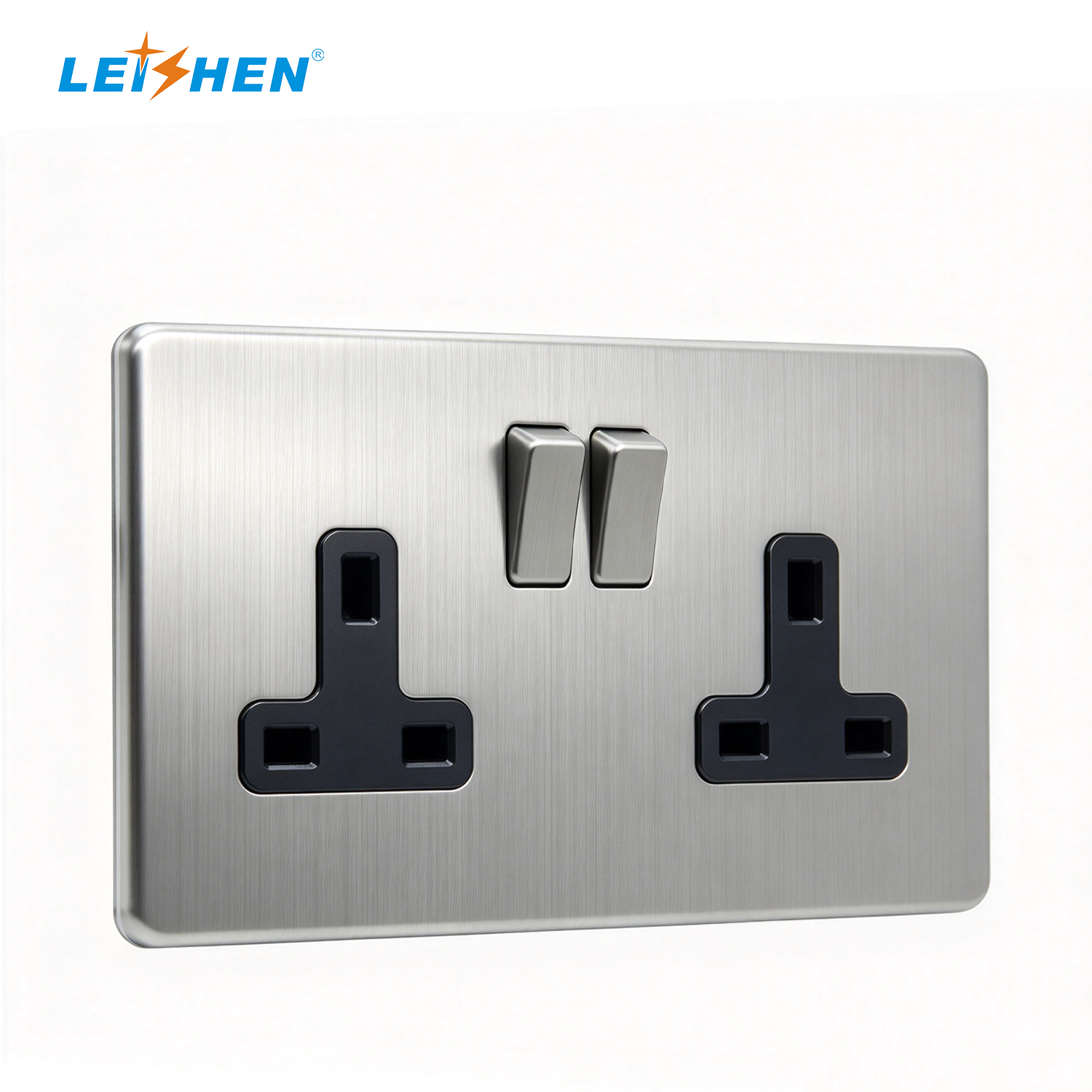
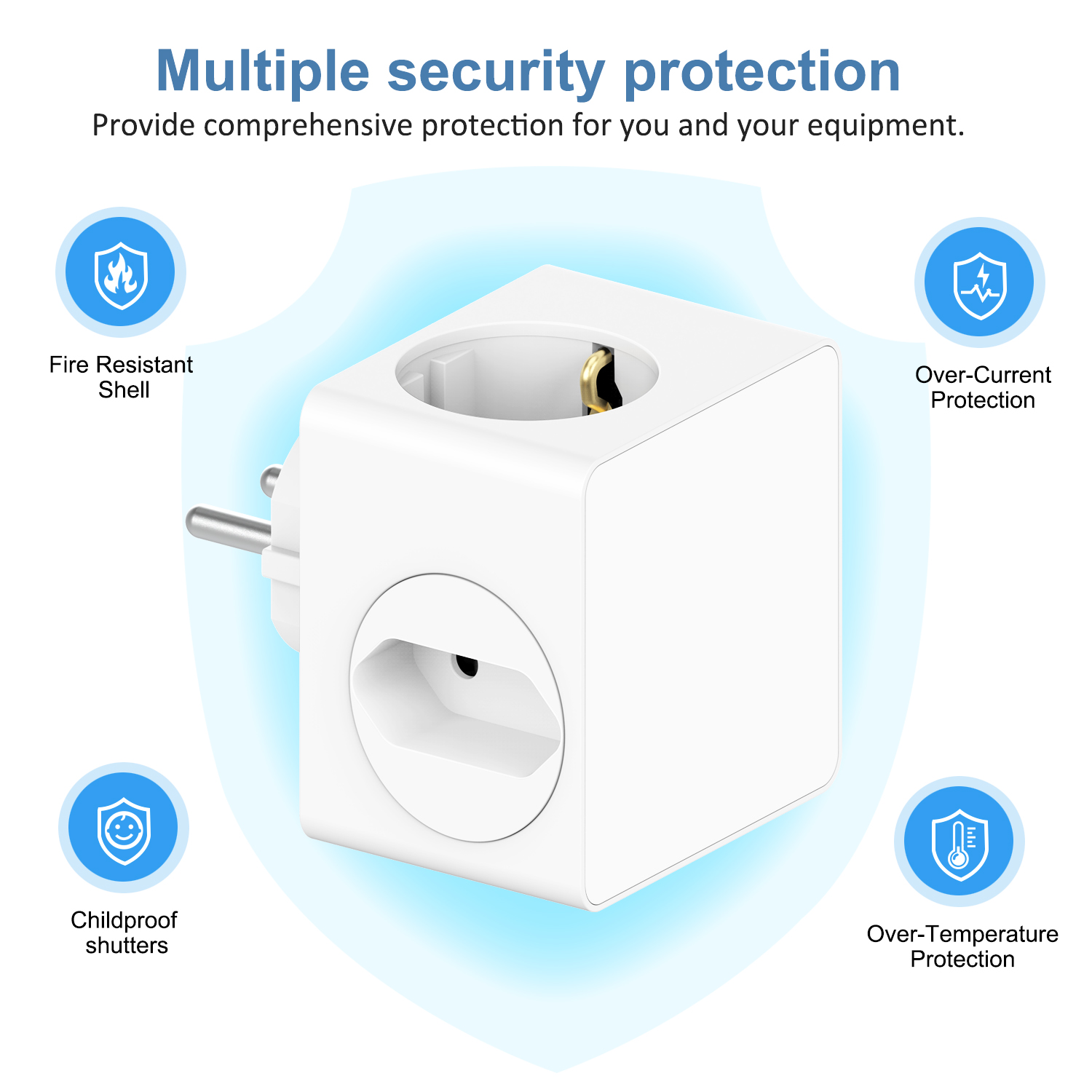
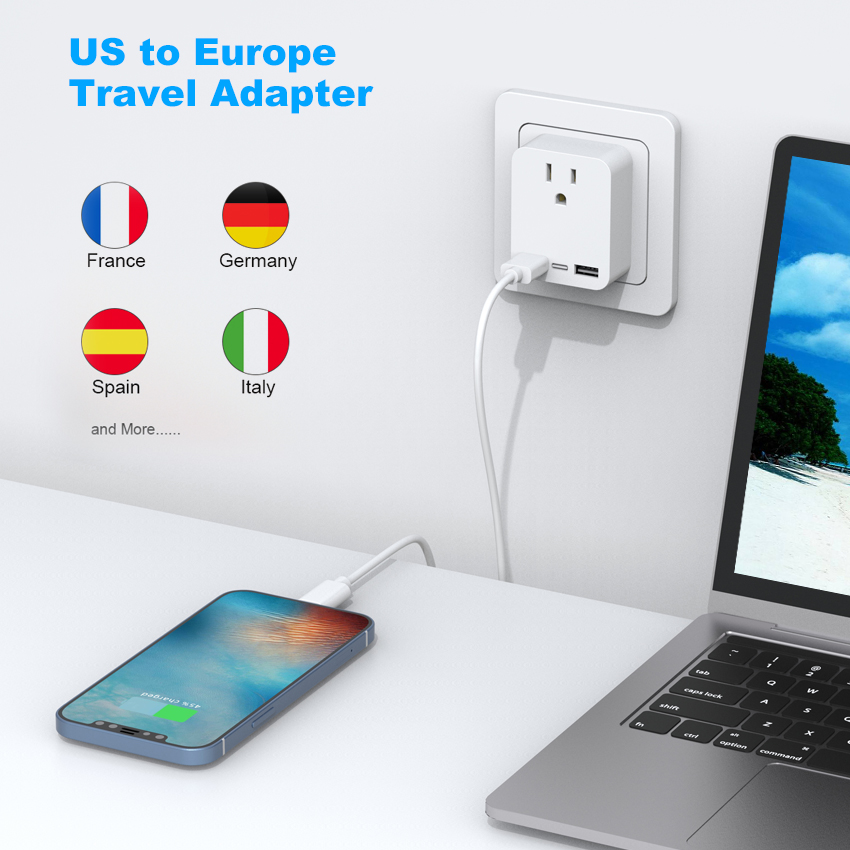
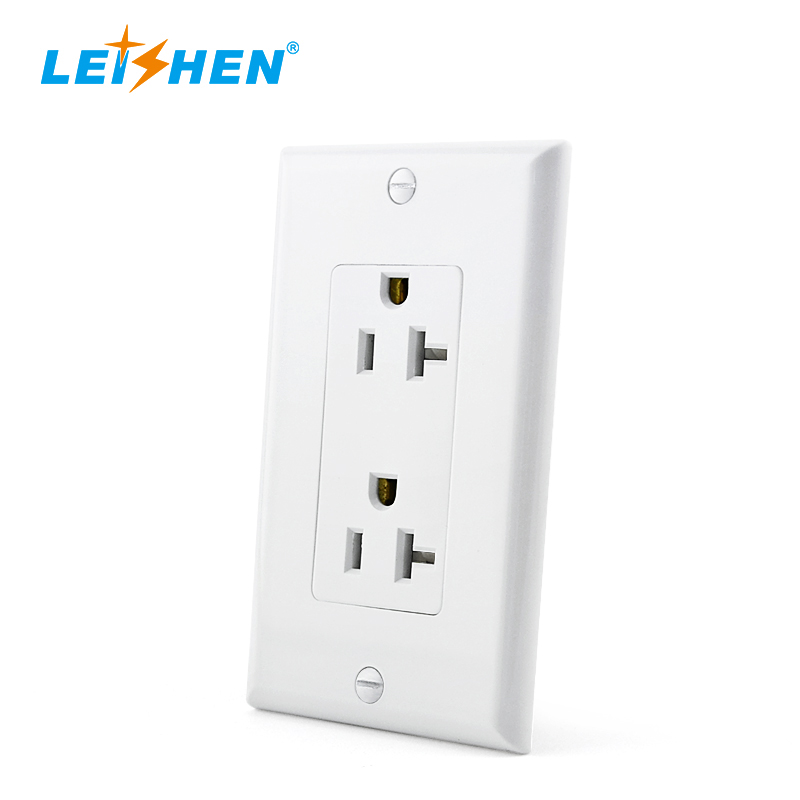
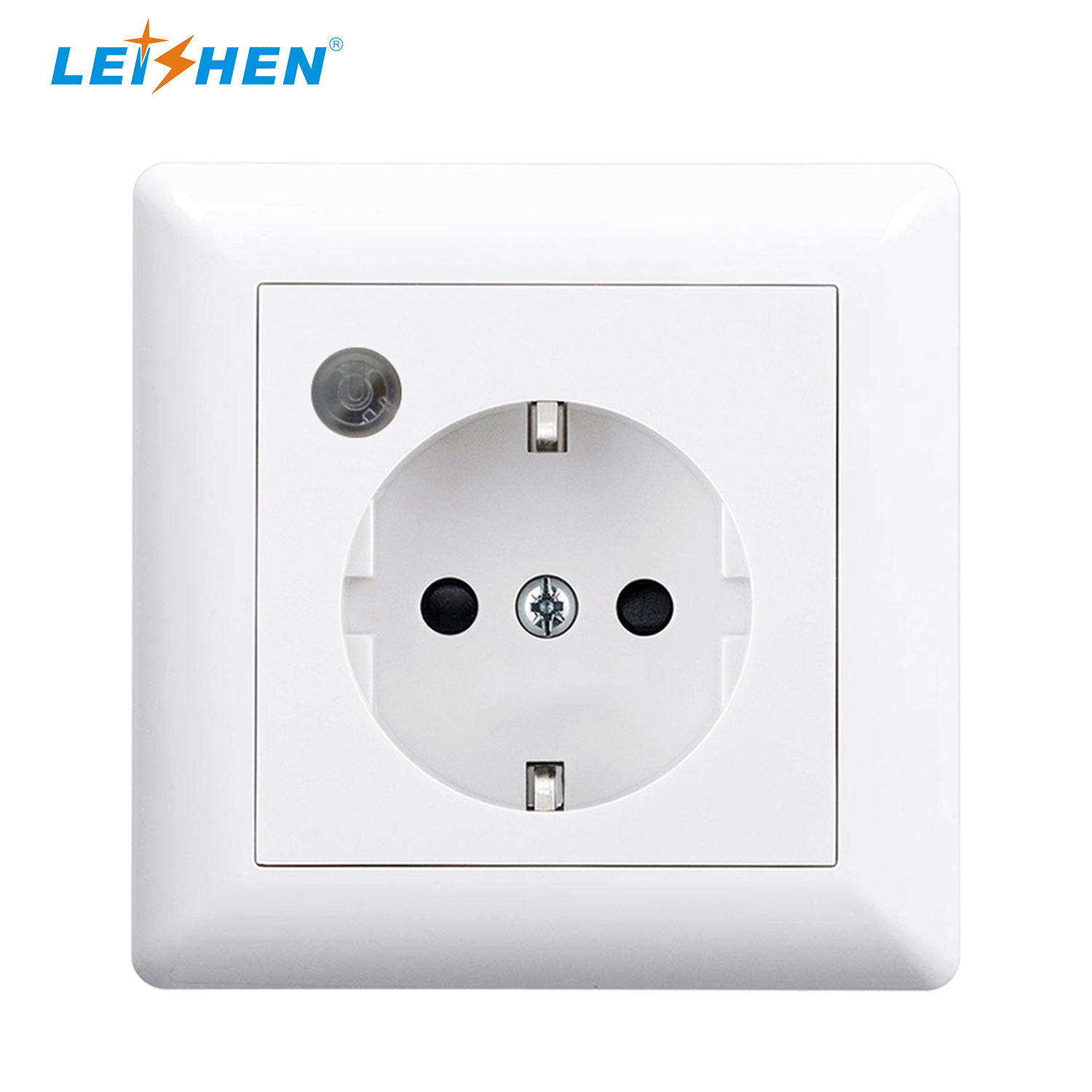
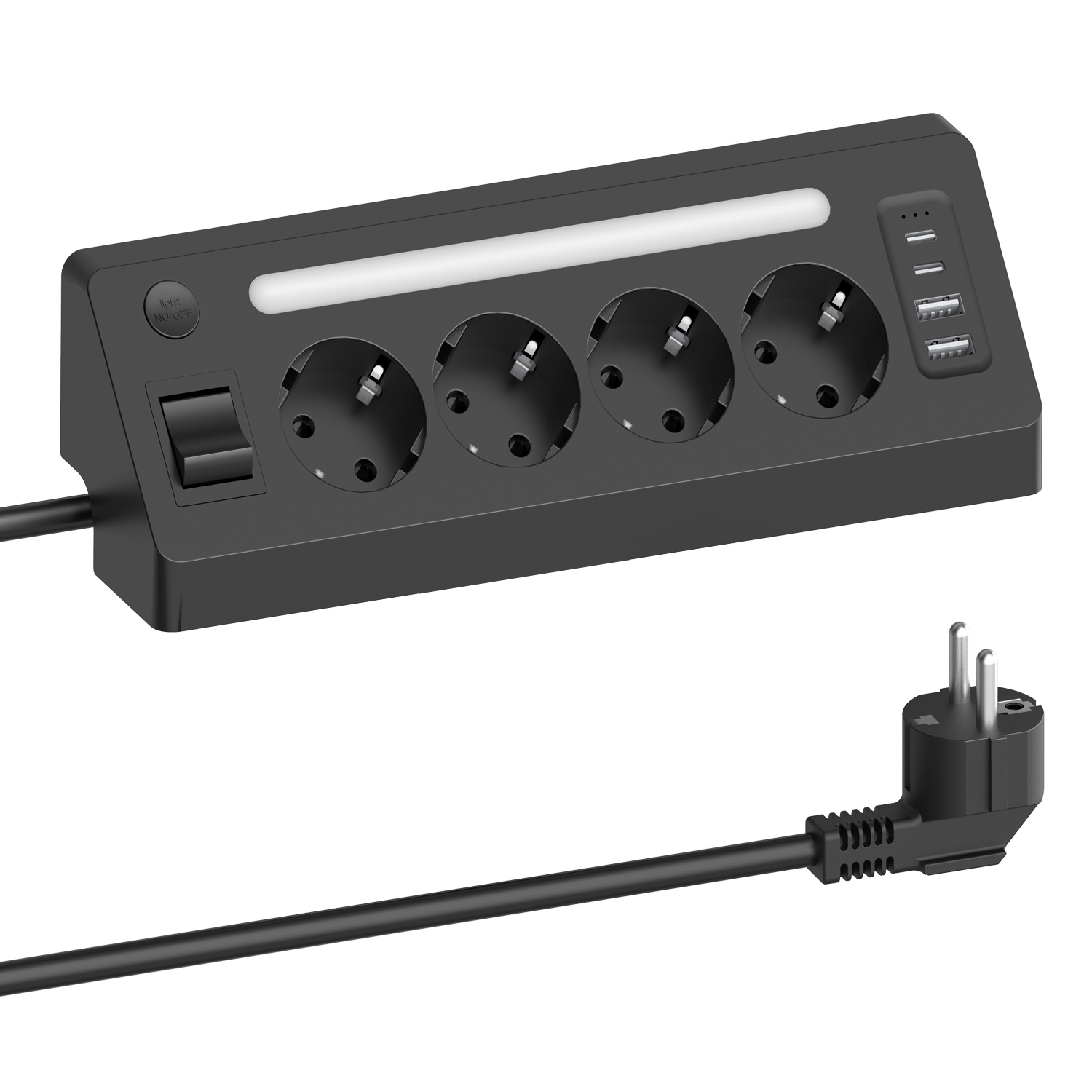
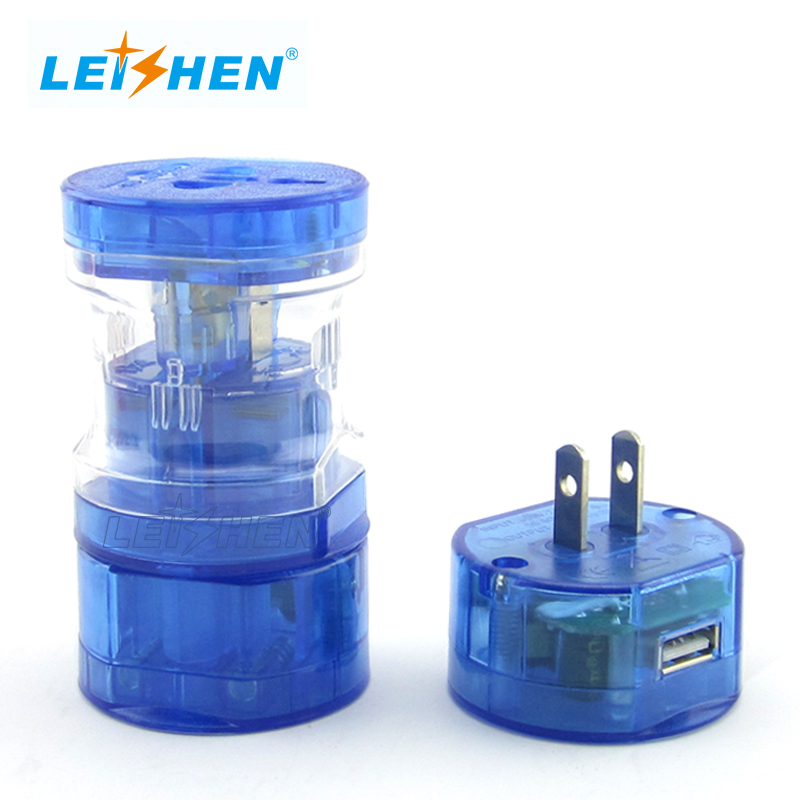
As international supply chains evolve toward heightened energy efficiency and mandatory digital safety standards, selecting a premier China Schuko adapter exporter requires far deeper evaluation than unit pricing alone. The German Type F CEE 7/4 standard and its hybrid counterpart, the CEE 7/7 (which bridges French Type E earthing pins with dual Type F side earthing strips), represent the electrical backbone across Central and Northern Europe. At Guangzhou Haxli Electric Technology Co., Ltd., we combine over 14 years of direct manufacturing experience with strict ISO quality standards to produce certified, reliable, and high-performance power connectivity solutions for commercial distributors, engineering contractors, and OEM/ODM private-label partners.
The traditional German standard (CEE 7/4) relies exclusively on dual lateral grounding clips located at 0° and 180° along the socket perimeter. However, modern procurement across the greater European single market heavily prioritizes the CEE 7/7 hybrid plug interface. This design features both side ground contact points for Type F German receptacles and an axial female socket opening to receive the Type E earth pin common to France, Belgium, and Poland. When specifying export orders, commercial buyers must confirm whether adapters support this dual-profile mating. Without verified CEE 7/7 cross-compatibility, end-users frequently face mechanical interlock failures when using grounded portable consumer devices across national borders.
Furthermore, internal pin construction is a vital safety benchmark. Substandard exporters often use hollow brass pins or loose rivet assemblies to lower raw material consumption. In contrast, Haxli engineering requires precision-machined solid brass nickel-plated pins (diameter: precisely 4.8mm ±0.05mm) seated directly into heavy-gauge phosphor bronze terminal clips. This construction ensures lower contact resistance, maintains mechanical retention force under continuous 16A load cycling, and mitigates localized thermal accumulation that causes terminal degradation and fire hazards.
| Evaluation Parameter | Export Grade A (Haxli In-House Standards) | Standard Low-Cost Exporter Baseline |
|---|---|---|
| Rated Voltage & Current | 250V~ AC / 16A Continuous Duty (3680W Max) | 250V~ AC / 10A-16A Intermittent (Prone to derating) |
| Contact Materials | High-Elasticity Phosphor Bronze (CuSn6 / QSn6.5-0.1) | Commercial Brass Sheets (H62/H65) / Recycled Alloys |
| Housing Flame Retardancy | Virgin Bayer/SABIC Polycarbonate (UL94 V-0 Rated) | Recycled ABS / Partial PC Blends (UL94 V-2 or HB) |
| Dielectric Withstand Voltage | >3,000V AC / 50Hz for 1 Minute without breakdown | <1,500V - 2,000V AC (Standard factory sample test) |
| Safety Shutter Mechanism | Double-acting dual-pole interlock (>30N push force) | Single-slide bypass shutter or unprotected socket face |
| Thermal Rise Threshold | <45K Rise under rated 16A continuous operation | >60K - 75K Rise under full rating load |
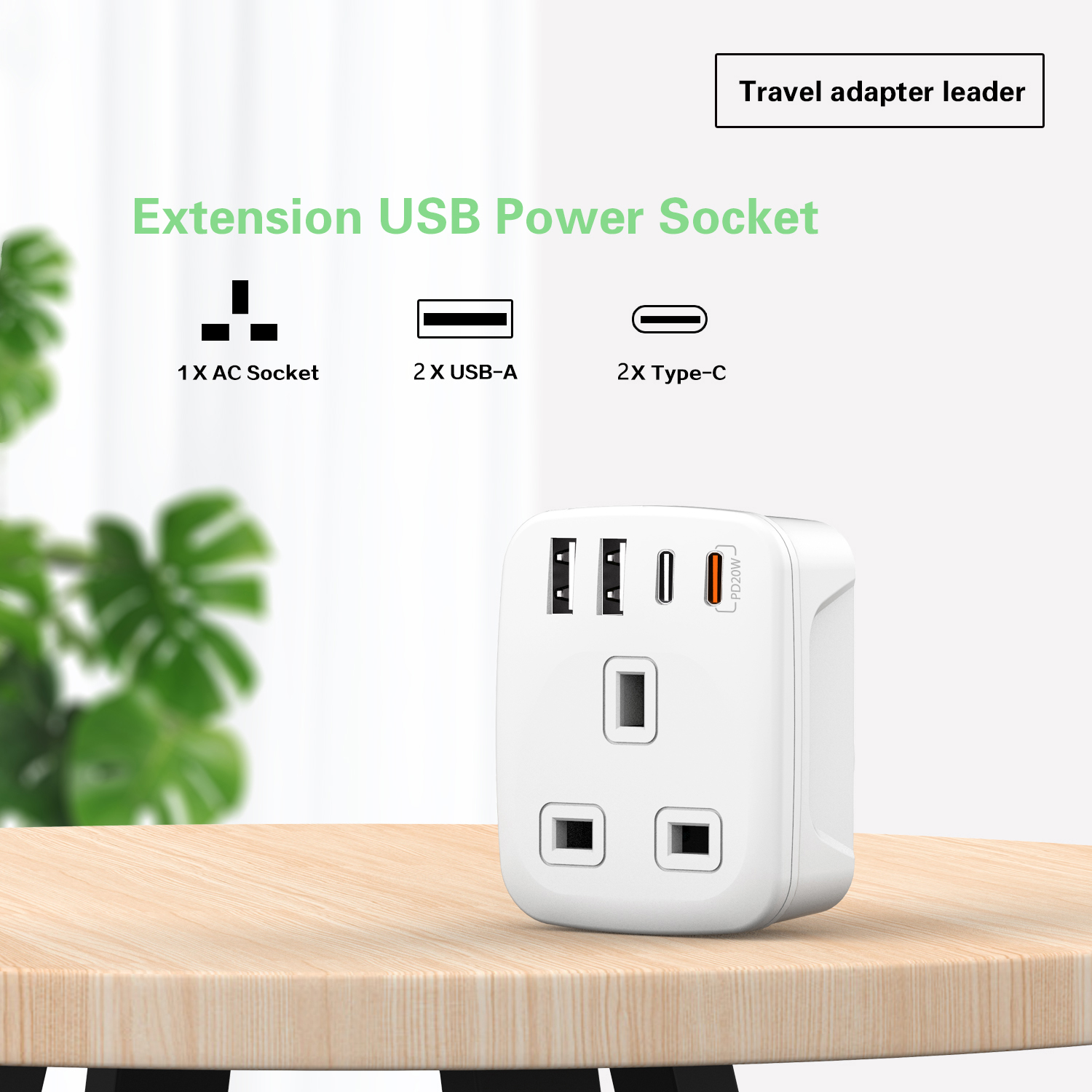
The global portable power landscape is witnessing a structural transformation. Buyers are no longer purchasing passive, mechanical pin adapters in isolation. The integration of Gallium Nitride (GaN) semiconductor fast-charging modules directly into travel adapters and architectural flush-mounted wall receptacles is now the primary driver of market growth. GaN technology enables significantly higher switching frequencies and superior thermal conductivity compared to traditional silicon MOSFETs, allowing compact 45W, 65W, and 100W multi-port USB-C architectures to fit inside travel-friendly housings.
European Union directives mandating USB Type-C as the unified charging interface across handheld devices and notebooks have solidified this trend. International buyers are specifying modular designs featuring independent DC charging circuitry that complies with IEC 62368-1 safety standards alongside traditional IEC 60884-1 socket protocols. Multi-port power management with dynamic allocation allows an adapter to simultaneously power an ultrabook via PD 65W USB-C, charge mobile peripherals via dual USB-A ports, and pass full 16A AC power through to heavy appliances—such as electric kettles or hairdryers—without overheating or power interruptions.
Distributors and importers cannot afford customs delays or market surveillance recalls resulting from incomplete documentation. Legitimate export of Schuko equipment to EU member states requires rigorous documentation that exceeds basic low-voltage self-declarations. In Germany, products are assessed under DIN VDE 0620-1 and DIN 49440/49441; in the Netherlands, KEMA-KEUR testing applies; and throughout the wider EU, CE marking backed by independent third-party laboratory verification (such as TÜV Rheinland, SGS, or Intertek) is standard practice.
Every batch leaving Haxli's Guangzhou facility is matched with verified test reports covering both safety and environmental compliance. Our materials comply fully with RoHS (Restriction of Hazardous Substances) directives and REACH chemical registration requirements, preventing the use of hazardous plasticizers, lead, or halogenated flame retardants in compliance with modern European environmental standards.
Verified manufacturing floor space, custom tooling development, and comprehensive in-house mechanical and electrical stress testing.
Operating a modernized 10,000㎡ plant in Xintang Town, Guangzhou, with 200+ trained workers, 10 automated lines, and a verifiable history of supplying Fortune 500 procurement contracts.
From initial 2D/3D industrial CAD design and 3D resin prototyping to high-precision steel injection molds, we support bespoke shell profiles, company branding, and private retail packaging.
Our facility runs glow-wire ignition testing (up to 850°C), mechanical withdrawal force analysis, aging endurance tests, hi-pot dielectric tests, and video measuring system (VMS) dimensional checks.