High-Performance European & International Power Solutions
Direct factory supply of certified European wall sockets, travel power converters, and high-density GaN charging hubs engineered for telecommunications, hospitality, corporate offices, and consumer electronics distributors.
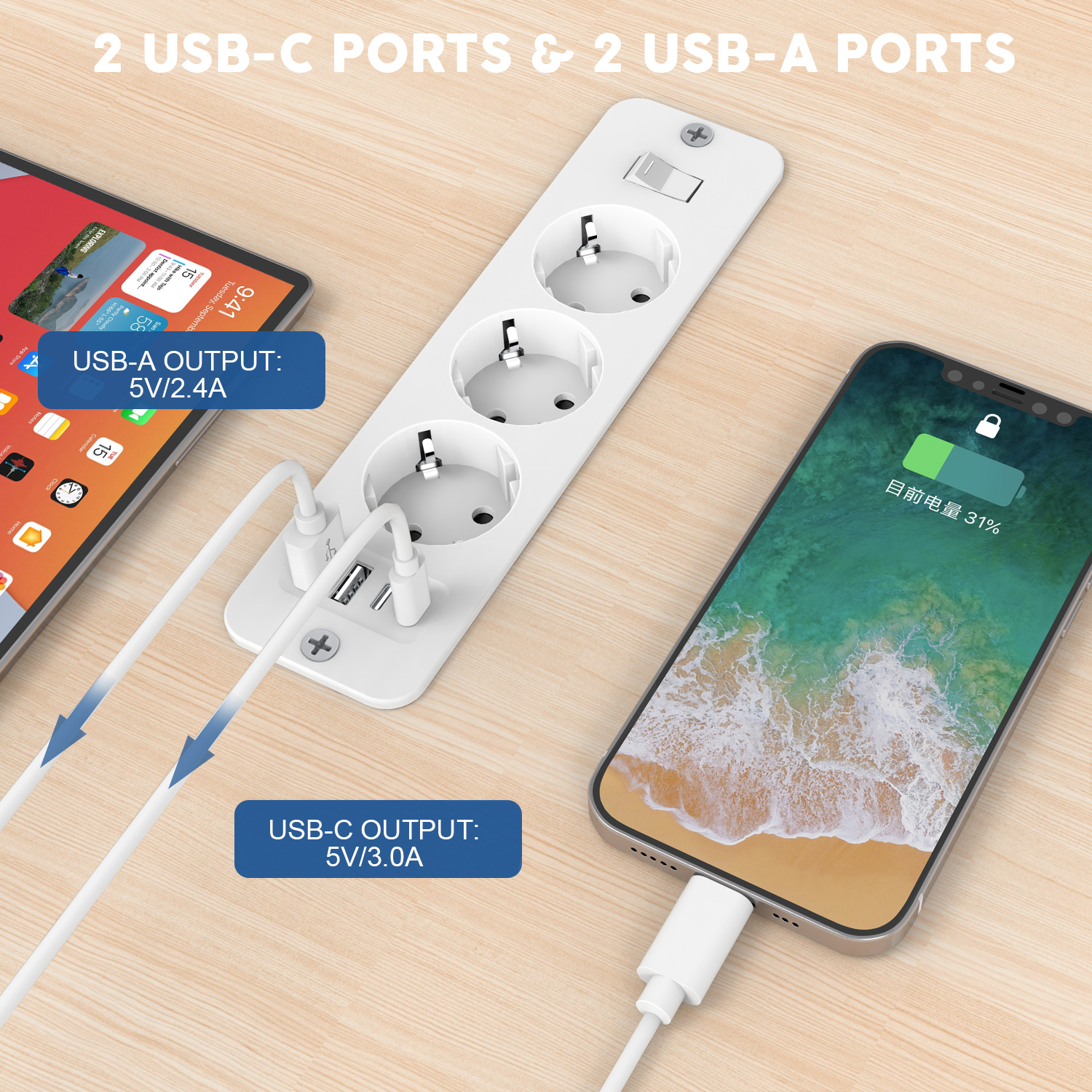
Hidden Recessed Table Power Socket 3 Way EU Plug Outlets USB C Desktop Pop Up
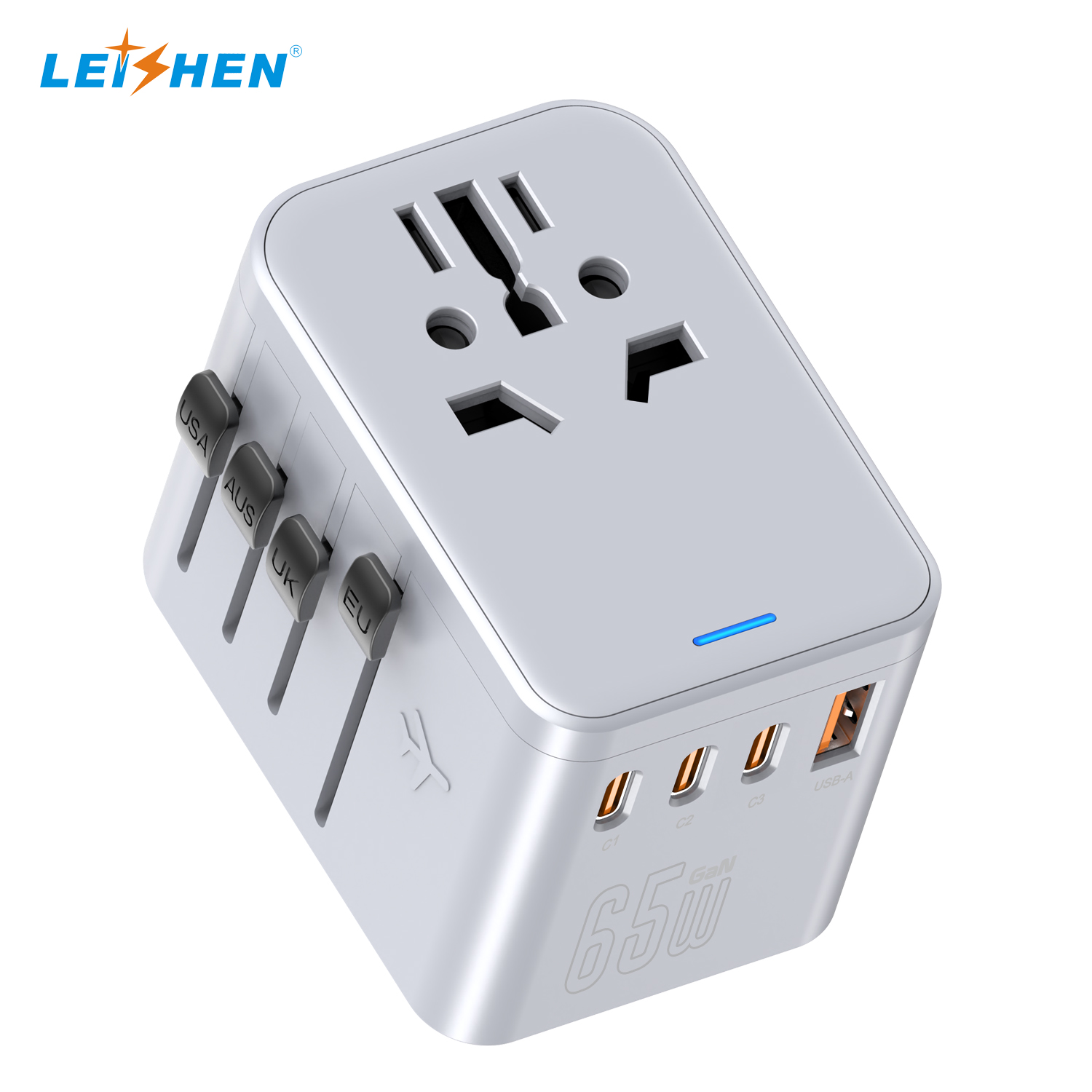
65W PD International 2025 All-in-One Universal Travel Adapter 3 USB-C Copper
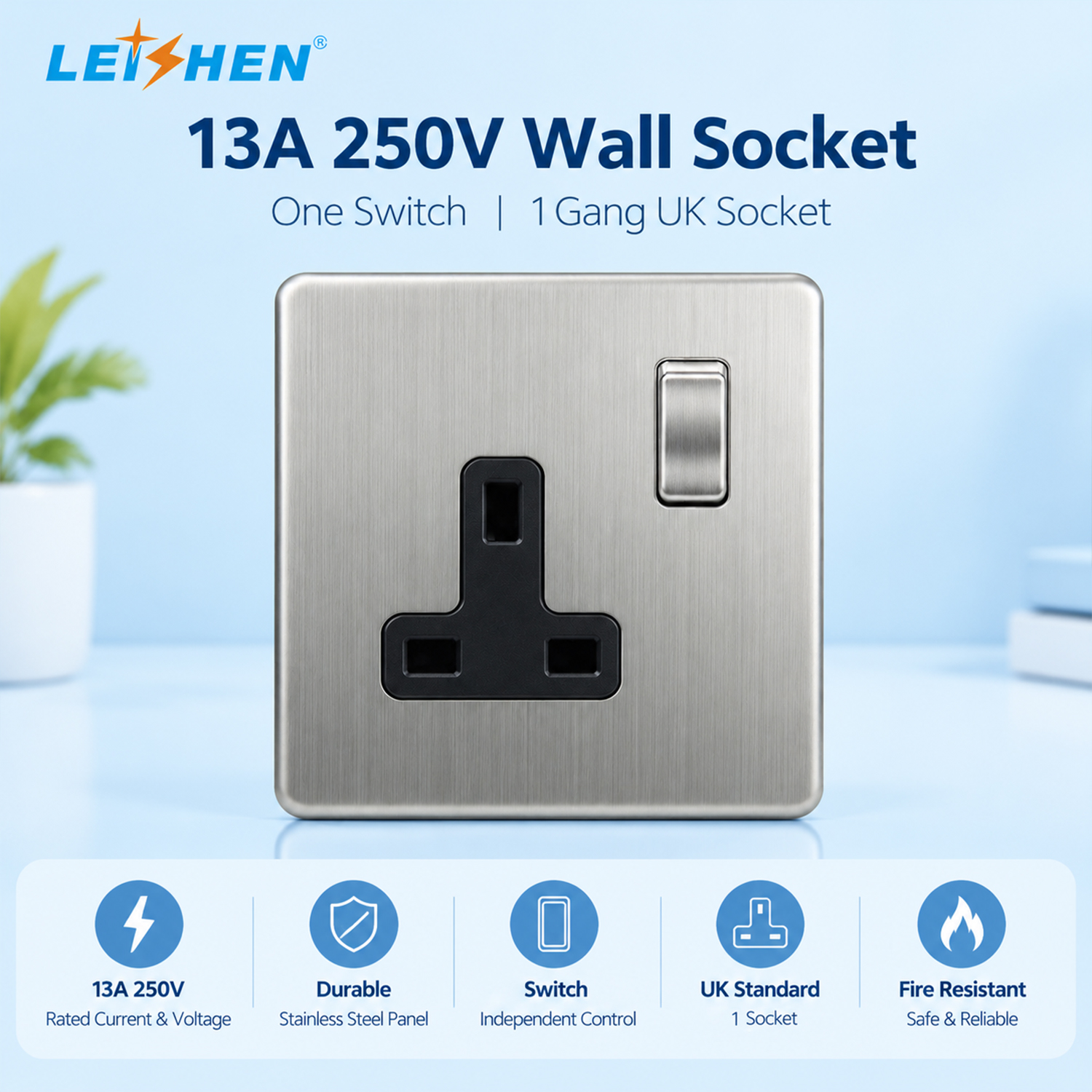
BS1363 UK Standard 1 Gang 13A Switched Wall Socket Brushed Stainless Steel
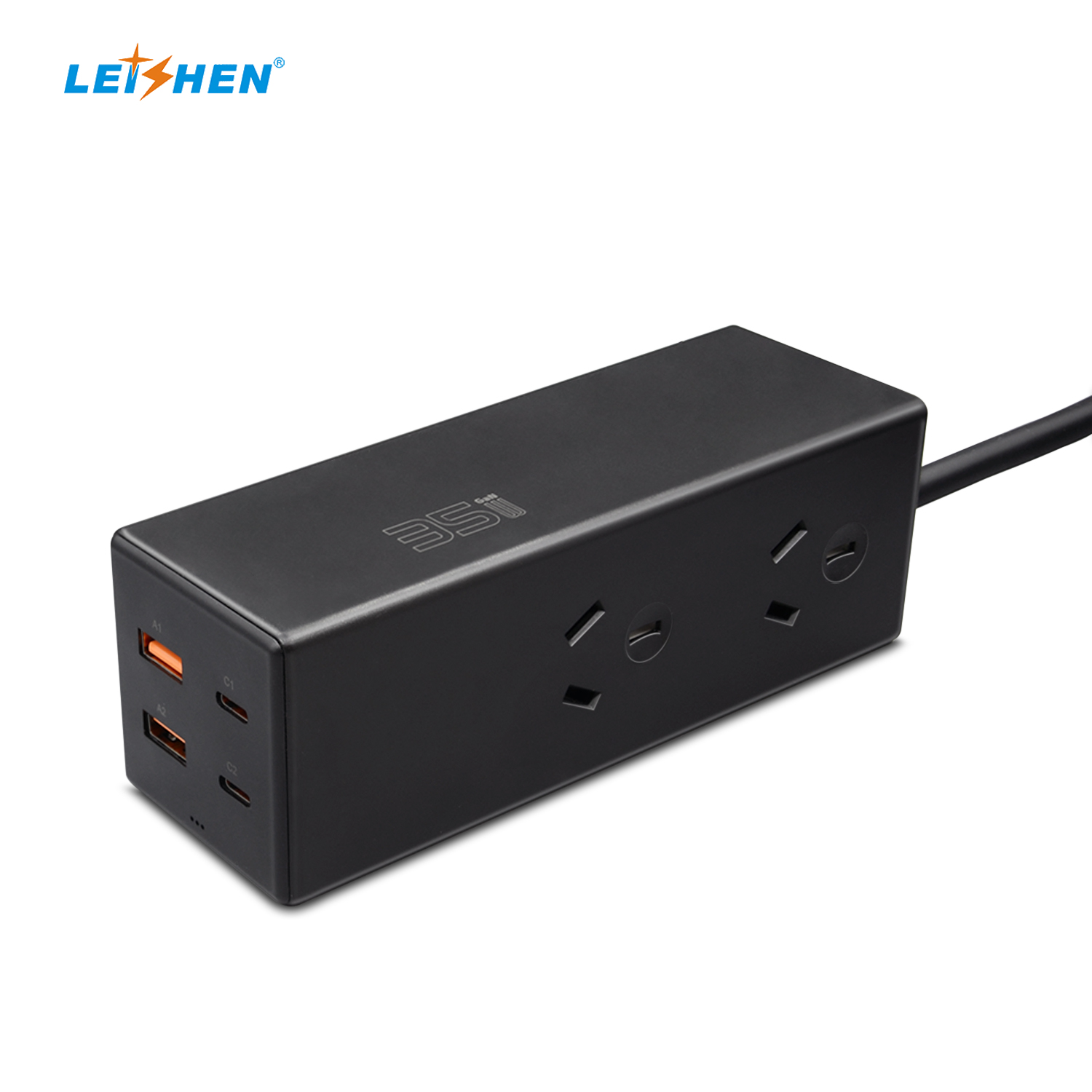
OEM Gallium Nitride Copper 10A Universal AU Plug Power Strip 4 Outlets 2C+2A
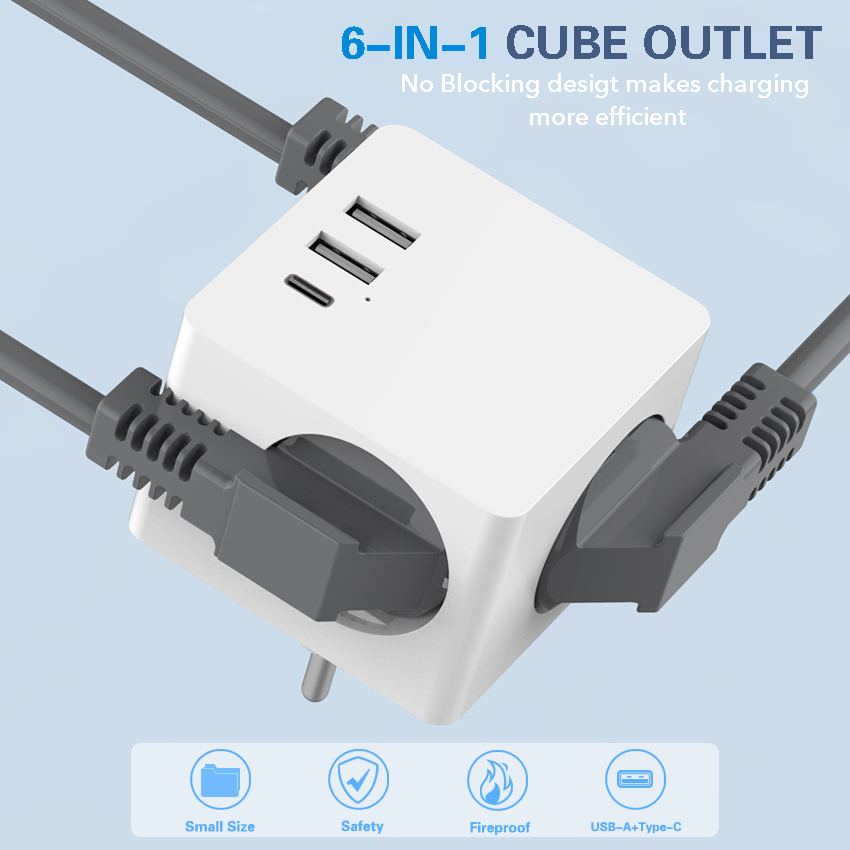
Ready to Ship PD25W Fast Charging 5-in-1 Cube USB Travel Adapter KEMA CE ROHS
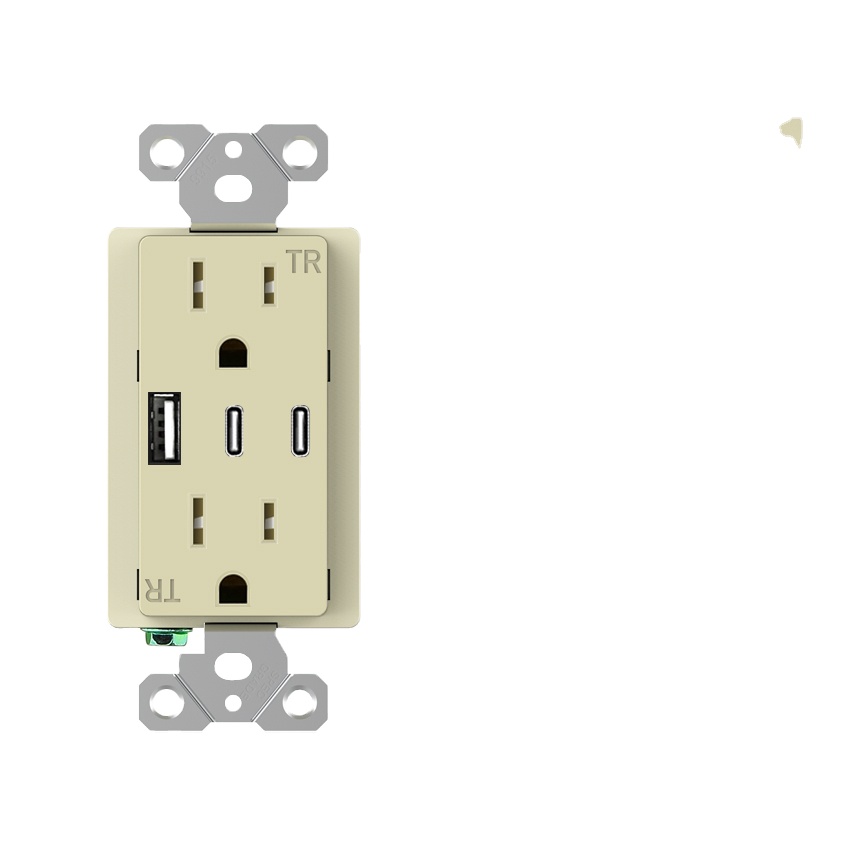
15A/20A ETL Listed PD 36W Tamper Resistant Receptacle Outlets Dual Type C & A
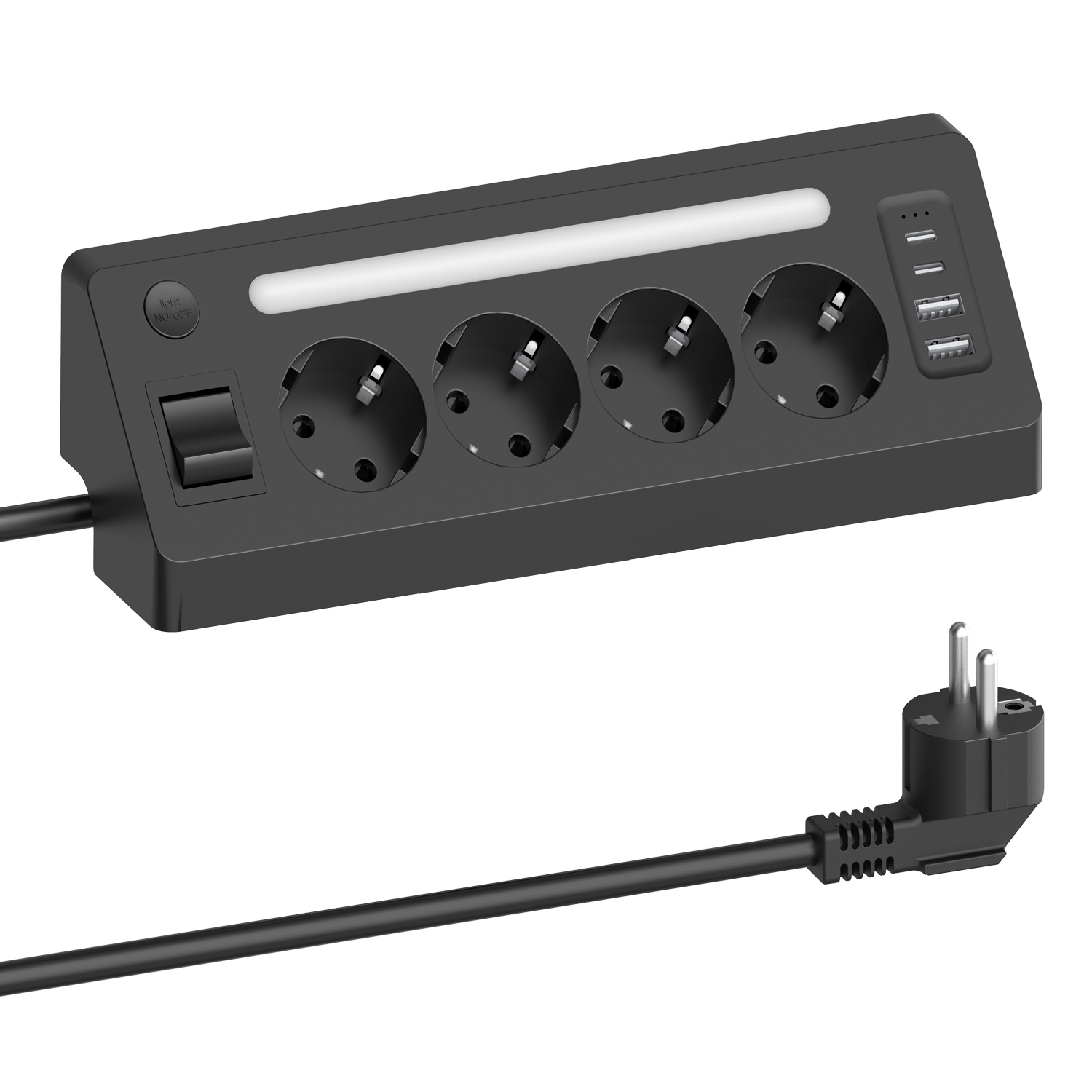
LED Overload Protection Schuko Plug Extension Cord 4 Outlets EU Power Strip
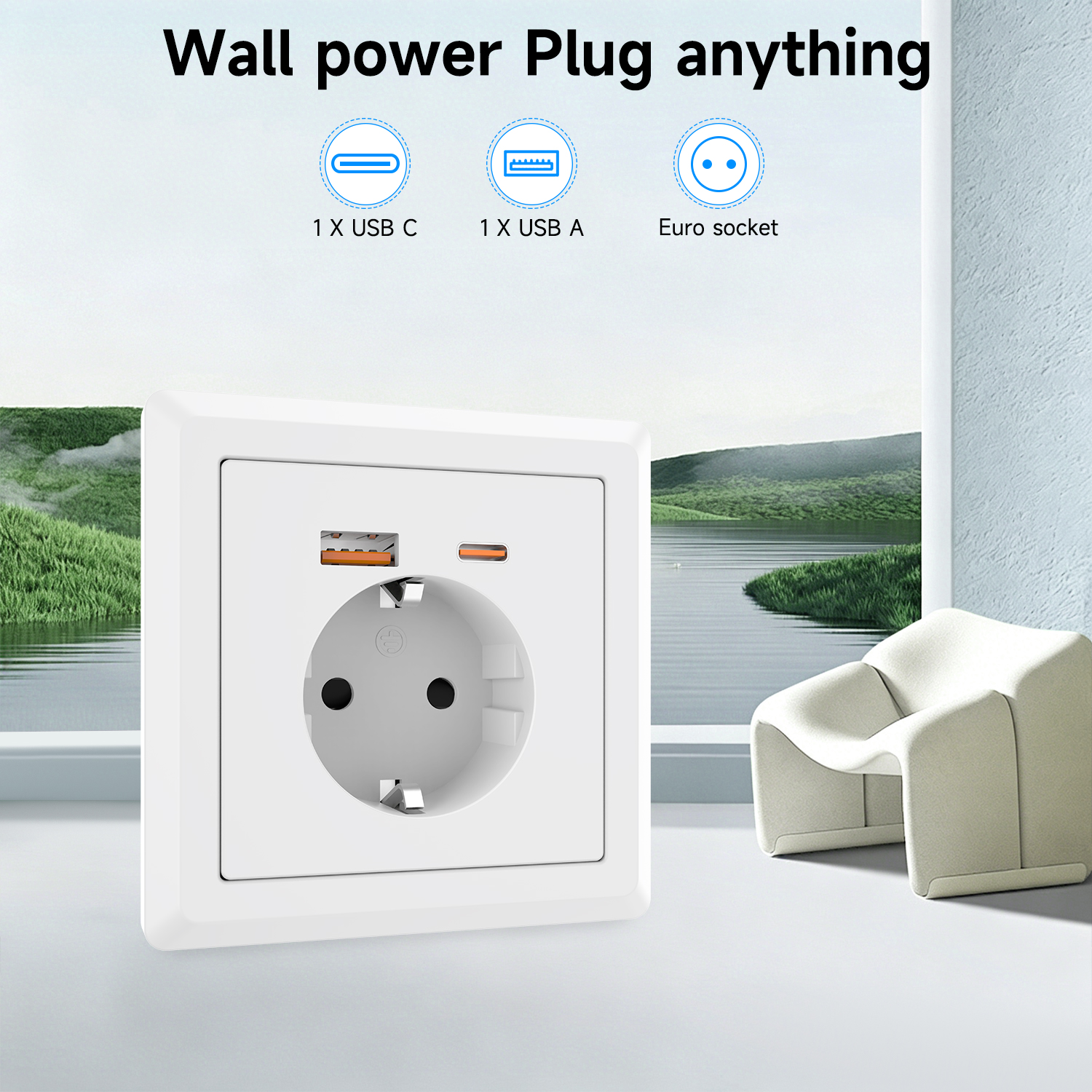
LEISHEN CE Certified EU Wall Socket 250V 16A USB Type-C Customized Outlet A+C
Navigating European Harmonized Standards: CEE 7, IEC 60884 & EN 62368-1
Understanding the critical electro-mechanical tolerances, creepage clearances, and fire-retardancy metrics required to clear European Customs inspection and ensure product liability immunity.
Dielectric Isolation & Pin Clearances
Under IEC 60884-1 and EN 62368-1, European plug adapters demand strict high-potential withstand voltages (>3,000V AC for 60 seconds between primary live pins and user-accessible outer chassis). Our tooling enforces strict primary-to-secondary creepage gaps exceeding 6.4mm, preventing arc-over even under condensation-prone atmospheric conditions.
- Dielectric breakdown protection: Up to 3,750V AC
- Creepage and clearance margins: >6.4mm
- Earth continuity ground resistance: <0.05Ω
Contact Retention & Thermal Dissipation
Substandard adapters cause electrical fires due to high contact resistance and metal fatigue. We utilize phosphor bronze (CuSn6 / QSn6.5-0.1) spring contacts treated with oxidation-inhibiting nickel flash. This ensures extraction force stays within the mandatory 10N to 50N threshold across more than 10,000 full insertion and withdrawal cycles.
- Alloy composition: Premium Phosphor Bronze (CuSn6)
- Insertion durability: Tested to 10,000+ mechanical cycles
- Temperature rise limitation: <45K at full 16A continuous load
UL94-V0 Resin & 850°C Glow-Wire Integrity
European Union Low Voltage Directive (LVD 2014/35/EU) prohibits the use of low-grade recycled plastics that drip flaming particles during electrical overload. Every Haxli structural housing employs Bayer/Sabic virgin polycarbonate engineered to withstand 750°C (non-attended) and 850°C (contact-adjacent) glow-wire exposure tests per IEC 60695-2-11.
- Flame retardancy classification: Self-extinguishing UL94-V0
- IEC 60695-2-11 Glow-wire test index: 750°C to 850°C
- Vicat softening point temperature: >135°C
Professional Engineering Insight for Procurement Teams: When specifying OEM European plug adapters (CEE 7/4 Schuko, CEE 7/5 French, or CEE 7/16 Europlug), ensure your Bill of Materials (BOM) specifies uncompromised 4.8mm solid brass pins rather than hollow stamped sleeves. Hollow pins deform under high lateral extraction torque, causing contact arcing within German and Scandinavian deep wall sockets.
| Standard Topology | Plug Type Reference | Rated Voltage / Current | Key Markets | Critical Engineering Focus |
|---|---|---|---|---|
| German Schuko | CEE 7/4 (Type F) | 250V AC / 16A Max | Germany, Austria, Netherlands, Sweden, Spain | Dual lateral grounding clips; 4.8mm solid cylindrical pin alignment. |
| French Standard | CEE 7/5 (Type E) | 250V AC / 16A Max | France, Belgium, Poland, Czech Republic, Slovakia | Female aperture grounding pin receiver; high spring-retention tolerances. |
| Hybrid EU CEE 7/7 | CEE 7/7 (Universal EU) | 250V AC / 16A Max | Pan-European Commercial & Industrial | Dual-compatibility chassis (Schuko side clips + French earthing hole). |
| Europlug | CEE 7/16 (Type C) | 250V AC / 2.5A Max | All Continental Europe (Class II Low Power) | 4.0mm tapered insulated sleeves preventing finger contact during insertion. |
| Swiss Standard | SN 441011 (Type J) | 250V AC / 10A - 16A | Switzerland, Liechtenstein | Hexagonal profile with offset center grounding pin; tight recessed cavity fit. |
| Italian Standard | CEI 23-50 (Type L) | 250V AC / 10A & 16A | Italy, Chile, Uruguay | In-line tripartite pin structure with insulated sleeves on outer live prongs. |
2025–2030 European Power Hardware Sourcing & Tech Trends
The convergence of European regulatory mandates, semiconductor breakthroughs, and environmental legislation is fundamentally transforming the plug adapter and socket manufacturing landscape.
1. GaN III Power Delivery Integration
Bulk standalone AC/DC "wall warts" are rapidly being displaced by ultra-compact universal adapters integrating GaN (Gallium Nitride) ICs. Brand distributors are replacing traditional copper wound transformers with high-frequency GaN semiconductors, allowing 65W to 140W USB-C PD outputs inside standard pocket travel adapter footprints without excessive thermal buildup.
- High power density exceeding 1.2W/cm³
- Dynamic power allocation across multiple USB-C ports
- Standby power dissipation <30mW (CoC Tier 2 compliant)
2. EU Common Charger Directive (2022/2380)
Directive (EU) 2022/2380 officially mandates USB Type-C charging receptacles across mobile phones, tablets, cameras, and laptops sold in the EEA. B2B purchasers must audit their adapter product portfolios to sunset legacy USB-A only SKUs in favor of high-amperage, dual or triple USB-C PD 3.0/PPS enabled terminal designs.
- Full adherence to EN IEC 62680-1-2 / USB PD protocols
- Universal cross-compatibility across all European hardware
- Elimination of proprietary charging chips in favor of open protocols
3. Decarbonization, PCR Plastics & EPR
Under evolving Corporate Sustainability Due Diligence Directive (CSDDD) rules, major European retailers prioritize vendors providing verified Life Cycle Assessments (LCA). Sourcing contracts are transitioning to Post-Consumer Recycled (PCR) polycarbonates (30% to 75% PCR blends) and plastic-free soy-ink packaging that reduces Extended Producer Responsibility (EPR) recycling tariffs.
- Halogen-free, RoHS 3 (EU 2015/863) & REACH certified
- High-strength virgin/PCR blended flame retardant shells
- Zero-single-use-plastic retail packaging workflows
Why Tier-1 Importers Partner with Guangzhou Haxli
A direct look into our 10,000㎡ vertically integrated manufacturing campus in Xintang Town, Guangzhou — audited onsite by SGS and proven by multi-million-dollar supply agreements with Fortune 500 procurement networks.
Full-Cycle OEM/ODM Tooling & Prototyping
Unlike trading intermediaries, Haxli maintains an in-house tooling and industrial design team capable of taking custom socket and adapter concepts from CAD modeling to physical 3D functional prototypes within 48 to 72 hours. We control high-precision injection molds, multi-cavity hot-runner systems, and automated terminal stamping equipment to ensure dimensional accuracy down to ±0.02mm.
- In-house CNC mold-making and high-speed EDM tooling
- 3D SLA/SLS functional rapid prototyping for tactile approval
- Private-label laser engraving, pad printing, and custom colors
- Dedicated low-run pilot batch lines for risk-free market validation
State-of-the-Art In-House Compliance Test Lab
Every single production batch undergoes 100% automated electrical continuity testing, high-temperature load burn-in, and stringent laboratory screening. Our factory test lab mimics the exact test regimes utilized by TÜV Rheinland, VDE, and KEMA, guaranteeing that samples sent for third-party certification pass on their initial submission without costly mold rework.
- Complete traceability through serialized batch lot records
- Multi-channel AC electronic load aging racks running under 40°C
- Automated Video Measuring Systems (VMS) verifying plug pin geometry
- AQL 0.65 Major / 1.0 Minor final pre-shipment quality gates
In-House Reliability & Safety Test Infrastructure
Frequently Asked Questions by Professional B2B Buyers
Direct, transparent answers addressing regulatory liability, minimum order thresholds, custom tooling expenses, and factory testing protocols.
? What are the essential European certifications required before importing plug adapters into the EU?
To clear customs in the European Economic Area (EEA), all plug adapters must carry the CE mark based on compliance with the Low Voltage Directive (LVD 2014/35/EU), Electromagnetic Compatibility Directive (EMC 2014/30/EU), and RoHS 3 (EU 2015/863). Furthermore, active USB chargers must comply with EN IEC 62368-1 (safety) and EN 55032 / EN 55035 (EMC emissions and immunity). Sockets intended for fixed architectural installation must also adhere to national standards, such as DIN VDE 0620-1 for Germany or NF C 61-314 for France. Haxli provides verified third-party laboratory test reports and declarations of conformity before order placement.
? What are your Minimum Order Quantities (MOQ) for custom OEM branding vs. off-the-shelf items?
For catalog models and Ready-to-Ship (RTS) stock units, our MOQ starts as low as 100 to 500 pieces, enabling distributors to run rapid market trials. For private-label OEM orders requiring custom laser logo engraving, pantone matched housing plastics, and tailored retail packaging boxes, the standard threshold is typically 1,000 to 2,000 units. For complete ODM custom tooling projects (bespoke outer molds, internal PCB layout, and mechanical design), MOQ thresholds are calculated according to mold amortization, normally starting around 5,000 pieces.
? How does your factory prevent socket contact fatigue and overheating over long-term use?
We reject cheap recycled brass (H59) or scrap iron clips that lose spring retention after repeated cycles. We engineer all primary current-carrying busbars and contacts from premium phosphor bronze (CuSn6) or high-grade H65 copper alloys. These contacts undergo specialized heat-treatment annealing to preserve elastic memory. Our in-house QC laboratory subjects every batch to continuous 16A/250V load tests where ambient temperature rise must remain below 45K, and automated testing rigs verify plug withdrawal force across 10,000 full insertions.
? Can Haxli handle ODM engineering for dual-standard CEE 7/7 hybrid products?
Yes. Our engineering division specializes in hybrid European CEE 7/7 socket and plug mechanisms that seamlessly service both German Schuko (CEE 7/4) side-clip earth ground systems and French (CEE 7/5) protruding pin earth arrangements. This dual-compatibility design significantly reduces SKU fragmentation for multinational retailers by allowing a single SKU to be distributed legally across France, Germany, Belgium, the Netherlands, Spain, Austria, and beyond.
? What is your typical production lead time for sea freight and air express shipments?
For existing tooling catalog models, standard production turnaround is 15 to 25 business days from final deposit receipt and artwork approval. Expedited production is available for repeat high-volume container consignments. For newly developed OEM/ODM molds, tooling fabrication and 3D T1 sample sign-off typically requires 30 to 45 calendar days, followed by certification test sample submission.
? How does Haxli support European distributors in meeting WEEE and Extended Producer Responsibility requirements?
We actively assist our overseas distributors by providing comprehensive material breakdown sheets, polymer classification labeling per ISO 11469, and certified gross/tare weight documentation required for European packaging registers (such as LUCID in Germany or CITEO in France). All components are strictly lead-free, cadmium-free, and comply with REACH Regulation (EC No 1907/2006) Candidate List of Substances of Very High Concern (SVHC).