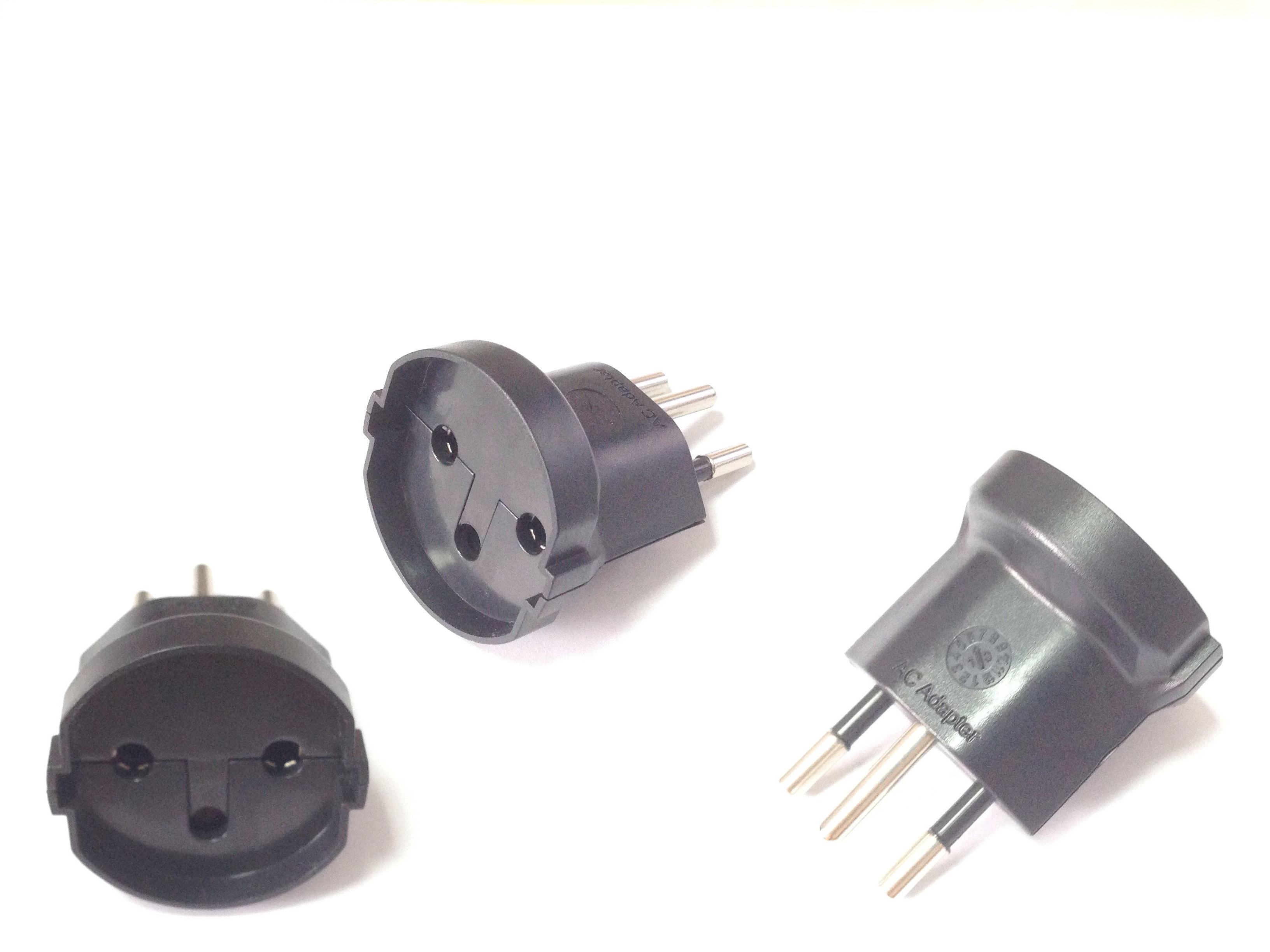
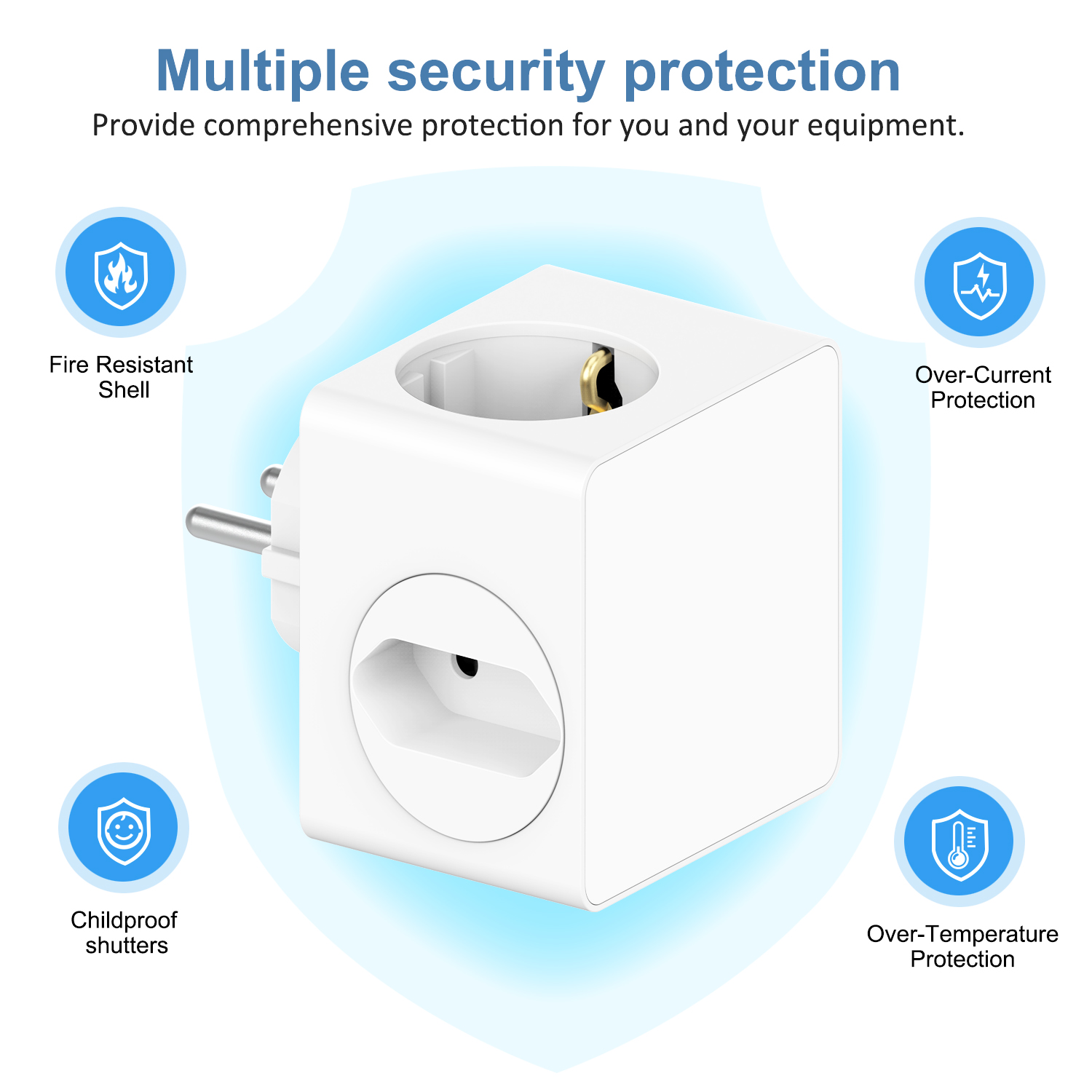
Leishen Factory SEV S+ Swiss Plug Adapter / Swiss Switzerland Adaptor Black/White
- Type J Swiss Spec Compliance
- Flame Retardant 750°C Shell
Precision-engineered models meeting global standards: CE, RoHS, FCC, UKCA, SAA, and NF compliance.
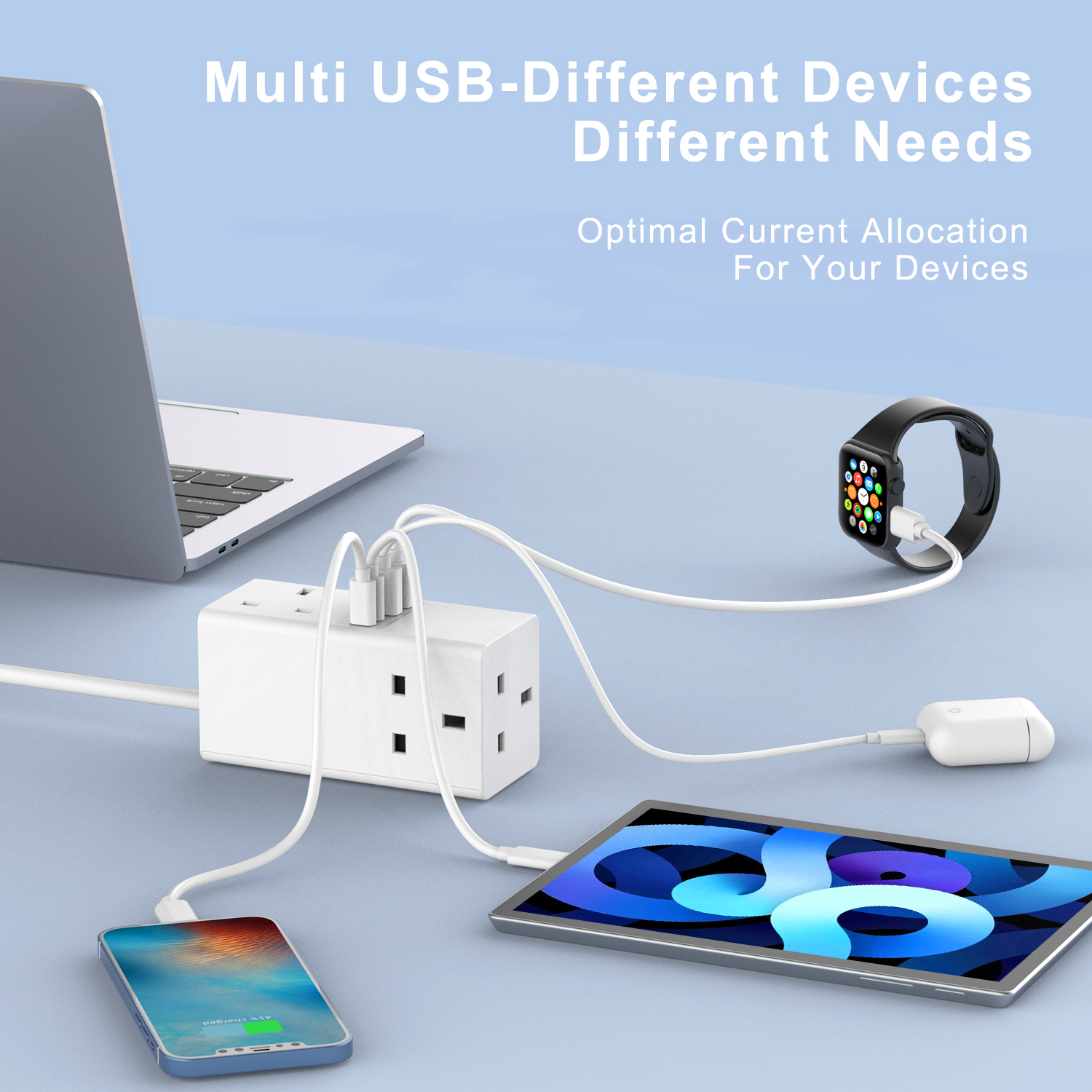
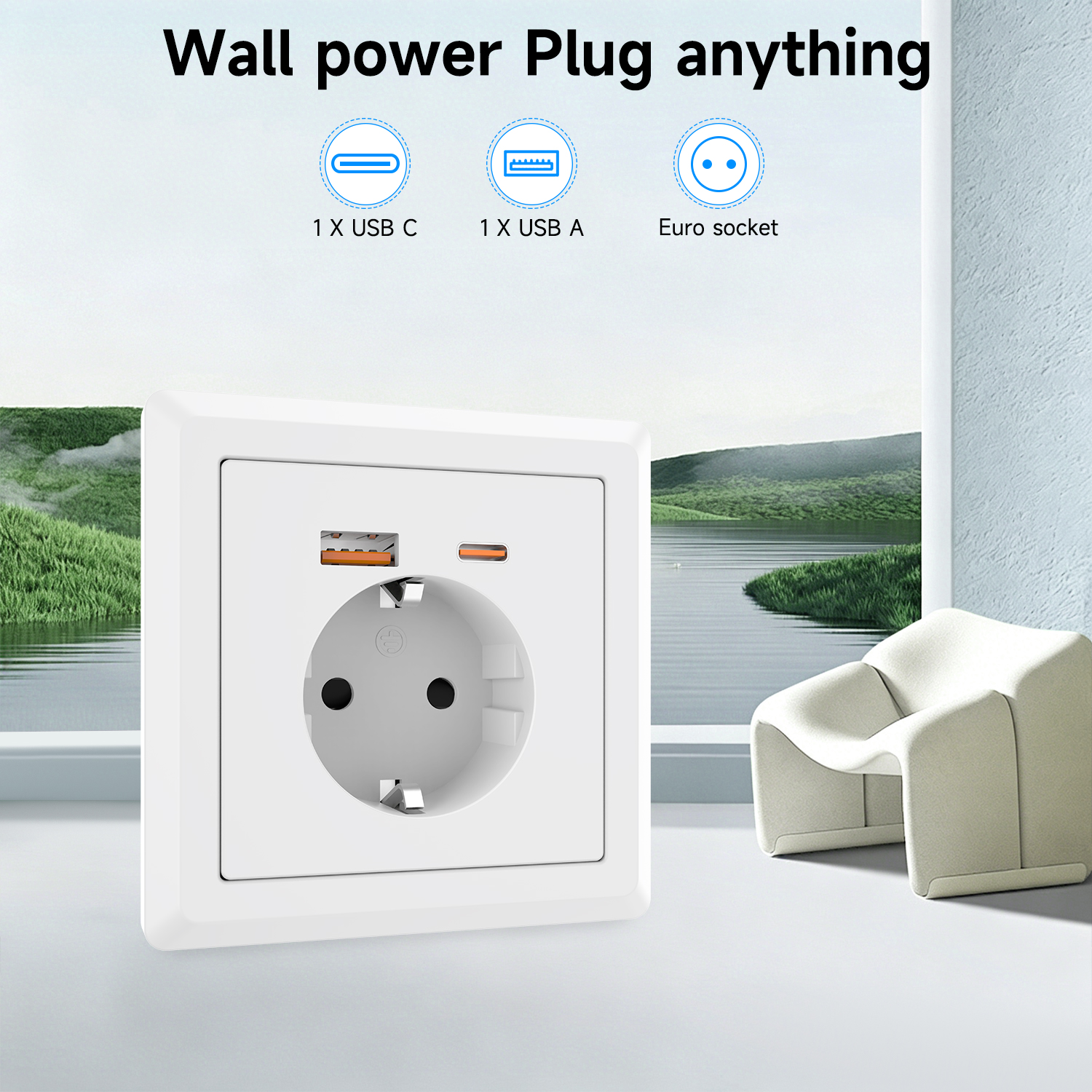
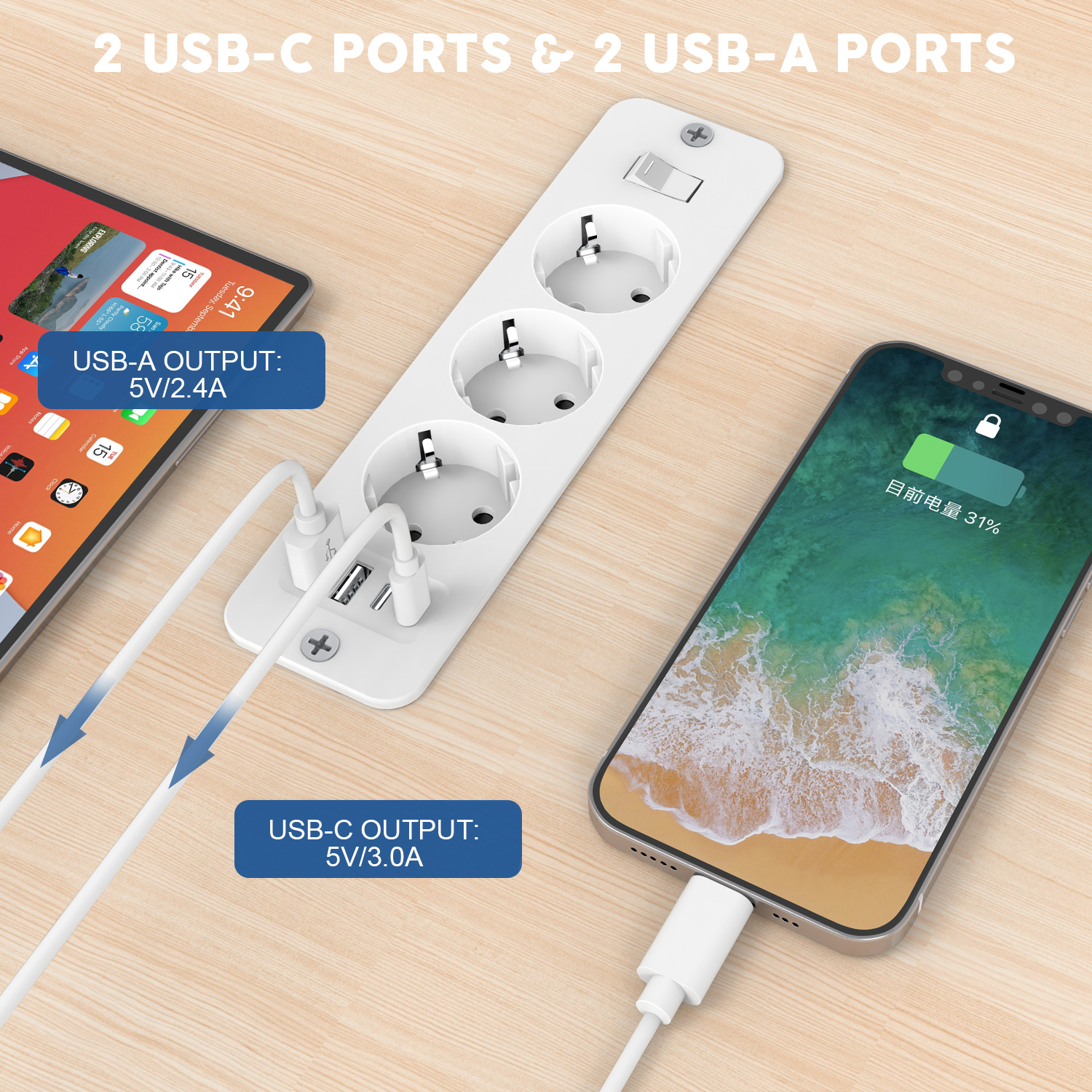
The international electrical accessory sector is experiencing an unprecedented structural transition. Driven by the convergence of multinational workplace mobility, universal consumer electronics charging mandates (including EU Directive 2022/2380 on Common Charger architecture), and the breakthrough density of wide-bandgap semiconductors, commercial buyers face rapid specification changes. Procurement teams cannot simply treat universal adapters as passive mechanical routing devices; modern devices are sophisticated power transformation hubs governed by strict electrical safety and thermal criteria.
Strategic purchasing managers across European, North American, and Australasian supply chains are establishing rigorous procurement vectors centered on four core capabilities:
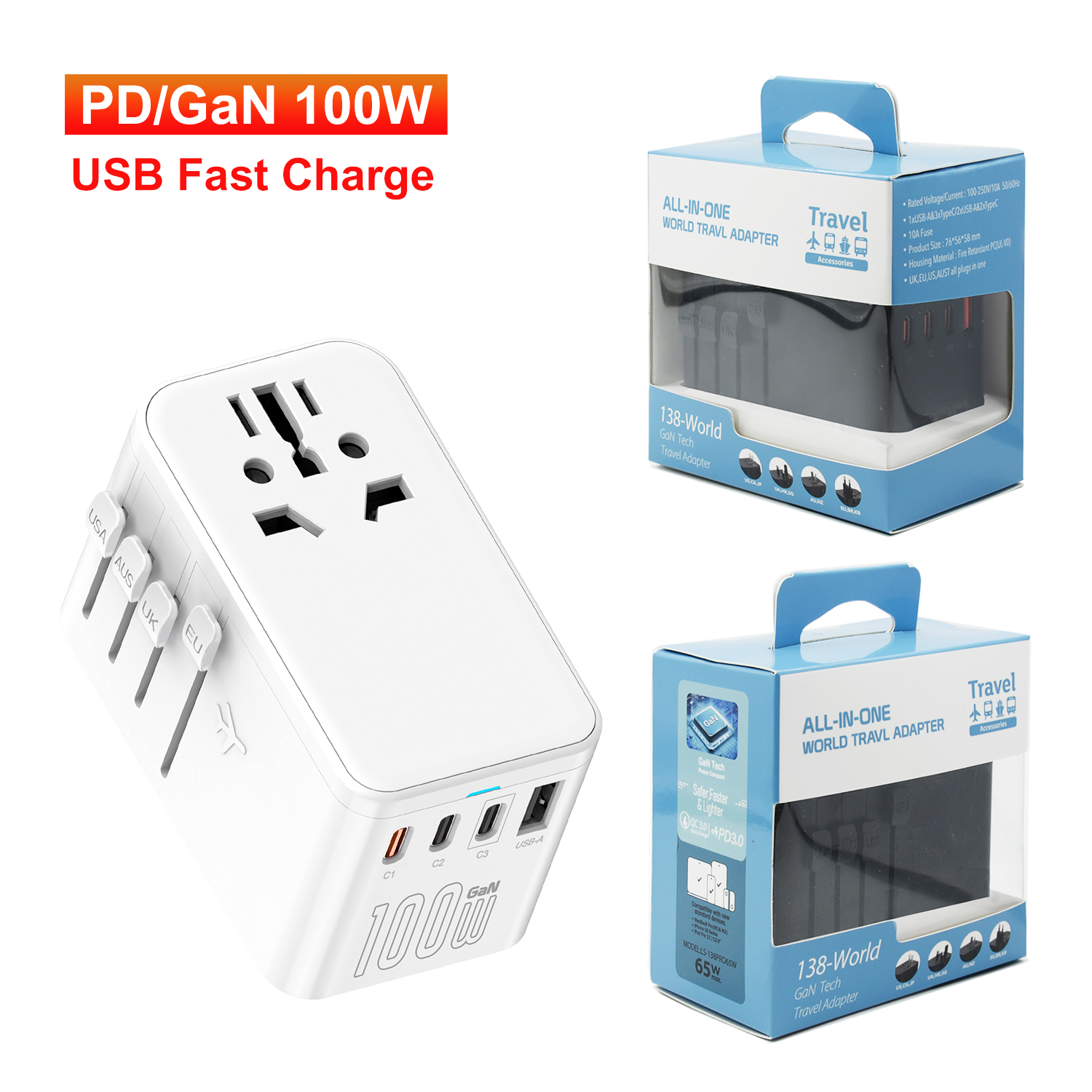
Buyers are shifting baseline configurations from legacy 18W–30W silicon switches directly to 65W, 70W, and 100W GaN matrices capable of charging high-draw laptops (MacBook Pro, Dell XPS) alongside peripheral accessories from a single socket interface.
Procurement specifications now frequently mandate intelligent MCU power slicing. When secondary ports are connected, current re-negotiation must avoid complete hard-resets, preventing transient device dropouts during commercial operation.
Importers face tightening customs scrutiny under IEC 60884-1, IEC 60884-2-5, and BS 8546 standards. Mandatory internal thermal cut-offs (NTC sensors) and dual-slider interlocking mechanisms prevent simultaneous pin extension, directly eliminating catastrophic electrocution hazards.
The transition from legacy copper-plate wiring to automated robotic stamping represents the single largest advancement in socket reliability. High-elasticity phosphor bronze contacts engineered with precision-formed single-piece busbars avoid internal solder-wire degradation, ensuring withdrawal retention force remains within standard limits (between 1.5N and 5.0N per pole) even after exceeding 5,000 connection cycles.
Moreover, housing polymer formulations have evolved. The industry baseline is moving away from basic ABS mixtures toward specialized Polycarbonate (PC) compounds rated at UL94-V0 flame retardancy with Glow Wire Flammability Index (GWFI) performance certified up to 850°C, addressing rigorous hospitality and commercial building codes worldwide.
Guangzhou Haxli Electric Technology operates dedicated testing suites to ensure real-world field endurance.
Every single manufactured unit undergoes 100% automated high-voltage dielectric isolation testing (up to 3,000V AC) to eliminate electric arc bridging risks between high-voltage mains and low-voltage charging rails.
PCBA charging modules run through continuous 4-hour burn-in cycles at 45°C ambient temperature under maximum nominal amperage, eliminating early-life component failures before final assembly packaging.
Automated mechanical actuators validate switch springs, shutter resistance, and pin retraction mechanisms across thousands of cycles under live electrical loads to simulate 10+ years of typical commercial deployment.
Direct manufacturer capabilities headquartered in Guangzhou's precision electronics cluster.
Longitudinal track record delivering OEM and ODM projects for global consumer brands, multinational hospitality operations, and Fortune 500 procurement programs.
10,000㎡ verified factory infrastructure housing proprietary tooling rooms, injection molding arrays, SMT placement lines, and finished goods warehouse facilities.
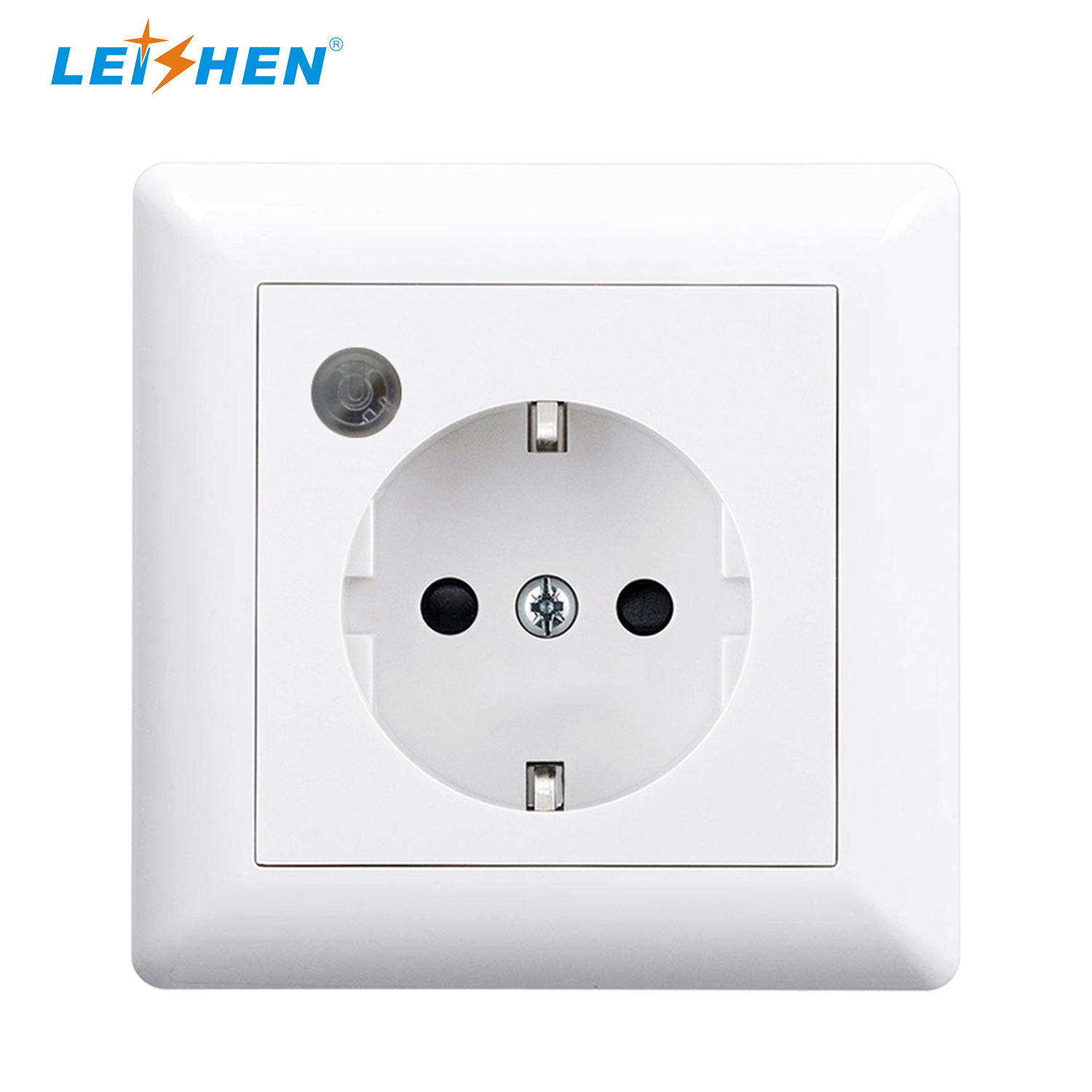
Full manufacturing toolsets for European Schuko (Type F), French NF (Type E), British BS1363 (Type G), Australian AS/NZS 3112 (Type I), Israeli SII 32 (Type H), and North American NEMA (Type B).
In-house industrial design teams and stereolithography (SLA) 3D modeling enable quick tactile ergonomic reviews prior to production tooling investments.
Straightforward operational, compliance, and logistical clarifications for global sourcing managers.
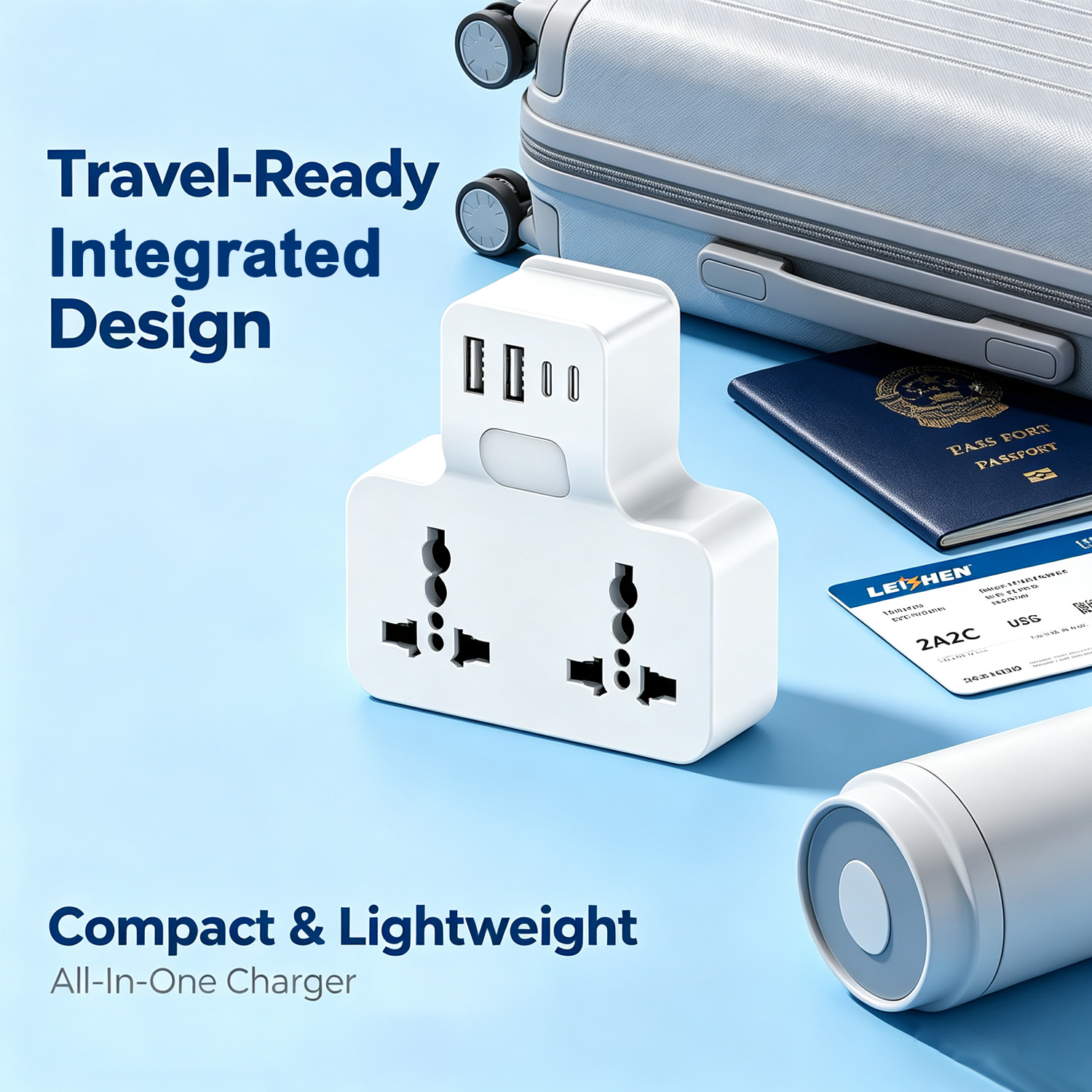
A travel adapter matches physical pin geometry between different regional socket wall standards (e.g., US flat pin to European round pin) without stepping voltage up or down. Connected devices must accept universal input voltages (100V–250V AC). If a client requires step-down voltage transformation (e.g., 230V down to 110V for domestic single-voltage appliances), an internal magnetic core or electronic switching transformer is required. We manufacture both standard multi-pin adapters and integrated fast-charging GaN DC supplies.
BS 8546 governs travel adapters intended for connection to UK electrical installations. Compliance requires precise dimensional limits on the Type G pin structure, functional shutter engagement, mandatory grounding continuity for grounded accessories, and an integrated thermal or replaceable cartridge fuse (typically 5A, 10A, or 13A rated according to BS 1362). Our adapters feature calibrated shutter interlocks, preventing single-pin foreign object insertion into the UK live poles.
For existing catalog models with custom pad printing, laser-engraved logos, and tailored retail packaging (gift box, hang-tag, or blister pack), our standard MOQ starts at 500 units. For customized housing colors (Pantone matched) or custom PCBA power configurations, standard MOQs are typically 1,000 to 2,000 units. Factory production lead times run between 20 and 30 business days following sample approval, with expedited 7-day turnarounds available on Ready to Ship (RTS) inventory stock.
Yes. We provide complete test certification packages ahead of commercial shipment dispatch. Reports include CE-LVD (Safety), CE-EMC (Electromagnetic Compatibility), RoHS 2.0 chemical analysis, FCC Part 15 subpart B documentation, and SAA certificates for Australia/New Zealand. Third-party factory audits by independent inspection firms (SGS, Intertek, TÜV Rheinland) are supported and welcomed on-site at our Guangzhou facility.
High-wattage GaN components (65W–100W) operate in constrained footprints. We solve localized thermal dissipation by using high-conductivity potting silicone around transformer inductors, paired with multi-layer copper PCB heat-sink planes and graphite thermal conduction sheets. These solutions keep housing surface temperatures comfortably below the safety threshold established by IEC 62368-1 standards during full-load charging.
Whether expanding your private-label retail line, designing a custom commercial wall module, or sourcing high-volume travel accessories, our engineering team is ready to review your specifications.