Smart Remote
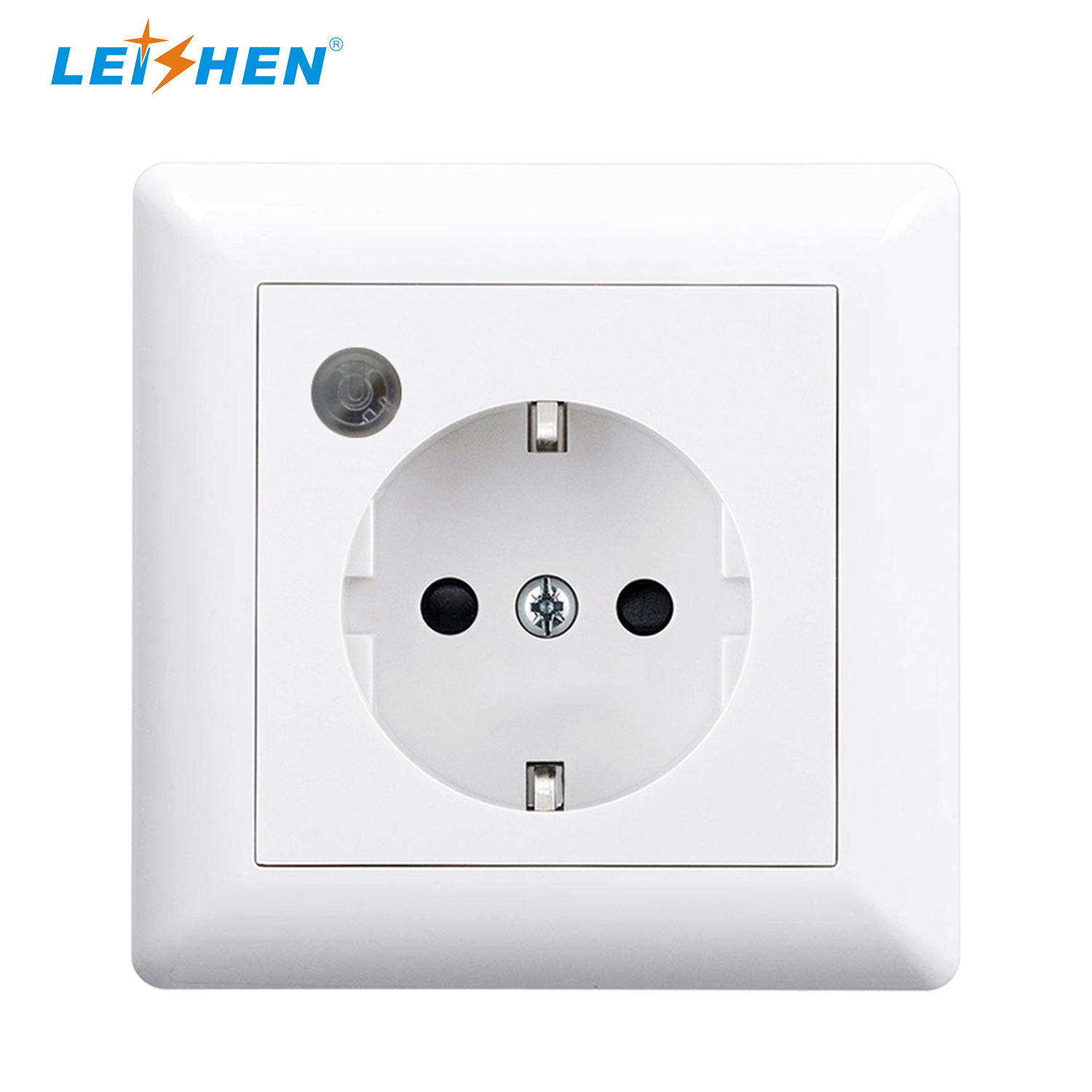
Precision-molded architectures featuring Gallium Nitride (GaN) fast-charging modules, certified contact geometry, and commercial-grade thermoplastic fireproof enclosures.
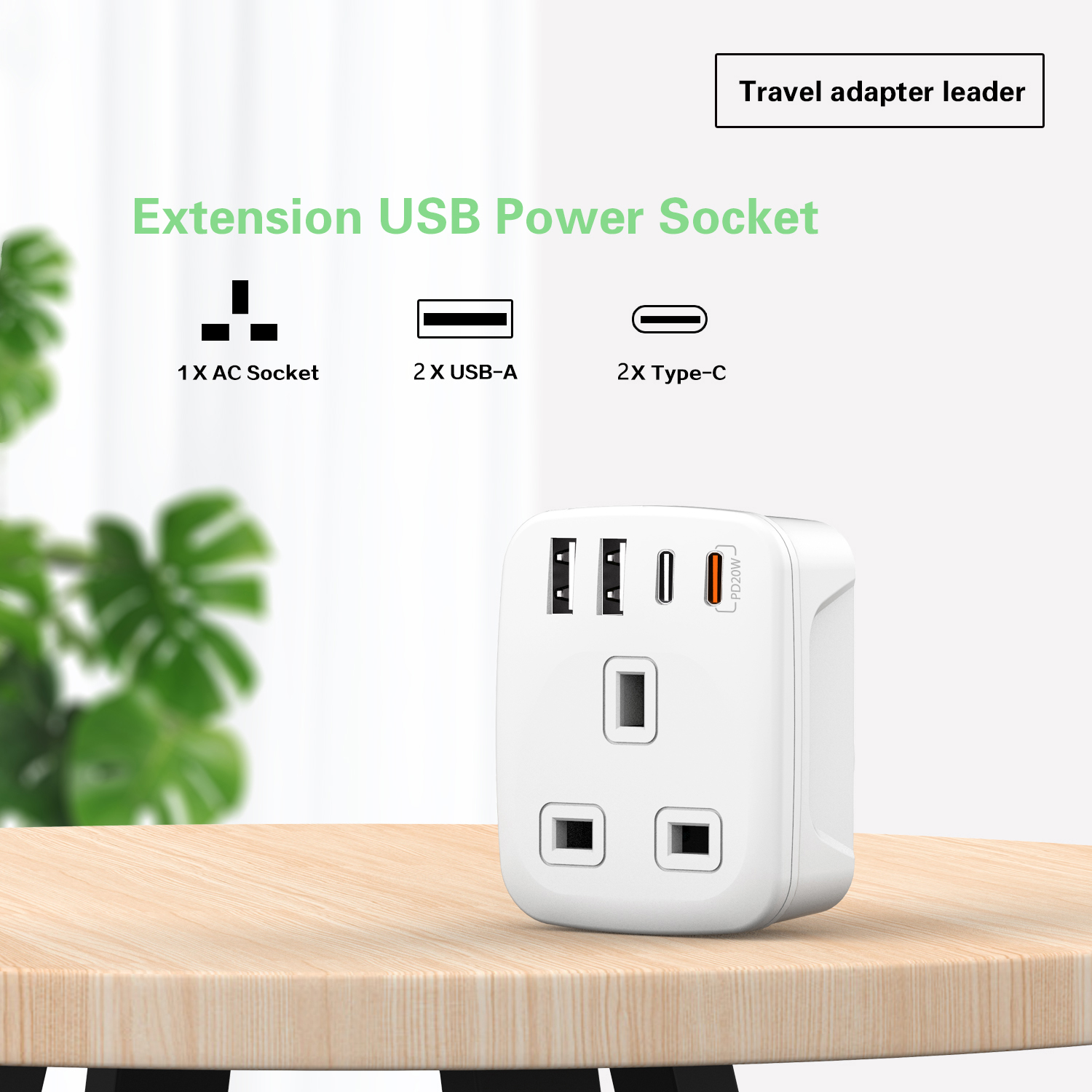
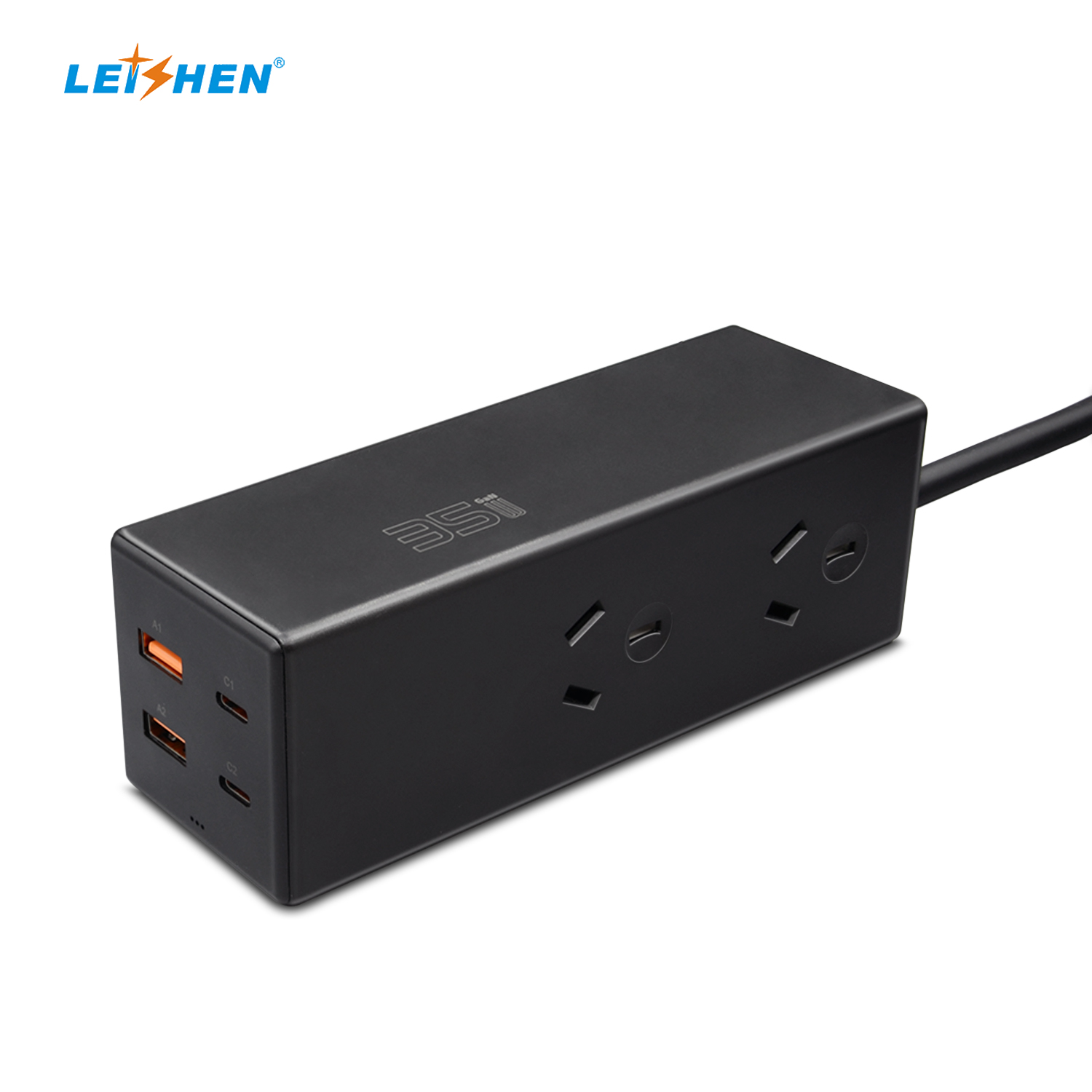
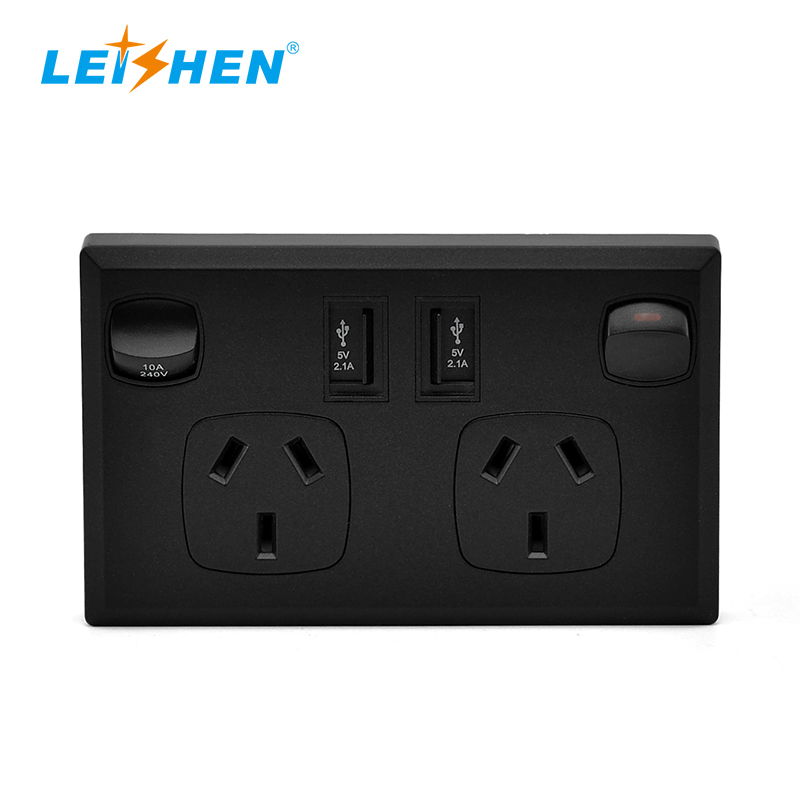

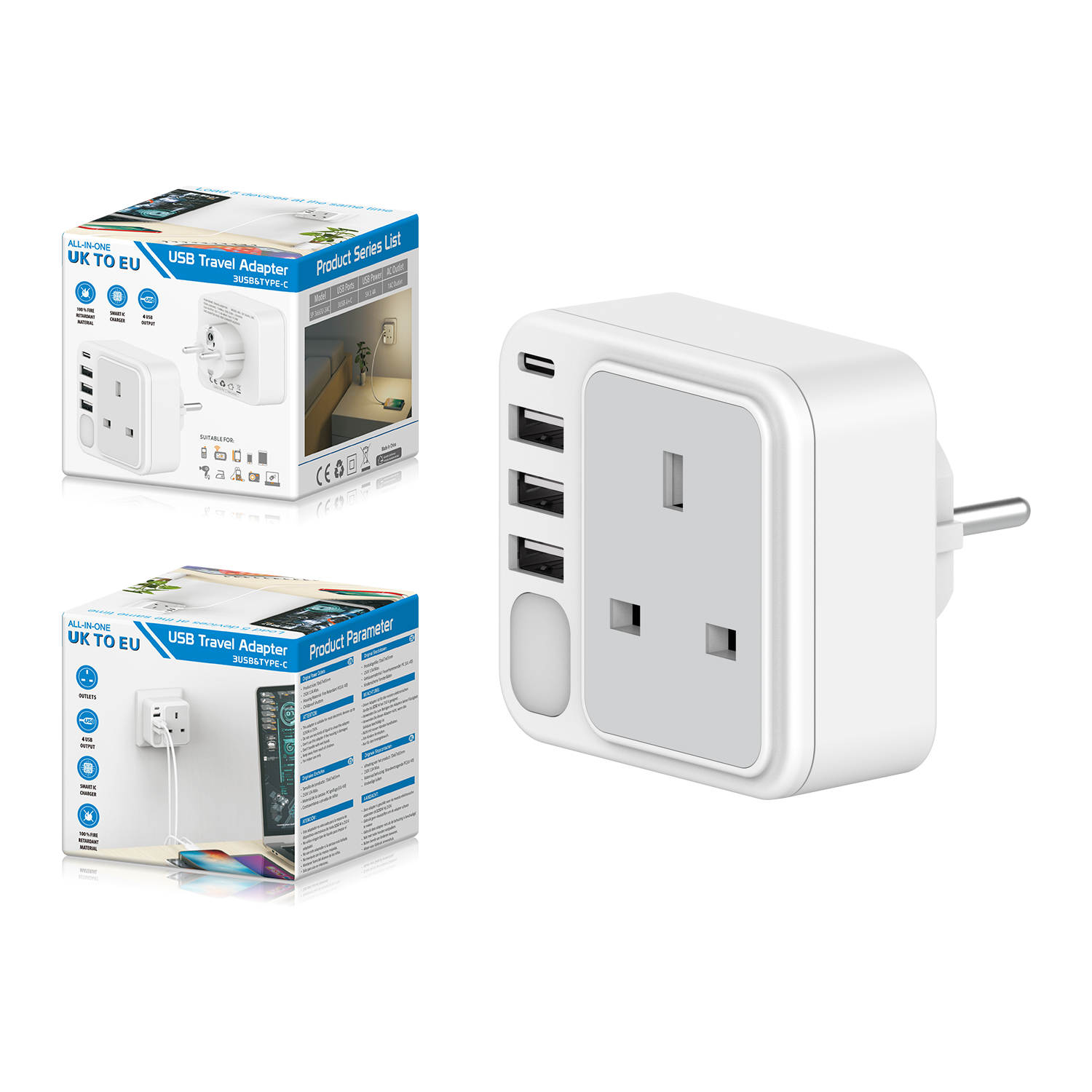
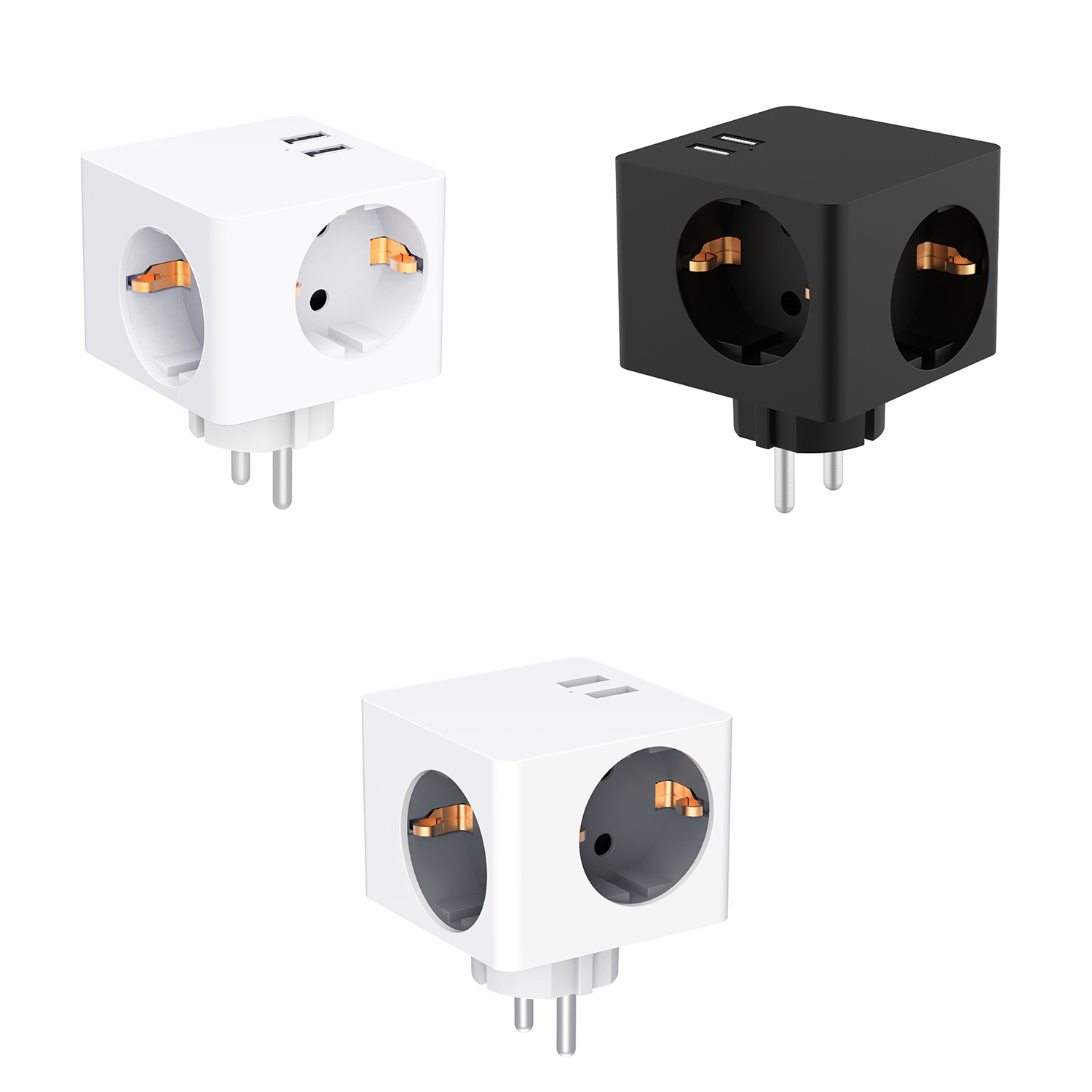
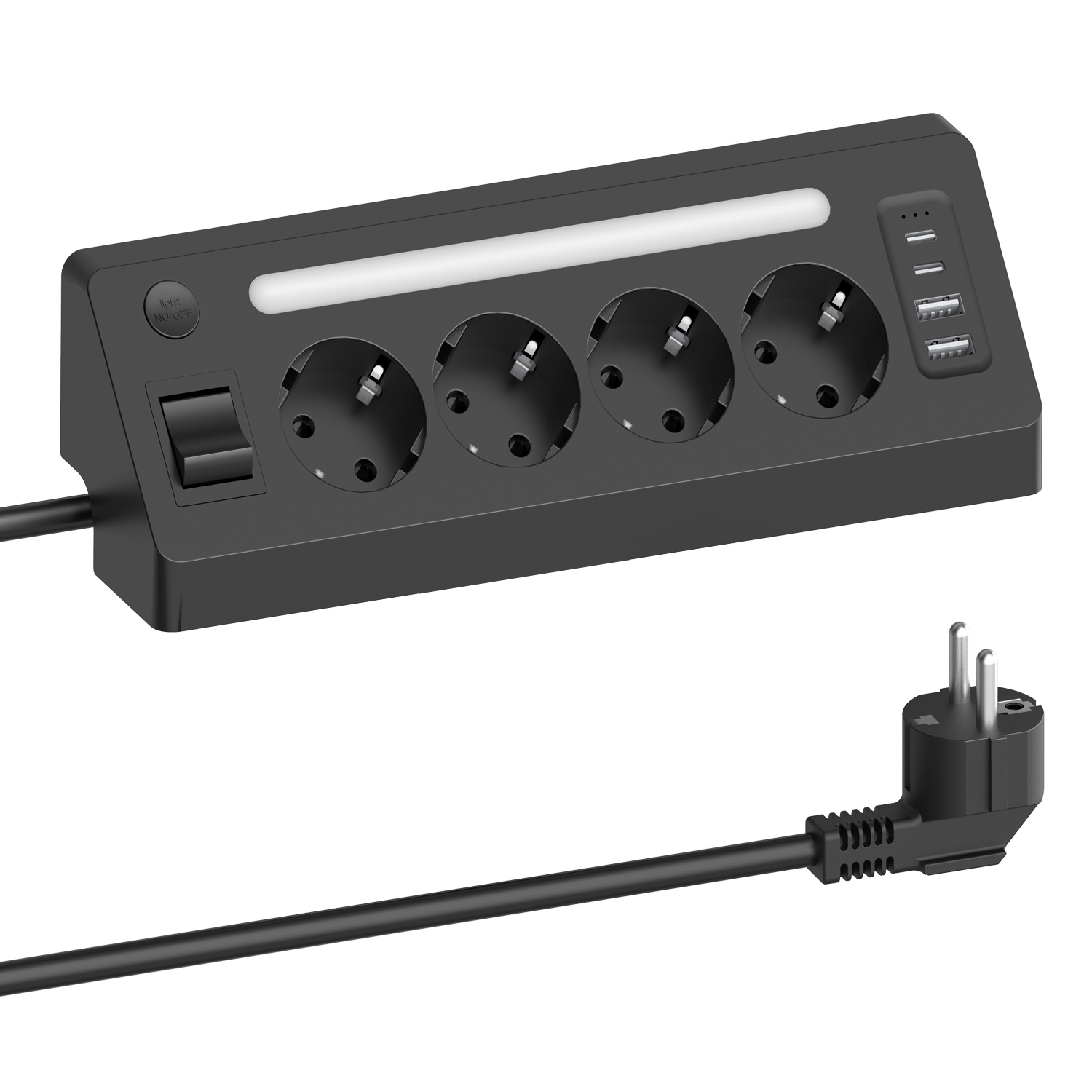
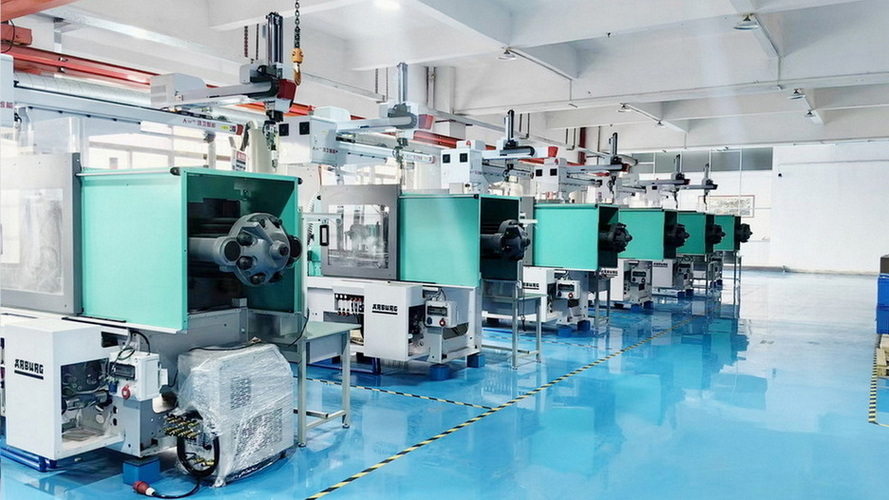 Component Precision Molding
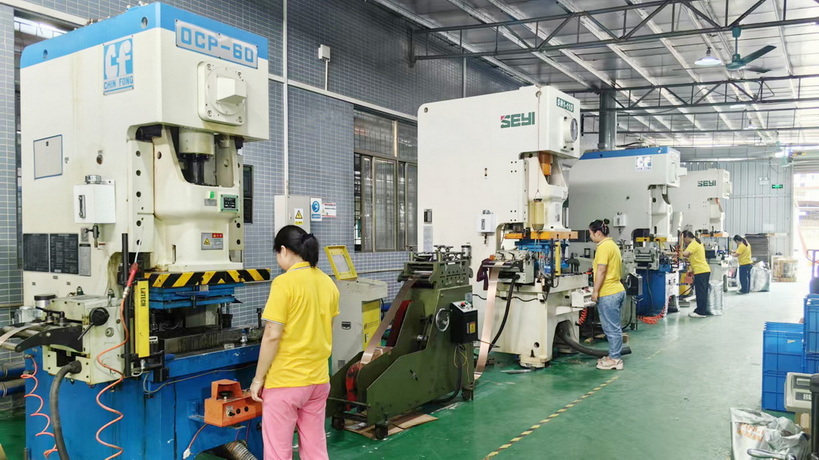 10+ Lean Assembly Lines
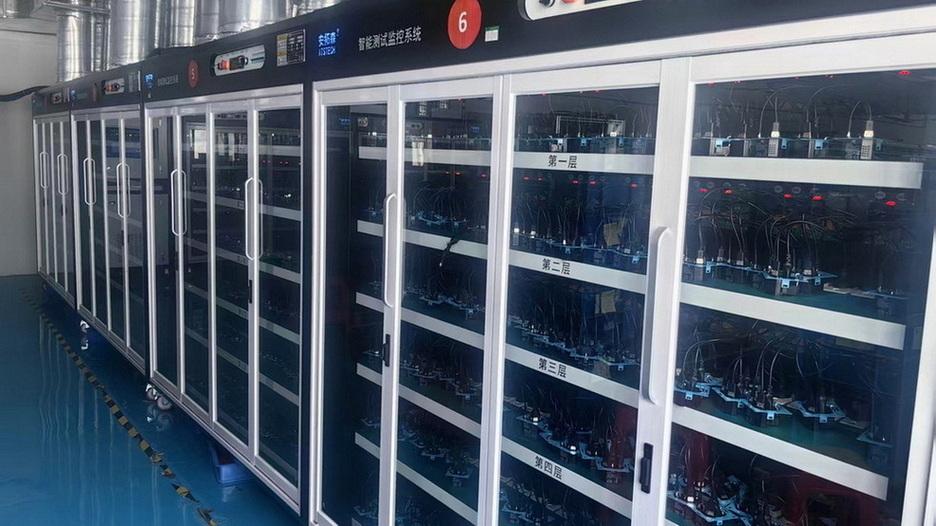 100% Powered Load Testing
From passive resistive pin adapters to high-density semiconductor power electronics, modern travel hardware demands rigorous safety margins and thermal stewardship.
Historically, global travel adapters functioned as simple pin reconfigurations, transferring line alternating current (AC) across divergent socket shapes without addressing internal step-down transformations. The widespread adoption of USB Power Delivery (USB PD 3.0 / PD 3.1) and the European Union's common charger mandate have fundamentally redefined the global electrical travel landscape. Today's commercial travel adapters are no longer passive mechanical bridges; they are high-performance switch-mode power supplies (SMPS) operating in compact, thermally restricted, unvented form factors.
By transitioning from legacy Silicon MOSFETs to wide bandgap Gallium Nitride (GaNFast / Navitas ICs), switching frequencies are elevated from 65kHz to over 200kHz. This dramatically shrinks magnetics, planar transformers, and filtering caps while preserving an electrical conversion efficiency exceeding 93%.
Universal multi-pin slide-out systems present dangerous single-pin electrical bridging risks if not mechanically isolated. Compliant OEM designs incorporate patented internal shutter interlocks, ensuring that only one national plug standard (US, EU, UK, or AU) can be mechanically extended and locked at any single moment.
Operating inside closed enclosures without active cooling fans requires sophisticated thermal potting. High-conductivity potting compounds, coupled with precision-positioned copper heat spreaders and NTC thermistor cut-off circuits, prevent terminal over-temperature states during continuous laptop charging.
Critical procurement indicators governing high-volume cross-border consumer hardware, airport retail, hospitality supply chains, and enterprise IT deployments.
Corporate and business travel procurement has eliminated sub-15W USB-A ports as a baseline requirement. Sourcing matrices now mandate minimum 65W to 100W EPR (Extended Power Range) USB-C power delivery, allowing business users to charge ultrabooks, MacBooks, tablets, and phones simultaneously from a single outlet tap without brick adapters.
Heavy fast chargers with universal pins suffer from physical cantilever droop on wall sockets. Modern ODM buyers demand high-tensile brass mechanical prongs, balanced weight distribution along the horizontal center of mass, and optional detachable regional plug heads that lock firmly into target wall geometry without tipping loose.
Traditional thermal fuses require users to open an adapter shell to swap a delicate glass tube fuse when a traveler mistakenly plugs in a high-draw 2000W hair dryer. Sourcing departments increasingly stipulate auto-resetting ceramic PTC elements or dual-resettable bimetallic breakers that recover automatically once line overload ceases.
Located in Xintang Town, Guangzhou's premier electrical cluster, our vertically integrated plant ensures every stage—from CAD tool design to container export—is controlled under audited ISO protocols.
Tested up to 850°C (IEC 60695-2-11) to guarantee self-extinguishing behavior of external PC/ABS engineering thermoplastics.
3000V–3750V AC dielectric isolation testing between high-voltage line AC circuits and low-voltage USB-C touch points.
Automated pneumatic cycling over 5,000 to 10,000 plug insertions, maintaining optimal terminal withdrawal retention force.
Rigorous USB-C output ripple, noise validation, and protocol handshake verification across PD, QC, AFC, and PPS power profiles.
Our in-house design engineering team converts industrial ID briefs into functional 3D prototypes, conducting mold-flow analysis and mechanical pin tolerance simulations before physical tooling cuts.
With proprietary injection lines and state-of-the-art Surface Mount Technology (SMT) pick-and-place lines, we eliminate subcontractor lead-time delays and maintain tight BOM quality controls across high batches.
Every shipment is backed by third-party verified test reports (CE, FCC, RoHS, UKCA, SAA, KEMA, SII 32), with barcoded batch traceability and container-loading inspection services direct from our Guangzhou facility.
Essential regulatory, technical, and commercial guidelines for brand procurement leads and OEM project managers.
In the European Union, adapters must comply with the Low Voltage Directive (LVD 2014/35/EU), EMC Directive (2014/30/EU), and IEC/EN 62368-1 for audio/video/IT equipment safety, alongside RoHS and REACH chemical requirements. For the UK, the UKCA marking verifies alignment with the Electrical Equipment (Safety) Regulations 2016 and BS 1363-3 plug dimensional limits where Type G prongs are fitted. In Australia/New Zealand, travel adapters fall under level 3 declared articles requiring mandatory ERAC/EESS approval and certification to AS/NZS 3112 and AS/NZS 3122.
Standard commercial travel adapters do not convert AC electrical voltage; they mechanically route the input mains AC voltage (100V–250V) directly to the multi-plug output socket. Connected high-voltage appliances (such as curlers, hair dryers, or kettles) must be dual-voltage rated (100–240V). However, the internal DC switch-mode circuit for the USB-C and USB-A ports functions universally across 100V–250V input, stepping line voltage down to regulated DC voltages (5V, 9V, 12V, 15V, 20V) via USB-PD protocol negotiation.
For off-the-shelf and Ready-To-Ship (RTS) inventory configurations, trial orders start at 100 to 200 pieces. For OEM branded production involving custom logo silk-screening, custom pantone plastic injection, and customized retail color packaging, our baseline MOQ is typically 500 to 1,000 units per SKU. Mass production lead times generally range between 20 to 30 calendar days following pre-production sample approval and deposit confirmation.
We employ a multi-layered hardware protection matrix: (1) Primary-to-secondary physical galvanic isolation slotting on the multi-layer FR4 PCBA; (2) Class-V0 flame-retardant Bayer polycarbonate plastic shells tested via Glow Wire testing to 850°C; (3) Over-current, over-voltage, short-circuit, and dual over-temperature (OTP) auto-cutoff sensors; and (4) 100% active load burn-in on automated aging racks before final ultrasonic welding and packing.
Accelerate your project with Guangzhou Haxli Electric Technology Co., Ltd. Request full OEM/ODM product specifications, BOM costs, 3D tooling assessments, and sample units for compliance evaluation.