Top Performing B2B Travel Adapters & USB Power Units
Specified by international volume importers, consumer electronic brands, and infrastructure contractors across Europe, the Americas, and Australasia.

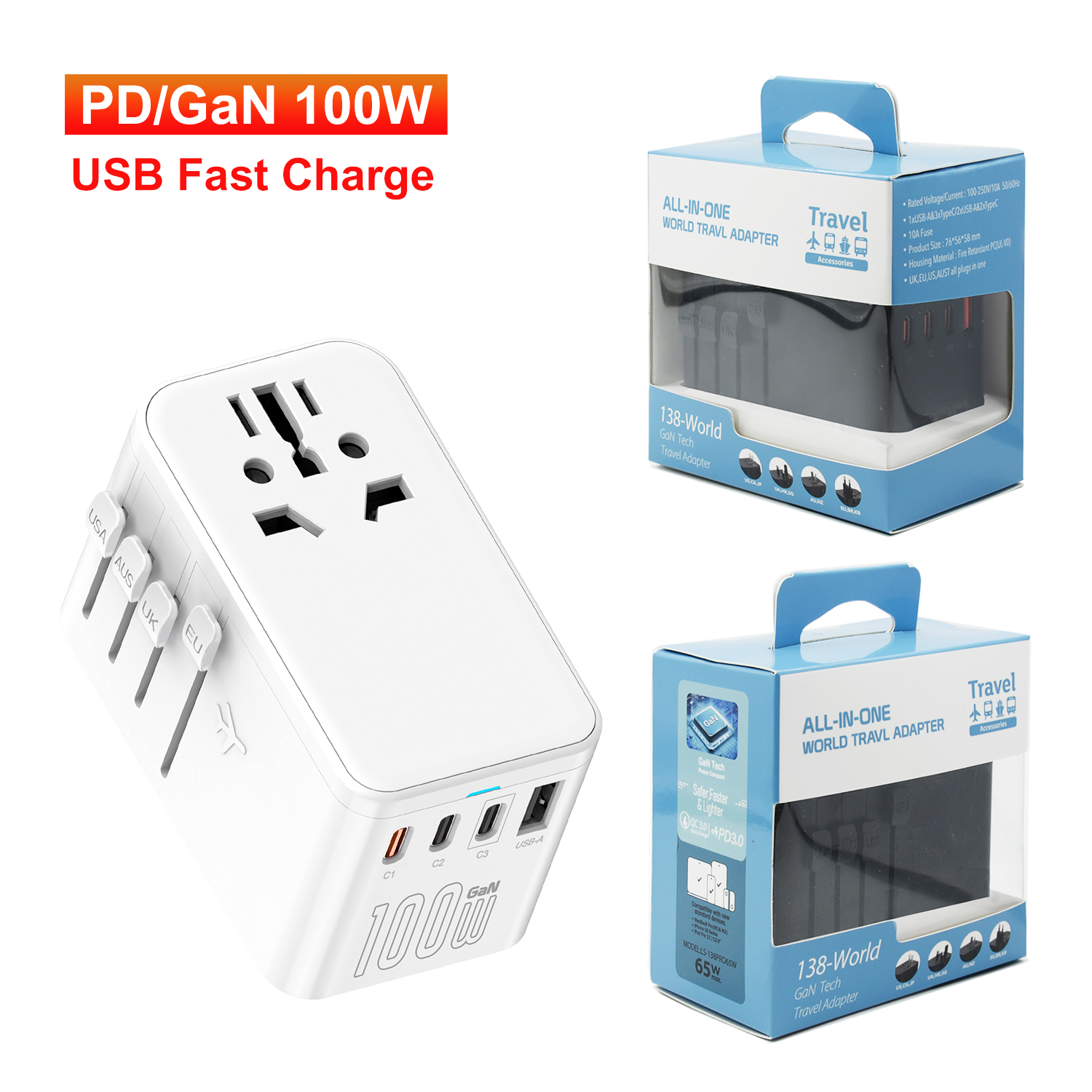

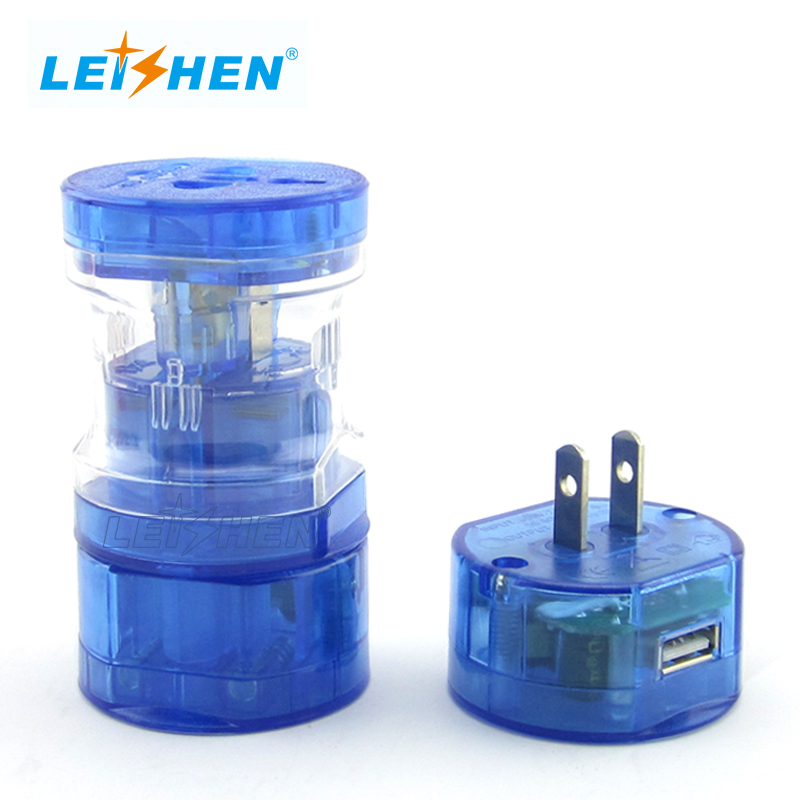
Tier-1 Manufacturing Capabilities in Guangzhou, China
Unlike sourcing intermediaries, Guangzhou Haxli Electric Technology operates an autonomous 10,000㎡ production facility located in Xintang Town, Guangzhou. The plant houses modern surface-mount assembly, ultrasonic welding machinery, mold fabrication tooling, and dedicated test laboratories.
Our operations adhere to ISO-grade process controls, having successfully completed on-site facility audits by SGS. As an established supply chain partner having served Fortune 500 contract manufacturing requirements, we implement strict raw material traceability for phosphor bronze contacts, PC flame-retardant housings (UL94-V0), and GaN semiconductor modules.
- Verified Staff: 201+ Personnel
- 10 Dedicated Line Quality Inspectors
- 3D CAD/CAM Rapid Tooling Center
- 90% Global Export Ratio
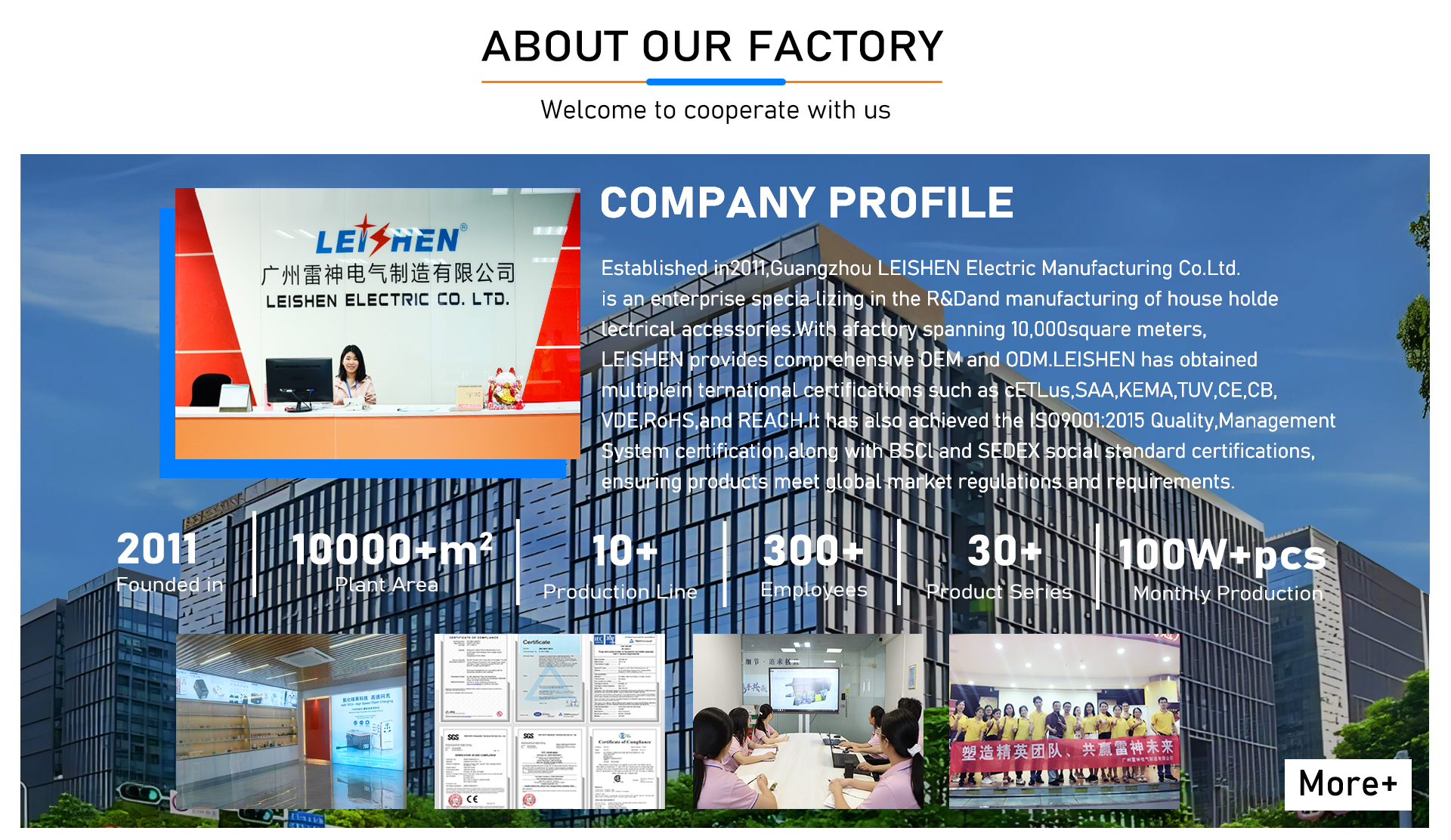
Laboratory Rigor & Multi-National Compliance
Before leaving the factory dock, products are checked against IEC 60884-1, BS 1363, AS/NZS 3112, and EN 62368-1 protocols.
Travel Adapter Industry Shifts & Future Sourcing Trends
Strategic engineering perspectives for sourcing directors navigating fast charging integration, safety revisions, and supply chain consolidation.
The Shift to GaN III Fast-Charging Topologies
Traditional silicon-based AC-DC adapters suffer from thermal dissipation bottlenecks, capping multi-port travel adapters at 20W to 30W. Third-generation Gallium Nitride (GaN III) power semiconductors have transformed the sector by raising switching frequencies and reducing magnetic core sizes.
OEM factories are now integrating 65W to 100W USB-PD 3.0/3.1 chipsets directly into universal multi-plug housings. B2B buyers must prioritize suppliers who utilize dual planar transformers to minimize internal thermal hot-spots during continuous full-load draw.
Integrated Retractable Cabling & Ergonomics
Single-body travel adapters face growing design scrutiny. Frequent travelers demand the elimination of loose USB-C cables, driving procurement demand toward integrated magnetic or mechanical spool retraction systems.
From an engineering perspective, factories must address flex fatigue at the cable-strain relief junction. High-grade OEM designs require automated cyclic flex testing exceeding 10,000 revolutions to prevent internal copper strand fracturing and short-circuits.
Stringent International Shutter & Fuse Mandates
Customs authorities in the EU, UK, and Australasia are executing stringent border enforcement regarding plug pin geometry and mechanical interlocking mechanisms. Under updated BS 8546 and AS/NZS 3122 standards, adapters must incorporate self-locking pin retention and internal safety shutters.
Adapters lacking dual-stage auto-resetting PTC fuses or single-action mechanical pin locking face border seizures and high return rates. Procurement teams must audit factory tooling for single-pin insertion lockout designs.
Sustainability Metrics & PCR Plastic Injections
Brand owners are actively enforcing strict ESG goals across their supply chains. Factories are responding by qualifying Post-Consumer Recycled (PCR) polycarbonate compounds for housing injection molds without compromising UL94-V0 fire resistance ratings.
Top-tier suppliers run continuous glow-wire testing at 750°C and 850°C to verify that blending 30% to 50% recycled polymer does not increase ignition vulnerability or structural fragility during standard drop tests.
Unified Dynamic Power Allocation Protocols
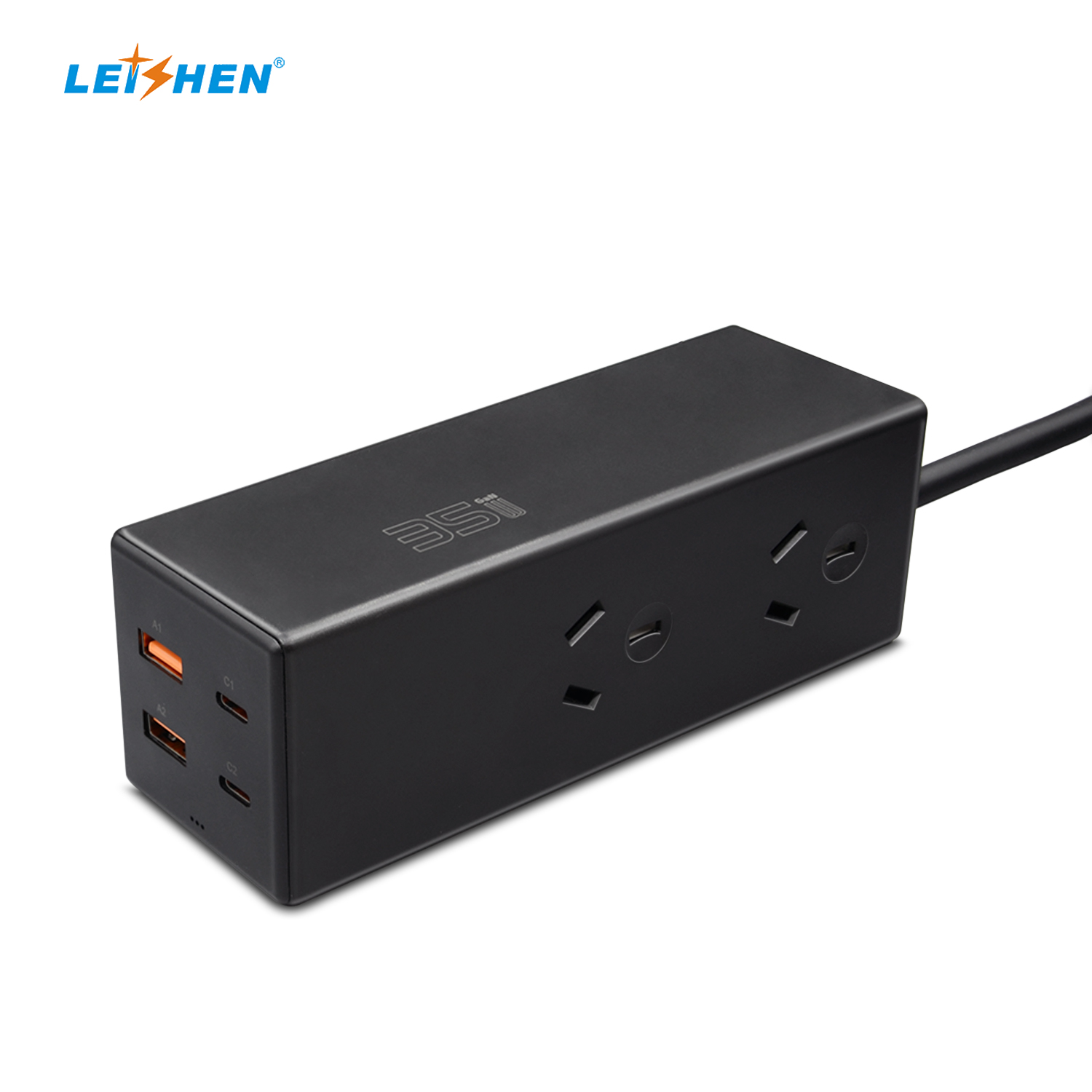
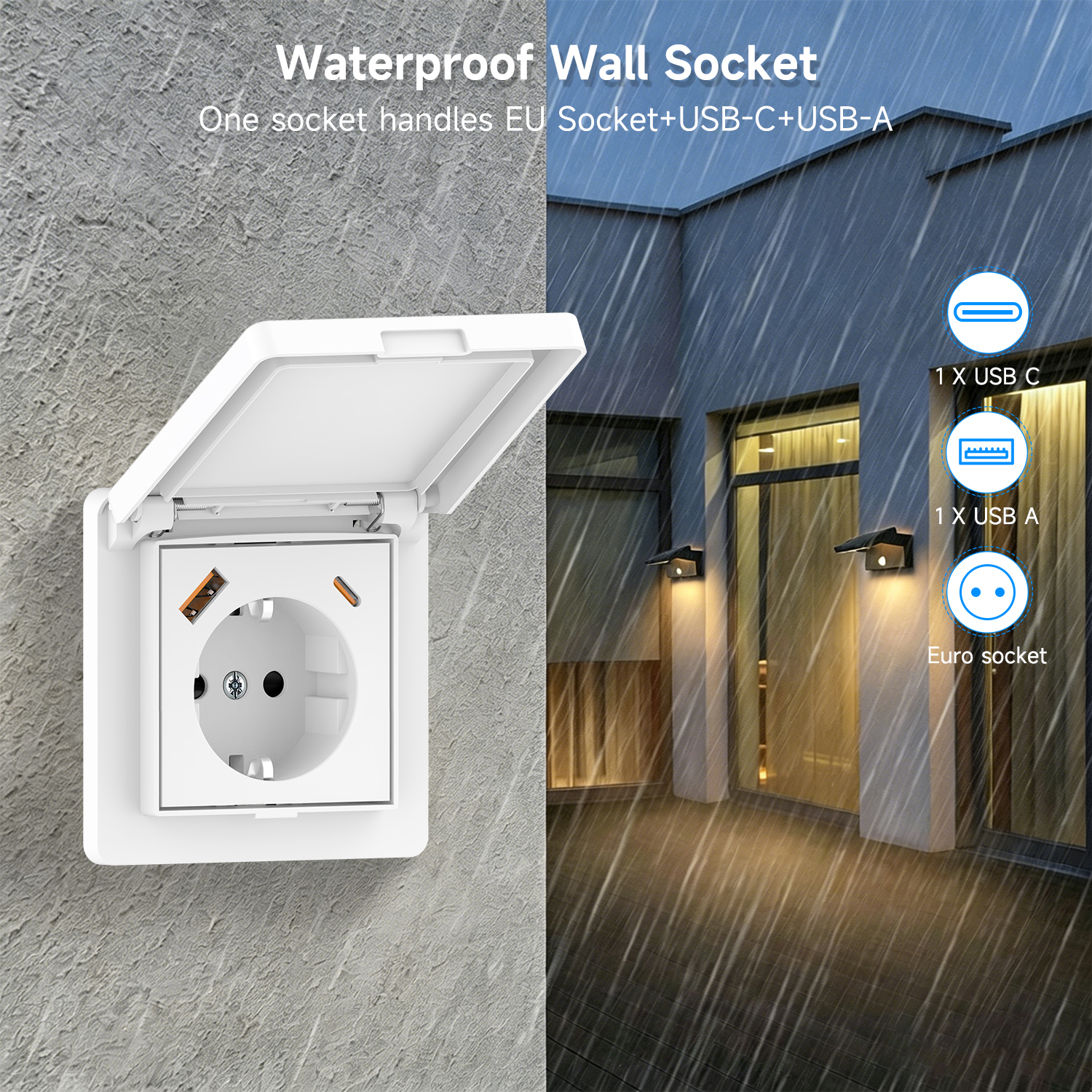
When multiple ports (USB-C1, USB-C2, USB-A) are drawn simultaneously, conventional circuits undergo momentary power disconnects, which interrupt laptop handshakes or reset charging states. Advanced factories have integrated MCU-controlled dynamic power split firmware.
This allows intelligent, real-time power redistribution based on connected device profile renegotiations without triggering complete thermal throttling or circuit restarts.
Consolidated Multi-Standard Sourcing
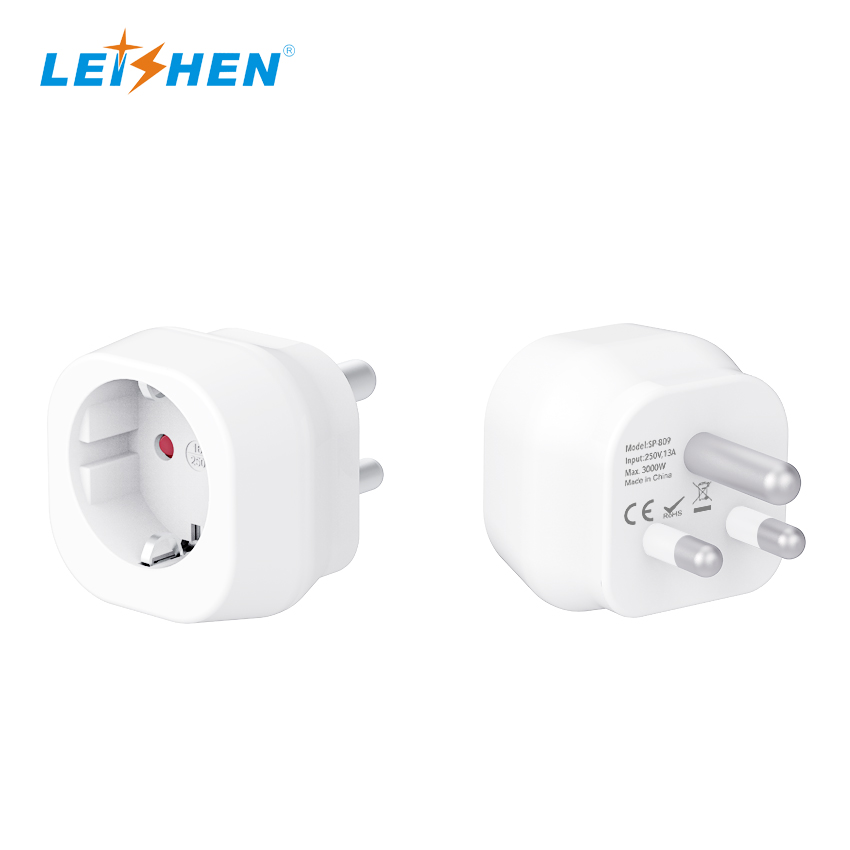
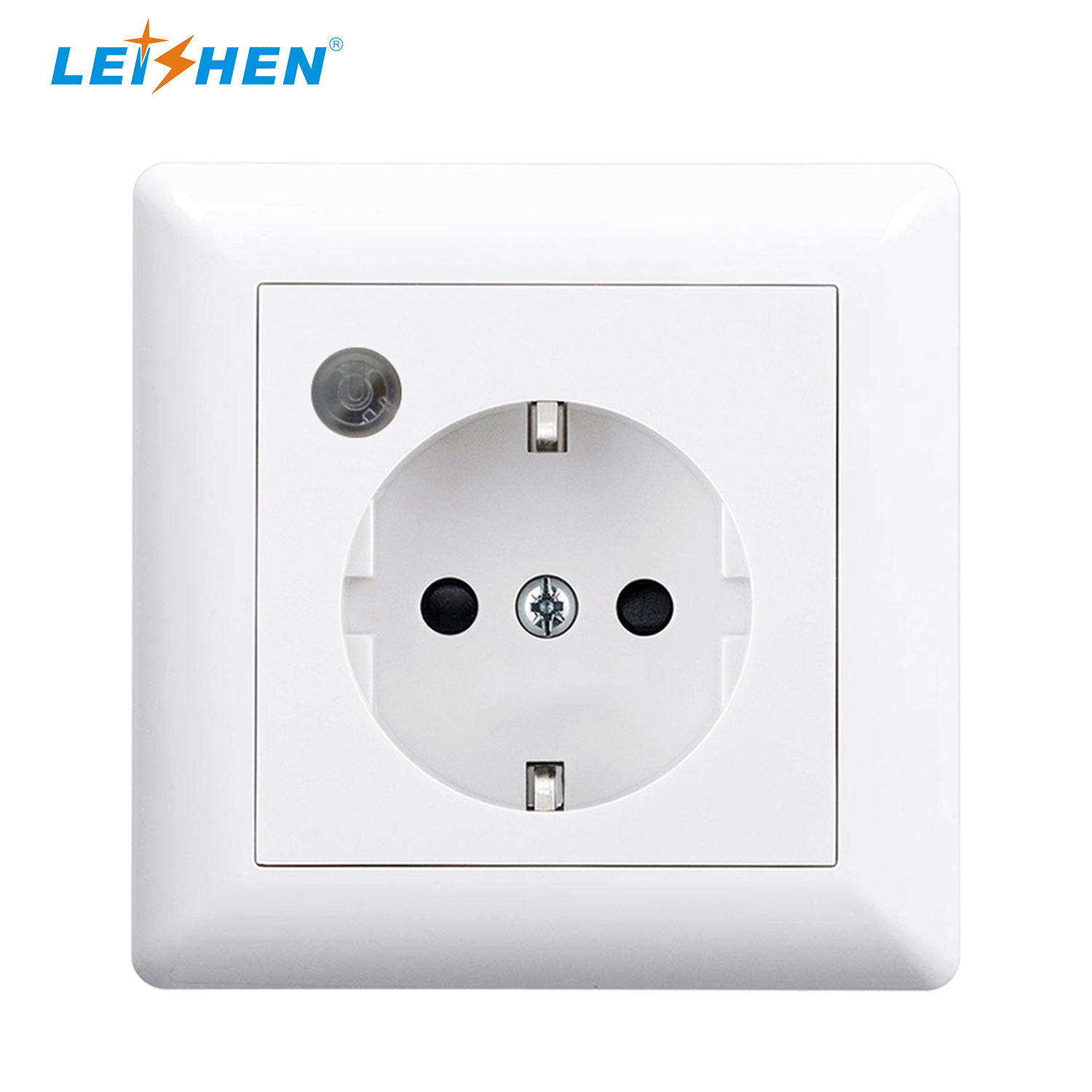
Global distributors are transitioning away from managing disjointed single-market suppliers. Sourcing leaders increasingly concentrate purchasing volume with centralized manufacturers capable of supporting EU Schuko, UK BS1363, French NF, Australian GPO, and Israeli SII 32 standards under one roof.
This operational consolidation decreases tool qualification expenses, synchronizes quality assurance documentation, and optimizes shipping container loading density.
Frequently Asked Procurement Questions
Essential technical and commercial parameters every buyer should clarify when choosing a travel adapter manufacturer.
1. What is the fundamental difference between a plug adapter and a voltage converter?
2. What specific tests should be verified in a travel adapter factory audit?
3. How does the factory manage thermal issues in high-wattage (65W-100W) GaN adapters?
4. What are standard MOQs and typical lead times for custom OEM/ODM tooling?
5. How do you ensure our private label design and mold IP remain protected?
Request Custom OEM/ODM Quotations & Engineering Schematics
Direct communication with factory product managers. Access verified lab test reports, compliance documentation, and comprehensive catalog pricing.