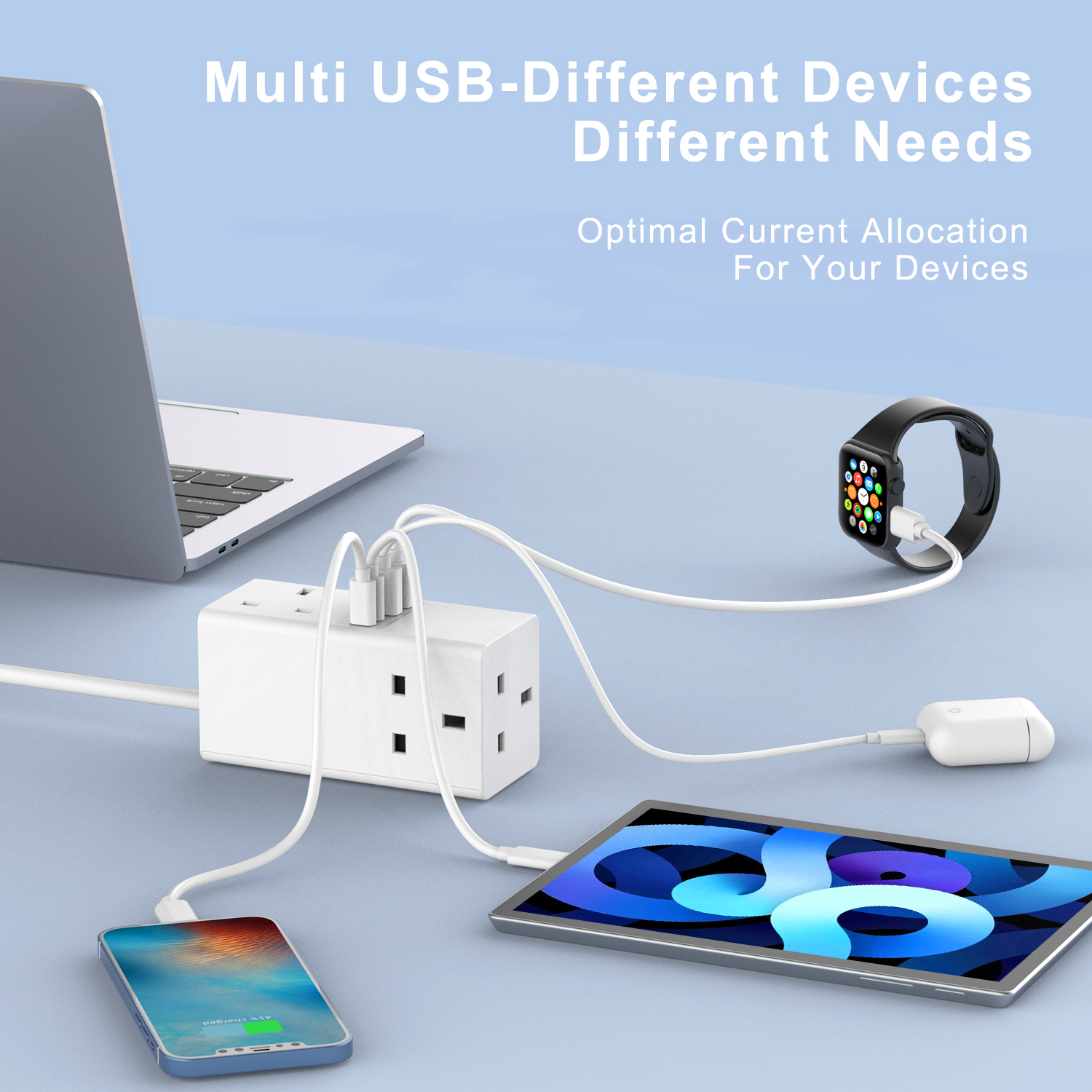
Engineered Solutions Showcase
Industrial-Grade Travel Power Units & Smart Infrastructure
Precision-manufactured adapters, furniture power grommets, and modular European wall solutions engineered to meet international safety protocols and rapid charging requirements.
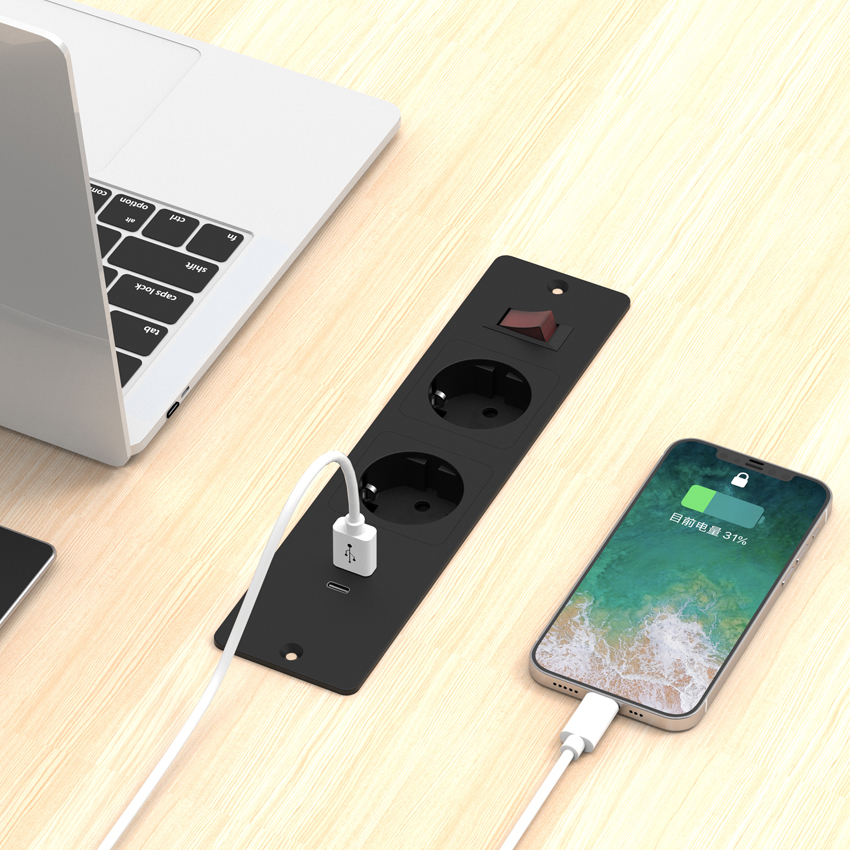
ETL Listed US Standard 2/3/4 AC Outlets Furniture Power Strip with USB White/Black Desktop Power Grommet for Office Home Kitchen
Product Details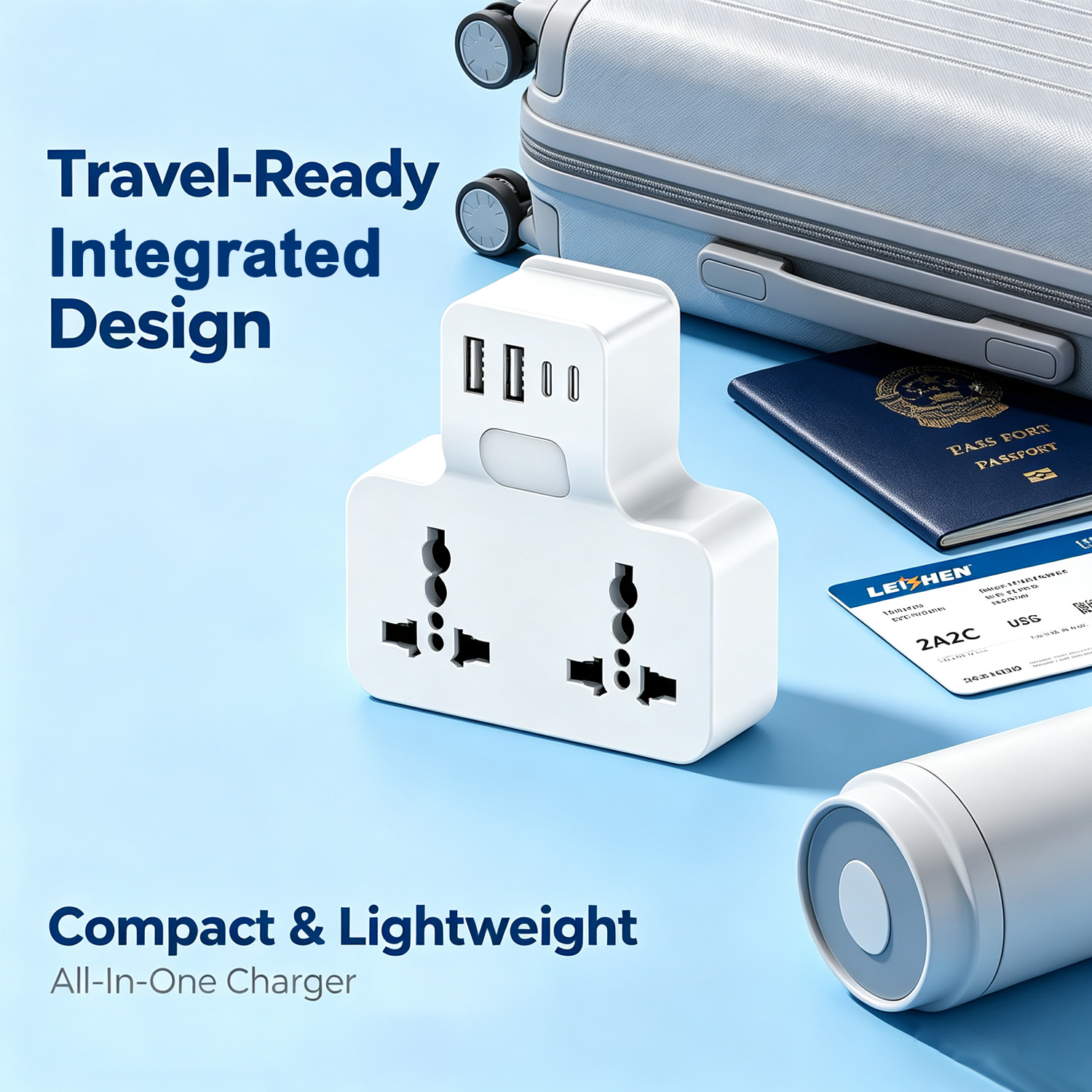
6-in-1 Multi-Country Plug Adapter with 2 Universal Sockets and 3.4A USB Power Suitable for International Travel and USA Use
Product Details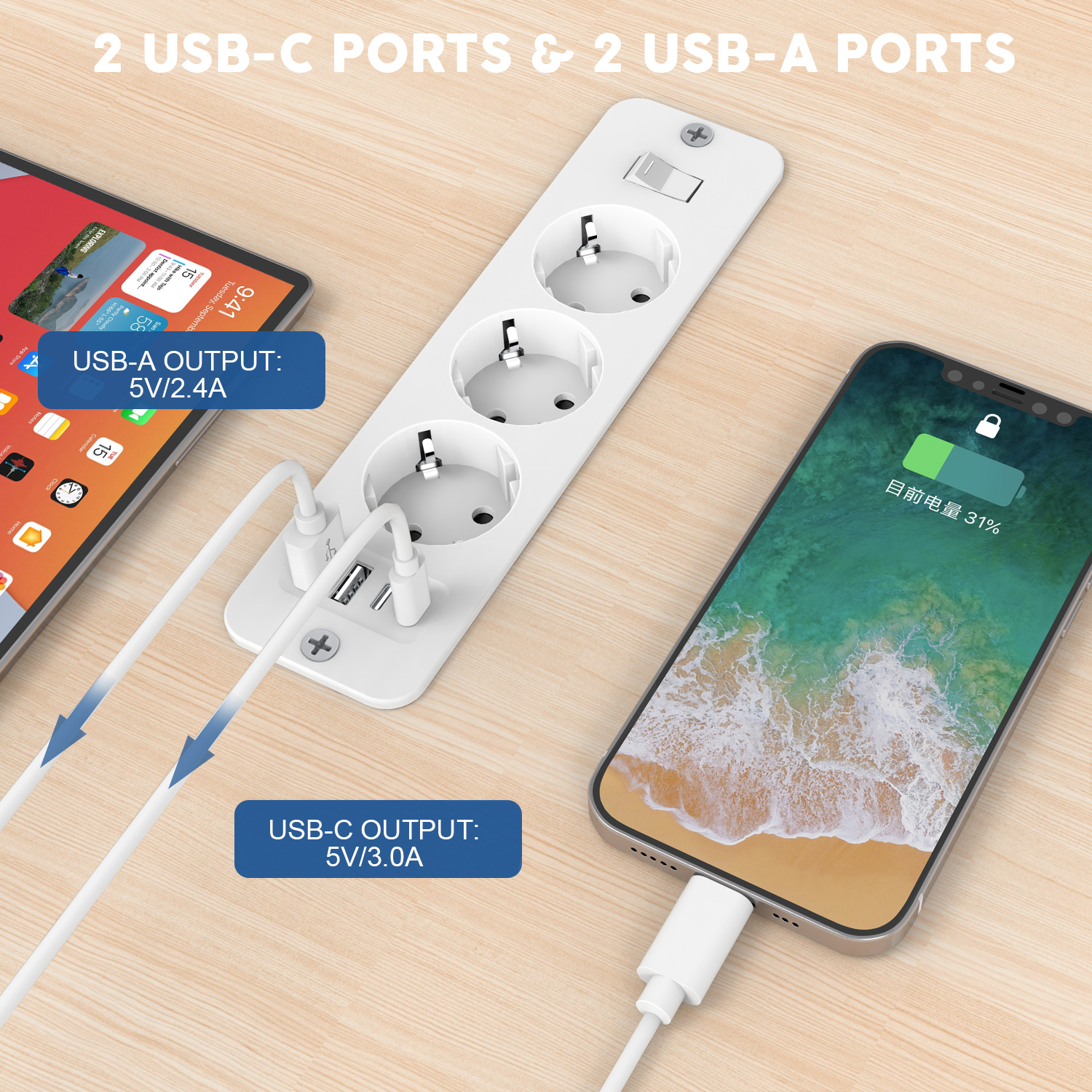
Hidden Recessed Table Power Socket 3 Way EU Plug Outlets USB C Charging Desktop Pop up Power Outlet for Office Desk Conference
Product Details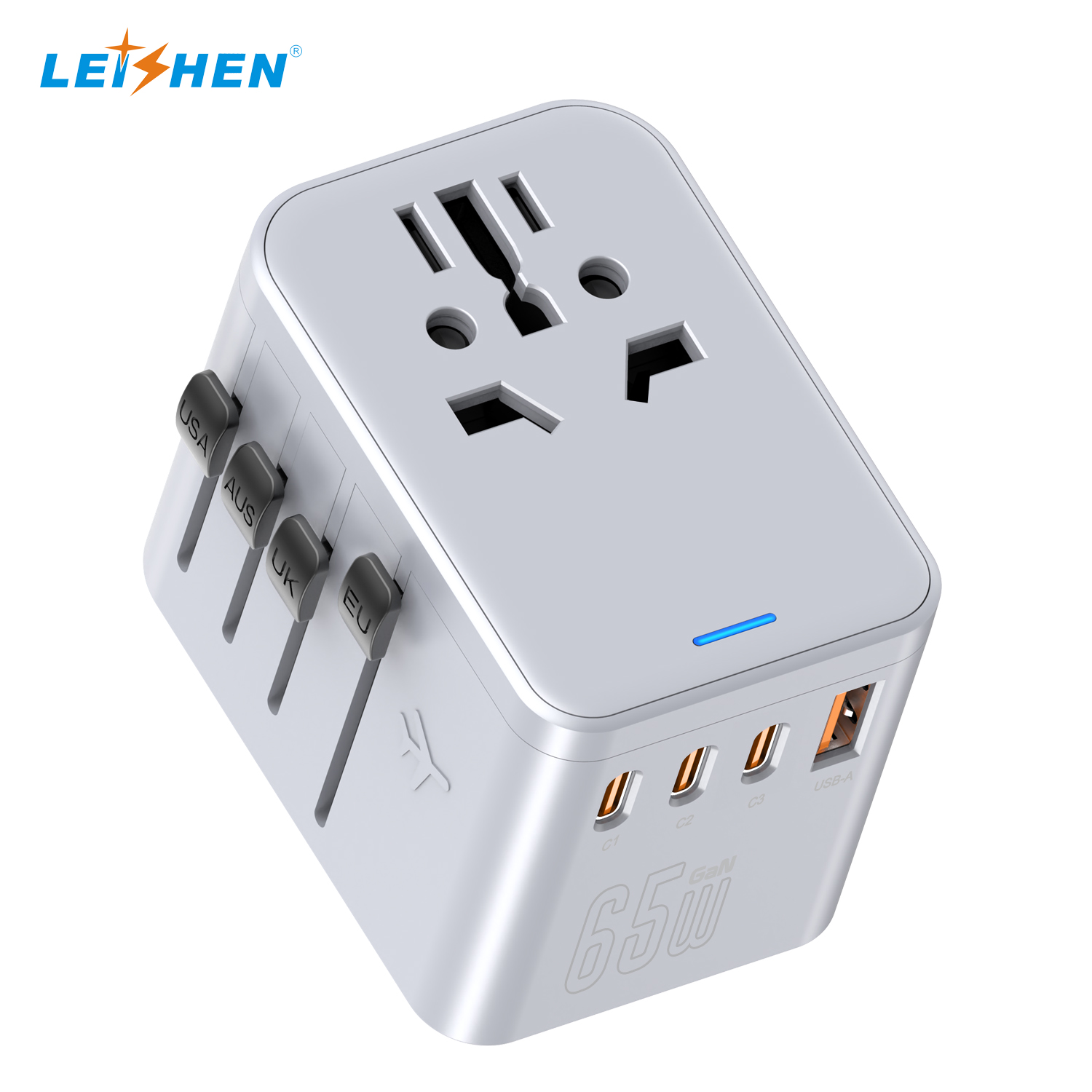
65W PD International All-in-One Universal Travel Adapter Fast Charger 3 USB-C Ports Copper Worldwide Compatible Electrical
Product Details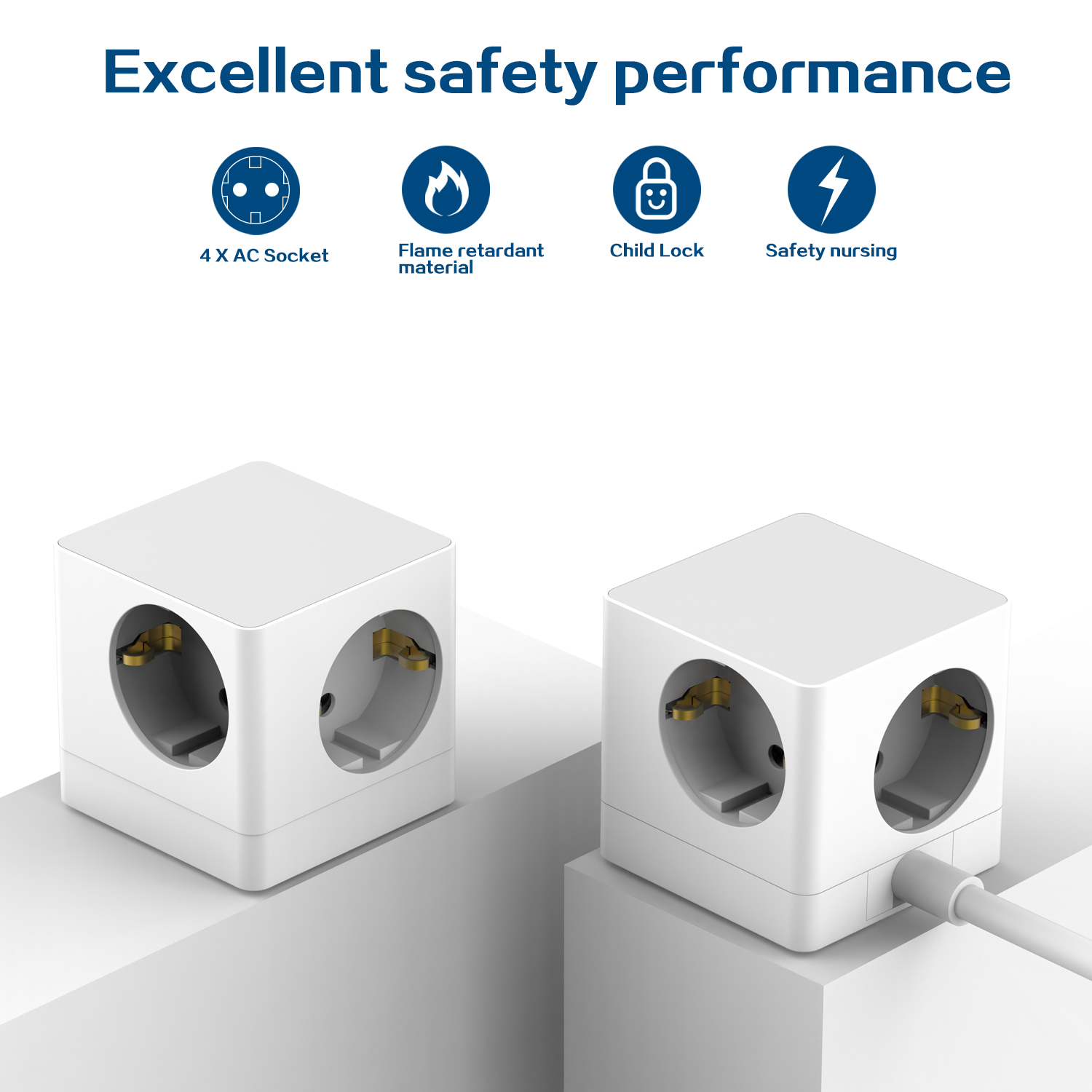
Ready to Ship Wholesale 4 Way EU Power Cube Socket Portable Schuko Cube Extension Power Strip with Safety Protection
Product Details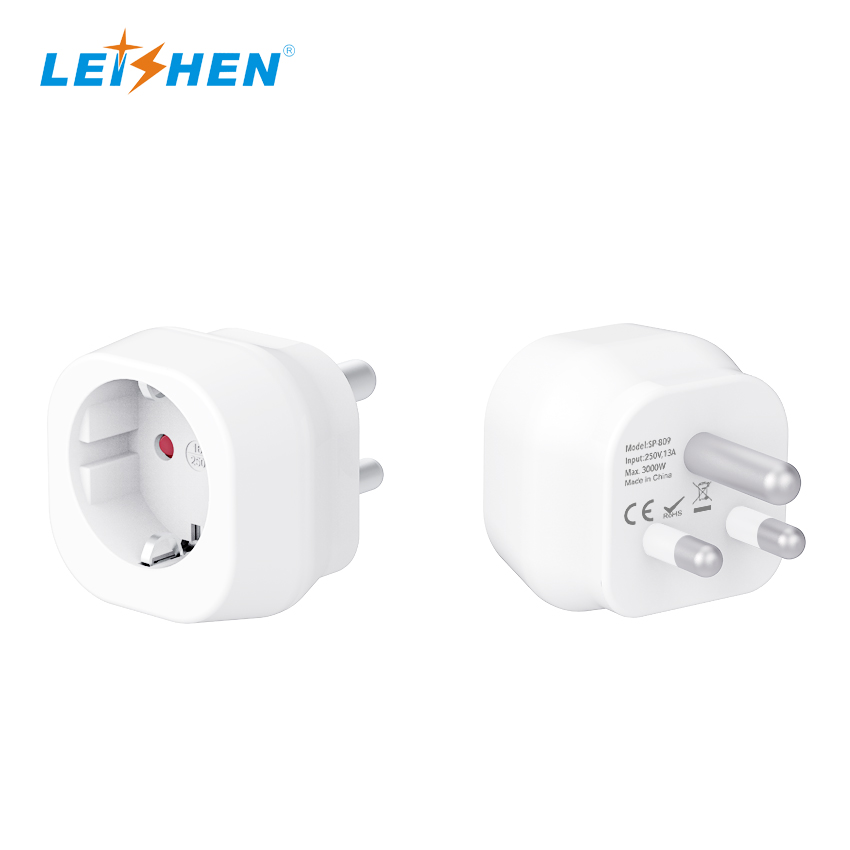
Leishen CE Listed Self-Locking UKCA EU to South Africa Plug Adapter European Plug Adapter to South Africa Power Converter
Product Details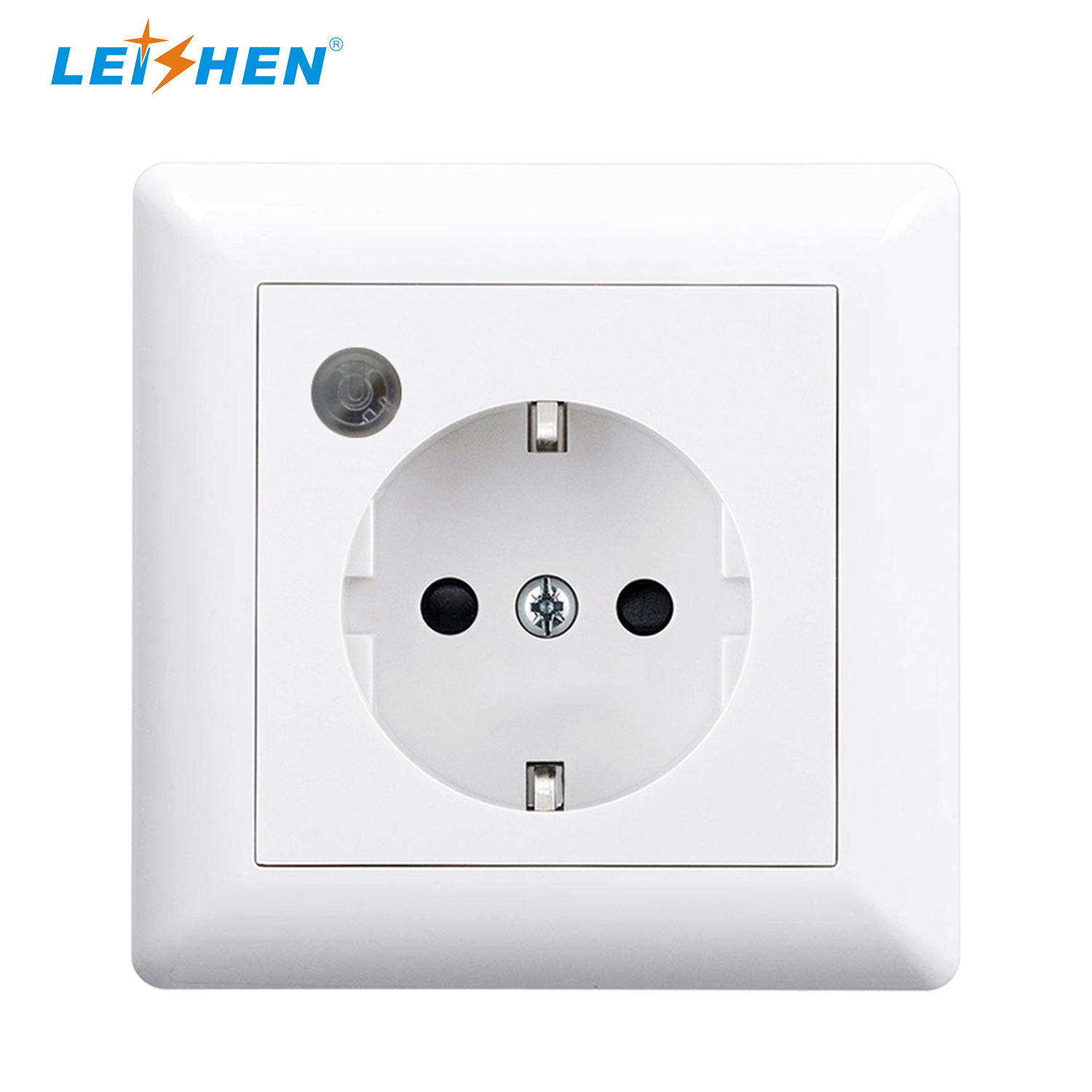
CE Approved 16A Phone App Remote Control Tuya WIFI Smart Wall Plug German Socket Multifunctional Mounted Power Outlet for Europe
Product Details
Comparative Supply Chain Matrix
Analysis of the Top 10 Travel Adapter Manufacturers & Factories
When global electronics brands, consumer distributors, and supermarket conglomerates evaluate travel plug adapter suppliers, production facilities are measured by thermal dissipation, mold precision, and worldwide testing certifications.
1. GaN High-Frequency Integration
Top-tier factories have migrated from conventional silicon MOSFETs to Gallium Nitride (GaN III & IV) architectures. This transition allows 65W to 140W USB-C Power Delivery inside compact travel forms while maintaining conversion efficiencies exceeding 93% and operating temperatures below the 75°C threshold.
2. Multi-Zone Sliding Interlock Mechanisms
Mechanical safety requires single-plug ejection locks. Qualified factories utilize self-locking sliders that mechanically disable secondary pin emergence when one regional prong (UK Type G, EU Type C/F, US Type A/B, or AU Type I) is deployed, completely eliminating shock risks during insertion.
3. Advanced Phosphor Bronze Metallurgy
Leading manufacturers refuse recycled brass, standardizing instead on high-precision phosphor bronze (C5191) with nickel plating. This ensures contact resistance remains under 20mΩ even after 5,000+ insertions and withdrawal cycles without metal fatigue or loosening tension.
4. Integrated Dual Auto-Resetting Fuses
Conventional ceramic glass fuses require field replacement by the user when overloaded. Modern Tier 1 OEM facilities embed self-recovering PTC devices or proprietary bi-metallic dual 10A thermal cut-off fuses that reset automatically within minutes of thermal normalization.
5. Comprehensive EMI/EMC Filtering
High-power switching circuits create electromagnetic interference. Leading factories incorporate multi-stage common mode chokes, solid polymer capacitors, and copper shielding to pass stringent FCC Part 15 Class B and EN 55032 Class B emission requirements without line degradation.
6. V0 Flame Retardant Housing Polymers
To pass the mandatory 750°C Glow Wire Test (IEC 60695-2-11), elite manufacturers exclusively mold housings with virgin Bayer/SABIC polycarbonate engineered to UL94-V0 flammability criteria, ensuring self-extinction within 10 seconds of source removal.
7. Intelligent Dynamic Power Allocation
Multi-port adapters require active microcontrollers that monitor downstream load handshakes across PD 3.1, QC 4+, PPS, and AFC protocols. When additional cables are connected, power re-allocates seamlessly without dropping connection or power-cycling connected devices.
8. Precision Pin Retraction Tolerances
Dimensional discrepancies can cause wall socket arcing or physical jamming. Top factories maintain CNC injection tolerances within ±0.03mm, matching international standards including BS 1363 (UK), AS/NZS 3112 (AU), CEE 7/16 (EU), and NEMA 1-15 (US).
9. Full Audit Traceability & AQL 0.4
Tier 1 operations track every manufacturing batch via laser-etched serial matrix identifiers. Component lots, SMT reflow profiles, and Hi-Pot test readouts are archived, allowing importers to satisfy rigorous product liability and insurance requirements.
10,000㎡
Integrated Production Facility
14+ Yrs
OEM / ODM Export Experience
100%
Hi-Pot & Aging Tested Units
150+
Countries Global Compatibility
Strategic Market Forecast
Future Procurement & Product Evolution Trends (2025–2030)
In-depth market intelligence identifying technological shifts, regulatory mandates, and supply-chain adaptations shaping international electrical manufacturing.
USB-C PD 3.1 & EPR Expansion (Up to 140W)
As consumer hardware transitions from proprietary barrel connectors to universal Type-C chargers, high-wattage travel adapters must deliver Extended Power Range (EPR) voltages up to 28V/5A (140W). Buyers should specify GaN designs engineered for high-density multi-rail transformation without excessive thermal rise.
Universal Harmonization & Circularity
The EU Single Charger Directive (Directive 2022/2380) has triggered strict design requirements worldwide. Future B2B orders will prioritize adapters using modular, non-glued internal chassis assemblies, facilitating ease of repair, lead-free soldering compliance, and post-consumer recycled (PCR) resin packaging.
Mandatory Smart Thermal Shutdown Chips
Increasing travel power densities demand dynamic thermal intelligence. Next-generation adapters integrate active NTC thermistors sampling PCB heat points 50 times per second, executing progressive output stepping rather than abrupt hard-fault shutdowns when ambient temperatures spike.
Factory Verification Protocol
In-House Reliability Testing & Safety Diagnostics
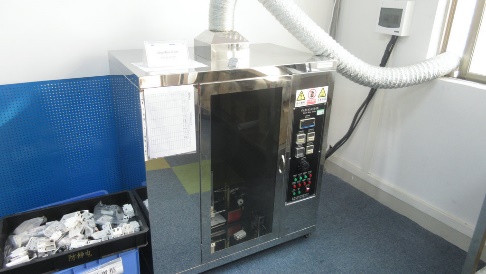
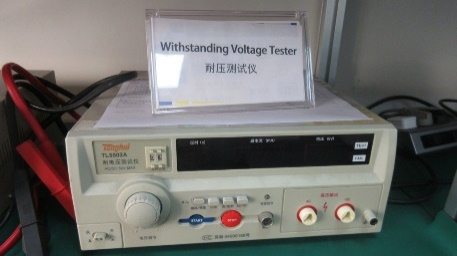
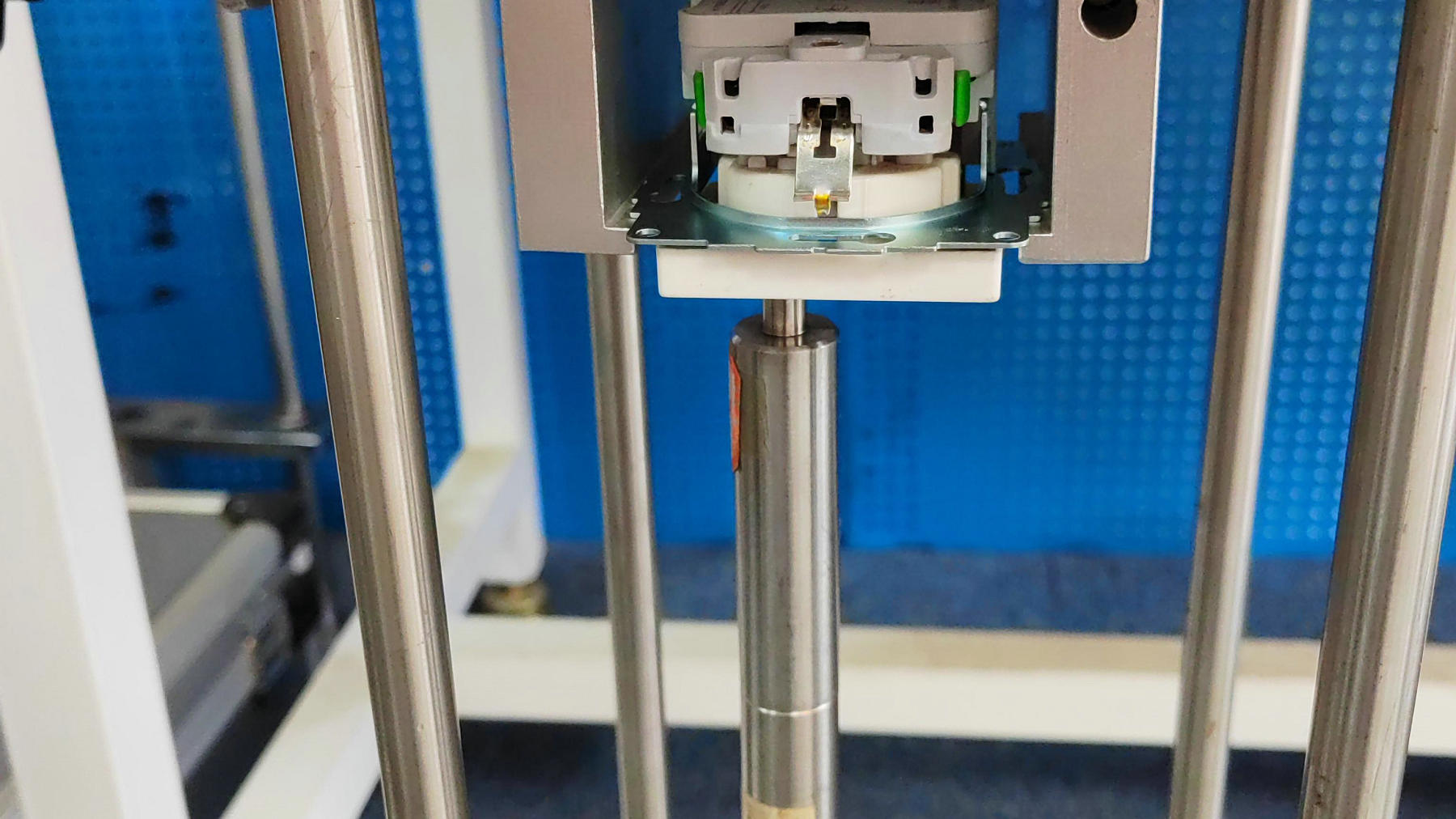
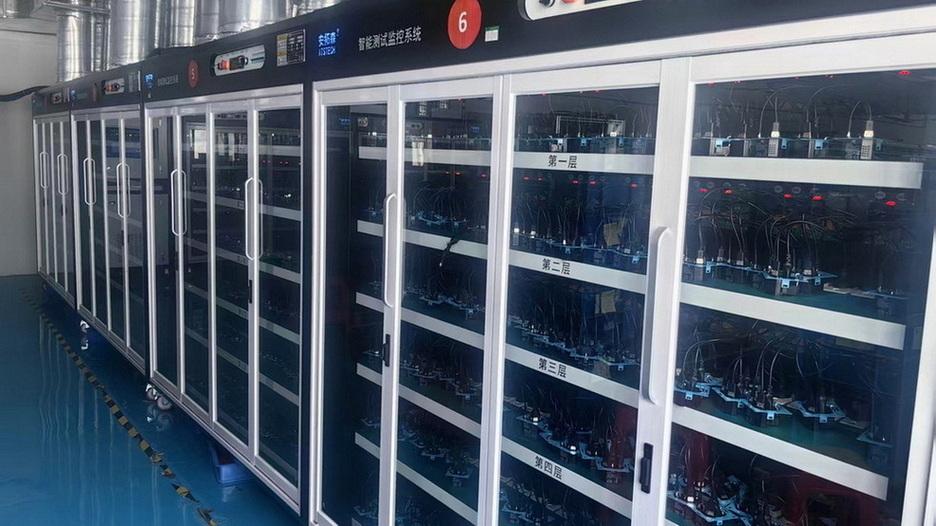
Behind every international certification mark (CE, FCC, UKCA, SAA, TÜV, KEMA, NF, SII 32) sits a rigid series of physical stress, dielectric breakdown, and mechanical life-cycle tests.
Manufacturer Profile
Direct Factory Value: Guangzhou Haxli Electric Technology
Operating from the Xintang Town electrical manufacturing hub in Guangzhou, Haxli Electric eliminates trading intermediaries, giving brands direct access to custom tooling, verified compliance, and production transparency.
SGS Onsite Verified Facility
Our 10,000㎡ factory footprint, 10+ automated assembly lines, and over 200 manufacturing specialists are independently audited and certified by SGS, providing institutional supply security.
Fortune 500 Supply Proven
We have fulfilled rigorous procurement contracts for Fortune 500 enterprises, mastering the intricate logistics, EDI interchange, barcode compliance, and factory audits large accounts demand.
Rapid In-House Prototyping
From custom industrial aesthetics to mold engineering, our dedicated R&D engineering team offers 24-hour CAD designs and rapid 3D physical modeling to speed up time-to-market.
B2B Procurement Intelligence
Frequently Asked Questions by Sourcing Directors
Clear answers to technical inquiries, minimum order quantities, and international certification compliance for plug adapter procurement.
What is the difference between a plug adapter and a power converter?
A plug adapter mechanically reconfigures pin arrangements so a foreign plug fits into an international wall outlet (operating across dual-voltage 100–250V systems). A voltage converter utilizes a step-up or step-down transformer to convert input voltage (e.g., 230V down to 110V). Modern electronics like laptops and phones use universal power supplies that require plug adapters, not heavy transformers.
What are standard MOQs for custom OEM branding and toolsets?
Ready-to-Ship (RTS) inventory supports low trial volumes (10–100 pieces). Standard private labeling (laser engraving, custom color housing, graphic packaging) starts at 500–1,000 units. Bespoke tooling projects with custom PCB layouts and mechanical industrial designs typically require 3,000–5,000 pieces to amortize injection tooling investments.
Which regional electrical compliance standards must adapters meet?
Depending on distribution targets: European Union requires CE (LVD/EMC) and RoHS; United Kingdom requires UKCA and BS 8546 / BS 1363 testing; Australia and New Zealand mandate SAA / AS/NZS 3122; the United States relies on FCC EMC and UL/ETL electrical safety; and Israel requires SII 32 certifications.
How does the factory prevent thermal runaway in high-wattage GaN adapters?
We utilize multi-tiered thermal engineering: thermally conductive potting compound transfers internal heat to the chassis, copper thermal spreading fins direct warmth away from switching transformers, and active NTC thermistors dynamically lower charging currents if junction temperatures exceed calibrated thresholds.
Ready to Engineer Your Next-Generation Travel Power Solution?
Direct communication with Guangzhou Haxli Electric engineers. Receive comprehensive 2D/3D CAD models, compliance documentation, and rapid volume pricing tailored to your market specifications.