Precision-Engineered Adapters & Architectural USB Wall Sockets
Explore eight market-validated solutions compliant with European, British, Australasian, and International electrical safety codes.
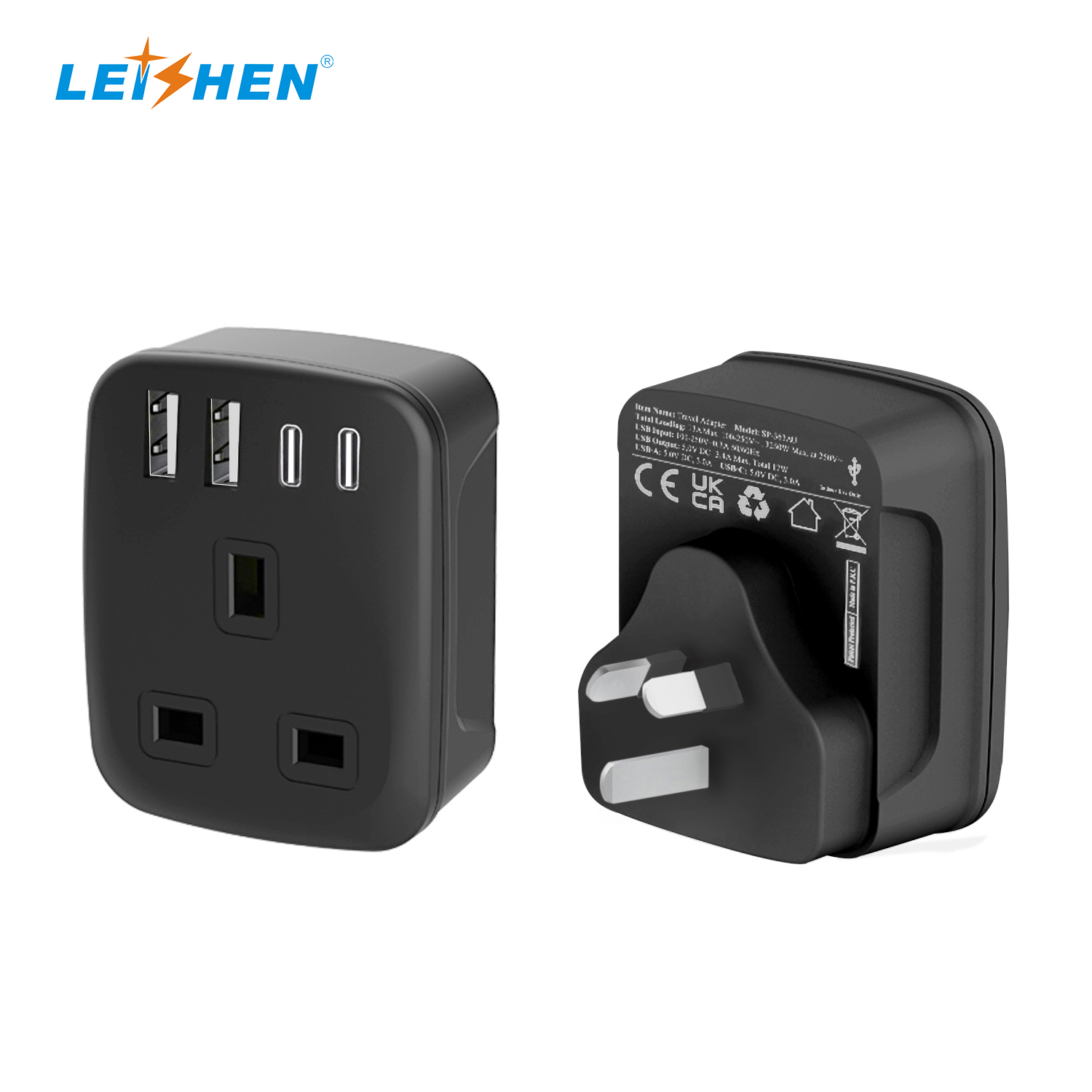
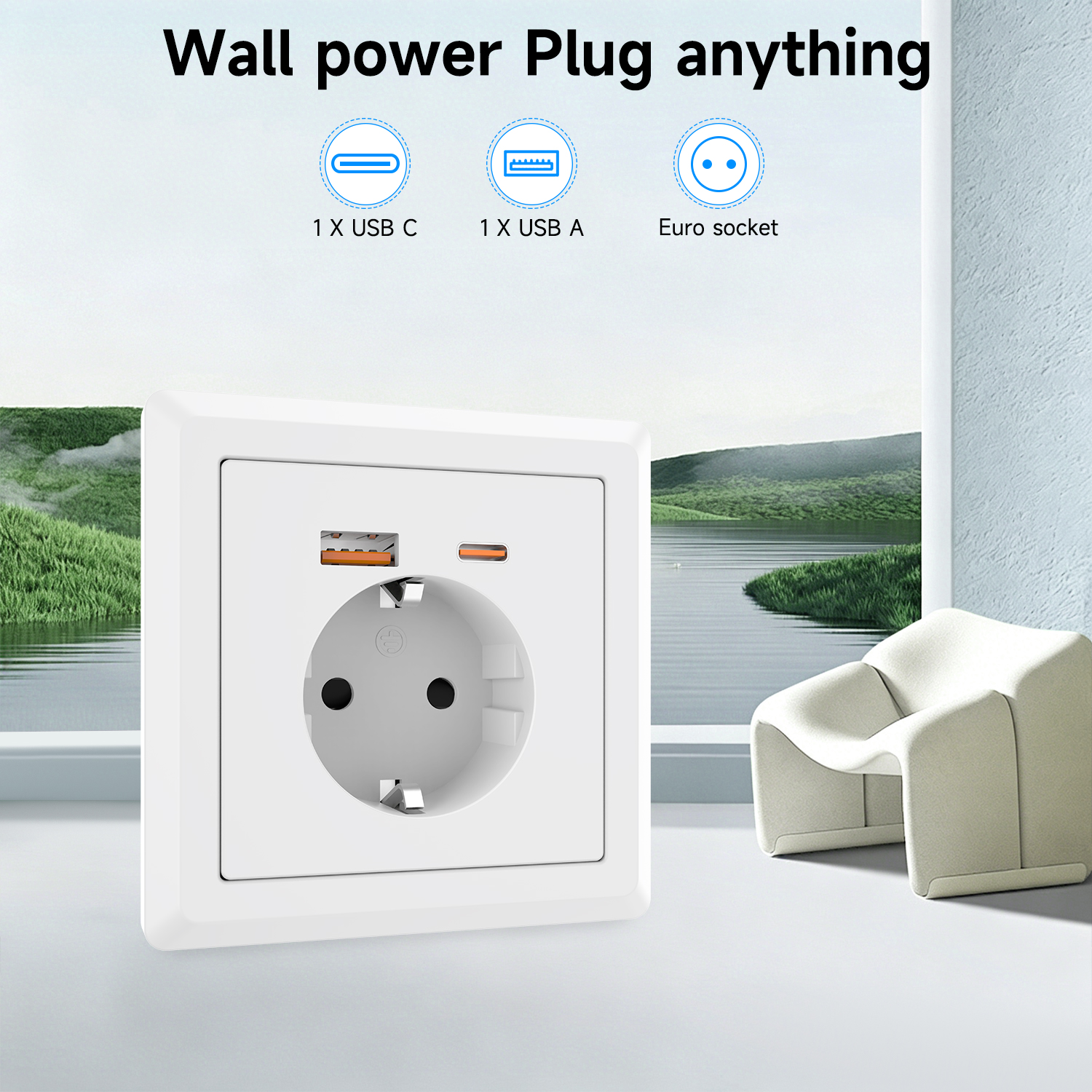
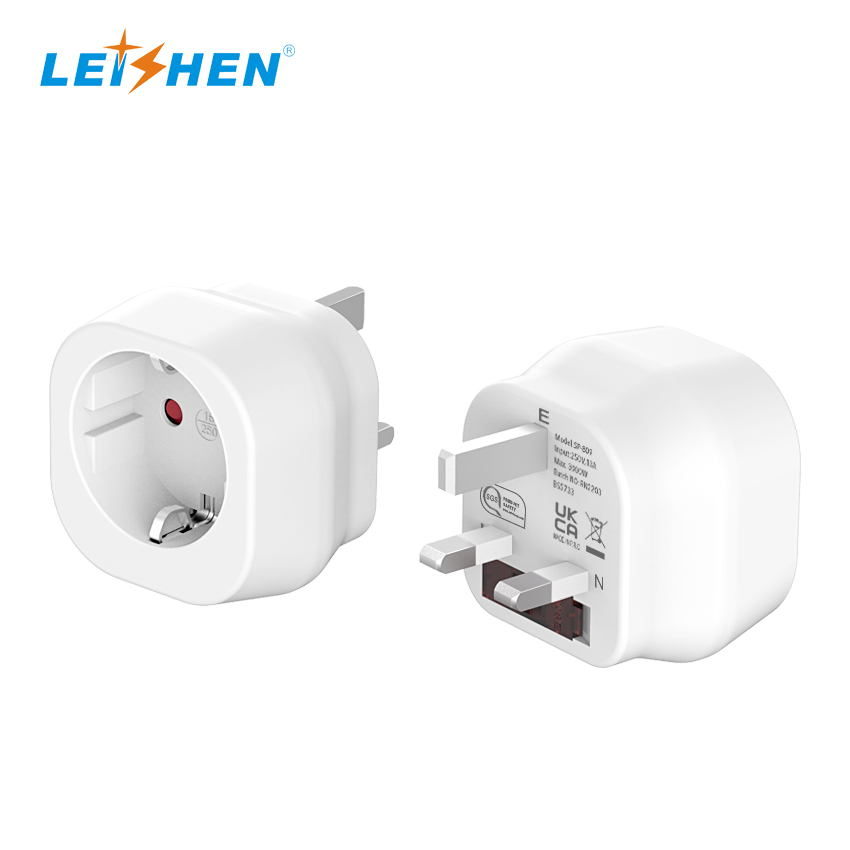
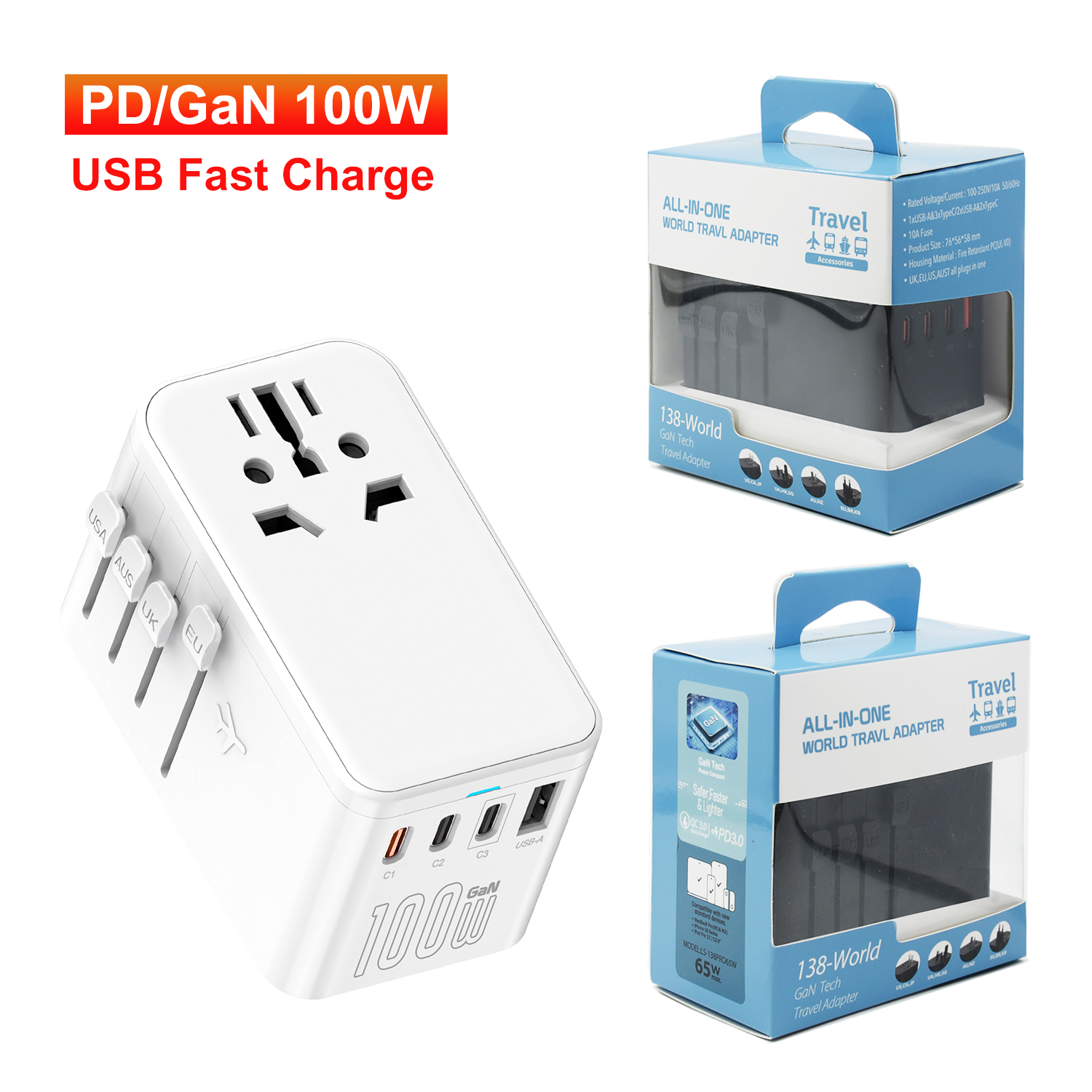
The Global Shift in Outlet Adapter Manufacturing & OEM Sourcing
Sourcing outlet adapters, universal travel plugs, and architectural USB wall sockets has evolved from basic electrical component assembly into a demanding intersection of power electronics, mechanical safety engineering, and international statutory compliance. Tier-1 enterprise buyers, consumer electronics distributors, and electrical contracting firms can no longer rely on unverified intermediary suppliers.
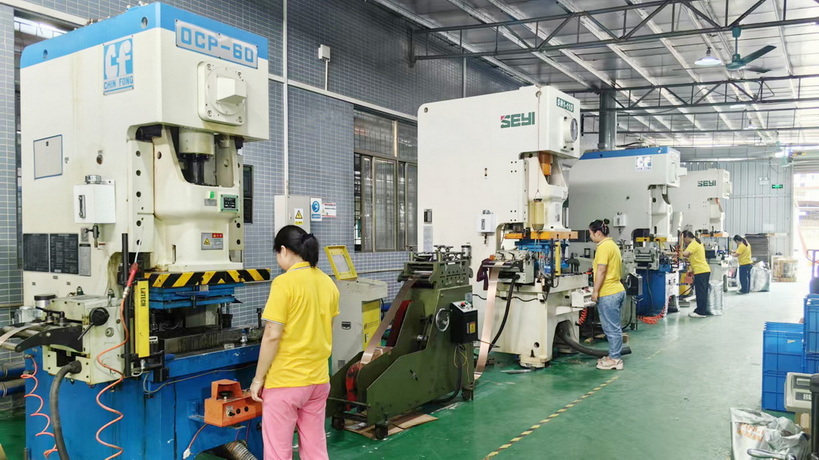
Navigating China's industrial manufacturing ecosystem requires verifying primary manufacturing capabilities: in-house precision injection molding, phosphor bronze metal stamping, surface-mount PCBA lines for Gallium Nitride (GaN) fast charging, and laboratory testing infrastructure capable of fulfilling IEC 60884-1, BS 1363, NF C 61-314, and AS/NZS 3112 mandates.
- Guangzhou Pearl River Delta Cluster: Unrivaled supply chain velocity for high-density components, flame-retardant Bayer PC granules, and certified copper alloys.
- Unified Safety Compliance: Pre-certified architectures mitigating recall liabilities under UKCA, CE RED, SAA, and US FCC regulations.
- Direct Factory Margins: 15% to 30% unit cost optimization through automated PCBA assembly and robotic end-of-line functional testing.
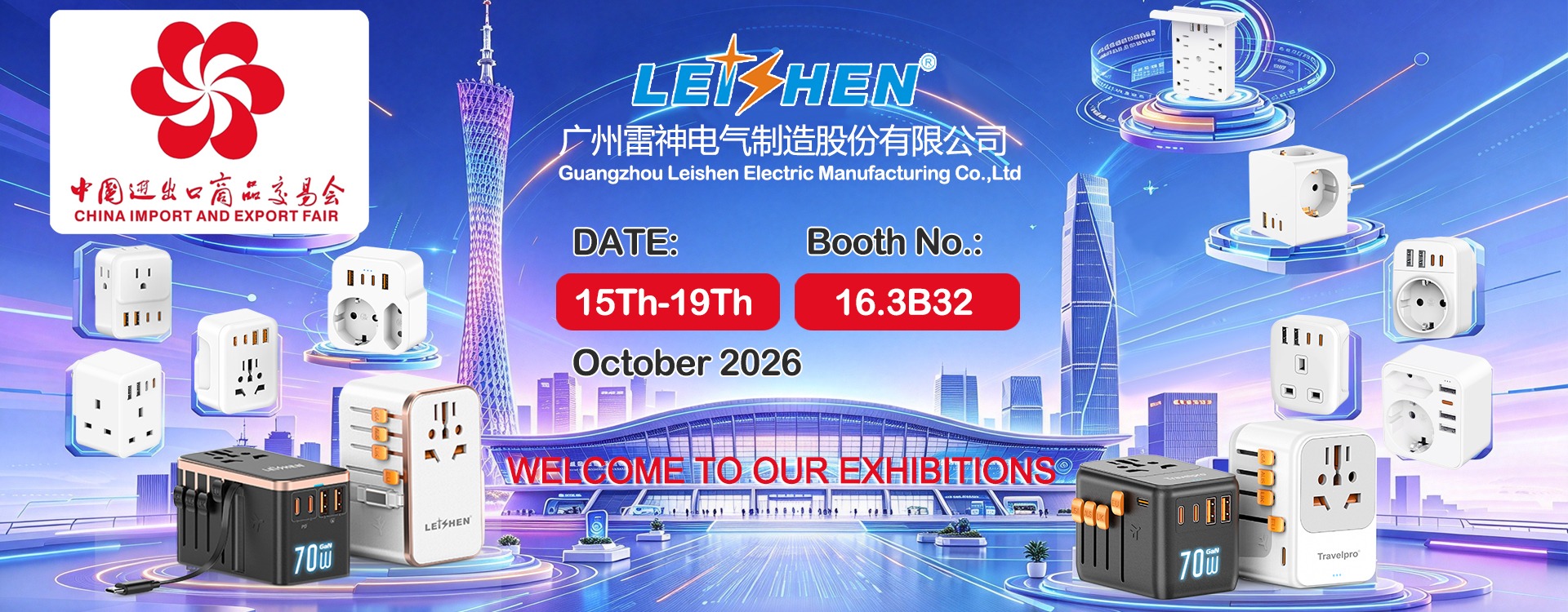
Verified OEM & ODM Manufacturing Infrastructure in Guangzhou
Operating as Guangzhou Haxli Electric Technology Co., Ltd. (brand: LEISHEN), our manufacturing facility in Xintang Town represents the vanguard of Chinese electrical engineering, validated onsite by SGS.
End-to-End Vertical Integration: From Rapid Prototyping to Mass Export
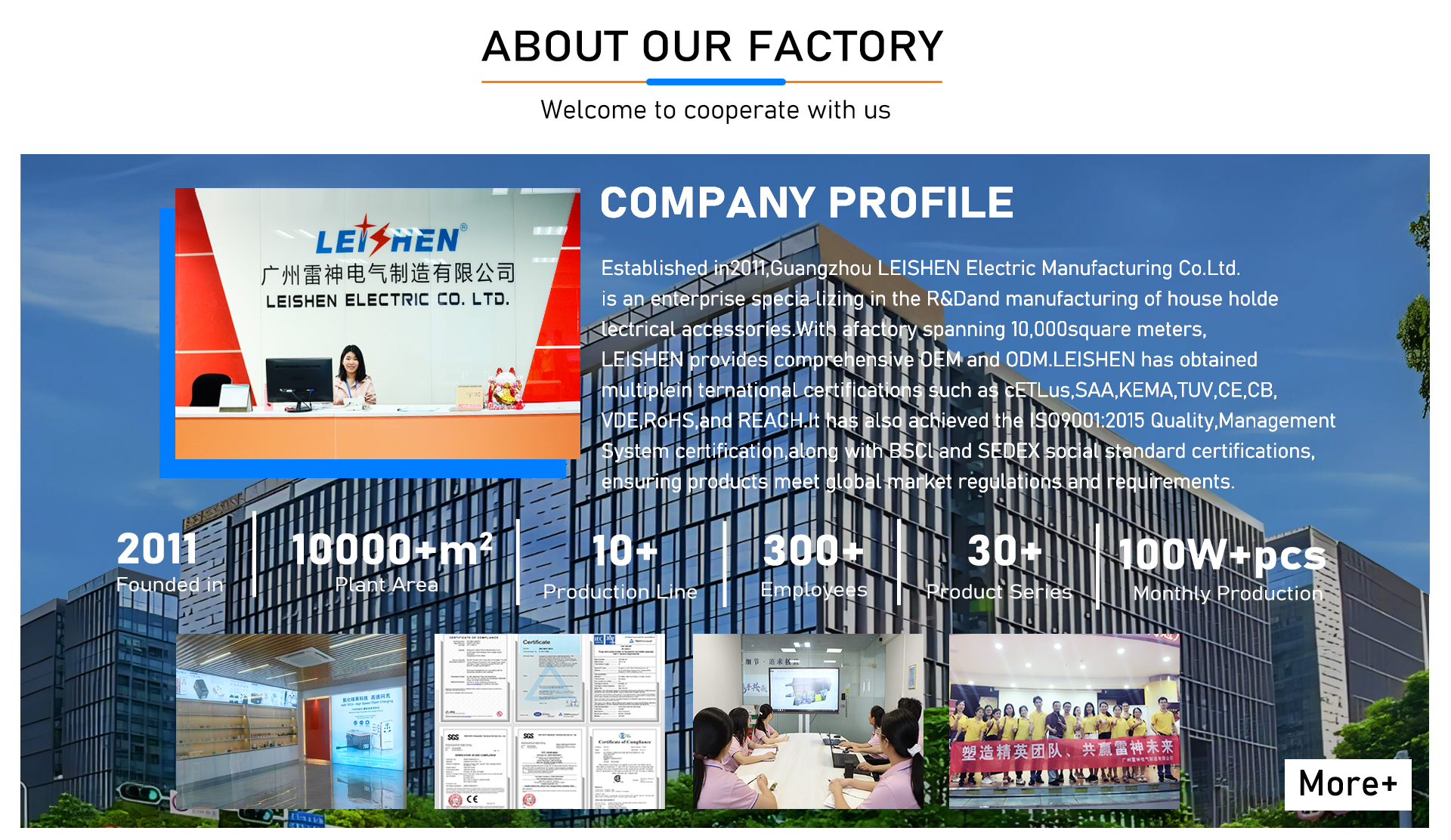
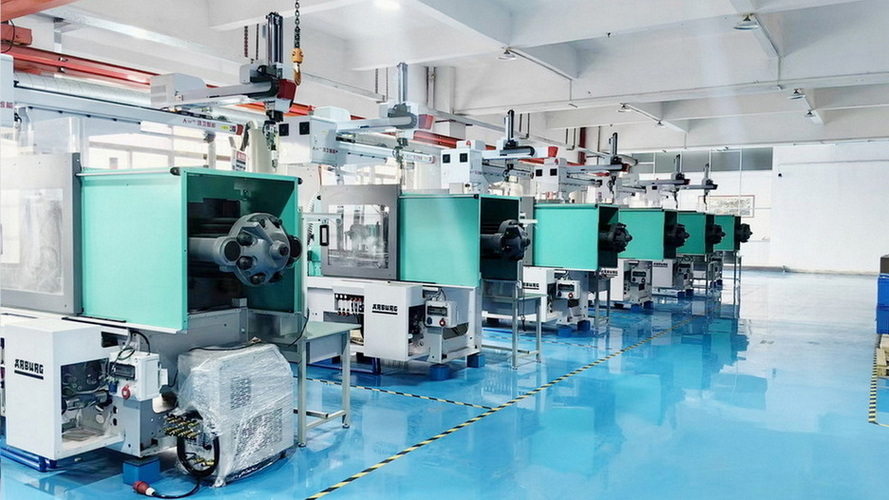
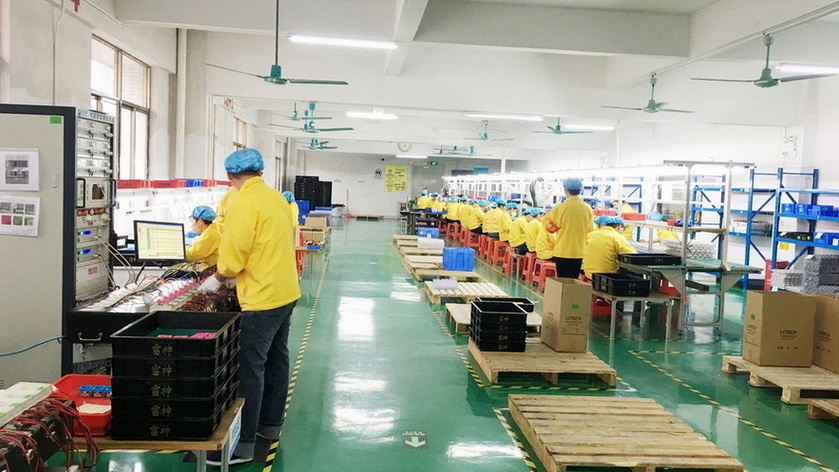
Unlike trading entities that outsource production across fragmented workshops, our 10,000-square-meter facility executes complete vertical integration. We operate 10+ standardized assembly lines, dedicated tool-and-die manufacturing cells, high-speed SMT placement machinery, and high-temperature aging chambers.
Having completed direct vendor audits and manufacturing contracts for Fortune 500 enterprises, our operational processes conform strictly to ISO 9001:2015 quality standards. Every batch of wall outlets and travel adapters maintains material traceability back to raw copper ingots and virgin polycarbonate resin lots.
SGS Verified Factory Audit
Our operational scale, production capacity, machine inventory, and ethical labor standards are audited independently by SGS. Complete third-party verification reports and supplier assessment certificates are available immediately for procurement due diligence.
Inside Our In-House Testing Laboratory: Failure-Mode Prevention
Certificates are only as robust as the daily calibration and testing protocols executed on the production floor. Our internal quality control center is equipped with analytical instruments matching international accreditation lab standards.
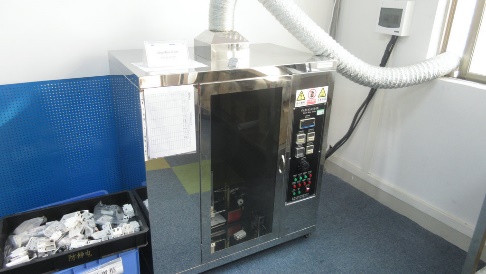
Glow Wire Ignition Tester
Exposes structural plastics to an electrically heated loop up to 850°C (IEC 60695-2-11) to confirm self-extinction within 30 seconds, eliminating ignition risk during sustained internal thermal overloads.
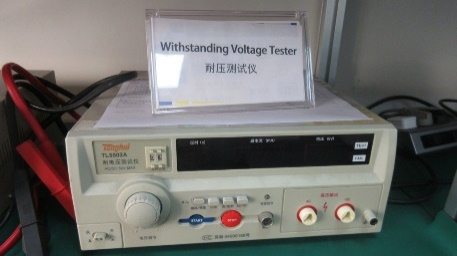
Hi-Pot Withstand Voltage
Applies 3,750V AC dielectric testing across primary circuits and user-accessible front faceplates, identifying micro-fractures in insulation barriers to prevent dangerous electrical breakdown.
Plug Withdrawal Dynamics
Digital force dynamometers measure contact retention force across 10,000 continuous insertions, ensuring plug sleeves do not loosen, generate arcing, or present excessive insertion resistance.
Oscilloscope & PD Analysis
High-bandwidth digital storage oscilloscopes inspect USB Type-C PD handshake protocols, verifying ripple voltage remains below 80mVp-p under dynamic full-load step transitions.
Emerging Procurement Trends & Next-Gen Engineering (2025–2030)
Understanding shifting regulatory imperatives and power architectures is essential for brand owners, B2B importers, and commercial developers seeking future-proof electrical portfolios.
GaN III & High-Density Power Integration
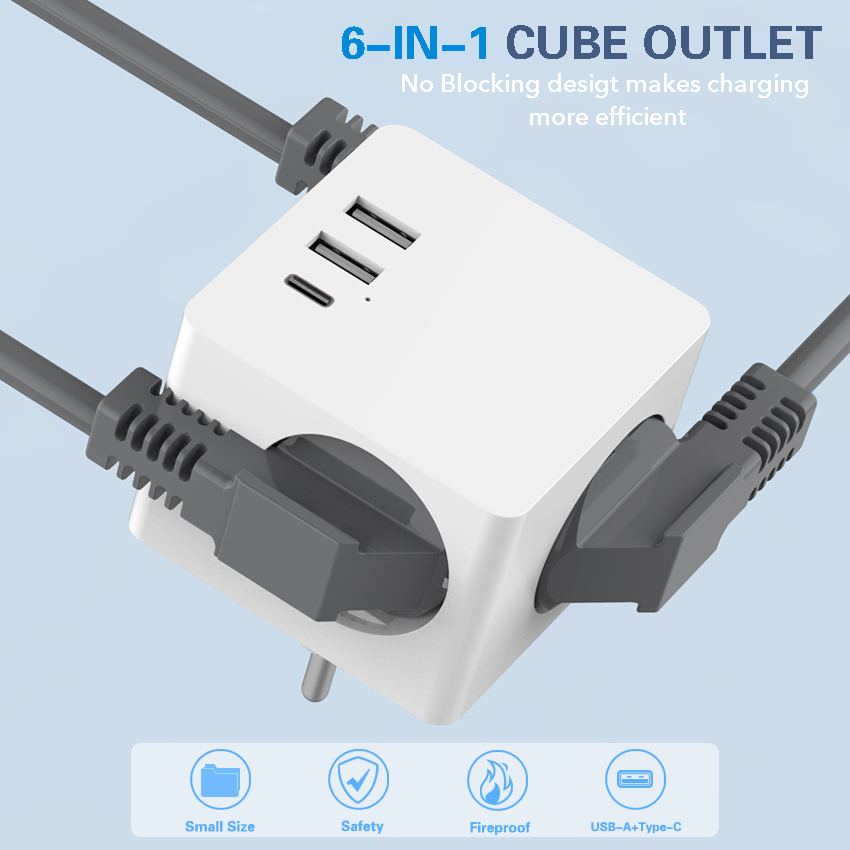
Gallium Nitride semiconductors have rendered silicon-based wall transformers obsolete. Modern travel cubes and in-wall modules pack up to 100W PD (Power Delivery 3.1) into footprints previously limited to 15W. Lower RDS(on) resistance drastically mitigates thermal dissipation inside standard 35mm-deep flush wall boxes.
Universal USB-C Mandates (EU Directive 2022/2380)
Global legislative shifts are eliminating proprietary barrel connectors and legacy USB-A ports. Sourcing strategies require architectural sockets featuring dual Type-C receptacles capable of variable PPS (Programmable Power Supply) voltage steps to service ultrabooks, smartphones, and mobile work tools without external adaptors.
Post-Consumer Recycled & Halogen-Free Plastics
Tier-1 procurement criteria in Western Europe and the Nordics prioritize Eco-Design directives. Manufacturers are transitioning to UL 94 V-0 flame-rated compounds using up to 35% Post-Consumer Recycled (PCR) polycarbonate and halogen-free flame retardants, curbing Scope 3 greenhouse emissions in corporate hardware tenders.
Procurement Engineering Insight: Smart Dynamic Power Allocation
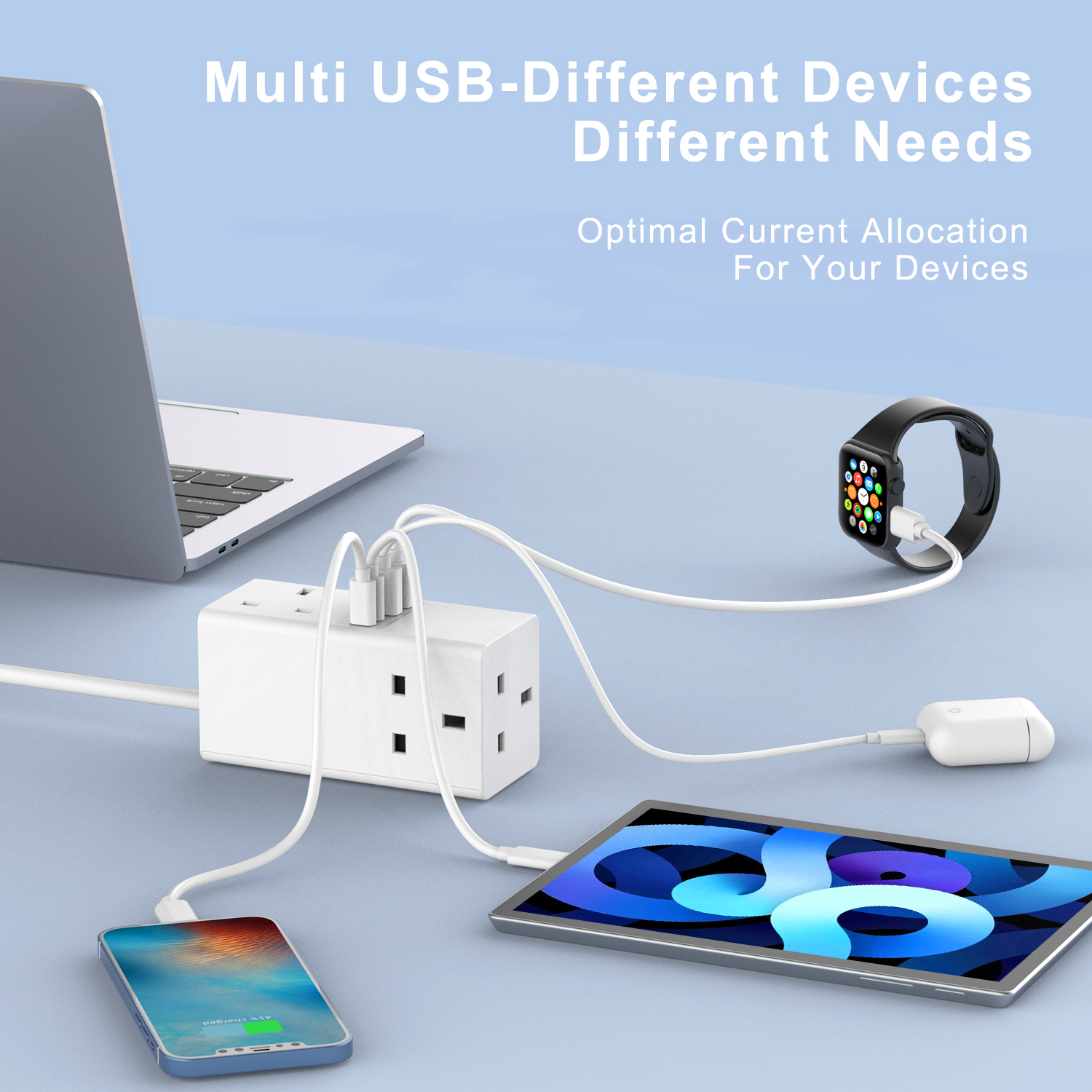
In multi-port charging outlets (such as our 3 USB-C + 1 USB-A travel configurations), static wattage division leads to user frustration and premature component shutdown. Next-generation designs leverage intelligent MCU micro-controllers executing real-time load distribution (e.g., dynamically balancing 65W to a laptop and 30W to a fast-charging smartphone without resetting the active power handshake).
Global Outlet & Adapter Specification Standards Matrix
Cross-reference regional plug geometries, nominal voltage ratings, mechanical safety requirements, and statutory certification bodies prior to tooling or batch placement.
| Target Region | Plug Type / Standard | Nominal Rating | Mandatory Safety Standards | Critical Engineering Focus | Certification Bodies |
|---|---|---|---|---|---|
| United Kingdom & Ireland | Type G (BS 1363-1/-2) | 13A / 250V AC | BS 1363, BS 5733, UKCA | Integrated BS 1362 ceramic fuse, internal automatic shutters on live/neutral pins. | BSI / Intertek / UKCA |
| Germany & Northern Europe | Type F (CEE 7/3 Schuko) | 16A / 250V AC | IEC 60884-1, DIN VDE 0620 | Dual lateral spring-loaded grounding clips, recessed 55mm insertion collar. | TÜV / VDE / CE |
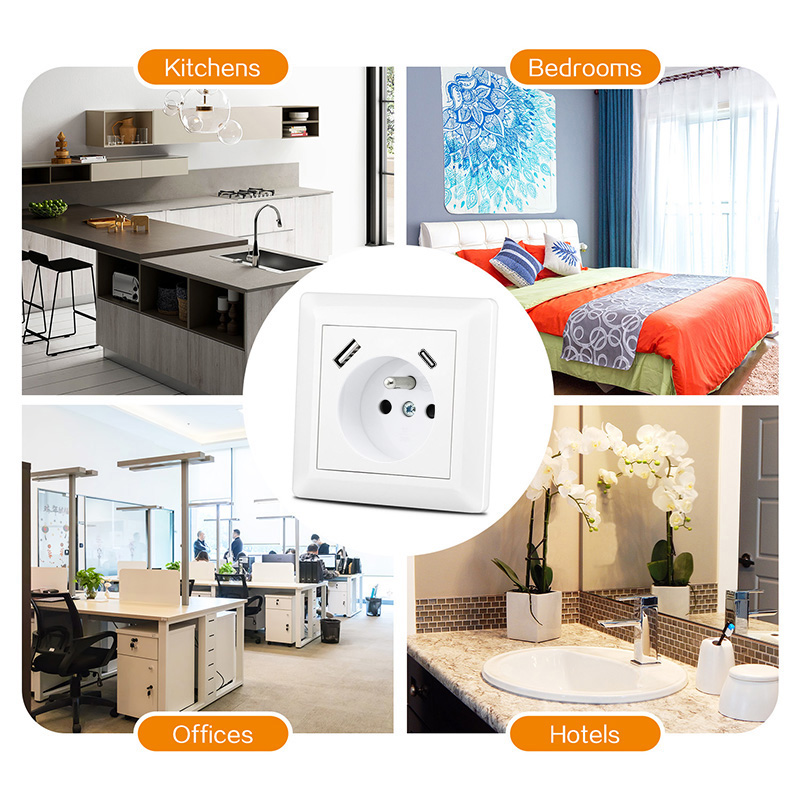
| France & Belgium | Type E (NF C 61-314) | 16A / 250V AC | NF C 61-314, CEE 7/5 | Protruding permanent earth pin with 100N retention strength, 55x55 module alignment. | LCIE / NF / CE |
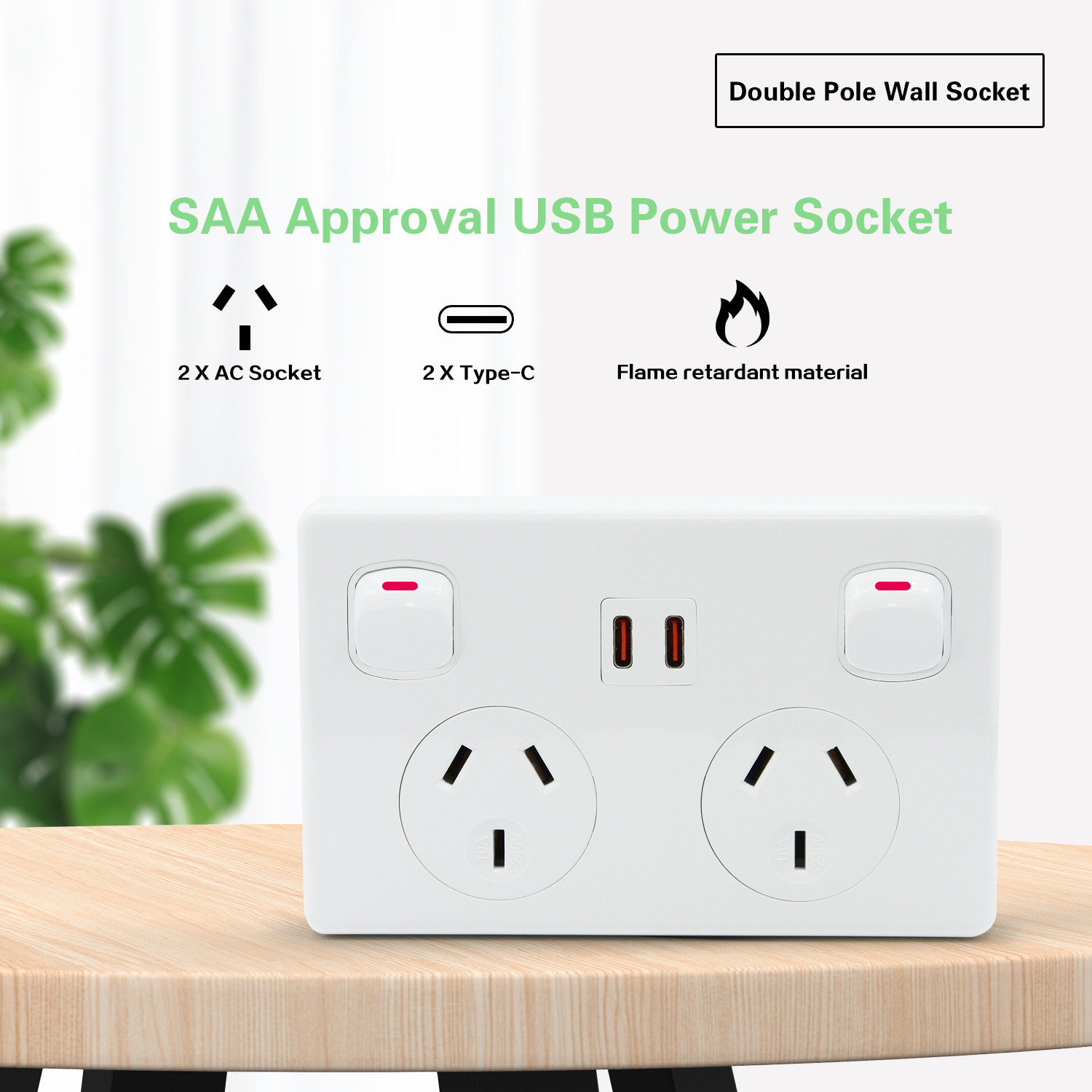
| Australia & New Zealand | Type I (AS/NZS 3112) | 10A - 15A / 240V AC | AS/NZS 3112, AS/NZS 3133 | Insulated active & neutral pin sleeves, double-pole switching mechanism. | SAA / RCM |
| Israel & Palestinian Auth. | Type H (SII 32) | 16A / 250V AC | IS 32 Part 1.1 / Part 2 | Three-pin round configuration, child-resistant internal sliding barrier. | Standards Inst. of Israel |
| Worldwide Multi-Country | Universal 4-in-1 Sliders | 6A - 10A / 100-250V | IEC 60884-2-5, BS 8546 | Mechanical single-plug lockout slide preventing concurrent multi-pin extension. | CE / FCC / RoHS / KEMA |
Structured OEM/ODM Development: Risk-Free Production Execution
We eliminate prototyping friction through a battle-tested six-stage Design for Manufacturing (DFM) pipeline, ensuring zero structural defects from preliminary concept sketches to container discharge.
1. CAD/CAM & Tooling Simulation
Our engineering team converts customer industrial designs into SolidWorks/Pro-E parametric models, performing mold-flow simulation to prevent sink marks, pin stress, and poor dielectric clearance.
2. High-Precision SLA 3D Prototyping
Functional resin housings and SLA prototypes are fabricated within 48 to 72 hours, enabling buyers to confirm dimensional fit in standard wall mounting back boxes and assess tactile switch actuation.
3. Pre-Compliance Verification
Before hardened steel tooling is finalized, pre-production electrical assemblies undergo EMC emissions testing and high-temperature thermal mapping inside our in-house lab to guarantee certification success.
4. Hardened Multi-Cavity Tooling
Tooling dies are milled with Swedish or Japanese high-carbon steel, rated for 500,000 to 1,000,000 cycles with tight mechanical tolerances (+/-0.02mm), ensuring razor-sharp flash-free parting lines.
5. 100% Automated In-Line Burn-In
Every PCBA sub-assembly undergoes automated optical inspection (AOI), followed by full-load burn-in testing under elevated thermal conditions to weed out infant-mortality component defects.
6. Turnkey Retail & Freight Execution
We provide complete packaging services: bespoke color gift boxes, blister cards, barcode serialization, FSC-certified master cartons, palletization, and smooth FOB/CIF international export customs clearance.
Frequently Asked Questions: Sourcing & Manufacturing Engineering
Direct technical answers to critical questions commonly raised by professional electrical buyers, safety engineers, and logistics managers.
What is the standard MOQ for custom branded orders vs. catalog models?
For standard catalog models and ready-to-ship inventory, minimum order quantities start at 100 to 500 units. For private-label silk-screen branding and custom color packaging, MOQ is generally 1,000 units. Bespoke custom tooling projects (requiring new injection molds and custom PCB layout) typically begin at 3,000 to 5,000 units depending on geometry.
How does your factory ensure compliance with BS 1363 UK safety shutter rules?
Under BS 1363 standards, outlet apertures must feature an automatic shutter mechanism that remains locked until an earth pin of designated length and cross-section is inserted. Our tooling utilizes reinforced polyoxymethylene (POM) shutter cams and stainless torsion springs rated for 15,000 mechanical operations, completely preventing single-terminal penetration.
What metal alloys are utilized for contact terminals and conductor bridges?
We strictly utilize high-grade phosphor bronze (QSn6.5-0.1 or CuSn6) and high-conductivity brass (H62/H65) stamped in continuous progressive dies. We strictly avoid cheap recapped iron-copper sheets. This guarantees exceptional spring memory, low contact resistance, and a steady thermal rise under 45K at full 16A rated load.
Can you provide verifiable laboratory test reports prior to shipping?
Yes. We provide complete third-party and in-house laboratory inspection reports before each order departs Guangzhou. This includes full dielectric withstand (Hi-Pot) verification sheets, salt spray corrosion records, burn-in aging logs, and authentic CE, RoHS, UKCA, or SAA certificate copies traceable directly to accredited notified bodies.
How does GaN technology affect heat dissipation in enclosed wall socket boxes?
Gallium Nitride exhibits a significantly wider bandgap than legacy silicon MOSFETs, operating at greater switching frequencies with up to 94% efficiency. This reduced waste heat allows our engineers to integrate 45W to 65W PD chargers directly into 35mm-deep back boxes while keeping ambient casing temperatures well beneath the IEC 62368-1 touch temperature limits.
Do universal travel adapters step down or convert incoming AC mains voltage?
Universal travel plug adapters act purely as physical geometry converters; they do not convert alternating line voltage (110V vs 230V). However, our integrated USB fast-charging PCBA modules accept universal wide-input voltages from 100V to 250V AC at 50/60Hz, automatically rectifying and delivering regulated DC power safely anywhere in the world.
What flame-retardant polymer ratings do you mandate for adapter enclosures?
All load-bearing and outer enclosure components are molded from 100% virgin Bayer or Sabic Polycarbonate (PC), rated UL 94 V-0 or UL 94 V-1. This ensures that in the event of an external flashover or terminal overheating, the polymer will extinguish without flaming drips within 10 seconds of source removal.
How are single-pole vs. double-pole switches specified for Australia (AS/NZS 3112)?
Standard Australian domestic installations permit single-pole active-line switching. However, commercial applications, portable caravan sub-boards, and medical environments mandate double-pole mechanisms that simultaneously isolate both the active and neutral conductors. We manufacture both configurations under full SAA certification approvals.
Can you assist with country-specific customs declarations and certifications?
Yes. With over 90% of our production exported globally, our shipping desk works seamlessly with international freight forwarders, handling HS code classification, Certificates of Origin (Form E, CO, etc.), and technical dossier preparation for customs clearance across North America, Europe, the UK, Australia, and the Middle East.
What is your lead time for production tooling and mass manufacturing?
Prototype SLA samples take 3–5 working days. Custom injection tooling fabrication typically requires 30–35 calendar days, including first-shot samples (T1). Mass manufacturing lead times for repeated orders run 20–25 days from final deposit and packaging approval, supported by localized component safety stocks.
Connect Directly with Our Power Engineering Sourcing Team
Whether you require standard CE/UKCA/SAA certified stock for rapid market launch or full turnkey ODM tooling for an exclusive architectural product line, our Guangzhou engineering desk provides direct factory quotations, DFM evaluations, and sample arrangements within 24 hours.