Engineering In-Wall Power for Boston’s Institutional & Commercial Architecture
As one of North America's premier technology, biomedical, and academic hubs, the Greater Boston market presents uniquely stringent demands for smart power infrastructure. From historical Brownstone retrofits in Back Bay to multi-tenant life-sciences labs in Cambridge’s Kendall Square and luxury high-rises in the Seaport District, commercial developers and electrical wholesalers encounter complex regulatory and physical hurdles. Delivering reliable, safe, and technologically forward smart wall receptacles requires an intimate understanding of both local codes and future-ready electrical topology.
Under the Massachusetts Electrical Code (527 CMR 12.00), which incorporates and modifies the National Electrical Code (NEC 2023), compliance is strictly enforced by municipal wiring inspectors from the City of Boston Inspectional Services Department (ISD). Two foundational regulations govern all procurement: NEC Article 406.12 Tamper-Resistant (TR) Receptacles in all residential dwelling units, guest rooms, and childcare facilities, and NEC Article 406.4(D)(4) Arc-Fault Circuit-Interrupter (AFCI) protection. For an OEM exporter, providing hardware with integrated, heavy-duty mechanical shutter systems that prevent foreign object insertion while maintaining smooth insertion force is not merely an option—it is the baseline for passing field inspection.
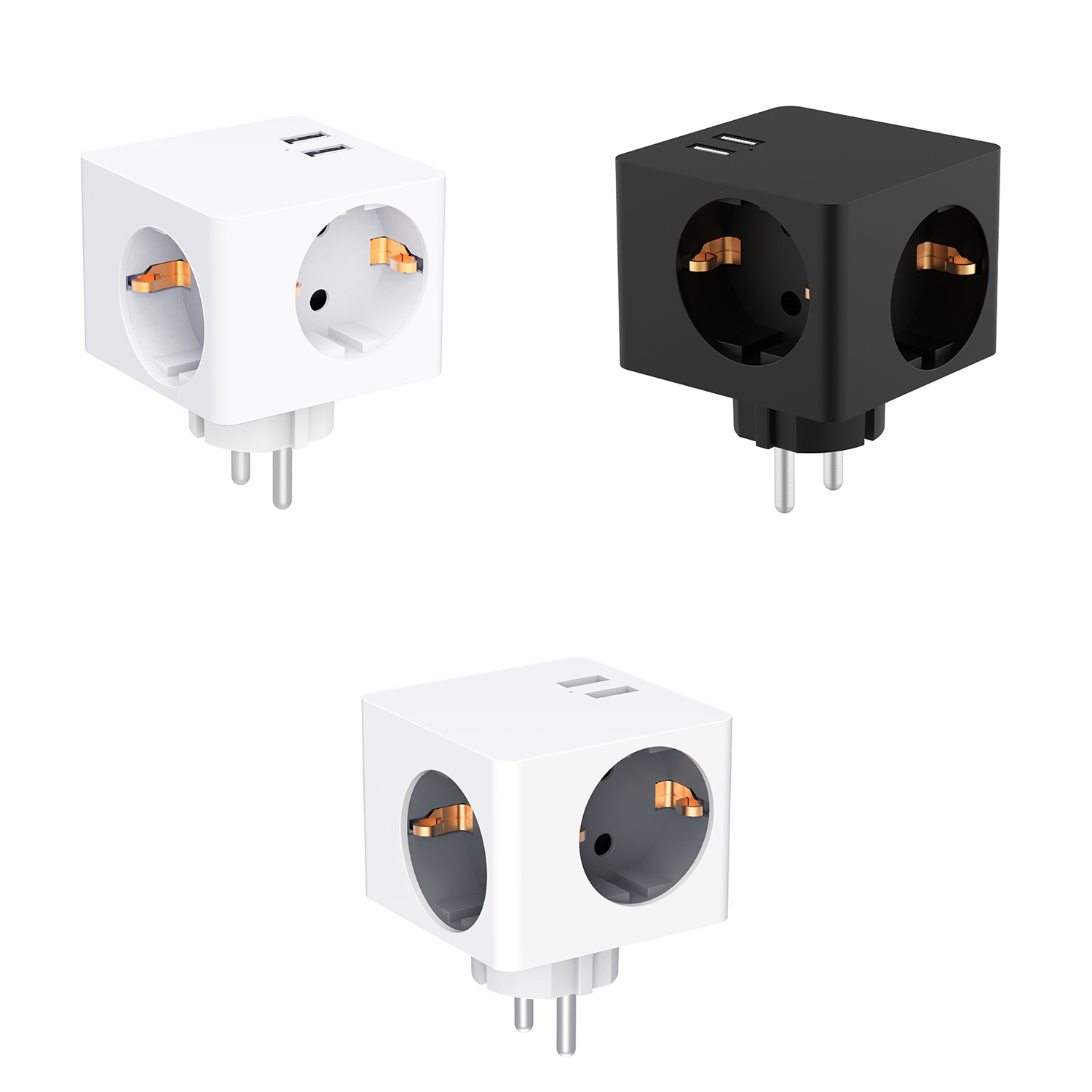
Furthermore, Boston's urban fabric poses unique spatial constraints. Historic masonry structures across Beacon Hill, the North End, and the South End utilize shallow, non-metallic or cast-iron electrical boxes with extremely limited cubic-inch capacity (often 12.5 to 14 cu. in.). Conventional smart wall sockets that integrate bulky transformers and relay boards often exceed these clearances, leading to terminal bending, heat buildup, and fire hazards. Our custom OEM engineering designs solve this direct friction point by utilizing ultra-compact Gallium Nitride (GaN) power stages and thin-profile PCB stacking. This reduces the rear enclosure depth by up to 32%, allowing seamless installation into legacy shallow work boxes without requiring structural masonry modification.
Localized Applications Across the Greater Boston Ecosystem
Kendall Square Life Sciences & Tech Campuses
Deploying high-power 65W–100W GaN USB-C Power Delivery (PD 3.0) duplex smart receptacles inside non-critical wet-lab breakout stations, co-working benches, and executive suites. Eliminates external bulky AC bricks while providing ripple-free DC power to engineering workstations.
University Dormitories & Academic Facilities
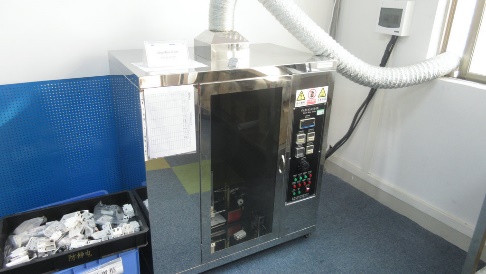
Serving Harvard, MIT, Boston University, and Northeastern campuses. Commercial-grade polycarbonate housings rated to UL 94 V-0 flame retardancy withstand aggressive continuous student use, while smart energy-monitoring firmware interfaces with building automation via Zigbee/Matter protocols.
Seaport Luxury Condominiums & Historic Brownstones
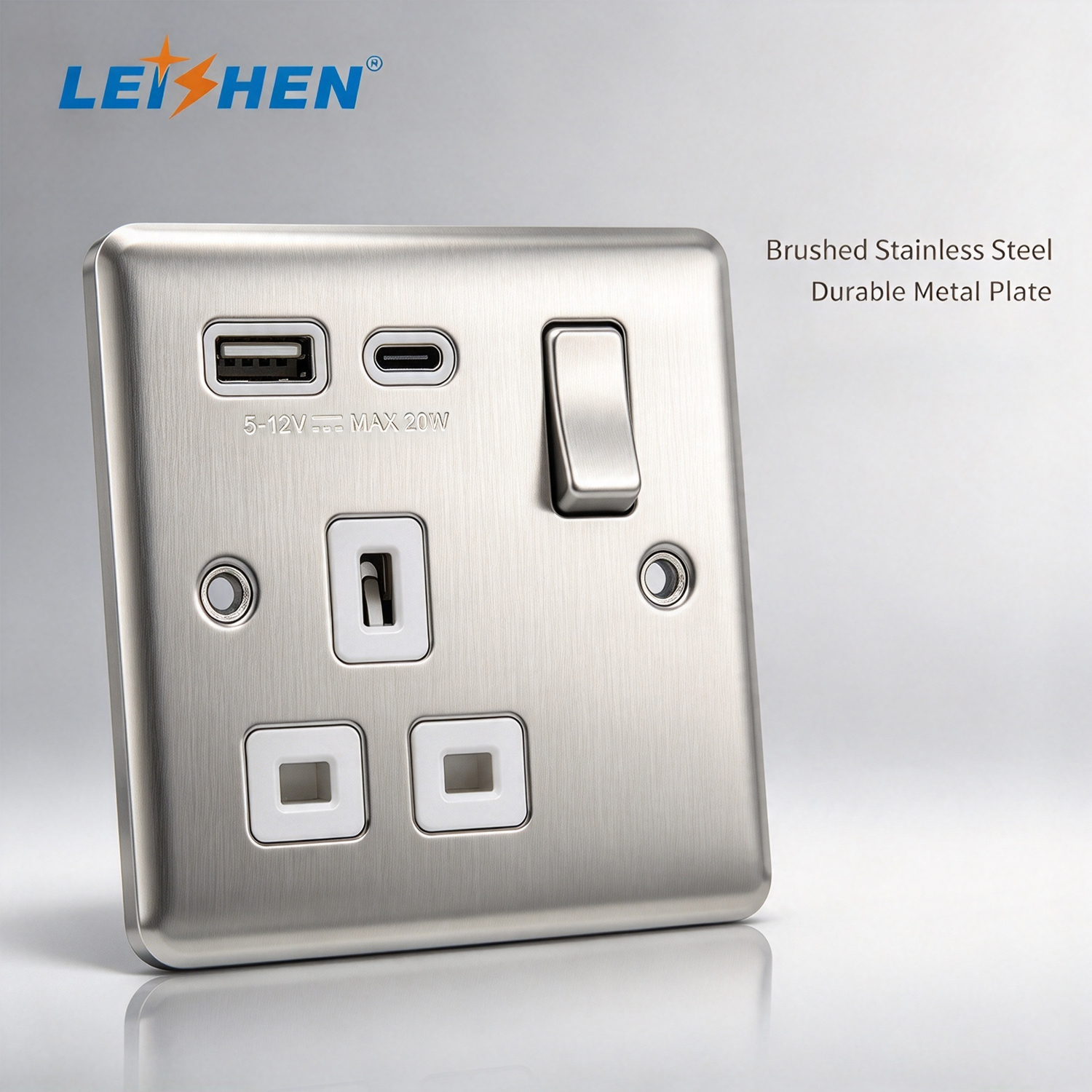
Engineered with brushed architectural screwless wall plates, ambient LED night-indicators, and IoT-enabled remote load shedding. Designed to assist real estate owners in complying with the Boston BERDO 2.0 emissions ordinance by optimizing unoccupied vampire load consumption.
Emerging Smart Power Infrastructure Trends in New England
The transition from standard mechanical AC outlets to intelligent distributed power nodes in New England is accelerating due to three major technological shifts:
GaN Direct-to-Device Fast Charging
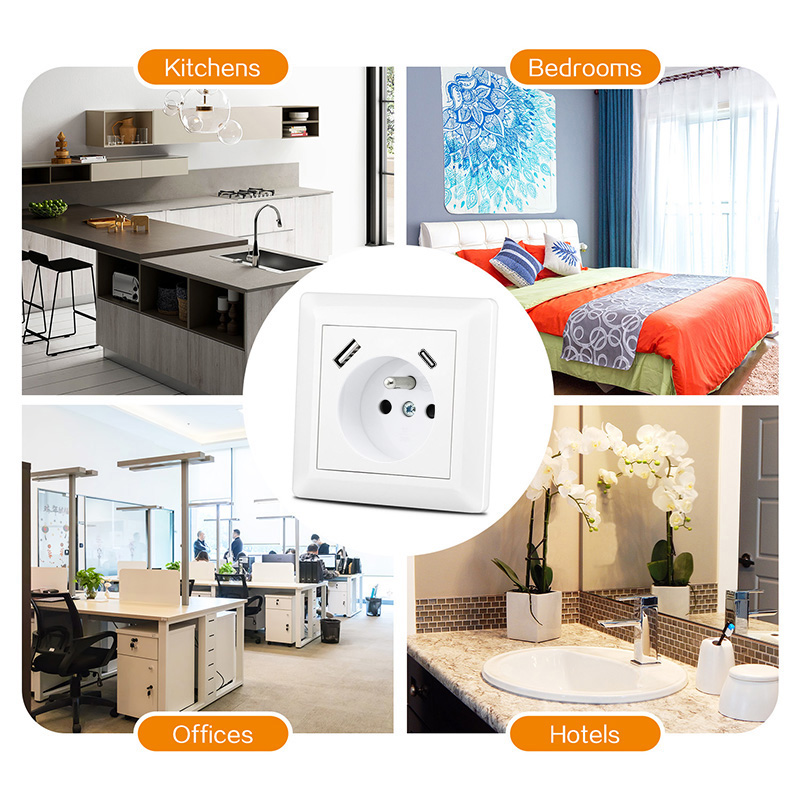
Commercial specifiers in Boston are systematically replacing standard 15A receptacles with integrated dual USB-C Power Delivery modules. Utilizing Gallium Nitride topology keeps in-wall operating temperatures significantly lower, prolonging electrolytic capacitor longevity and reducing thermal strain inside junction boxes.
Matter-Over-Thread Interoperability
Proprietary closed-loop RF smart switches are being phased out in Boston multi-family developments. Wholesalers demand Matter and Thread native silicon solutions that bridge natively across Apple HomeKit, Google Home, Amazon Alexa, and enterprise property management management platforms without external hubs.
BERDO 2.0 Driven Energy Telemetry
Boston's Building Energy Reporting and Disclosure Ordinance (BERDO) imposes strict financial penalties on buildings over 20,000 sq. ft. that fail net-zero carbon targets. Our OEM smart outlets feature onboard current-shunt metering chips providing real-time kWh power usage telemetry with ±1% laboratory accuracy.