Precision-Engineered Outlets & Power Solutions
Direct from our 10,000㎡ ISO-certified facility: verified flame-retardant enclosures, multi-standard international connectivity, and high-efficiency GaN integration designed to meet demanding Kansai commercial and architectural standards.
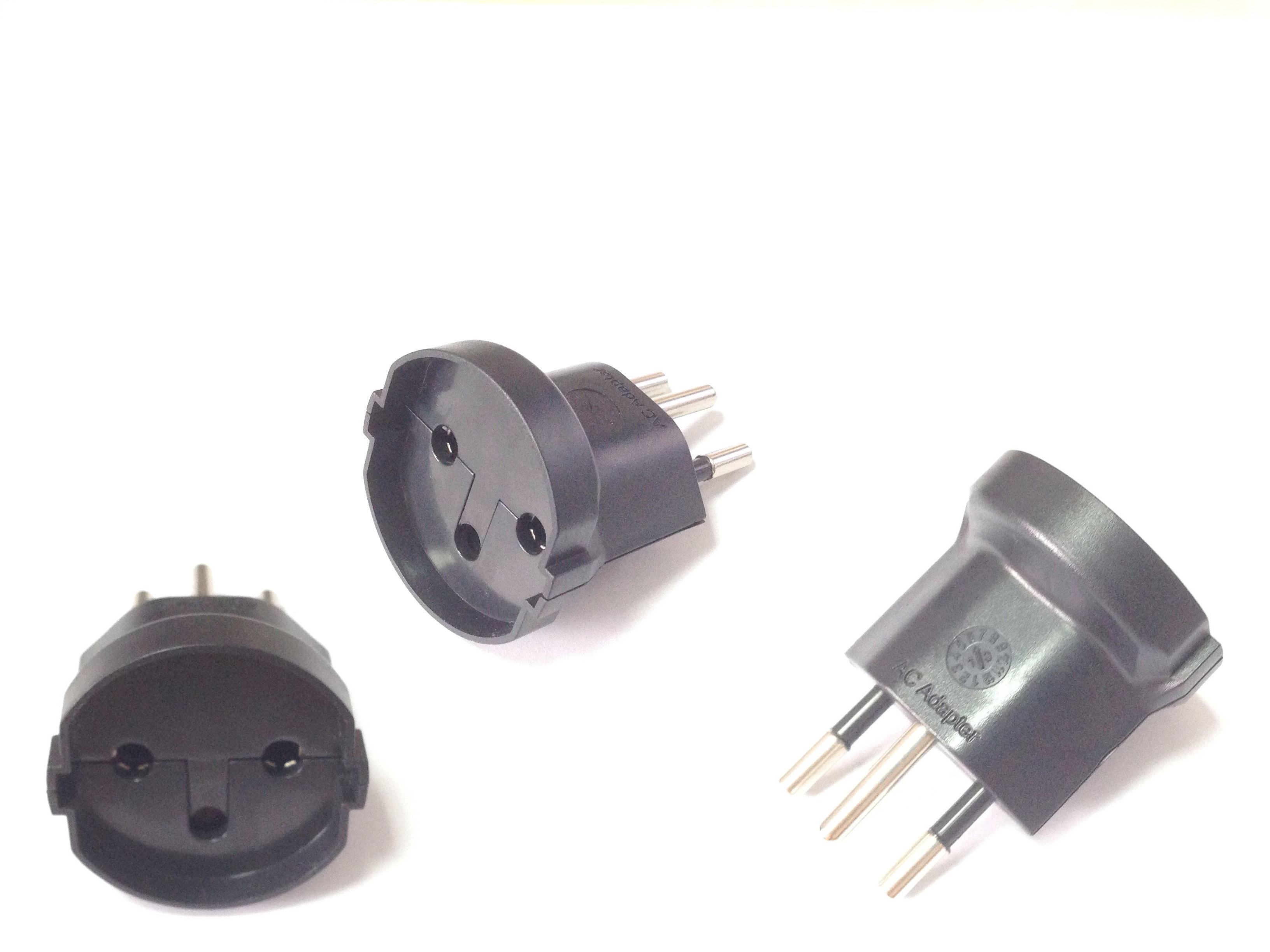
Leishen Factory SEV S+ Swiss Plug Adapter / Swiss Switzerland Adaptor
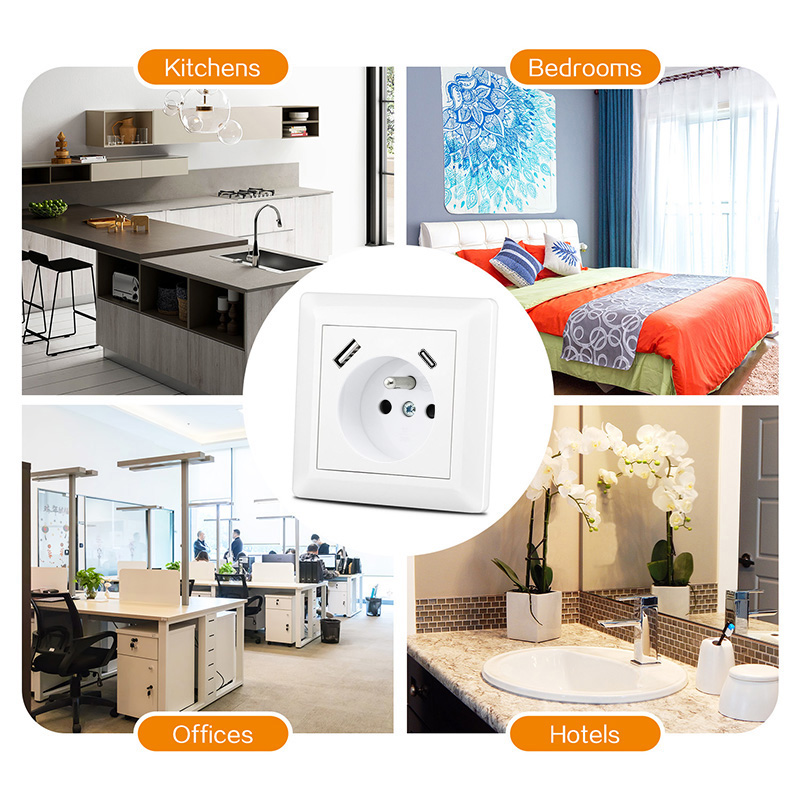
Leishen European Standard 55 France Wall Socket NF USB Type C
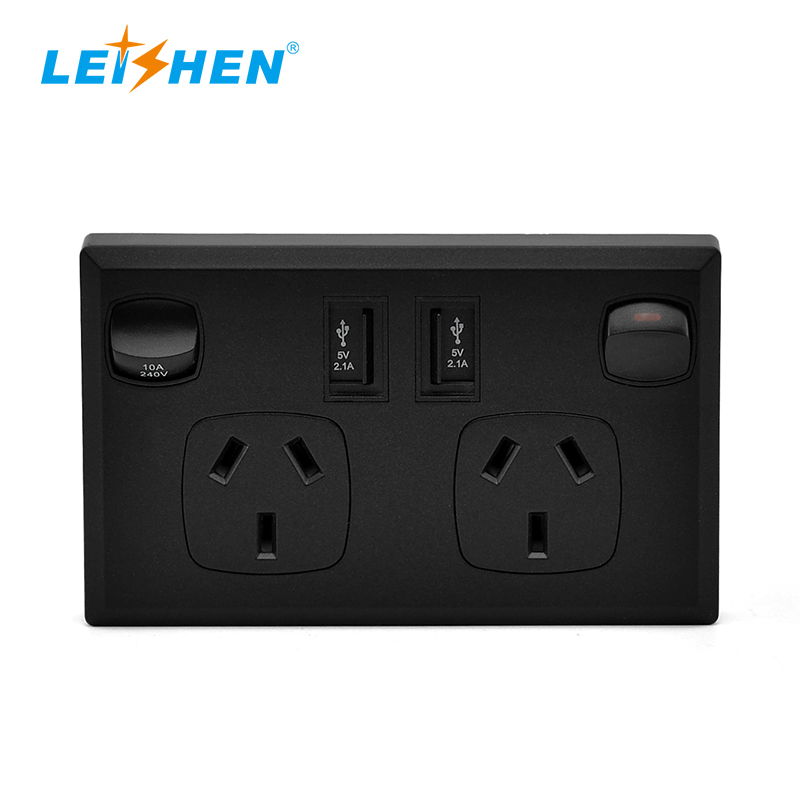
Australia Standard Silver Black Double Powerpoint USB Wall Socket
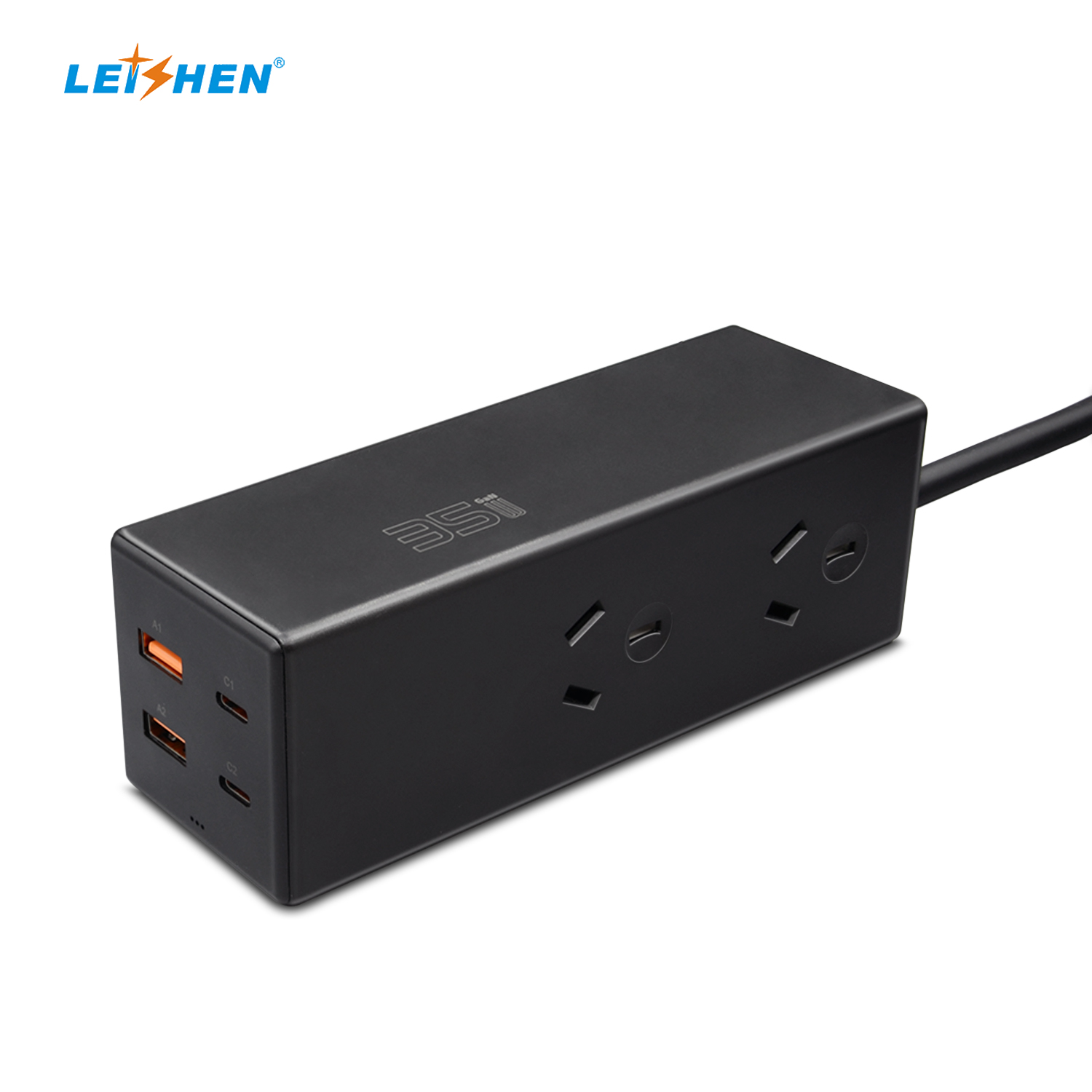
OEM Gallium Nitride Copper 10A Power Strip 4 Outlets 2C+2A
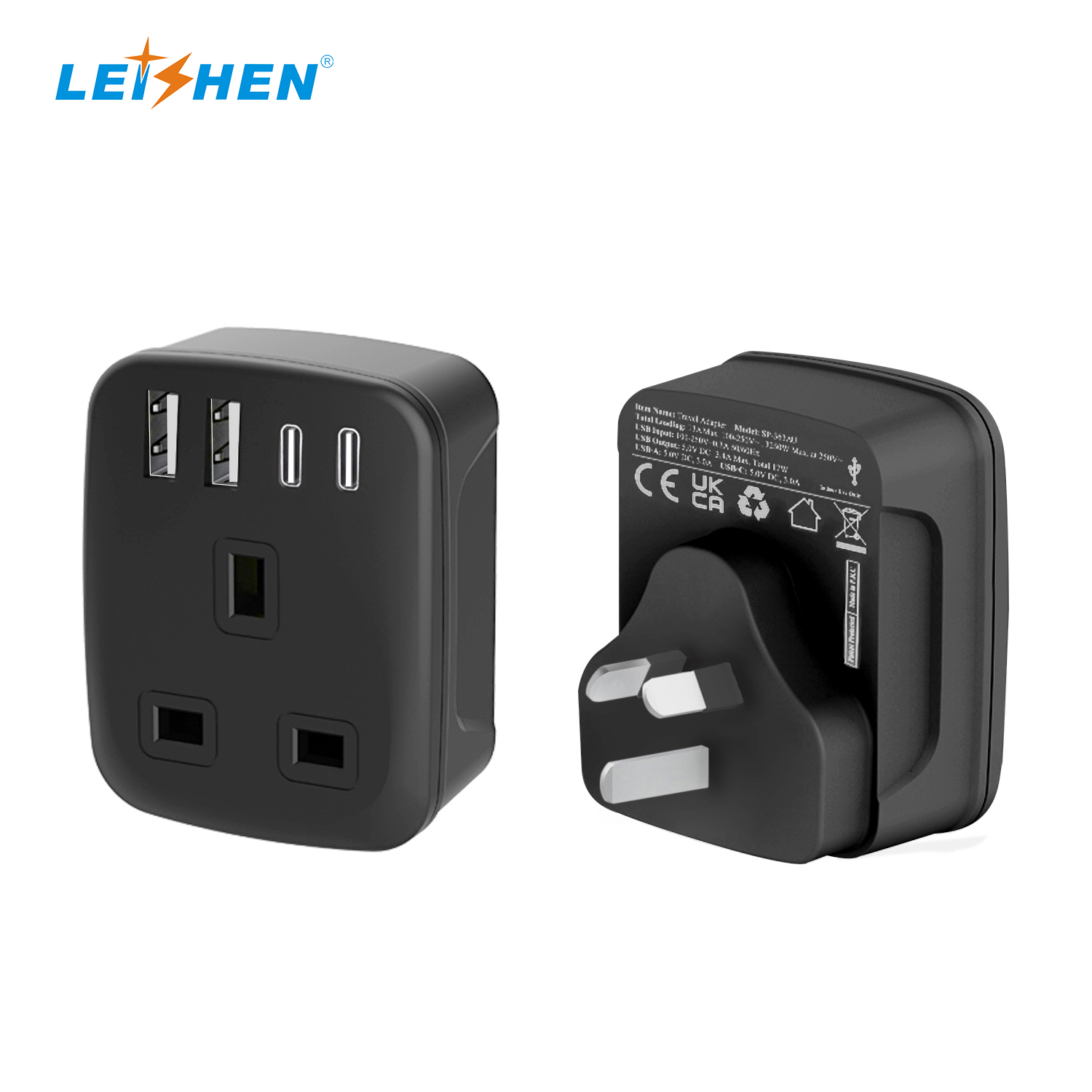
Premium Fireproof AU Plug to UK Socket 2USB-A + 2USB-C Adapter
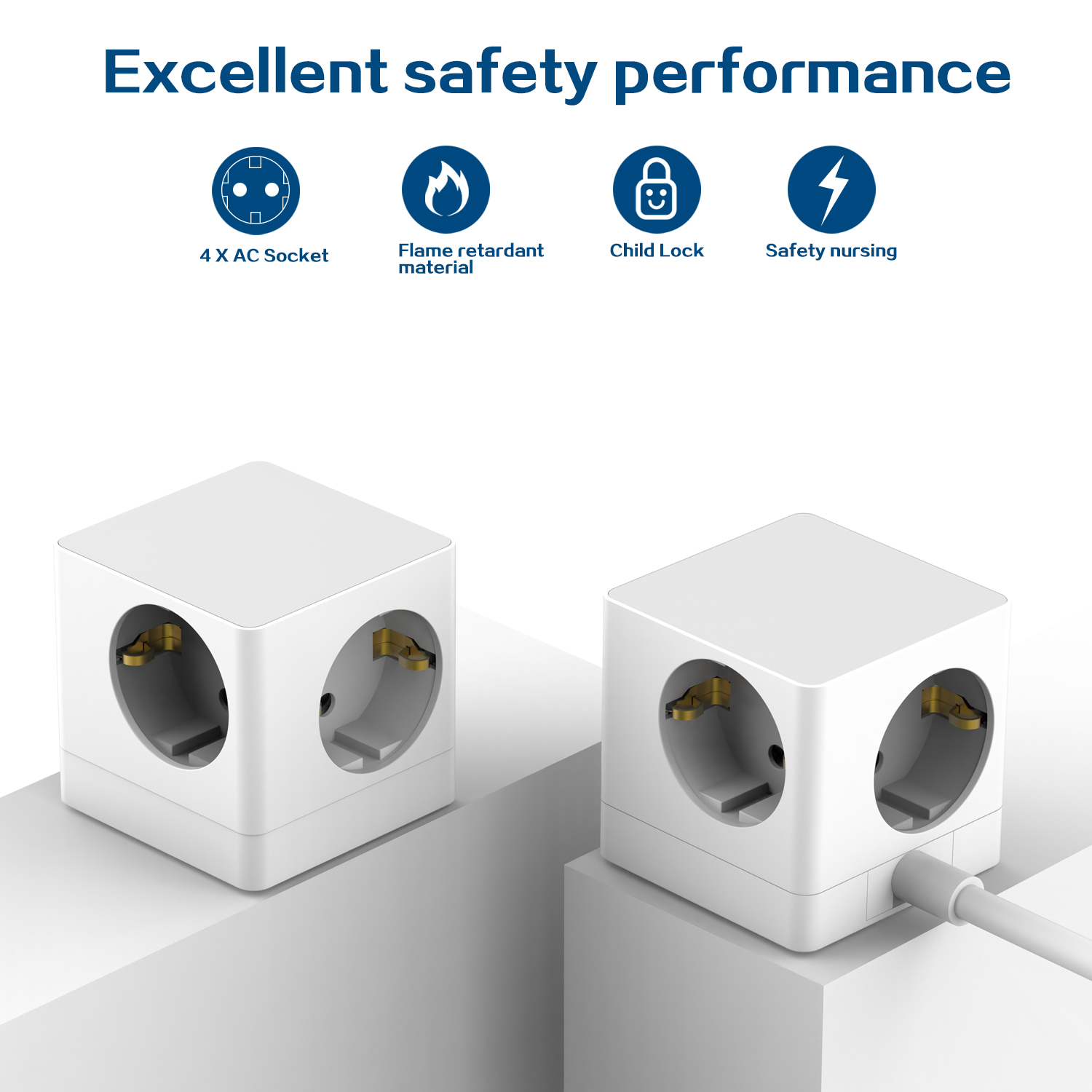
Ready to Ship Wholesale 4-Way EU Power Cube Socket Portable Schuko
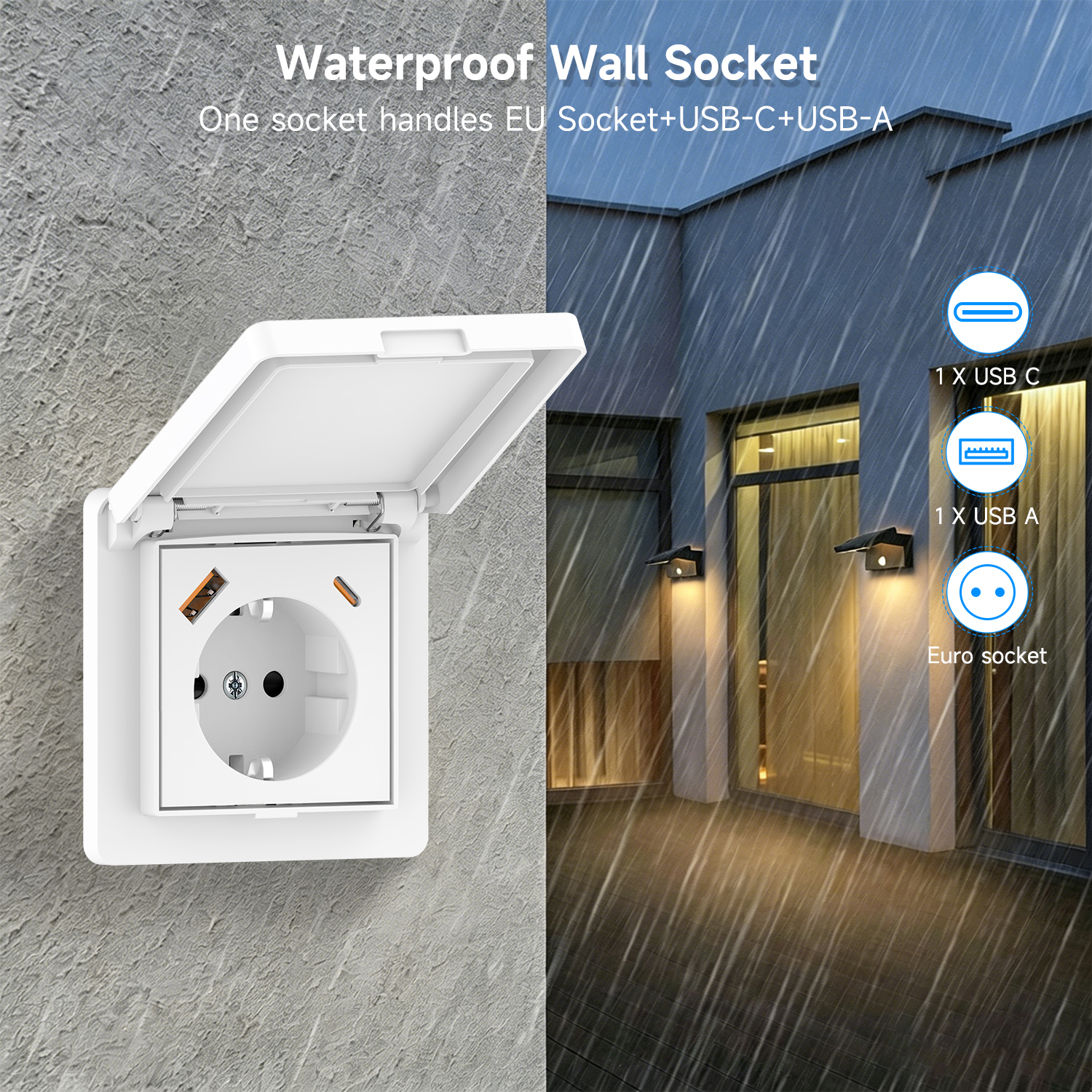
16A 250V IP54 Schuko Waterproof Wall Socket with USB A+C
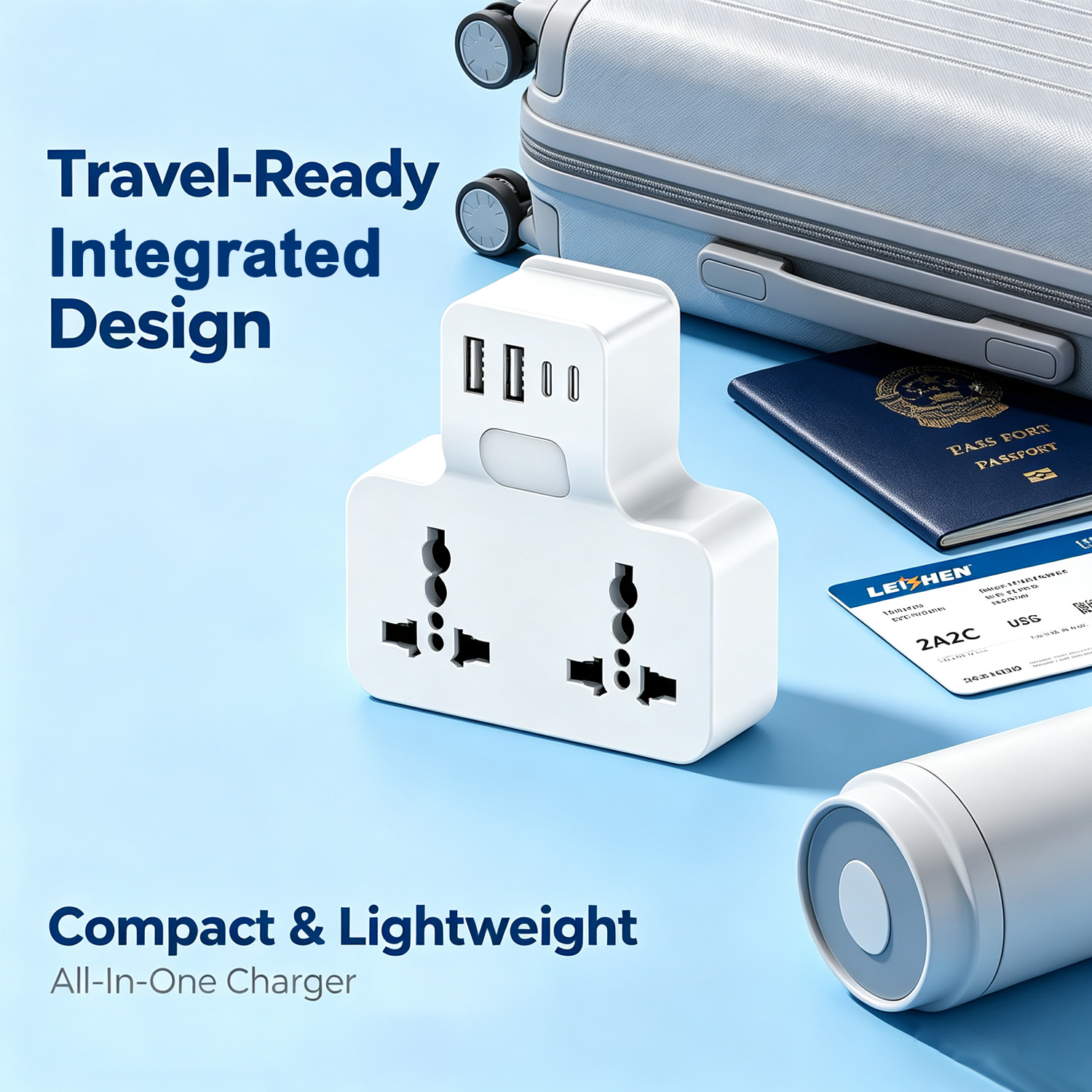
6-in-1 Multi-Country Plug Adapter with Dual Universal Sockets
Engineering Power for Kyoto's Heritage & Luxury Hospitality Landscape
Balancing centuries-old post-and-beam timber aesthetics with 21st-century high-density GaN electrical infrastructure.
Kyoto represents one of the world's most unique architectural and electrical procurement environments. As the ancient capital of Japan, its municipal guidelines enforce strict visual preservation under the Kyoto City Landscape Ordinance, while interior environments undergo rapid modernization to accommodate high-yielding luxury hospitality, MICE events, and residential luxury. For procurement directors, interior architects, and electrical contractors operating across the Kansai prefecture, sourcing electrical outlets and localized wiring devices requires solving a complex engineering trilemma: absolute flammability containment within vintage timber structures, invisible aesthetic integration into traditional woodwork, and ultra-high power density for international travelers.
Traditional Japanese residential wiring predominantly utilizes Type A (JIS C 8303 ungrounded) and Type B (grounded) terminations operating on a single-phase 100V 50Hz/60Hz grid. However, Kyoto's positioning as an international luxury hub—drawing top-tier travelers from Europe, North America, the GCC, and Australasia—has exposed severe infrastructure bottlenecks. Modern guests arrive equipped with USB-C PD laptops, smartphones, camera rigs, and wearable batteries requiring up to 100W of rapid charging. Standard step-down transformers and plastic travel plug adapters are hazardous eyesores within meticulously restored Kyomachiya (京町家) townhouses. Our factory-direct OEM/ODM manufacturing fills this technological void by providing flush-mounted, custom-anodized wall plates that combine Japanese aesthetic harmony with multinational socket compatibility and native USB Power Delivery (PD) GaN micro-inverters.
Machiya Townhouse Adaptive Reuse
Traditional Kyoto Machiya feature narrow wooden wall cavities, aged cedar (Sugi) beams, and plaster walls where heat buildup is a catastrophic fire hazard. Our ultra-shallow 28mm mounting depth chassis with UL94 V-0 flame-retardant enclosures and 850°C glow-wire certified resin eliminate thermal transfer risks in century-old timber framing.
Luxury Ryokan & Boutique Resorts
High-end properties in Higashiyama, Arashiyama, and Gion demand flawless visual continuity. We manufacture bespoke faceplates in deep matte black, brushed bronze, and champagne gold that seamlessly blend with Tatami borders, Hinoki joinery, and Shoji screens while integrating universal multi-standard pin receptacles and USB-C PD.
Academic MICE & R&D Hubs
Venues like the Kyoto International Conference Center and research campuses along the Keihanna Science City require heavy-duty desktop power tracks, IP54 outdoor exhibition modules, and high-frequency noise-filtered circuits capable of delivering stable current to hundreds of multinational delegates simultaneously.
Emerging Electrical Distribution Trends in the Kansai Basin
Key technical shifts shaping commercial procurement, hotel refurbishment, and residential architecture across Western Japan.
1. Gallium Nitride (GaN) In-Wall Integration
Traditional silicon step-down circuits generate excess ambient heat inside sealed electrical back-boxes. By substituting silicon with GaN semiconductors, our wall-mounted outlets increase energy conversion efficiency to 93%, reducing thermal output by 45% and allowing up to 100W PD delivery in compact 55mm and 86mm form factors.
2. Decarbonization & Low-Emission Copper Busing
Kyoto is the birthplace of the Kyoto Protocol; environmental stewardship directly impacts tender evaluations. We deploy high-purity phosphor bronze and oxygen-free copper interior stampings. This minimizes internal electrical resistance (impedance), eliminating vampire load power losses across thousands of guest rooms.
3. Strict Fire Safety Ordinance Harmonization
Following historical fire incidents in cultural districts, Kyoto Fire Bureau regulations enforce rigorous non-combustibility thresholds. Sourcing requires components tested beyond basic levels: housings must pass rigorous 960°C hot-wire testing, UL94 V-0 flame quenching within 10 seconds, and zero toxic halogen gas release.
4. Direct-Factory Custom Tailoring
Architects and project developers are shifting away from rigid catalog-standard catalogs distributed through multi-tiered Japanese trading companies (Shosha). Direct OEM partnership with our factory allows custom faceplate engraving, customized back-box brackets, and proprietary PCB tuning to match Kansai's 100V 60Hz frequency.
Engineering Compliance Matrix: Japan vs. Global Standards
A reference architecture for specifiers ensuring international safety harmonization across multi-standard Kyoto fitouts.
| Compliance Metric | Japanese Domestic Standard (PSE / JIS) | European Standard (CE / TÜV / NF) | Our Factory Engineering Standard | Kyoto Project Relevance |
|---|---|---|---|---|
| Flame Retardancy | JIS C 8303 / DENAN Act Appendices | IEC 60884-1 / EN 60669-1 (750°C) | 850°C – 960°C Glow Wire / UL94 V-0 | Crucial for preserving historical wooden townhouses (Machiya) against electrical fires. |
| Terminal Architecture | Screwless quick-connect (Wago type) | Screw terminals / Cage clamps | Dual-Compatibility Terminal Blocks | Allows rapid installation by local certified Japanese electricians (電気工事士). |
| USB Power Density | 5V/2.4A Standard Silicon (Typical) | PD 20W – 45W Type-C Standard | Native GaN 65W – 100W PD 3.0 / QC 4+ | Powers international business laptops directly without bulky external transformers. |
| Grounding Integrity | D-type grounding (≤ 100 Ω) | Schuko Type F side-ground / NF pin | ≤ 0.05 Ω Pure Copper Earth Continuity | Protects delicate AV/IT equipment during high-humidity Kansai summer thunderstorms. |
| Endurance Cycling | 10,000 cycles at rated current | 5,000 to 10,000 cycles | 15,000 Insertion / Withdrawal Cycles | Ensures multi-year durability under high turnover in luxury tourist accommodations. |
Why Tier-1 Contractors and Developers Partner with Us
Eliminating middleman margins while delivering aerospace-grade electrical reliability from our specialized manufacturing base.
SGS-Verified Production Facility
Our 10,000㎡ factory campus in Guangzhou houses 10+ automated assembly lines, high-speed stamping presses, robotic PCBA surface-mount (SMT) suites, and over 200 skilled operators. We are a trusted OEM manufacturer that has supplied electrical programs for Fortune 500 brands with audited supply chain traceability.
State-of-the-Art In-House Laboratory
Every manufacturing lot is subjected to comprehensive testing before shipment: 100% powered burn-in aging racks, high-voltage hi-pot dielectric breakdown (3,750V AC), plug retention withdrawal dynamometer testing, digital oscilloscope ripple verification, and 48-hour salt-spray corrosion chamber exposure.
Agile OEM/ODM Customization
We provide full design-to-tooling support. Whether your Kyoto project requires laser-etched room labeling, custom metallic powder-coatings, integrated RJ45 CAT6A / HDMI 2.1 passthrough modules, or custom-configured multi-socket power cubes, our engineering team produces 3D prototypes in 72 hours.
Frequently Asked Questions for Kyoto B2B Buyers
Addressing the critical electrical engineering, compliance, and logistics questions encountered by local Japanese procurement teams.
Can your wall sockets be mounted into standard Japanese metal and plastic wall boxes?
Yes. Our engineering department manufactures modular sub-frames compatible with standard JIS C 8340 / JIS C 8375 electrical back-boxes (standard 1-gang, 2-gang, and 3-gang switch boxes used throughout Japan). For historical Machiya restorations where surface-mounted wooden plinths or shallow wall recesses are used, we provide custom 28mm ultra-thin mounting chassis.
How do you handle PSE compliance and safety testing for custom OEM batches destined for Japan?
We work closely with METI-accredited testing bodies. Our manufacturing lines adhere strictly to the Electrical Appliance and Material Safety Law (DENAN Act). Depending on whether the unit is classified as a Category A (Specified Electrical Appliances - Diamond PSE) or Category B (Circle PSE), we conduct required factory inspections, insulation resistance tests, and supply verified documentation prior to export.
Can you provide custom luxury finishes that match traditional Kyoto timber palettes?
Absolutely. We specialize in high-end Physical Vapor Deposition (PVD) and micro-sandblasted anodizing. Our factory regularly formulates custom batches in hairline matte bronze, textured charcoal slate, and muted champagne gold designed specifically to harmonize with Japanese hinoki, cedar, and washi wall finishes without the plastic sheen of conventional residential fittings.
How do your GaN in-wall chargers handle heat dissipation inside wooden cavity walls?
Thermal management is the core advantage of our GaN architecture. Unlike generic silicon chargers that reach surface temperatures over 65°C, our GaN circuits run under 45°C under continuous 100W load. Furthermore, we wrap the internal PCBA with custom-formed aviation aluminum thermal spreaders and fill voids with high-dielectric potting compound, conducting heat evenly toward the outer faceplate away from structural timber.
What is the standard production lead time and logistics route for deliveries to Kyoto?
For standard catalog models and ready-to-ship inventory, orders dispatch within 3–7 business days. Custom OEM production runs (custom colors, logo engraving, bespoke PCB tuning) typically require 20–30 calendar days. Shipments are consolidated from our Guangzhou hub directly to the Port of Osaka (Kobe/Osaka bay) via fast sea freight (4–6 days transit) or dispatched via air freight to Kansai International Airport (KIX) for next-day customs clearance.
What are your Minimum Order Quantities (MOQ) for boutique or heritage renovation projects?
We recognize that boutique ryokan and historic restorations may not require 10,000 units. For standard catalog models, our MOQ starts at just 100 to 500 units. For specialized custom-anodized architectural wall plates or custom-tooled configurations, trial pilot runs begin at 500 pieces, supported by pre-production 3D sample evaluation to guarantee exact installation fit.