Engineered Electrical Systems & High-Density Charging Solutions
Direct manufacturer deployment of high-power GaN universal travel adapters, multi-pin international converters, and architectural USB sockets audited to meet rigorous global standards.
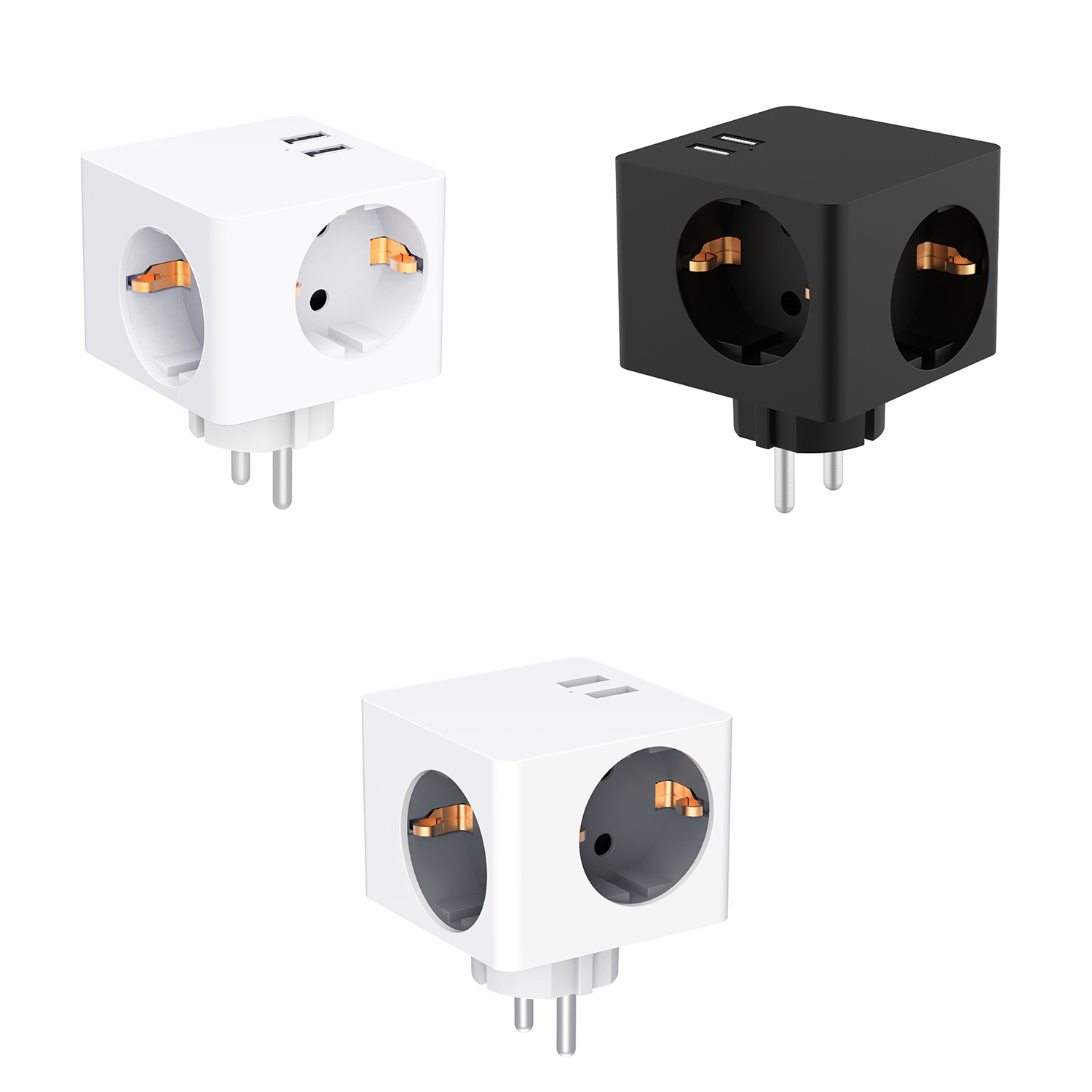
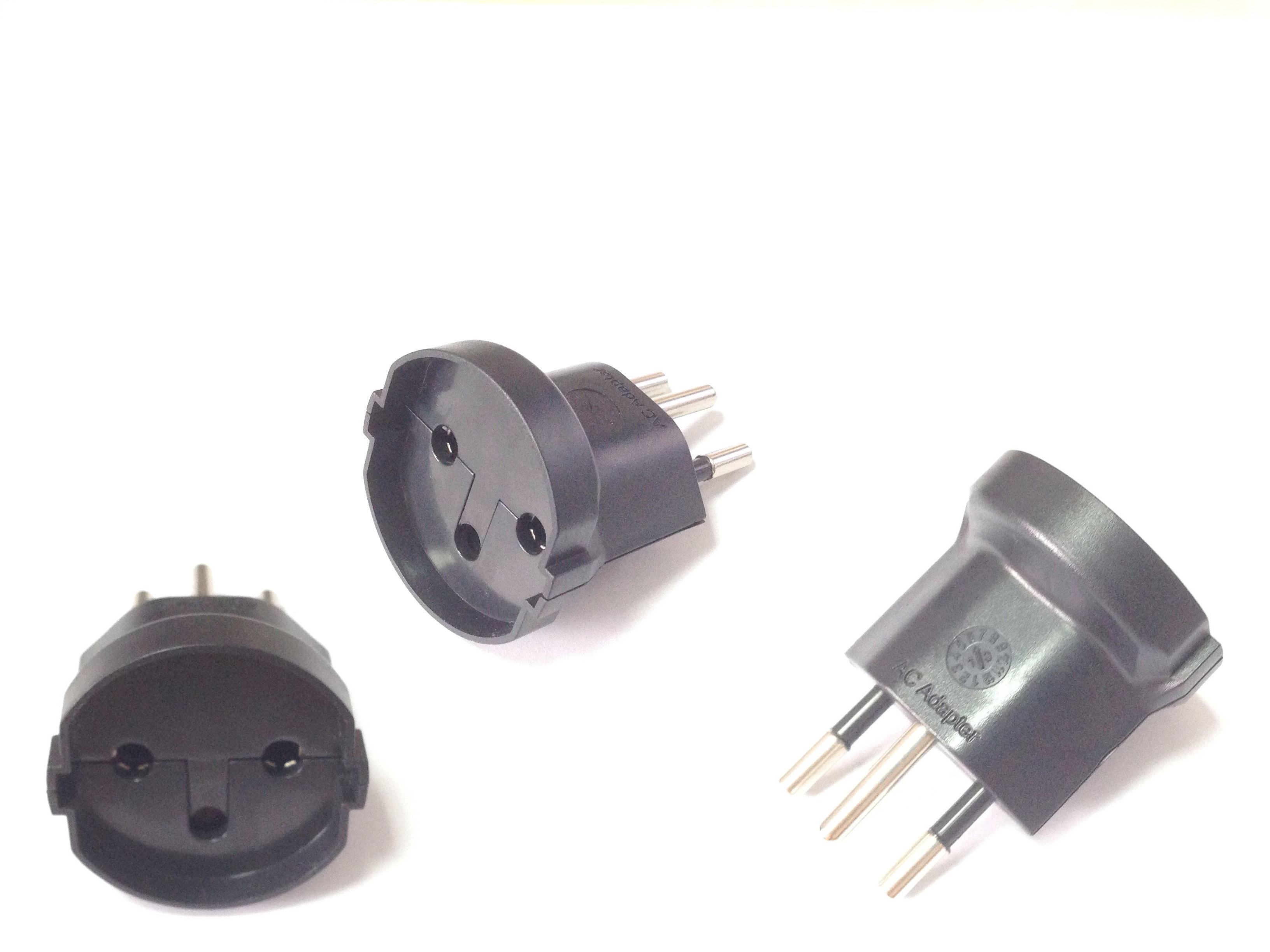
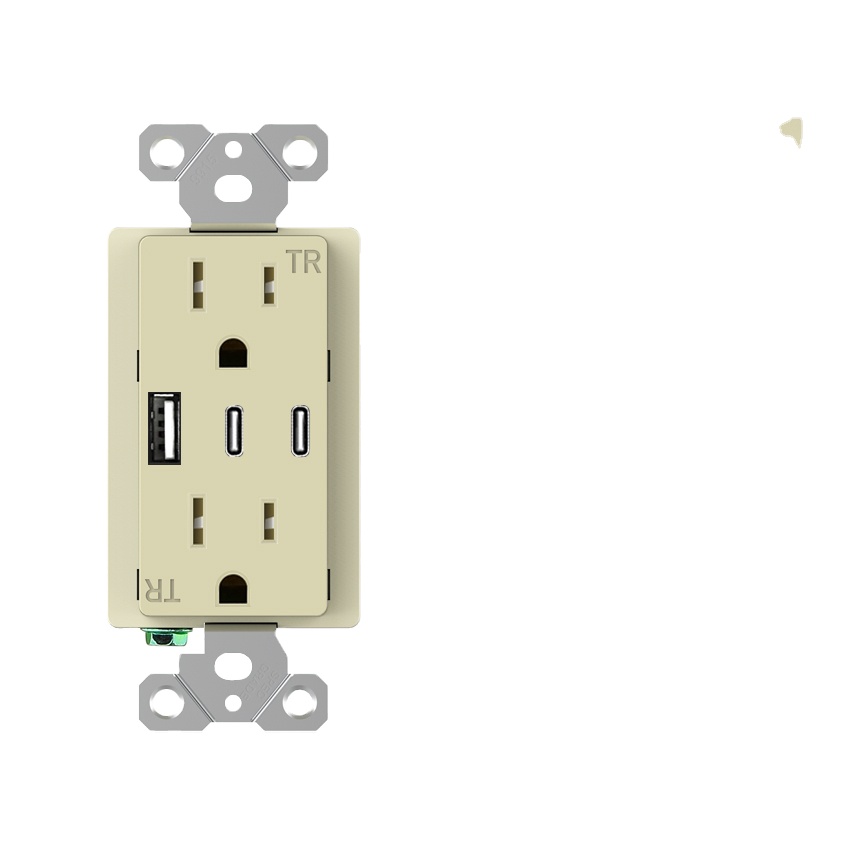
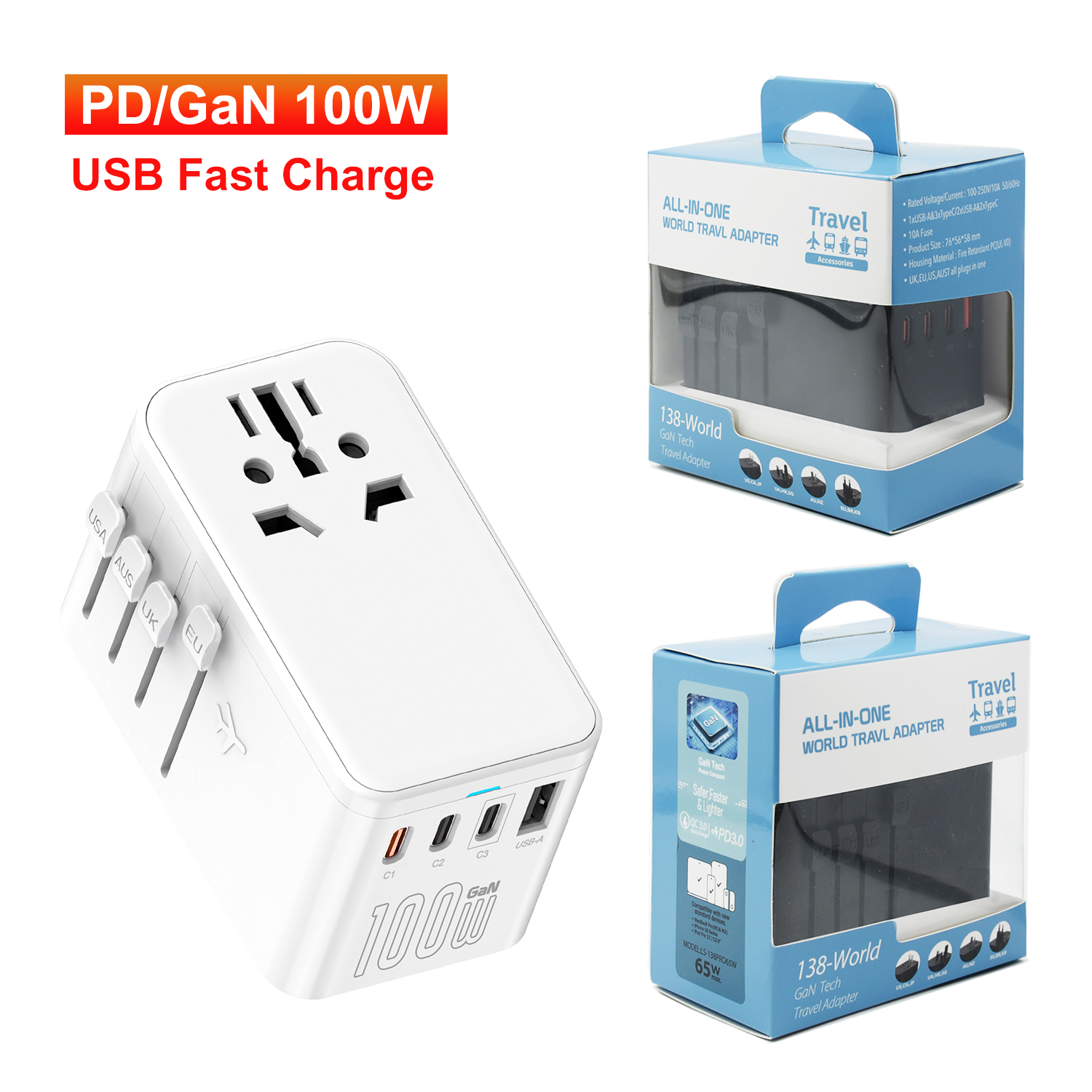
Tokyo Market Landscape: Power Conversion Realities in the Kanto Region
A rigorous examination of electrical engineering criteria, dual-frequency dynamics, and commercial procurement vectors across Greater Tokyo.
Tokyo stands as one of the world's dense commercial hubs, acting as a pivotal nexus for international business operations, high-end electronics research, and heavy cross-border commerce. However, the localized electrical infrastructure within the Greater Tokyo Area (comprising the Kanto region) introduces nuanced engineering criteria that global procurement officers, corporate procurement directors, and hardware OEMs must meticulously balance. Operating under a nominal voltage of 100V AC at a strict grid frequency of 50 Hz—in stark contrast to Western Japan’s 60 Hz infrastructure and the 230V systems prevalent across Europe and the UK—the Tokyo market demands power plug adapters and conversion systems engineered with ultra-resilient rectification topologies and thermal endurance.
In international commercial environments throughout Chiyoda, Minato, and Shinjuku, multinational corporations, global hotels, and consumer electronics distributors encounter an ongoing challenge: foreign consumer devices, enterprise laptops, and personal appliances arriving from North America, Europe, Australia, and mainland Asia must safely interface with Japan’s Type A (two-prong ungrounded) and Type B (three-prong grounded) receptacles. When sourcing through an OEM/ODM power plug adapter factory serving Tokyo, the technical priority shifts dramatically from rudimentary physical pin conversions to comprehensive electrical protection, solid phosphor bronze conductor integrity, dynamic power negotiation via USB Power Delivery (PD 3.0 / PD 3.1), and stringent compliance with the Electrical Appliance and Material Safety Act (DENAN Law, verified via the PSE Diamond or Circle mark).
Tokyo Hospitality & Lodging
Deploying multi-prong universal adapter cubes and recessed bedside GaN charging hubs across luxury hotels and serviced apartments in Ginza, Roppongi, and Shinjuku.
Enterprise Tech Hubs
Equipping corporate boardrooms, co-working suites, and tech campuses in Otemachi and Shibuya with 65W–100W GaN fast-charge multi-plugs supporting inbound executives.
Akihabara Retail & Private Label
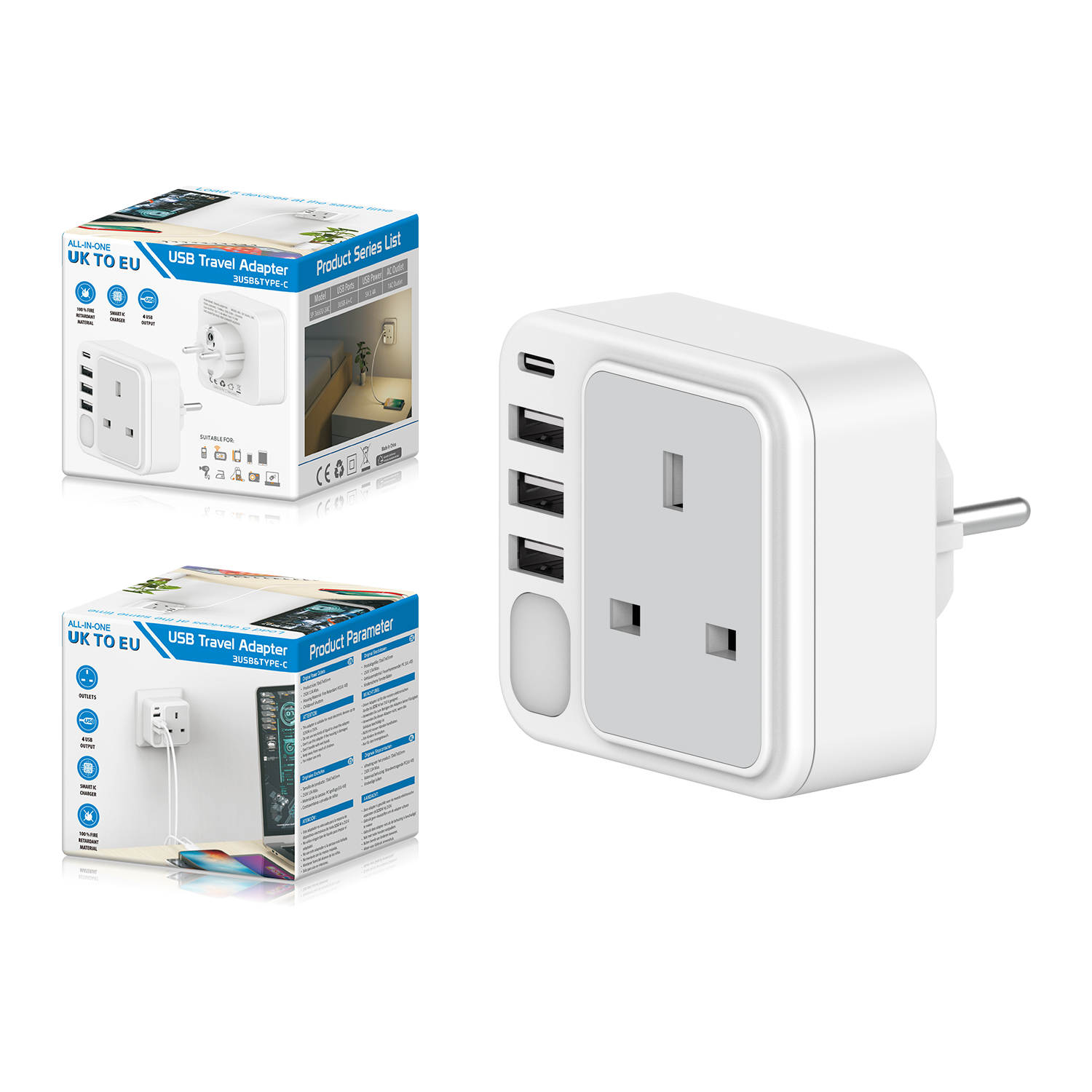
Supplying branded retail-boxed SKUs, compact Type-A-to-Universal travel converters, and travel-retail sets for consumer electronics superstores and duty-free chains.
Cross-Border E-Commerce
Delivering high-margin, space-optimized all-in-one travel charging kits tailored for Japanese outbound travelers heading to Europe, the United States, Australia, and the UK.
Emerging Technical Vectors in Power Connectivity for 2025–2026
How GaN integration, localized safety mandates, and intelligent thermal design are reshaping the power adapter manufacturing sector.
The global portable power accessory industry is currently undergoing a structural transformation driven by the wide-scale commercialization of third-generation semiconductors—predominantly Gallium Nitride (GaN). Traditional Silicon-based switching power supplies operating within universal travel plug adapters historically faced a critical physical bottleneck: internal thermal dissipation within restricted volume enclosures. When packing 65W to 100W of power transformation into a standard multi-standard slider chassis, internal temperatures would quickly approach critical thresholds, triggering thermal throttling or degradation of the outer polymer shell.
Our OEM/ODM manufacturing facility has fundamentally resolved these performance boundaries by integrating advanced GaNFast and planar transformer architectures. Compared to legacy silicon ICs, GaN transistors switch up to 20 times faster and can handle triple the energy density while significantly lowering on-resistance (RDS(on)). The direct operational gain is a radical 40% reduction in thermal emission and a 50% decrease in overall volumetric footprint. For the Tokyo market, where spatial economy is prized across both domestic consumer packaging and corporate desktop deployments, GaN-enabled power adapters represent the definitive future of procurement.
GaN III High-Density Architectures
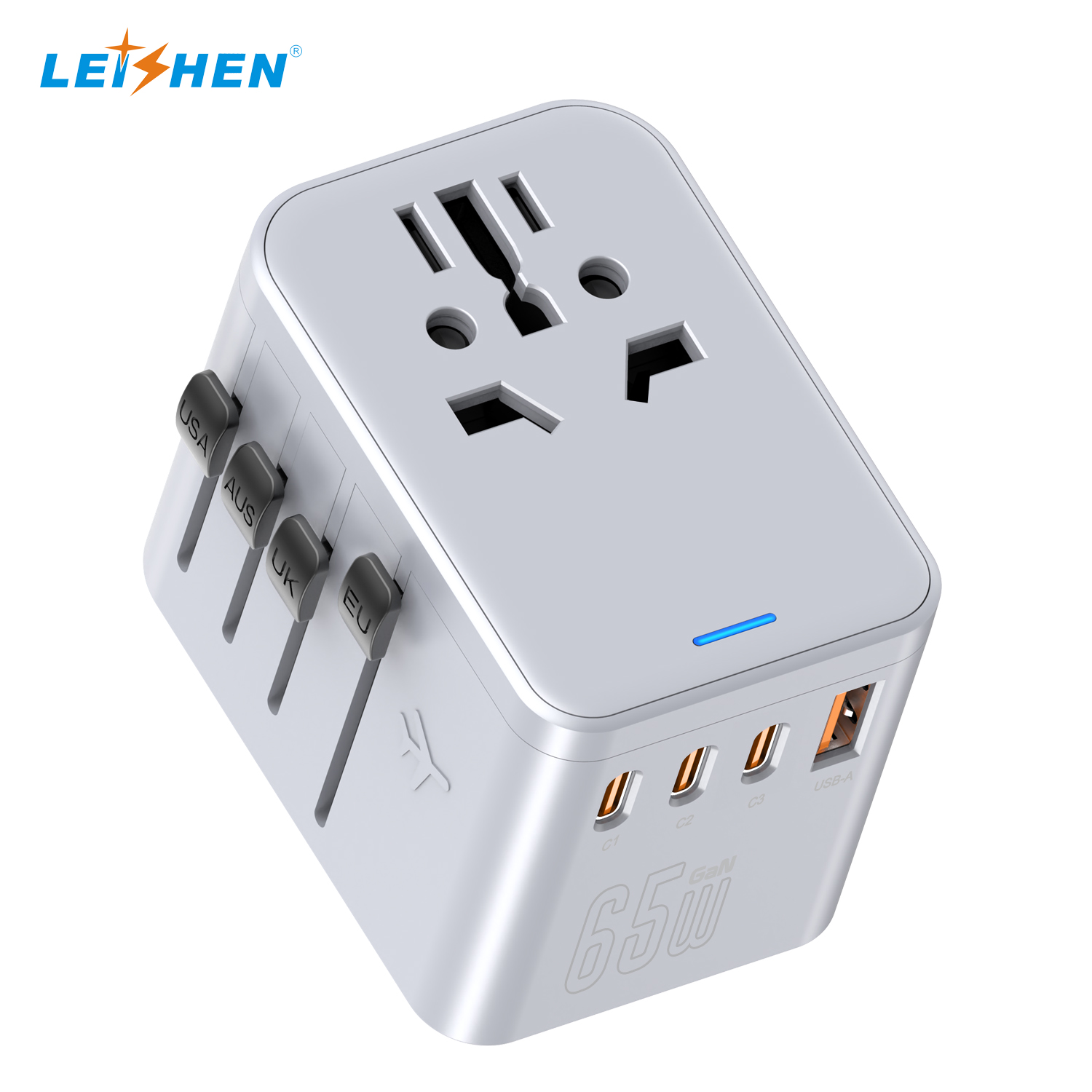
Miniaturized planar magnetic transformers combined with GaN power switches enable sustained 100W PD output through multiple USB-C ports without exceeding housing thermal limits.
Multi-Region Tracking Prevention
Adhering to strict Japanese fire mitigation standards, outer pin bases feature urea-resin insulation collars to prevent electrical tracking and short circuits from airborne particulate buildup.
Interlocking Mechanical Shutters
Patented single-plug ejection mechanisms ensure that when one regional plug standard is engaged (e.g., US/JP Type A), remaining pins (EU, UK, AU) are locked mechanically to eliminate electric shock hazards.
In-House Laboratory Validation & Quality Engineering
Every production batch is subjected to comprehensive electromechanical screening across our 10,000㎡ vertically integrated plant.
Quality reliability cannot be certified on paper alone; it must be constructed piece by piece on the production floor. Guangzhou Haxli Electric Technology Co., Ltd. executes a strict nine-stage zero-defect protocol across our automated lines. Serving elite enterprise accounts and multinational distributors demands that every travel adapter, power track socket, and architectural USB receptacle exhibits uniform withdrawal force, high dielectric strength, and total thermal stability under continuous peak wattage.
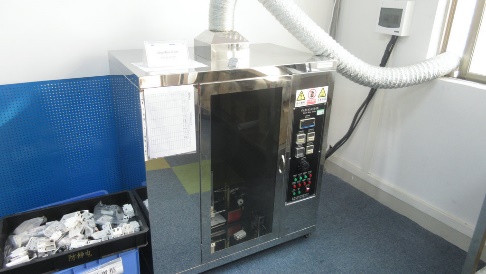
Glow Wire Resistance
Verification of raw PC/ABS flammability up to 850°C to guarantee zero flame spread.
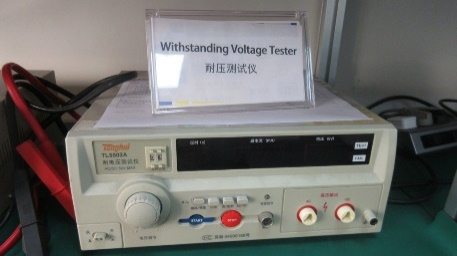
3750V Hi-Pot Breakdown
High-voltage dielectric testing to confirm complete insulation between primary and secondary circuits.
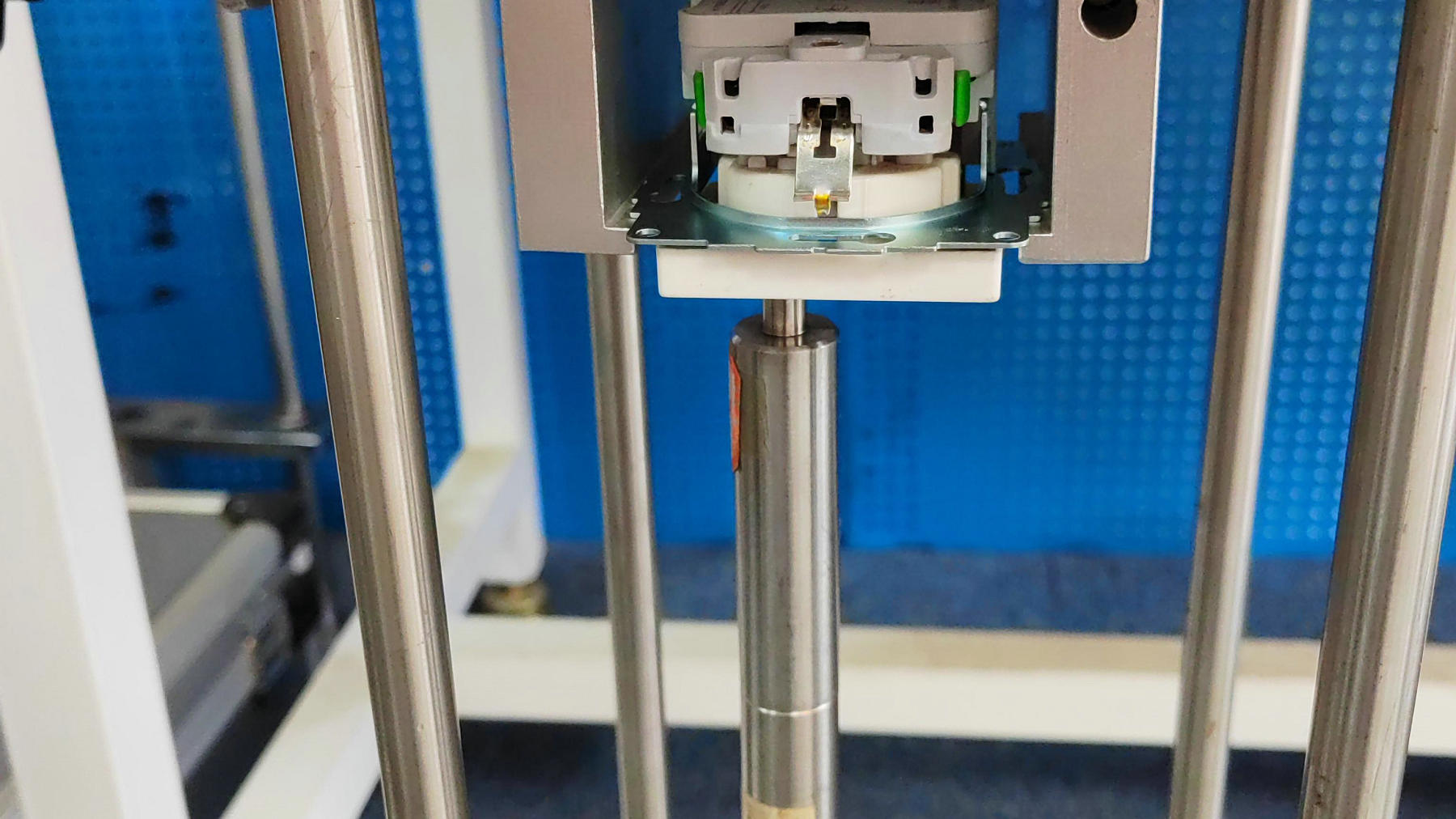
Withdrawal Force Gage
Automated insertion/extraction checking against international dimensional specs.
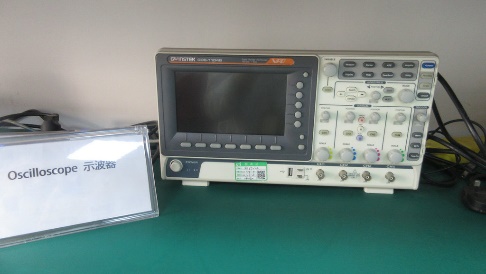
Oscilloscope Ripple QC
Real-time waveform tracking ensuring low ripple voltage and clean DC conversion for connected devices.
Why Tier-1 Brands Select Our Manufacturing Engine
A true direct-factory foundation delivering complete design-to-delivery control, robust supply security, and proven trade performance.
Operating out of our 10,000㎡ production headquarters in Guangzhou's electrical components industrial belt, we bridge the gap between agile high-volume manufacturing and precision engineering standards. Our factory floor houses more than 200 qualified technicians, 10 dedicated high-capacity automated production lines, an independent precision tooling shop, and full rapid-prototyping 3D testing cells. With over 14 years of direct OEM/ODM experience, our teams have successfully engineered and fulfilled procurement projects for leading consumer electronics brands, retail chains, and international Fortune 500 partners.
Unlike export traders or brokers, we provide transparent supply-chain custody: from raw phosphor bronze sheet blanking, multi-cavity injection molding using premium grade polycarbonate, to automated SMT PCB assembly and 100% powered full-load burn-in screening. Holding extensive third-party testing credentials spanning SGS onsite verification, CE, RoHS, FCC, UKCA, SAA, TÜV, KEMA, and SII certifications, our systems enable B2B clients to expand global markets without regulatory exposure.
Tokyo & International B2B Procurement FAQ
Direct technical answers addressing regulatory compliance, Japanese grid characteristics, customization parameters, and supply chain logistics.
Q How does an OEM/ODM power plug adapter handle Japan's 100V grid versus European 230V systems?
Passive plug adapters simply pass through the line voltage without step-up or step-down transformation. For international electronic appliances containing universal dual-voltage switching power supplies (rated 100–250V AC, 50/60Hz), a mechanical adapter is completely sufficient. However, for products integrating DC fast-charging modules (such as our 65W and 100W GaN universal adapters), the internal power conversion circuit is engineered with an ultra-wide input voltage bridge (100V–250V ~ 50/60Hz), ensuring full-speed USB-C PD output whether plugged into a 100V outlet in Tokyo or a 240V socket in London.
Q What safety compliance rules apply when importing power adapters into Tokyo?
Electrical products entering the Japanese market are governed by the Electrical Appliance and Material Safety Act (DENAN). Passive mechanical adapters not containing active conversion circuitry or transformers generally fall under Category B (non-specified electrical appliances, requiring Circle PSE verification and reporting). Conversely, active AC/DC power adapters, USB wall chargers, and GaN multi-plug charging units are classified as Category A (specified electrical appliances) requiring mandatory Diamond PSE testing and certification via a METI-registered conformity assessment body.
Q What is the typical MOQ for custom OEM toolings, branding, and color variations?
For standard catalog configurations with custom laser-etched or silk-screened logos and branded packaging, our baseline MOQ begins at 500 to 1,000 pieces. For custom injection resin colors (pantone-matched housing shells), the typical batch threshold is 2,000 to 3,000 pieces. Full custom private-tooling ODM projects—including bespoke industrial enclosure designs, specialized PCB topologies, and dedicated internal pin linkages—are quoted on a turnkey tooling plus production commitment basis.
Q How does your factory prevent the common issue of plug pin overheating and voltage drop?
We eliminate contact resistance and overheating by employing high-grade QSn6.5-0.1 phosphor bronze conductors rather than standard brass alloys. Phosphor bronze maintains high spring elasticity across more than 10,000 mating cycles without mechanical fatigue. Furthermore, our internal architecture incorporates solid welded copper busbars instead of loose wiring harnesses, drastically reducing contact resistance, eliminating internal I²R thermal buildup, and ensuring compliance with IEC 60884-1 temperature-rise limitations.
Q What are the standard lead times for sample prototyping and volume shipments to Tokyo?
Rapid 3D functional prototypes and SLA resin modeling are completed within 3 to 5 business days for initial physical evaluation. Pre-production samples from production molds are delivered in 10 to 15 days. Full volume production runs typically require 25 to 35 calendar days following golden sample confirmation and packaging sign-off. Shipping from our Guangzhou factory directly to the Port of Tokyo or Yokohama offers an average maritime transit time of 4 to 7 days, allowing reliable replenishment schedules.
Connect with Our Engineering & Sourcing Team
Discuss your regional plug configuration requirements, request customized GaN travel adapter quotes, or obtain detailed compliance test reports directly from our engineering desks.