Commercial Electrical Connectivity & Pop-Up Modular Assemblies
Engineered to satisfy high-density structural and aesthetic requirements in modern hospitality, commercial tenant spaces, and luxury residential projects throughout Cook County.
Executive Engineering Brief: Pop-Up Sockets in Chicagoland Infrastructure
Strategic analysis of urban high-density workplace deployment, historic retrofits, and electrical distribution constraints.
The Greater Chicago commercial property landscape presents distinctive technical challenges for interior architects, mechanical, electrical, and plumbing (MEP) engineers, and commercial general contractors. Defined by iconic masonry structures, converted industrial lofts across the West Loop and Fulton Market, and Tier-1 commercial towers lining Wacker Drive and Michigan Avenue, electrical infrastructure cannot merely perform; it must seamlessly integrate. Pop-up sockets, motorized power towers, and flush-mounted desk tracks have transitioned from luxury ergonomic amenities into vital architectural components demanded by Fortune 500 corporate tenants and luxury multi-family high-rises.
Unlike standard wall plates, deployable architectural power delivery units within the Chicago metropolitan area must strictly accommodate heavy cyclic usage, rigorous ingress protection against spills, and stringent compliance with local revisions of the National Electrical Code (NEC Article 406.5) and City of Chicago Building Codes. Chicago’s longstanding mandate for rigid metal conduit (RMC) or electrical metallic tubing (EMT) even in commercial interiors impacts junction box clearances, requiring pop-up power assembly suppliers to design shallow-depth chassis without sacrificing dissipation capacities or thermal safety margins.
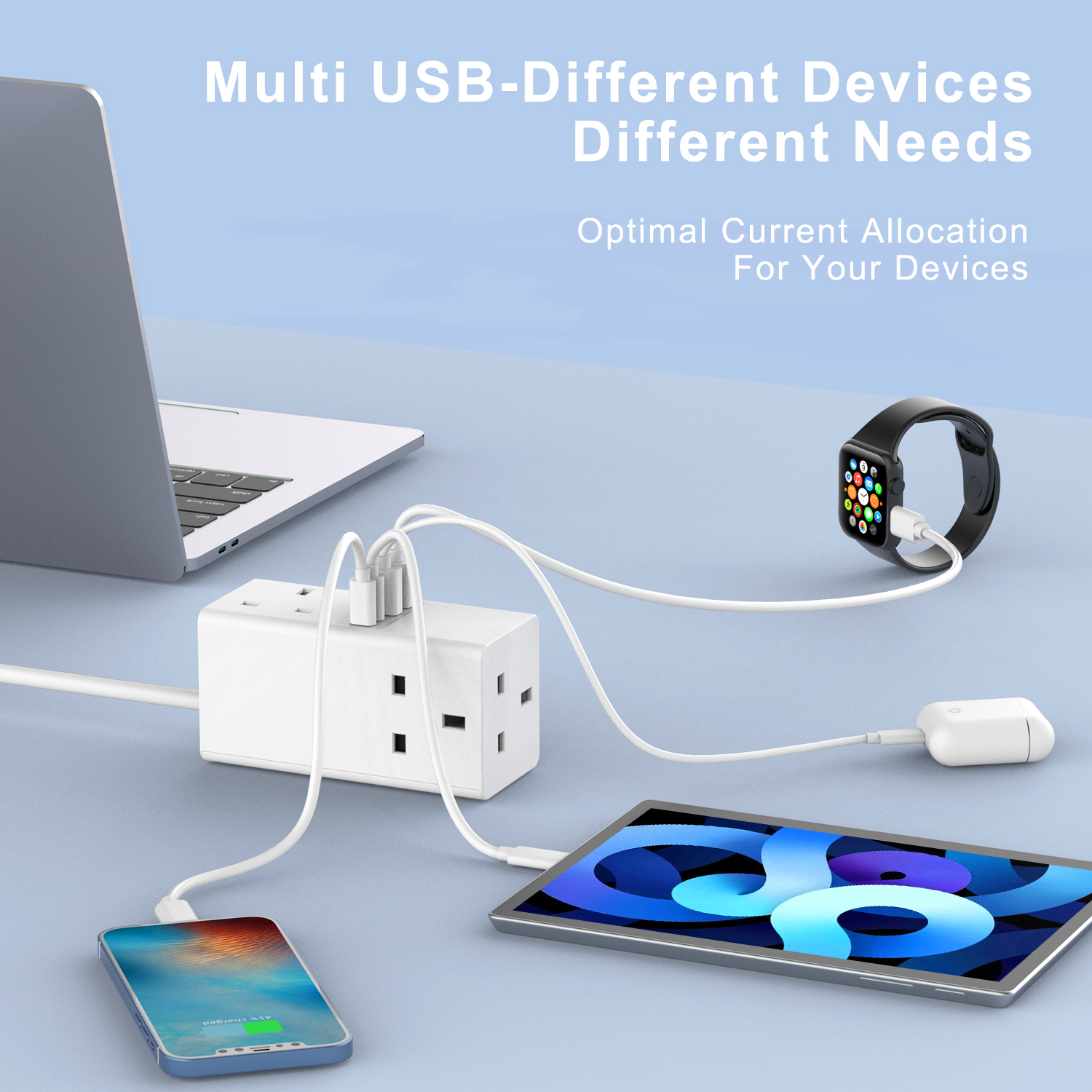
As agile workspaces continue their ascendancy, project engineers frequently require electrical distribution modules that integrate high-output direct current power delivery, such as integrated Gallium Nitride (GaN) fast-charging modules, alongside traditional 120V/15A or 20A alternating current circuits. The integration of 65W to 100W Power Delivery (PD) over USB Type-C directly into conference tabletop assemblies eliminates the demand for cumbersome exterior AC transformers, preserving clean sightlines and reducing spatial clutter across trading desks, conference suites, and executive suites.
Localized Applications Across the Chicago Metropolitan Sector
Where advanced architectural pop-up sockets, hidden floor boxes, and modular desktop tracks meet the rigorous demands of Midwestern design aesthetics.
Fulton Market Corporate HQs
Adaptive reuse properties requiring flush mechanical dampening pop-up sockets drilled into reclaimed timber, stone islands, and collaborative workstation benches without interfering with subfloor structural steel.
Loop Financial & Legal Suites
Ultra-reliable pneumatic pop-up units engineered for non-stop connectivity, delivering shielded Cat6A RJ45 data access, HDMI pass-through, and isolated high-power GaN Type-C rails directly to boardroom conference hubs.
Streeterville Luxury Residential
IP44/IP54 water-tight pop-up kitchen countertop towers equipped with silicon gasket compression systems that resist surface spills, grease, and cleaning solvents in compliance with NEC countertop regulations.
Technological Innovations & Chicagoland Code Evolution
Evaluating upcoming paradigm shifts in commercial electrification, smart-device communication, and high-efficiency charging.
GaN Direct-Charge Integration
Replacing lossy, heat-generating step-down transformers with miniaturized Gallium Nitride semiconductor modules capable of sustained 100W PD output inside unventilated, concealed furniture profiles.
NEC 406.5(E) Scrubwater Rating
Transition toward hermetically sealed pop-up assemblies that withstand UL 498 and UL 943 scrubwater testing protocols for flush kitchen countertop and floor installations in high-traffic multi-family units.
Smart IoT Remote Telemetry
Integration of wireless communication protocols (Tuya/Zigbee/Matter) into motorized assemblies, enabling facility operations managers in downtown high-rises to automatically retract and isolate power zones off-hours.
Anodized Architectural Finishes
Departing from plain plastics toward marine-grade 6063-T5 aluminum extrusions with brush-finished champagne, matte obsidian, and bronze treatments engineered to match high-end interior hardware specs.
| Architectural Parameter | Standard Commercial Strips | Pneumatic Push-Release Pop-Up | Motorized Sensor Intelligent Units |
|---|---|---|---|
| Spill / Splash Protection | None (IP20 Open Exposure) | IP44 Compression Perimeter Gasket | IP54 Optical Seal & Dynamic Gasket |
| Chicagoland Code Compliance | Conditional (Requires Exterior EMT) | Direct Metallic Back-Box Compatible | Full Structural Enclosure (UL 962A / UL 498) |
| Spatial Optimization | Zero (Permanently occupies surface) | Flush with Counter/Desk when closed | Concealed zero-profile touch actuation |
| Thermal Load Capacity | Moderate (Plastic degradation risk) | Aviation Aluminum Housing (High Conduction) | Active Thermal Cut-Off Protection |
| USB Charging Efficiency | Standard Silicon 5V/2.4A (12W max) | USB-PD 20W/30W Fast Charge | GaN Architecture 65W–100W PD Direct |
Enterprise Advantages: Guangzhou Haxli Electric Technology Co., Ltd.
A Verified Custom Manufacturer with In-House Tooling, Precision Testing Labs, and True Factory Direct Scalability.
Procuring custom electrical hardware for major regional development projects throughout Illinois requires absolute supply chain clarity. Guangzhou Haxli Electric Technology Co., Ltd. operates out of a premier 10,000㎡ industrial manufacturing hub situated in Xintang Town, Guangzhou. Backed by 14+ years of dedicated OEM/ODM export leadership and an on-site verified workforce exceeding 200 electrical, mechanical, and production personnel, Haxli bridges the gap between boutique design customization and high-volume consistency.
Our operations eliminate trading intermediary layers. Because we conduct comprehensive drawing design, 3D rapid prototyping, injection molding, metal stamping, and PCBA assembly in-house, we control bill-of-materials integrity from step one. This structural reliability is verified onsite by globally recognized testing bureaus such as SGS, enabling our products to support critical rollouts for Fortune 500 enterprises, five-star hotel flags, and prominent wholesale distributors across North America, Europe, and Australasia.
In-House Tooling & Prototyping
Our engineering design bureau develops custom mechanical tooling, internal sliding mechanisms, and customized extrusion profiles, transforming architectural sketches to SLA 3D prints within 72 hours.
Continuous Burn-In & Aging
100% of production runs pass through multi-station automated functional testing panels and elevated thermal-load aging racks to eliminate premature capacitor or semiconductor failure before container loading.
Comprehensive Safety Lab
Our internal testing lab regularly conducts Glow Wire (850°C ignition threshold), Hi-Pot Withstanding Voltage (3000V+), Ground Continuity, Plug Insertion/Withdrawal Cycle, and Salt Spray Corrosion validation.
Full Supply Chain Traceability for Chicago Building Contractors
From initial copper alloy spring contact metallurgy verification to Video Measuring System (VMS) dimensional calibration, Haxli guarantees that every batch conforms reliably to ASTM, UL, and IEC benchmark criteria.
Frequently Asked Questions: Chicago Electrical Sourcing
Essential guidance addressing code regulations, mechanical installation depths, minimum order thresholds, and custom finishes.
How do pop-up sockets comply with Chicago’s strict electrical conduit requirements?
Commercial installations within Chicago typically mandate metal raceways or conduit systems. Haxli engineers supply pop-up chassis outfitted with integrated metallic junction boxes and standard knockout patterns (1/2" and 3/4" NPT equivalent), allowing local union electricians to clamp rigid or flexible EMT directly to the unit without violating local municipal code.
Are countertop pop-up units permissible near kitchen sinks under NEC 406.5(E)?
Yes. When deploying pop-up outlets on residential or commercial kitchen countertops, units must be specifically listed as spill-resistant assemblies. Our high-specification kitchen pop-up series incorporates internal mechanical drainage pathways and continuous EPDM sealing rings tested to withstand half-liter liquid spill evaluations without conductive bridging.
What is the typical Minimum Order Quantity (MOQ) for custom architectural finishes?
For standard catalogue configurations (black, white, or brushed natural aluminum), MOQs begin as low as 100 to 200 units. For specialized architectural treatments—such as custom powder-coated anodizing to match corporate brand pantones or custom metallic physical vapor deposition (PVD) finishes—project-based MOQs typically average 500 units.
Can we specify mixed low-voltage data alongside high-voltage AC lines?
Absolutely. We provide modular internal partitioning. In accordance with UL 962A separation standards, low-voltage lines (Cat6A, HDMI 2.1, USB-C communication) are routed via physically isolated, grounded internal chambers distinct from high-voltage 120V AC wiring paths, eliminating electro-magnetic interference (EMI) and line crosstalk.
What structural clearance depth is required underneath conference millwork?
Standard pneumatic vertical pop-up units require between 280mm to 350mm of beneath-surface clearance to account for housing stroke displacement and conduit curvature. However, for shallow credenzas or executive desks with limited legroom, we manufacture horizontal flip-up or low-profile motorized rotation units demanding less than 110mm of sub-surface depth.
How does Haxli handle logistics, tariff documentation, and FOB/DDP shipping to Illinois?
With over 90% of our production exported globally, our international freight logistics division coordinates ocean freight directly into the Port of Chicago (via inland rail connection or coastal entry) or express air freight to O'Hare (ORD). We provide comprehensive commercial documentation, ISF filings, harmonized tariff code classifications, and certificate dossiers for rapid customs clearance.
Initiate Your Commercial Procurement Schedule
Whether detailing multi-unit specs for a high-rise residential tower along Lakeshore Drive or outfitting an expansive corporate campus in the Chicago suburbs, collaborate directly with our engineering department to request technical drawings, photometric tests, or project pricing.
Get a Quote