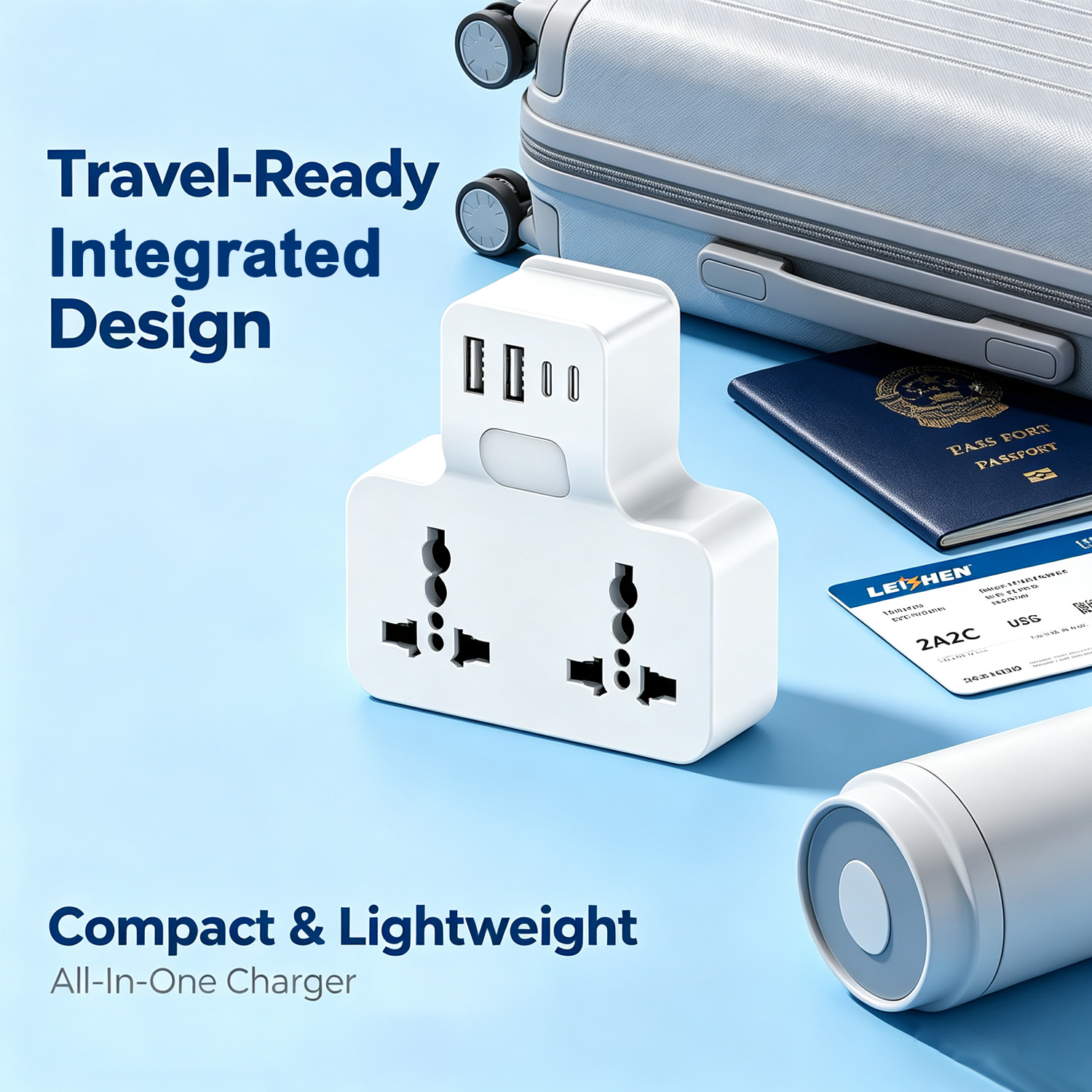
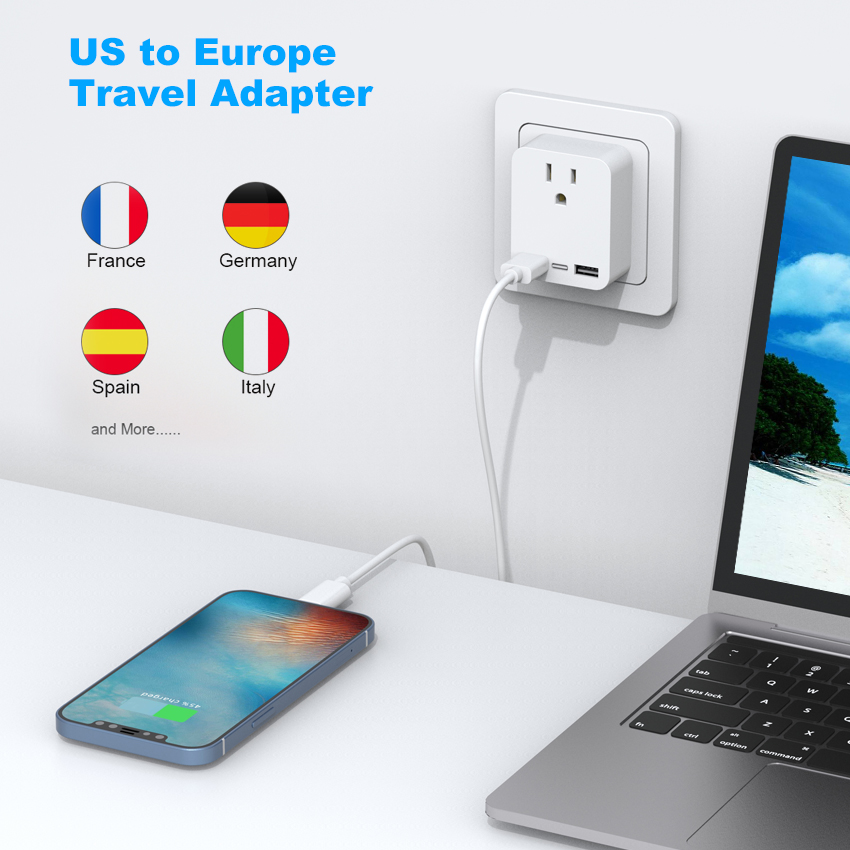
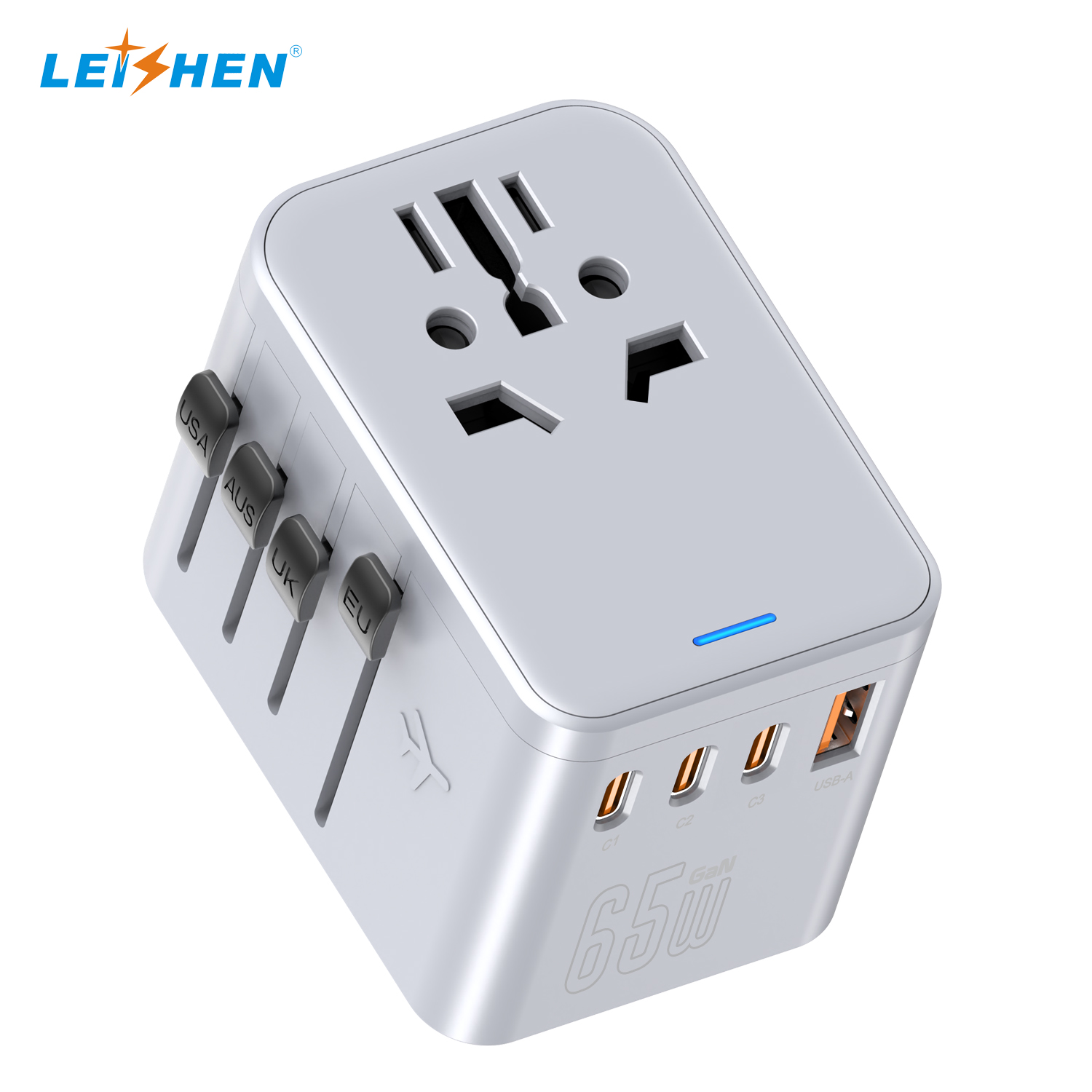
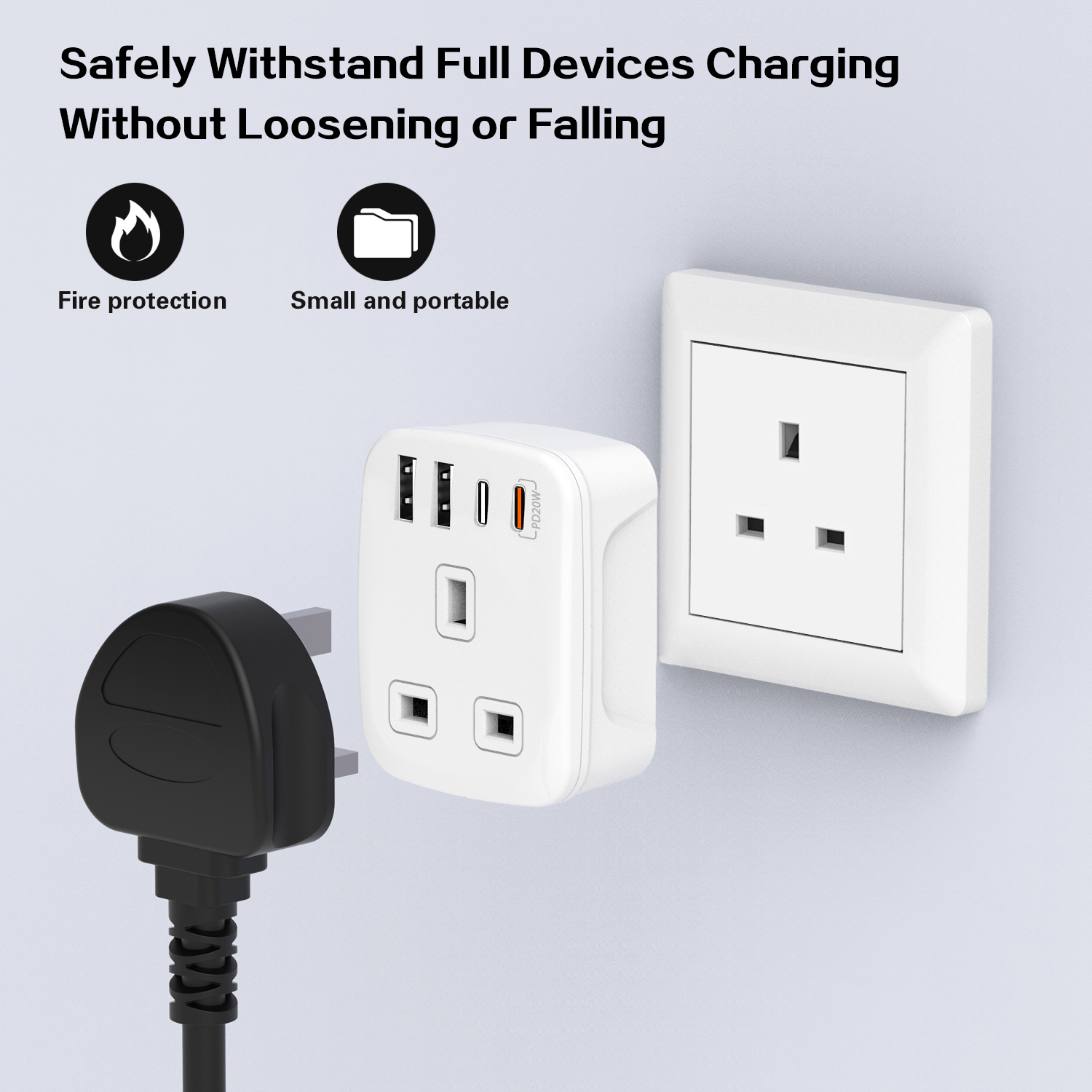
6-in-1 Multi-Country Plug Adapter with Dual Universal Sockets & 3.4A USB
Type F Pinout
Dual Universal
Surge Protection
Product Details →
Engineered to bridge legacy European and British infrastructures with modern Portuguese Type F earthing topologies and USB Power Delivery standards.
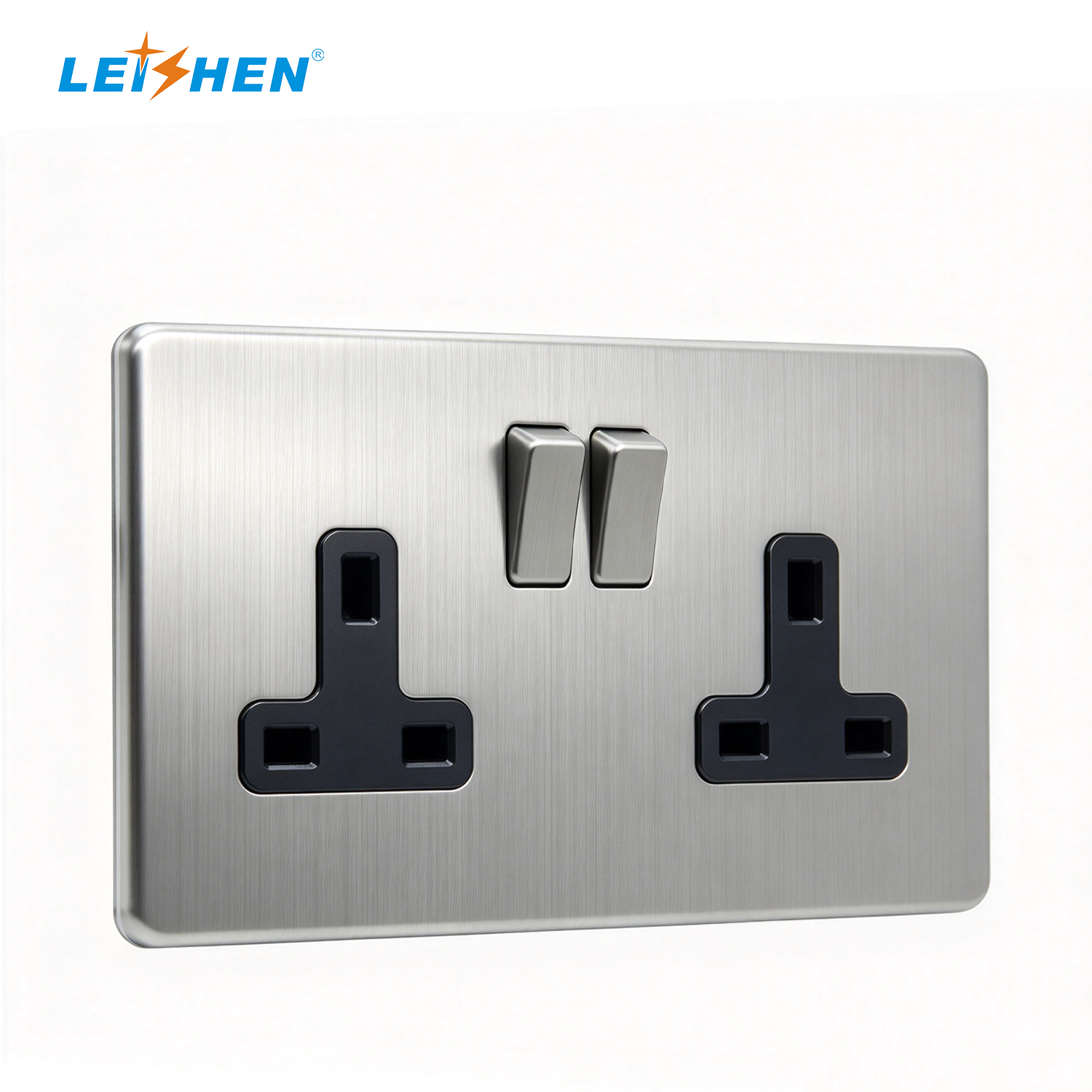
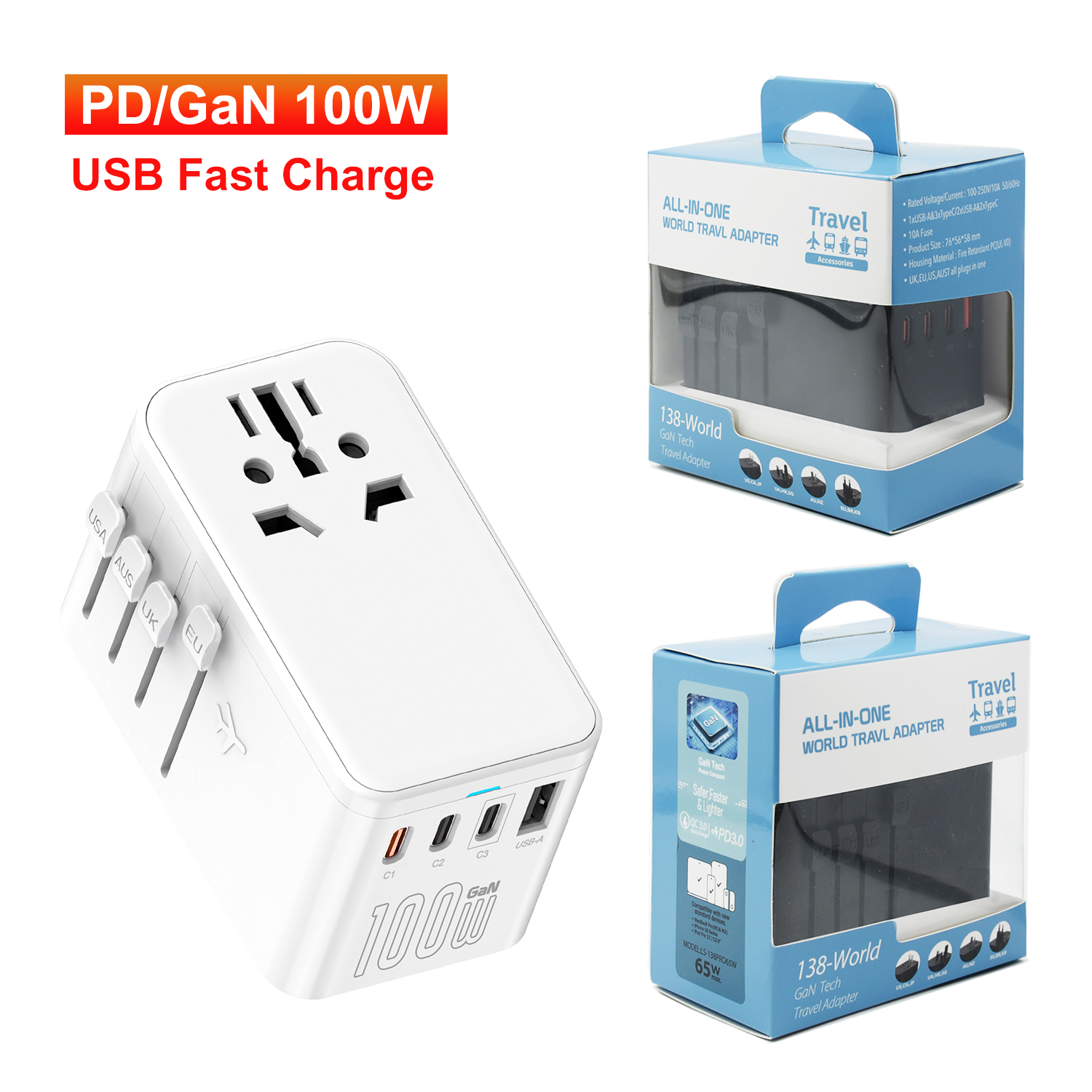
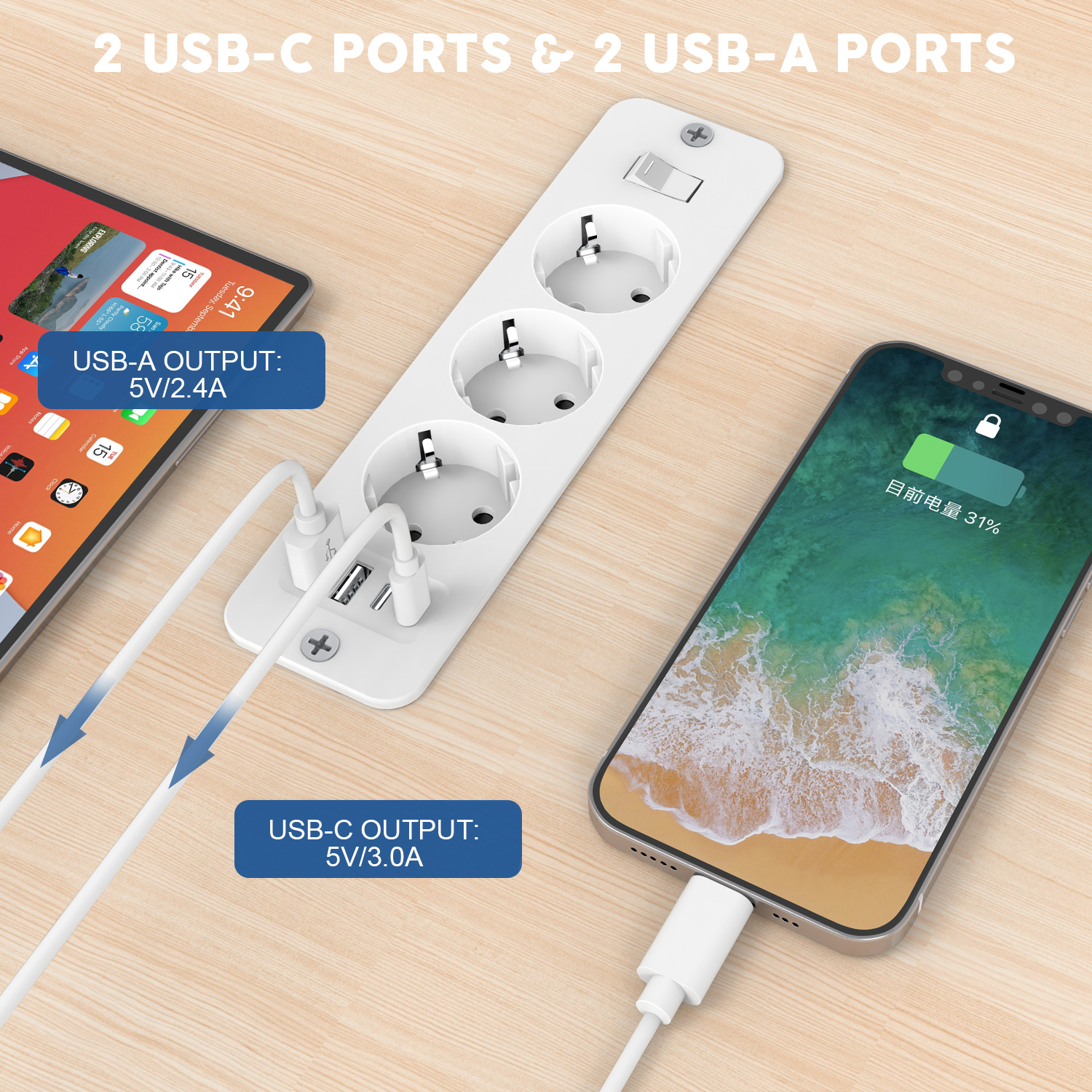
Porto and the Northern Portugal industrial corridor—encompassing Matosinhos, Vila Nova de Gaia, Maia, and Guimarães—represent a unique nexus of historic architectural restoration, expanding tech hubs (Parque de Ciência e Tecnologia da Maia, UPTEC), and massive hospitality infrastructure investments. Navigating electrical hardware procurement in this region requires an exacting understanding of standard DIN VDE 0620-1, Portuguese national wiring rules under Regulamento Técnico de Segurança contra Incêndio em Edifícios (SCIE), and the specific environmental constraints posed by Atlantic coastal atmospheric salinity.
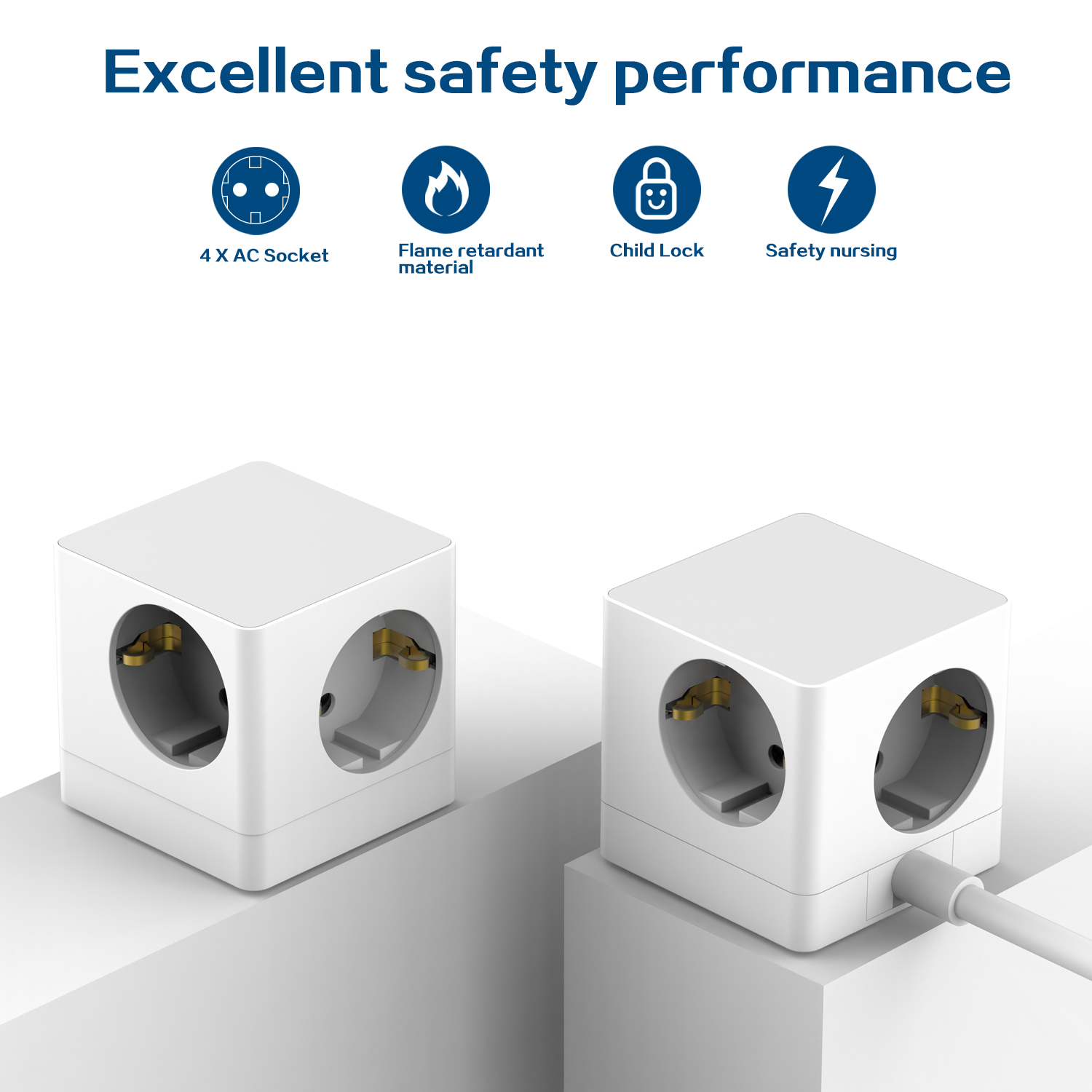
Historic properties across the Ribeira and Baixa districts feature legacy wiring matrices inside centuries-old granite walls. Deploying our high-grade CEE 7/4 and CEE 7/7 Schuko adapters with built-in surge suppresses transient voltages caused by uneven regional grid switching while fitting discreetly into period-sensitive interior designs.
Porto’s burgeoning technology ecosystem hosts international digital nomads and multinational subsidiaries requiring simultaneous 100W Type-C fast charging alongside grounded 250V 16A Schuko sockets. Our multi-gang desk tracks eliminate bulky desktop bricks through integrated GaN charging hubs.
At the Port of Leixões and nearby intermodal freight logistics terminals, continuous exposure to coastal humidity causes galvanic corrosion. Our adapters feature nickel-plated copper alloy grounding tabs and tin-bronze clamping springs tested to withstand 48 hours of ASTM B117 salt spray testing.
| Electrical Parameter | Standard Market Generic Adapter | Haxli Industrial-Grade Schuko Line | Porto Engineering Relevance |
|---|---|---|---|
| Nominal Rating & Duty Cycle | 10A / 13A Continuous, 250V AC | 16A True Continuous, 250V AC (4000W Peak) | Meets peak draw for commercial espresso bars, high-draw HVAC, and heavy compute loads. |
| Contact Resistance | > 25 mΩ (Brass / Steel blend) | ≤ 5 mΩ (High-Elastic Phosphor Bronze) | Prevents thermal runaway and arc fires during prolonged continuous 16A discharge. |
| Fire Retardancy Standard | UL94 V-2 or Standard ABS | UL94 V-0 Polycarbonate (850°C Glow Wire) | Fully adheres to Portugal's SCIE standards for commercial and multifamily dwellings. |
| Earthing Configuration | Single-sided spring or pin friction | CEE 7/7 Hybrid Side-Clips & Top Hole | Seamless compatibility with both German Schuko (Type F) and French NF (Type E) systems. |
Key evolutionary drivers directing electrical component procurement and compliance strategies across Porto, Lisbon, and the European internal market.
The EU Directive 2022/2380 mandate enforcing USB Type-C charging standardization across personal electronics is accelerating replacement cycles. Commercial developers in Porto are aggressively phasing out traditional AC wall-warts in favor of native USB-C PD 3.0 integrated flush sockets.
As Porto’s historical tram electrical network and dense urban microgrids interconnect with modern high-frequency HVAC heat pumps, harmonic distortion and switching spikes increase. Specifying built-in MOV (Metal Oxide Varistor) protection has transitioned from an option to a project requirement.
Rising intermediary markups in Western European supply hubs have prompted electrical wholesalers and general contractors in Porto to bypass regional distributors, initiating direct-to-plant OEM contracts with verified manufacturers to compress supply chain costs and safeguard BOM traceability.
Following updated municipal fire safety audits across northern Portugal’s short-term vacation rentals (Alojamento Local), municipal inspectors are enforcing strict penalties on electrical fixtures lacking verified independent glow-wire certs (IEC 60695-2-11) or utilizing low-temperature reground plastics.
Operating from our audited 10,000㎡ manufacturing complex in Guangzhou, China, Guangzhou Haxli Electric Technology Co., Ltd. combines high-throughput industrialization with rigorous laboratory validation.
Our internal R&D engineering division turns conceptual technical briefs into physical functional SLS 3D prototypes within 72 hours. We control complete tooling and mold fabrication in-house, ensuring that housing tolerances, snap-fits, and internal bus clearance meet exact mechanical tolerances before volume injection runs.
We do not rely on spot audits. Every batch is subjected to glow-wire ignition testing, high-pot insulation breakdown testing (>3750V), ground path continuity verification (<0.05Ω), repeated plug withdrawal cycle benchmarks (>10,000 insertions), and continuous 4-hour burn-in under maximum 16A inductive load conditions.
Having successfully managed production for global tier-one brands and Fortune 500 contracts, we supply batch-correlated third-party certification documentation (CE, LVD, EMC, RoHS, REACH, UKCA, TÜV) directly with your shipping documentation. Clean declaration paths avoid customs holdups at Porto’s Port of Leixões or Francisco Sá Carneiro Airport.
Clear answers to frequent technical, compliance, and logistics questions raised by Portuguese electrical contractors, specifiers, and retail buyers.
Procuring electrical components across international borders presents critical balance-sheet exposure for corporate buyers, hospitality chains, and electrical supply contractors. Within the European Union's Single Market, national customs enforcement authorities—including the Portuguese Autoridade Tributária e Aduaneira—frequently inspect and hold imported electrical equipment that fails safety isolation testing or misrepresents plug grounding contacts.
Sub-standard adapters frequently cut manufacturing costs by reducing the copper cross-sectional surface area in the internal busbars, replacing phosphor bronze spring clips with stamped recycled brass, or substituting flame-retardant polycarbonates with combustible polystyrene. When subjected to continuous 16A loads typical of European household appliances, high internal contact resistance leads to dangerous thermal accumulation, melting housings, or triggering catastrophic circuit breaker trips.
At Guangzhou Haxli Electric Technology Co., Ltd., we eliminate these failure modes by enforcing stringent industrial controls: all mechanical springs utilize high-resilience phosphor bronze to maintain dynamic clamping pressure after thousands of insertions; solid-state PCBA stages undergo automated automated optical inspection (AOI); and full traceability is maintained from raw polymer pellet ingress through container departure. Partnering directly with our Guangzhou manufacturing plant guarantees that your enterprise receives certified, durable, and commercially viable electrical power solutions engineered specifically for Porto and broader European operational conditions.
Request comprehensive product specifications, test laboratory reports, or initiate an urgent project RFQ with our European technical sales engineering desk.
Get a Quote