Export-Certified Schuko & Multi-Standard Solutions
Engineered to bridge IEC/CEE 7 standards with Caribbean power grid requirements, including enhanced dielectric isolation, flame retardancy, and integrated USB fast-charging.
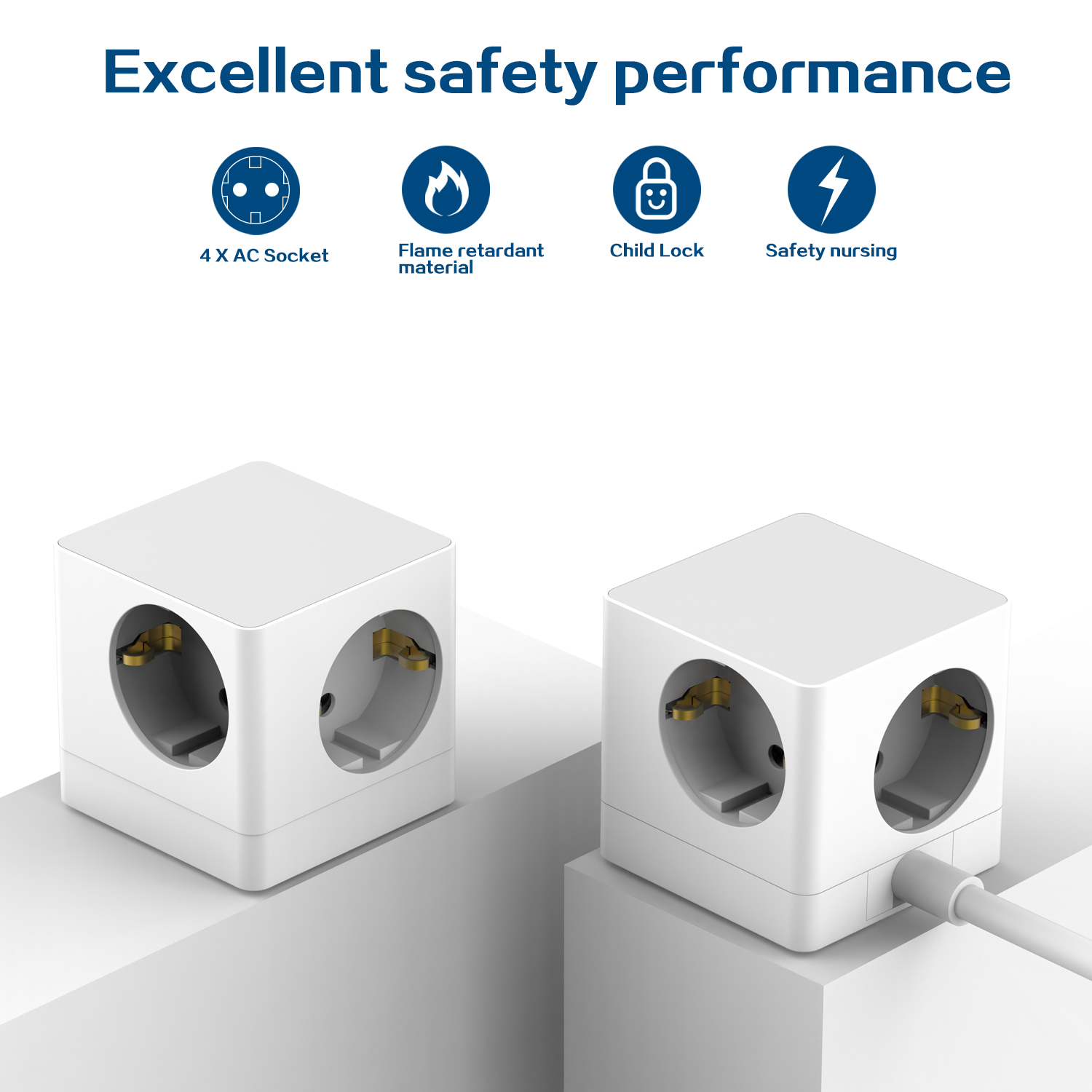
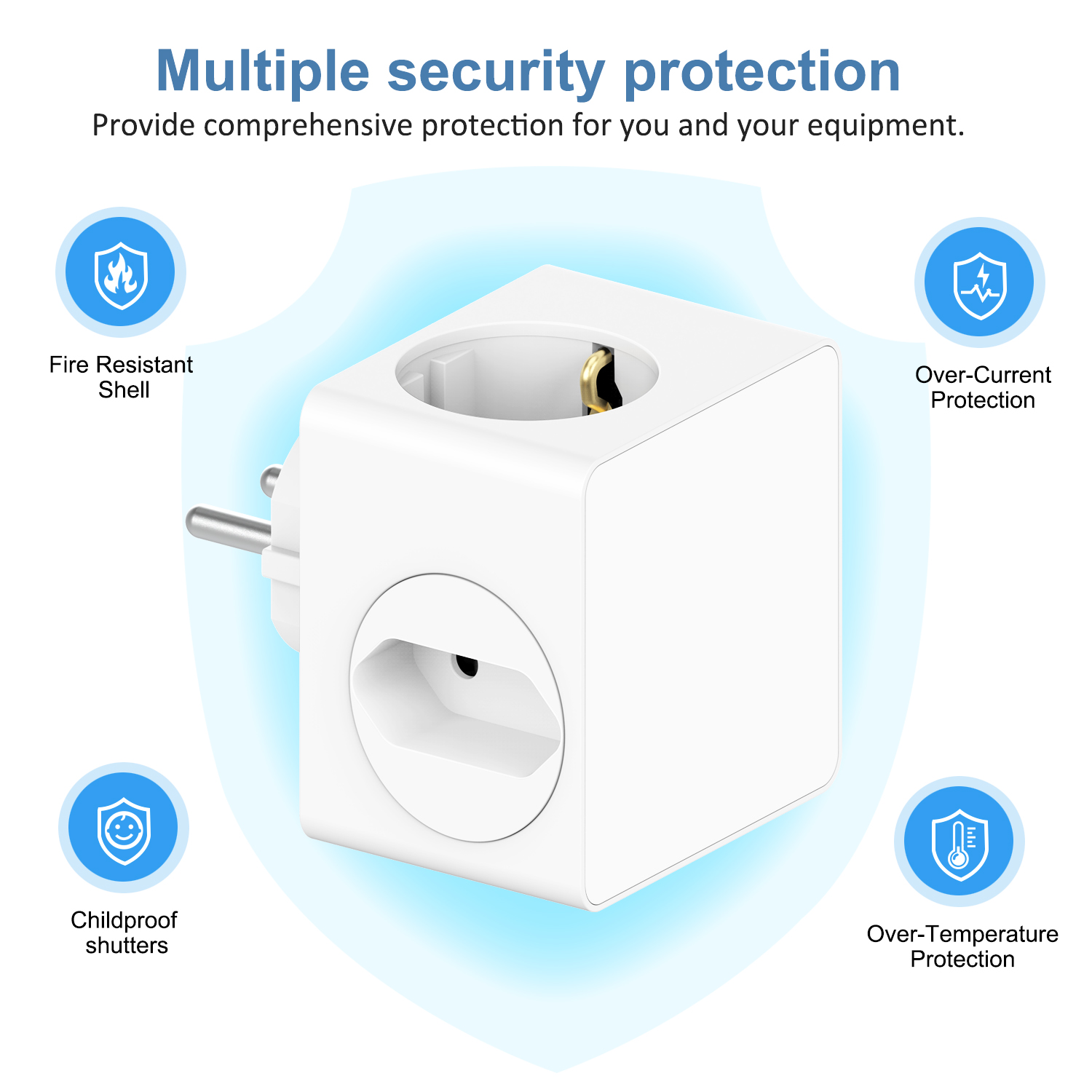
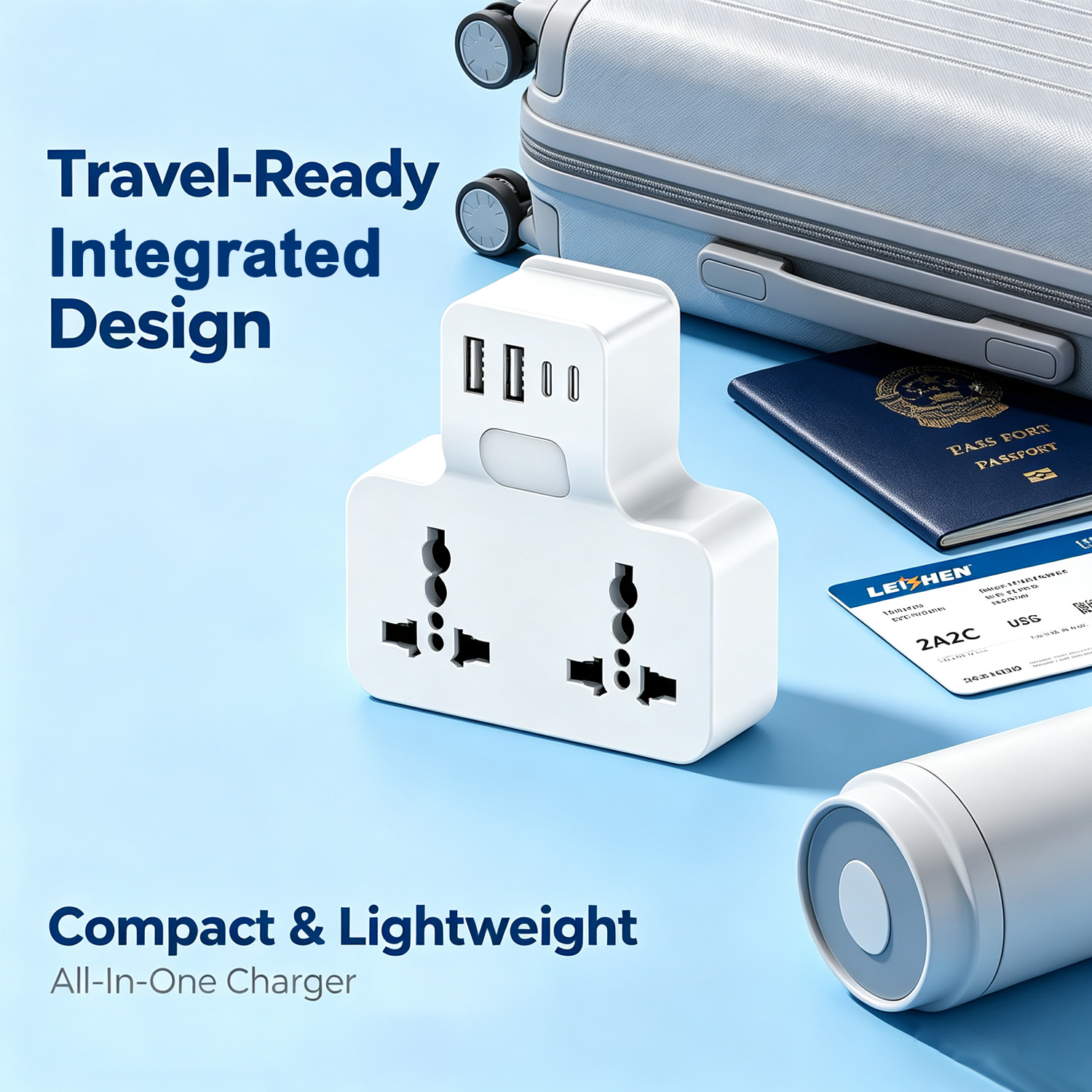
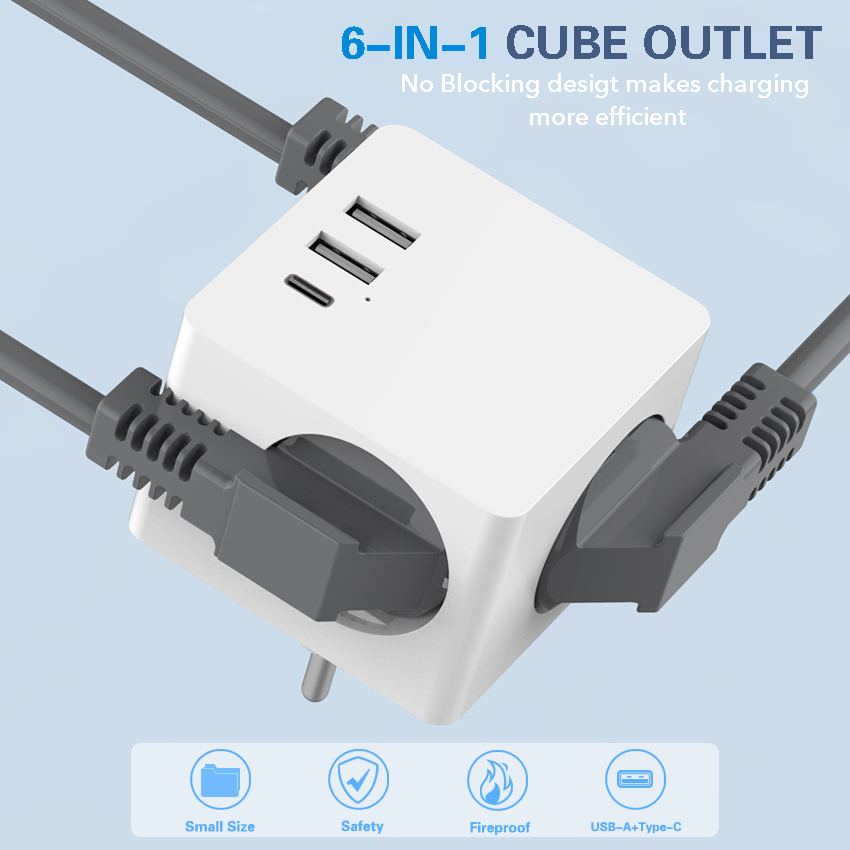
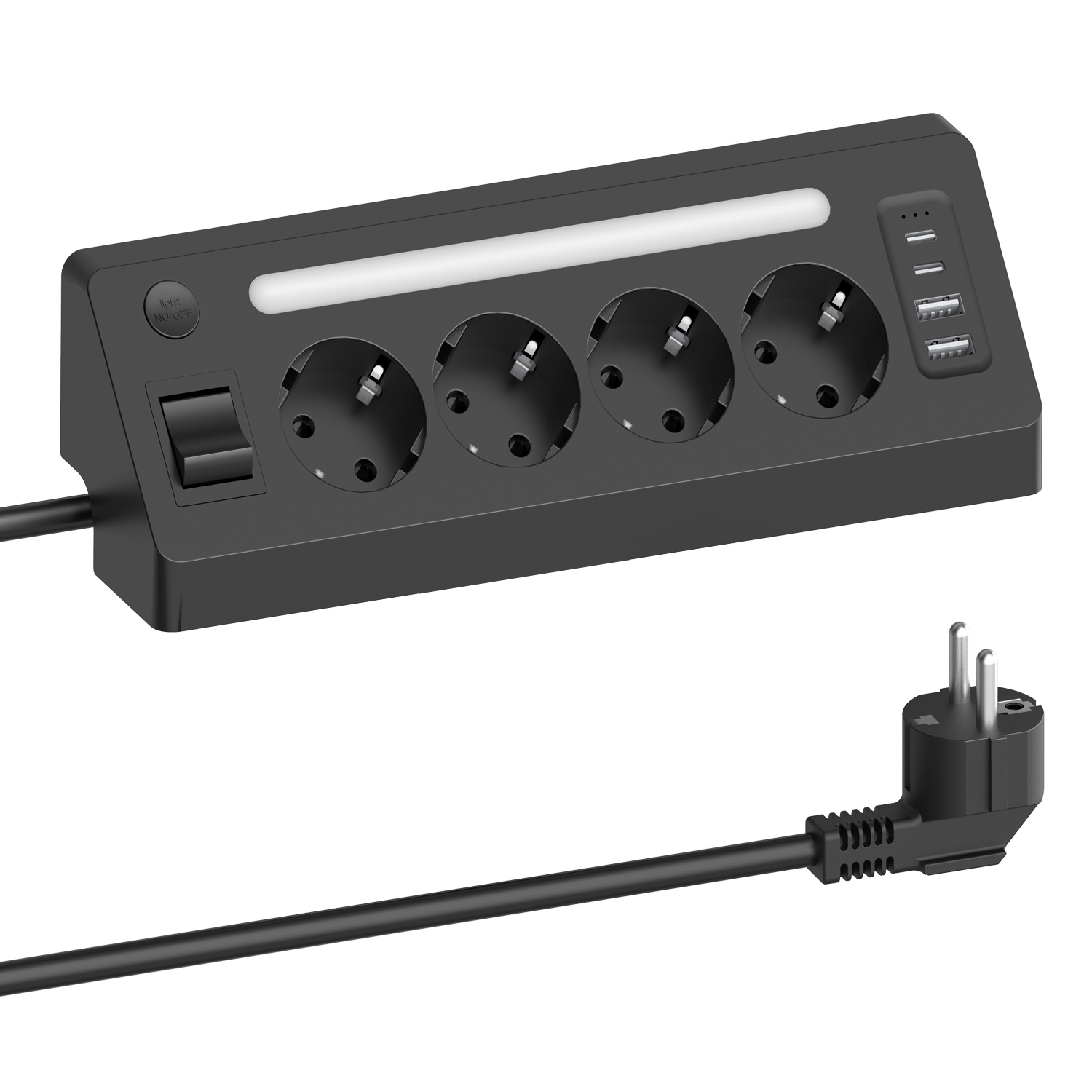
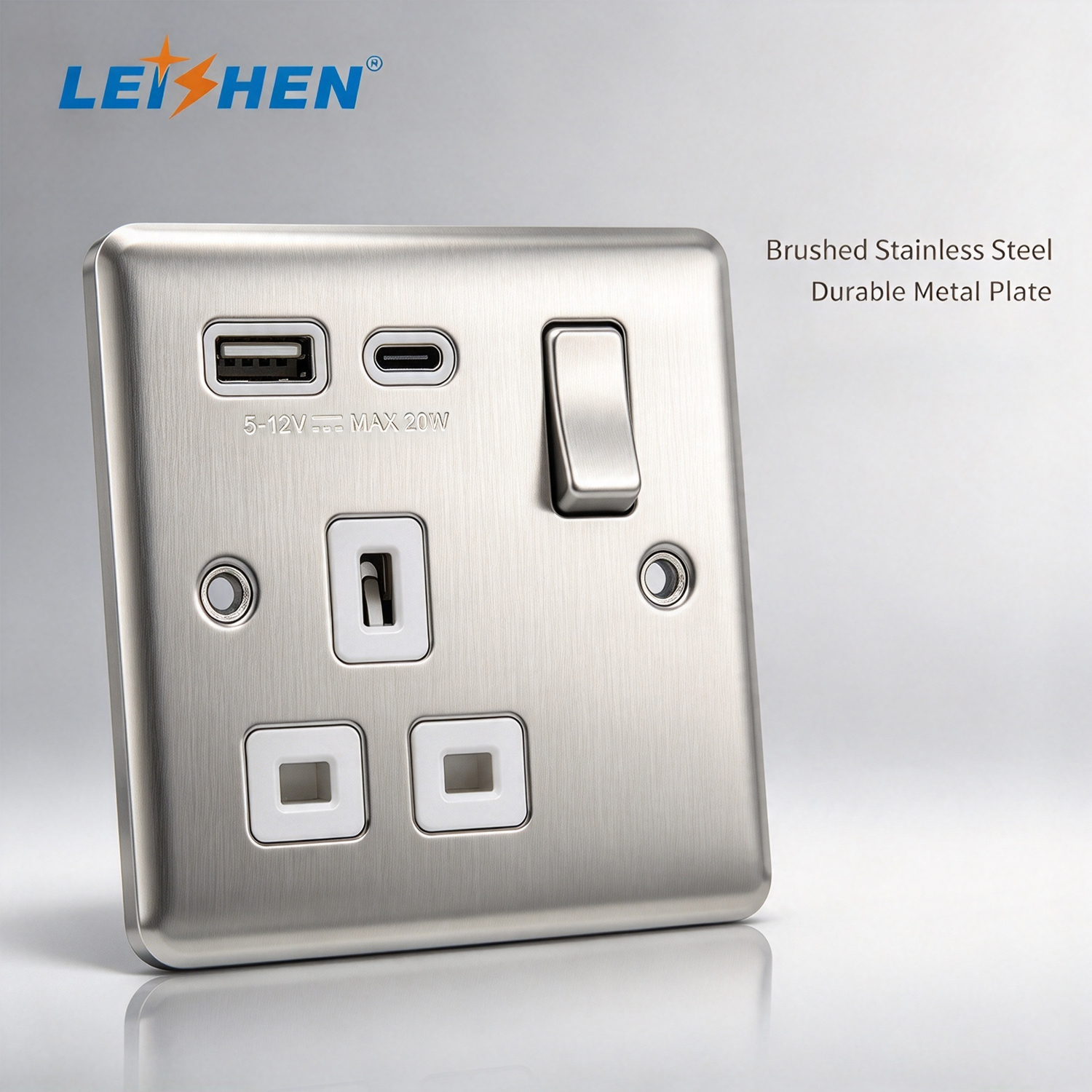
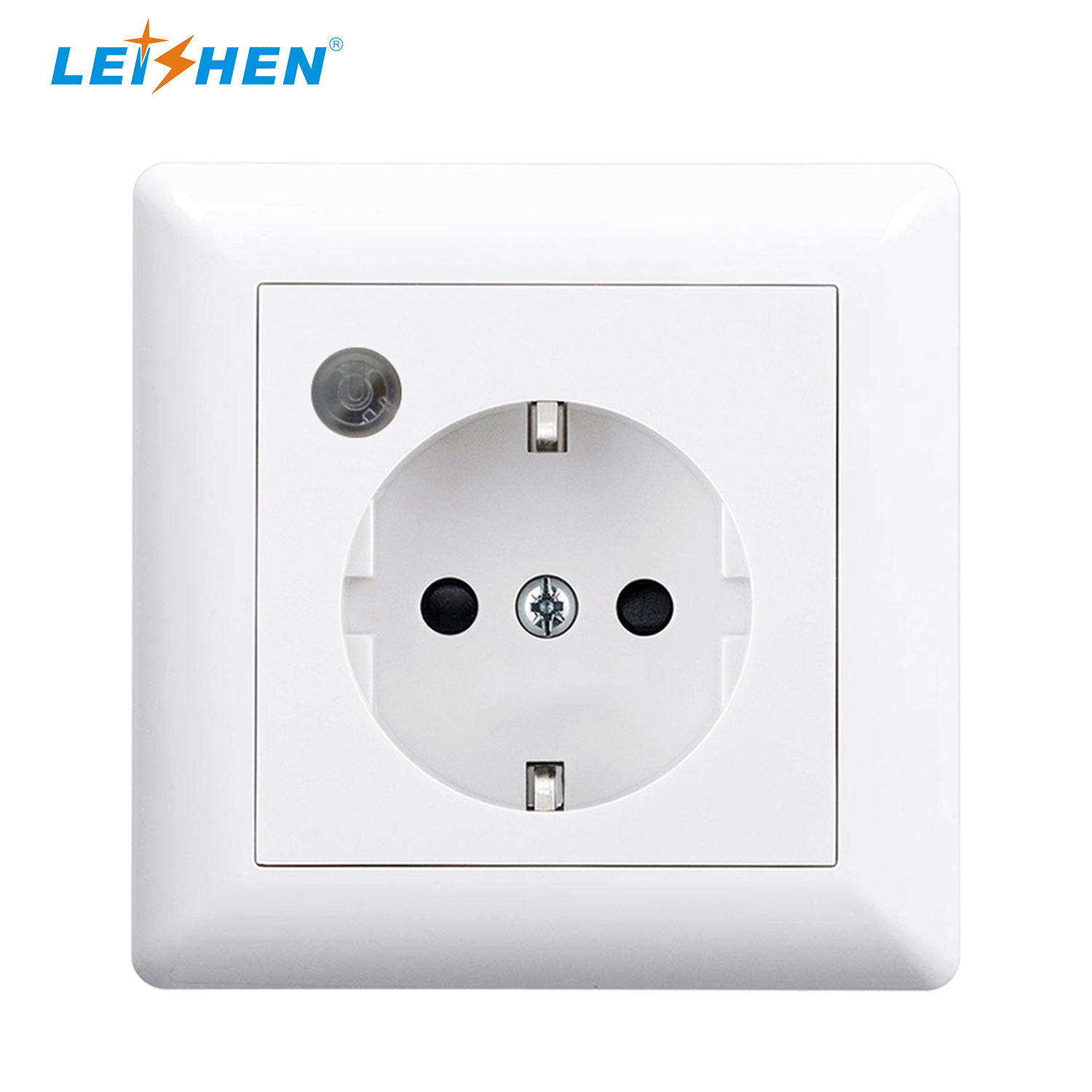
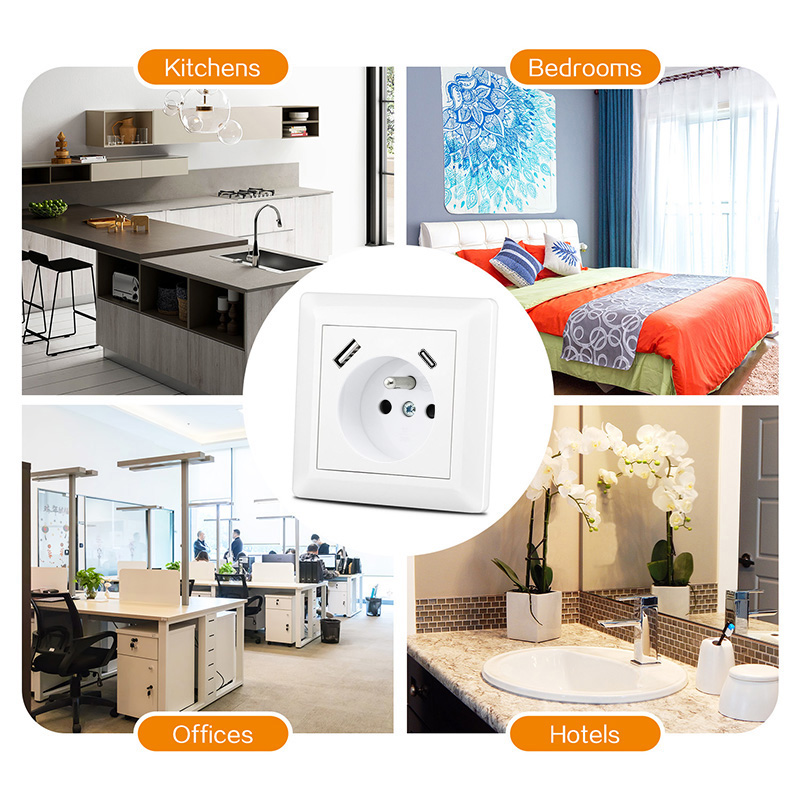
Schuko Engineering Under Caribbean Power Architectures
A rigorous breakdown of voltage adaptations, grounding topology, and marine corrosion mitigation for Bahamian procurement.
Dual-Phase Voltage Topologies
The standard domestic utility grid managed by the Bahamas Electricity Corporation (BPL) operates primarily at 120V single-phase / 60Hz. However, European Schuko appliances (CEE 7/4 and CEE 7/7) strictly require 220V–240V. Our direct factory builds provide native support for split-phase 120/240V step-up integration and high-efficiency localized step-down transformers, ensuring European high-draw appliances operate stably without overheating induction coils or compromising motor phase timing.
Protective Earth & Dual Ground Clips
Schuko sockets rely fundamentally on top and bottom side-earthing spring clips rather than a central grounding pin. In the Bahamas, where electrical infrastructure heavily mirrors the US National Electrical Code (NEC / NFPA 70), connecting Schuko systems requires isolated ground resilience. Our units feature nickel-plated phosphor bronze earthing clips capable of withstanding high short-circuit faults while maintaining an uninterrupted return path to grounding rods.
Atmospheric Salt Corrosion Defense
Bahamian archipelagic environments subject electrical switchgear to continuous airborne sodium chloride and relative humidity exceeding 85%. Standard brass terminals oxidize rapidly, creating high-resistance hotspots and terminal arcing. We construct all conductive conduits from high-spec QSn6.5-0.1 phosphor bronze and apply a 5μm electroplated nickel barrier layer, successfully passing ASTM B117 salt spray tests for up to 96 hours continuous exposure.
Emerging Procurement Trends Shaping Bahamian Construction
Macro analysis of regulatory modernizations, smart infrastructure developments, and environmental hardening.
Grid Fluctuations & Over-Voltage Protection
Caribbean island micro-grids face significant transient spikes and frequent brownouts triggered by hurricane disruption and diesel generator changeovers. Procurement trends show a decisive shift toward smart Schuko outlets equipped with internal Metal Oxide Varistors (MOVs) rated at 400 Joules or higher, neutralizing hazardous spikes before they reach sensitive foreign equipment.
Integration of GaN USB Fast Charging
Bulky power bricks are increasingly disfavored in minimalist hospitality architecture. Bahamian development specifications now mandate wall fixtures combining traditional Type F sockets with recessed Gallium Nitride (GaN) USB-C delivery ports (65W to 100W), facilitating direct charging for Apple, Lenovo, and Dell laptops directly from the wall faceplate.
Harmonized Multi-Standard Wall Plates
Design consultants across Nassau are steering developers toward modular System 55 wall plates. This modular approach allows electrical contractors to pair a 120V US Type B receptacle alongside a 230V Schuko socket within the same aesthetic junction frame, solving mixed-voltage connectivity cleanly without messy add-on adapters.
Frequently Asked Questions: Sourcing Schuko Sockets for the Bahamas
Direct technical answers addressing electrical regulatory standards, logistics, and factory customization.
Q1: Can Schuko sockets legally be installed in Bahamian residential and commercial builds?
Yes, provided the installation adheres to Bahamas Building Code requirements and follows recognized electrical safety engineering. While standard municipal lines supply 120V, split-phase 240V lines (using two 120V hot conductors with a protective ground) are standard for high-draw cooling systems and dryers. Installing Schuko outlets on an isolated 240V circuit is widely permitted for dedicated European appliances in hospitality and residential properties when executed with proper circuit breakers.
Q2: How do your sockets handle the 60Hz grid frequency in the Bahamas when EU equipment expects 50Hz?
Passive wall sockets and mechanical power strips are frequency-independent; they conduct current reliably at both 50Hz and 60Hz up to 250V. For appliances incorporating internal electric motors, our engineering team consults on matching loads to ensure induction cycles remain within safe operating temperatures, and our integrated USB power delivery boards are fully rated for universal 50/60Hz AC input.
Q3: What freight routes and FOB/CIF ports do you support for Bahamian buyers?
We regularly handle container-load (FCL) and palletized (LCL) shipments via direct maritime transit from Guangzhou/Shenzhen to Port of Nassau and Freeport, Grand Bahama. Many Caribbean clients also utilize freight consolidators in Miami, Fort Lauderdale, or West Palm Beach; our logistics desk delivers DDP or FOB to your preferred Florida transshipment forwarder.
Q4: How does Haxli protect components against salty coastal air and high humidity?
Our marine-grade product line uses electroplated nickel-barrier phosphor bronze internal contacts rather than untempered brass. In addition, our wall socket enclosures feature ultrasonic hermetic bonding around high-voltage contact pins, while outdoor and wet-bar models offer IP54-rated sprung silicone seals to lock out salt spray and fine tropical dust.
Q5: What are the Minimum Order Quantities (MOQ) for custom project tooling or OEM colors?
For standard catalogue Schuko wall outlets and cube strips, ready-to-ship inventory starts with low-barrier trial orders of 100 to 500 units. For fully customized faceplates (such as brushed champagne aluminum, architectural matte black, or custom hotel laser etching), standard factory production runs typically start at 1,000 units with 3D-printed pre-production prototypes provided beforehand.
Q6: Are model-specific testing certificates provided prior to container dispatch?
Yes. Every batch leaves our facility backed by certified third-party testing paperwork—including CE, RoHS, KEMA, TÜV, or FCC compliance certificates. In-house quality verification dossiers detailing Hi-Pot leakage, pin withdrawal force, and fire-retardant burn times are compiled by our 10-person QC team and sent to your project engineers prior to final invoice balancing.
Consult with Our Electrical Engineering Team
Whether you are outfitting a luxury resort development in the Exumas, modernizing marina infrastructure in Nassau, or restocking wholesale electrical distribution hubs, our Guangzhou facility provides direct pricing, full OEM/ODM prototyping, and proven compliance.