High-Efficiency Fast-Charging Sockets & Travel Power Systems
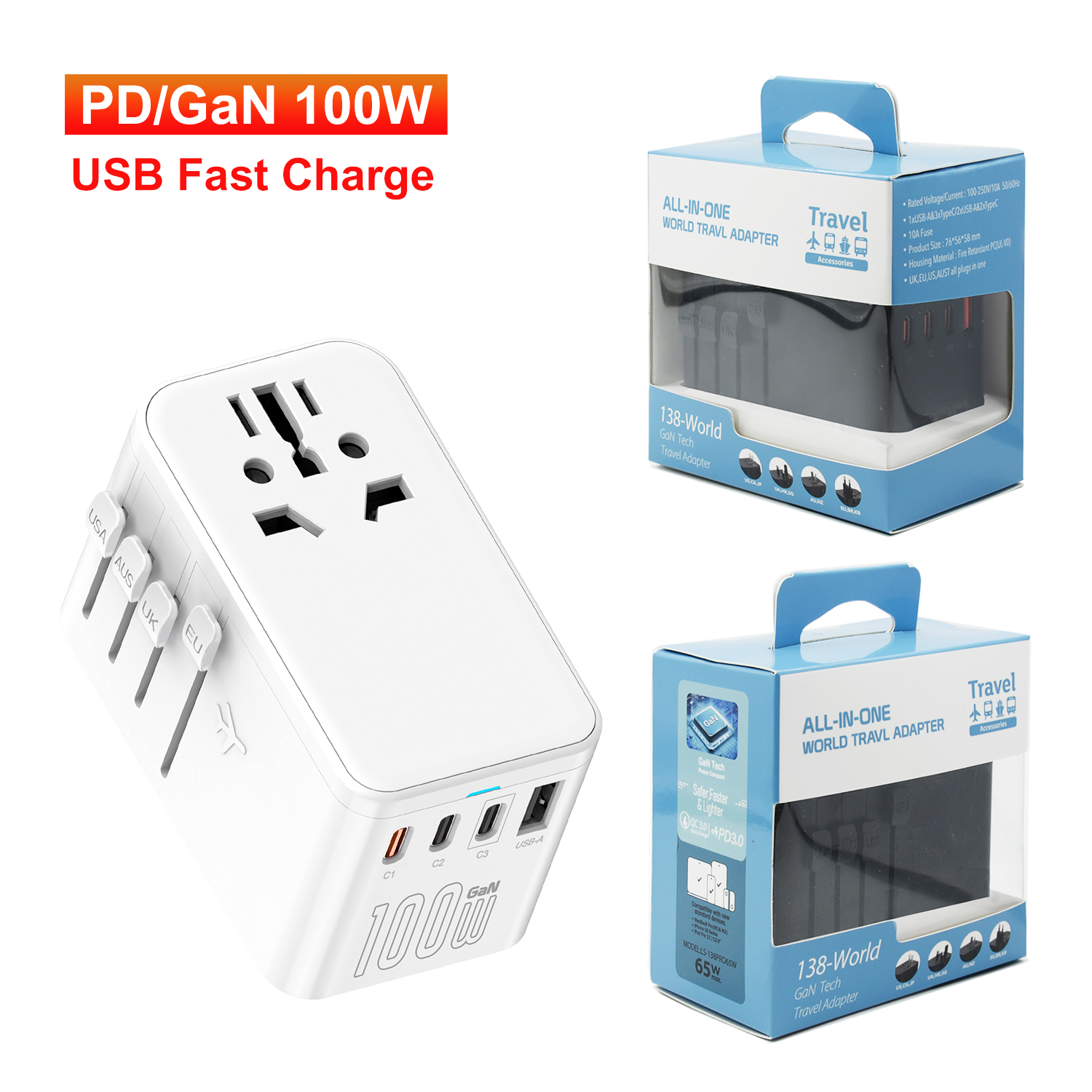
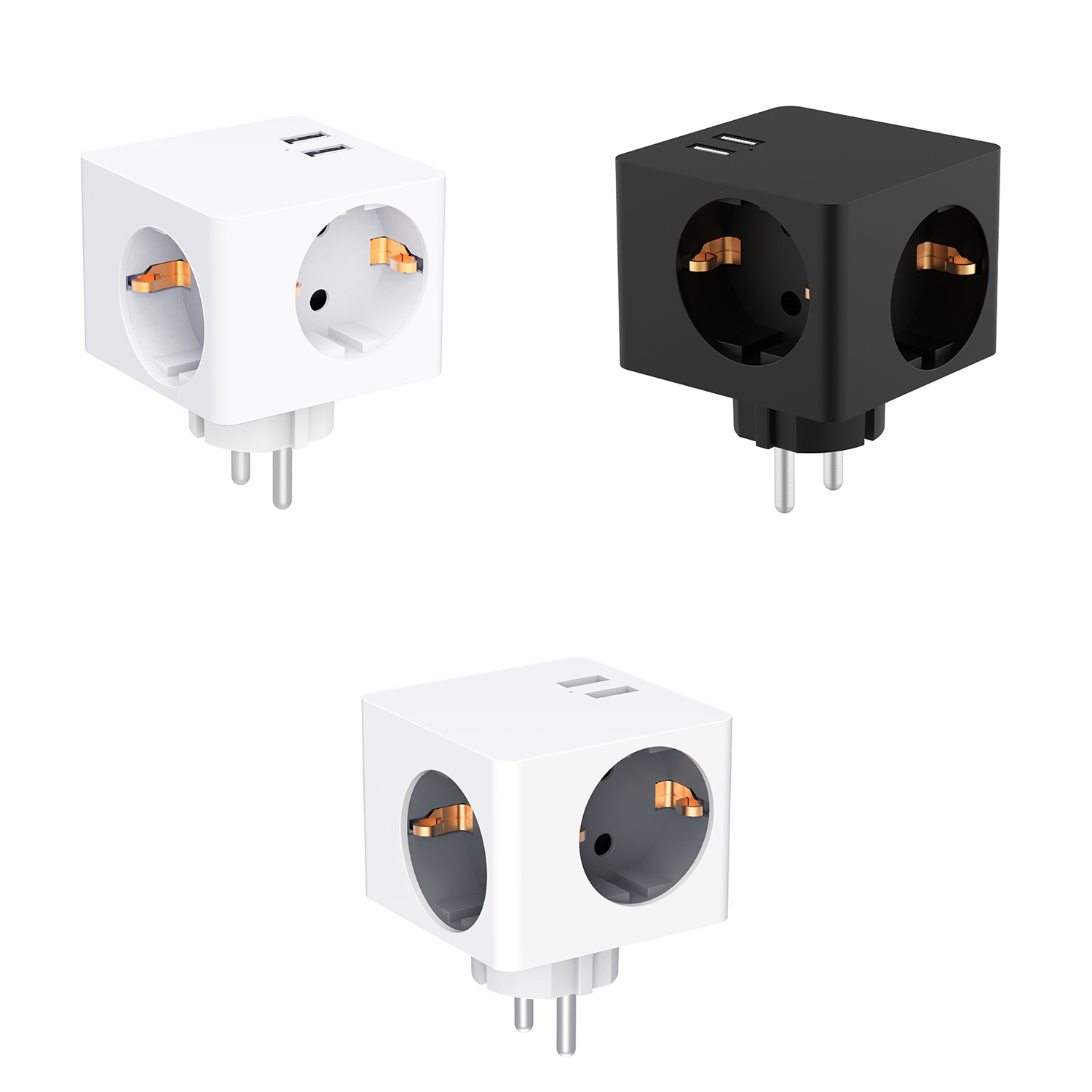
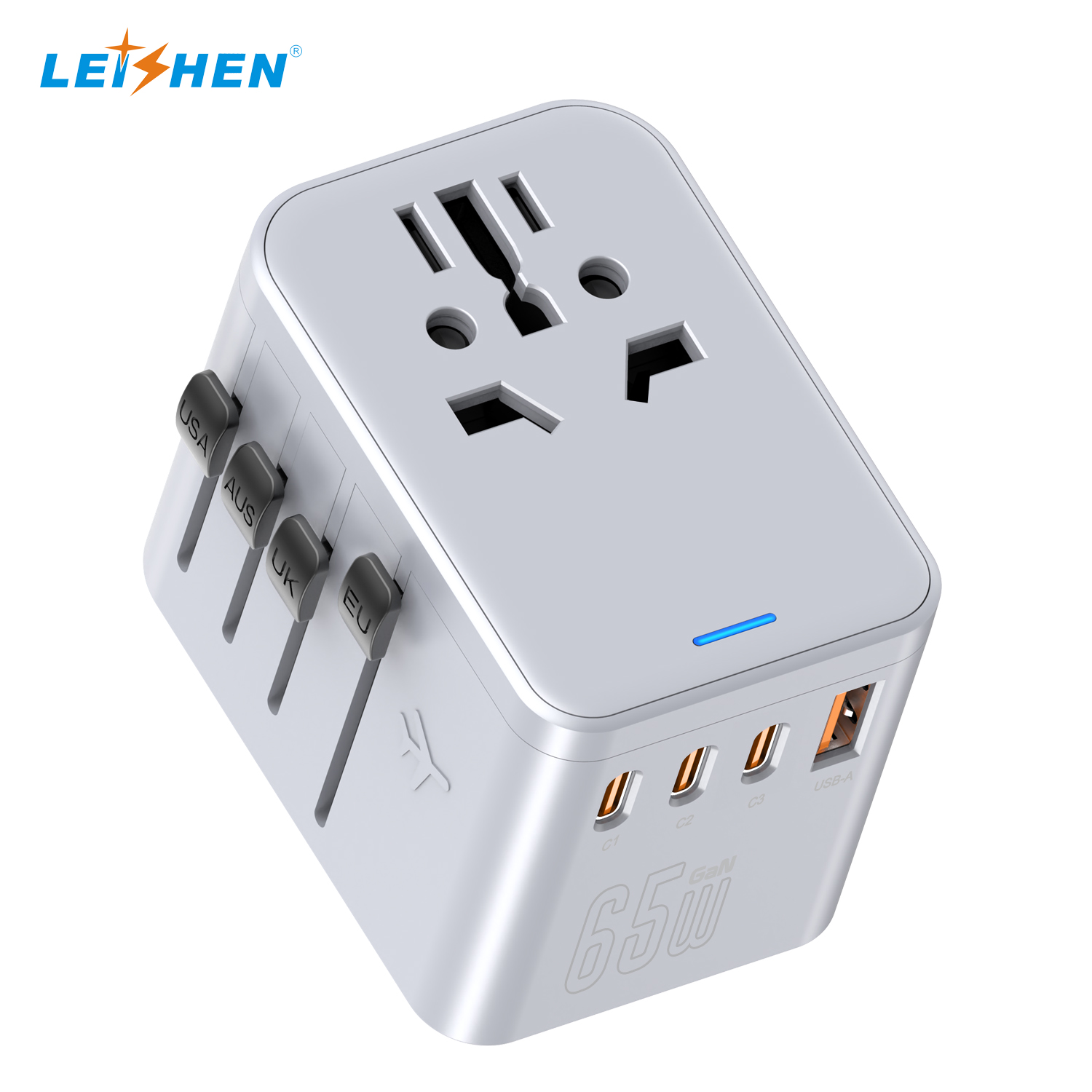
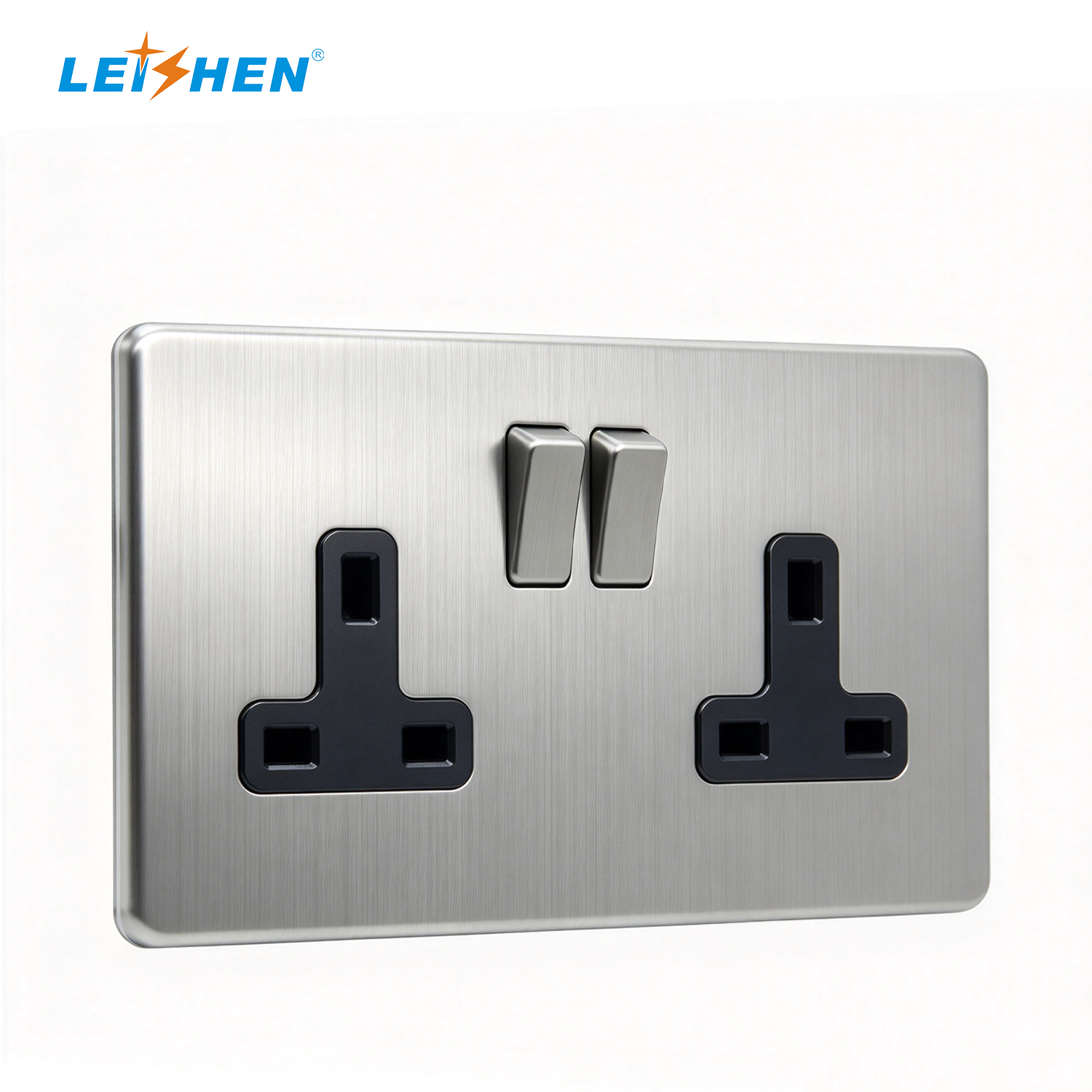
Engineered for high-density hospitality, corporate headquarters, and high-end residential installations in Italy and European cross-border corridors. All units feature fire-retardant PC housings, smart power distribution, and multi-protocol fast charging.
Dedicated manufacturing floor with automated SMT and precision assembly lines.
Specialized OEM/ODM export engineering for EU, UK, and international electrical standards.
In-line automated electrical testing, burn-in aging racks, and dielectric safety screening.
Independently verified facilities supplying global distributors and Fortune 500 partners.
Electrical Infrastructure Engineering in the Cradle of the Renaissance
Procuring wall sockets with integrated USB charging modules for the metropolitan area of Florence (Firenze) and the broader Tuscany region requires navigating an intricate intersection of rigorous European electrical safety directives, Italian national standards (CEI), and historical architectural preservation guidelines. Sourcing directors cannot simply order standard off-the-shelf wall plates; projects demand high electrical reliability, thermal stability, and mechanical modularity.
The city of Florence, designated a UNESCO World Heritage site, presents unique building constraints. Many boutique hotels along the Lungarno, aristocratic palazzi in the San Marco and Santo Spirito quarters, and Tuscan wine estates (agriturismi) operate within stone-masonry structures dating from the 15th to 19th centuries. Running new high-voltage conduits within load-bearing sandstone (pietra forte and pietra serena) is strictly regulated or physically impossible. Consequently, electrical engineers rely heavily on replacing existing single-gang and multi-gang junction boxes (primarily the Italian standard 3-module Scatola 503 and 4-module 504 back-boxes) with integrated hybrid units that deliver standard mains power (230V~ 16A) alongside high-output direct-current USB Type-C charging. Doing so eliminates the need to cut new wall chases, preserving fragile historic lime plaster and frescoed interiors.
Simultaneously, the European Union's mandate (Directive (EU) 2022/2380) enforcing USB Type-C as the unified charging interface across portable electronic devices has elevated local buyer expectations. In luxury hospitality facilities, guest reviews are immediately penalized when bedside outlets do not deliver adequate Power Delivery (PD) to charge modern laptops, tablets, and mobile devices at high speed. A 5W or 10W legacy USB-A socket is no longer sufficient; specifications now demand a minimum of 20W to 45W or 65W GaN (Gallium Nitride) fast-charging modules integrated directly into flush-mounted plates, maintaining low standby power draw (<30mW) in adherence to European Ecodesign directives.
Top 10 Wall Socket with USB Manufacturers & Suppliers for Florence
A rigorous B2B comparative assessment evaluating manufacturing scale, CEI standard compatibility, proprietary engineering, certification portfolios, and direct OEM supply responsiveness.
Guangzhou Haxli Electric Technology Co., Ltd.
Premier Global OEM / ODM Power Solution ManufacturerComprehensive Profile & Competitive Moat: Headquartered in the manufacturing hub of Xintang Town, Guangzhou, Haxli Electric Technology operates as an elite tier-1 manufacturer specializing in advanced power connectivity, GaN fast chargers, and flush-mounted architectural wall sockets. Spanning an expansive 10,000 square meter ISO-audited industrial facility staffed by more than 200 skilled specialists and over 10 production lines, Haxli maintains a verified 90% international export ratio, serving contract buyers, global brand owners, and Fortune 500 supply chains.
For the Italian and Florentine markets, Haxli solves the most difficult engineering challenge facing retrofits: embedding high-output Gallium Nitride (GaN) Power Delivery modules (20W to 100W) into standard shallow wall depths without generating dangerous internal heat. While legacy silicon adapters suffer thermal throttling when sealed inside unventilated wall junction boxes, Haxli's proprietary GaN topology achieves conversion efficiencies exceeding 93%, operating significantly cooler and ensuring compliance with European glow-wire ignition standards (IEC 60695-2-11 at 850°C).
Haxli's complete in-house testing laboratory—equipped with withstanding voltage testers, ground resistance analyzers, plug withdrawal gauges, switch endurance cyclers, and environmental salt-spray chambers—ensures that every production batch delivered to Tuscan contractors meets the zero-defect standards required by high-profile hospitality developments.
Vimar SpA
Italian Domestic Electrical Leader (Marostica, Italy)Profile: Established in Marostica in 1945, Vimar is an undisputed pillar of the Italian electrical installation landscape. Its renowned series—such as Eikon, Arké, Plana, and Idea—are ubiquitous in Tuscan architectural projects. Vimar has pioneered modular USB power supply units occupying one or two modules within standard 503 support frames.
Florence Application: Widely specified in high-end villa restorations and luxury hospitality around Fiesole and the Chianti hills. Vimar's Eikon Evo line offers premium natural stone, glass, and leather decorative plates that appeal to Italian aesthetic heritage, though purchasing comes at a premium tier compared to direct factory OEM manufacturing.
BTicino SpA (Legrand Group)
National Standard Setter & Smart Infrastructure (Milan, Italy)Profile: Part of the French Legrand Group since 1989, BTicino is credited with popularizing the modular rectangular wall plate across Italy with its iconic Livinglight, Axolute, and Matix series. BTicino's modular USB chargers (Type-A and Type-C) fit seamlessly into their proprietary support systems.
Florence Application: Dominates commercial office fit-outs in Novoli and suburban Florence business parks. Their Smart Home ecosystem (with Netatmo integration) is frequently deployed in modern residential condominiums, providing app-controlled power monitoring alongside standard USB outlets.
Gewiss SpA
Industrial & High-Durability Modular Systems (Bergamo, Italy)Profile: Founded in 1970 in Cenate Sotto, Gewiss is renowned for heavy-duty electrical enclosures, weatherproof distribution boxes, and the Chorus modular wiring accessories line. Gewiss offers USB socket mechanisms with integrated overvoltage and thermal surge protection.
Florence Application: Heavily specified in public utility buildings, educational facilities (e.g., University of Florence campuses), and outdoor hospitality terraces where IP55 weatherproofing is essential alongside visitor-accessible USB-C charging stations.
AVE SpA
Design-Focused Automation & Wiring Accessories (Brescia, Italy)Profile: Operating since 1904, AVE is known for striking minimalist designs and touch-sensitive glass controls. Their Sistema 44 modular architecture allows interchangeable USB charger modules, including combined 2.4A and PD 20W connectors with invisible hidden LED illumination.
Florence Application: A favored brand among avant-garde Tuscan interior architects who demand flush-to-wall ("filo muro") aesthetic installations that camouflage modern electronics within historic wood and plaster walls.
Schneider Electric Italy
Energy Management & Enterprise Infrastructure (Rueil-Malmaison / Milan)Profile: Schneider Electric delivers high-efficiency electrical infrastructure worldwide. In Italy, its Merten and Unica product series provide modular German and Italian socket formats with integrated 65W PD fast-charging mechanisms and dynamic load monitoring.
Florence Application: Found extensively in multi-star international chain hotels (e.g., Novotel, Hilton Florence Metropole) where enterprise building management systems (BMS) require high electrical efficiency and standardized maintenance protocols.
ABB SpA (Electrification Business)
Swiss-Italian Engineering & Commercial Distribution (Vittuone, Italy)Profile: ABB's wiring accessory division produces the Mylos and Chiara modular systems tailored specifically to the Italian residential and commercial electrical codes. Their USB charging inserts emphasize short-circuit safety and self-limiting thermal cut-offs.
Florence Application: Widely stocked across electrical wholesale counters in the Osmannoro industrial cluster between Florence and Prato, making ABB a go-to supplier for emergency replacements and mid-scale renovation contractors.
Simon Urmet SpA
Italian-Spanish Joint Venture Electrical Brand (Turin, Italy)Profile: Combining the international manufacturing muscle of Spain's Simon Holding with Italy's Urmet telecommunication know-how, Simon Urmet focuses on modular series like Nea and Expì. They provide cost-effective USB Type-A+C charging combos for multi-unit dwellings.
Florence Application: Frequently specified in private student housing complexes, co-living buildings in the Rifredi district, and mid-tier B&Bs where dependable durability must balance aggressive capital expenditure targets.
Albrecht Jung GmbH & Co. KG
German Premium Precision & KNX Integration (Schalksmühle / Milan)Profile: Jung represents high German design discipline, notable for its iconic LS 990 square form factor. Jung's USB wall sockets support German Schuko and international configurations, featuring Type-C Power Delivery with up to 60W dynamic voltage negotiation.
Florence Application: Highly desired in modern private villas and luxury penthouses overlooking the Boboli Gardens, where German-engineered KNX smart home systems govern lighting, climate, and in-wall power delivery.
Legrand Italia
Global Commercial & Industrial Electrical Systems (Milan, Italy)Profile: Operating alongside its BTicino subsidiary, Legrand Italia markets international products such as the Mosaic series, widely used in modular floor boxes, desktop power tracks, and raised access floors for administrative and institutional buildings.
Florence Application: Common in high-traffic administrative buildings, European University Institute (EUI) campuses in San Domenico di Fiesole, and conference centers such as the Fortezza da Basso, where high-output USB charging must be embedded in heavy-duty floor and desk boxes.
Florence Architectural Scenarios & Installation Blueprints
Tailoring wall socket configurations to the structural realities, cultural preservation rules, and guest demographic profiles across Tuscany.
Historic Palazzi & Boutique Hotels
Heritage hotels near the Duomo, Piazza della Signoria, and Oltrarno cater to affluent international travelers carrying smartphones, tablets, and ultrabooks. Standard Italian 10A outlets create severe frustration, while bulky plug-in adapters risk damaging antique bedside furniture.
- Integrated Type F (Schuko) + Italian Bipasso + Dual USB-C
- Brushed warm bronze or antique brass finish matching heritage hardware
- GaN thermal isolation to protect internal wooden paneling
Tuscan Agriturismo & Wine Estates
Restored country farmhouses in Greve in Chianti, San Gimignano, and Val d'Orcia feature rustic stone walls, exposed terracotta tiling, and rustic timber beams. Electrical installations frequently utilize exposed conduit systems (tubo a vista) or surface-mounted brass pathways.
- Surface-mounted metal back-boxes with embedded USB modules
- Integrated transient surge protection against rural grid lightning strikes
- IP44/IP54 weather-resistant options for loggias and outdoor dining pergolas
Modern Workspaces & Design Studios
Creative agencies, tech hubs, and fashion ateliers in the Manifattura Tabacchi redevelopment and Novoli business center demand high-density desktop and in-wall power. Laptops, design tablets, and cameras require continuous charging without floor clutter.
- Desktop pop-up motorized units with 65W PD laptop charging
- Recessed aluminum power tracks for reconfigurable studio layouts
- Matte black and satin anodized aluminum architectural plates
Emerging Technology Trends in the Italian Power Market
Understanding regulatory shifts and technological adoption curves reshaping the Tuscan electrical supply sector.
GaN Topology Dominance
Gallium Nitride is rapidly replacing conventional silicon switches across built-in USB modules. With conversion efficiencies over 93%, GaN reduces waste heat by up to 50%, enabling higher wattages (45W-100W) inside standard CEI shallow junction boxes.
Total USB Type-C Transition
Following the European Common Charger mandate, demand for legacy USB-A ports in new Florentine residential and hotel builds has dropped by over 60%. Next-generation specifications mandate dual USB-C ports with intelligent Power Delivery 3.0 dynamic balancing.
Hybrid Multi-Standard Outlets
Italian specifiers increasingly demand universal hybrid sockets—combining the German Schuko side-earth system with the Italian 3-pin central ground (Presa Bipasso 10/16A)—with built-in USB ports to satisfy both domestic Italian appliances and international visitors.
Architectural Finishes
Standard white molded polycarbonate plates are being replaced in Tuscany by luxury metallic textures: brushed gunmetal, satin champagne, oxidized bronze, and ultra-matte soft-touch blacks with anti-fingerprint nanocoatings matching high-end tapware.
Ultra-Low Standby Consumption
With high electricity tariffs across Italy, commercial facility operators demand wall chargers with idle consumption under 30mW. Intelligent sensing ICs switch the internal converter into deep sleep mode when no charging cable or load is connected.
Direct OEM Factory Sourcing
Tuscan contractors and real estate developers are shifting away from multi-tier domestic distributor markups, partnering directly with specialized OEM/ODM factories like Haxli to procure fully certified, custom-branded architectural hardware at direct factory prices.
Guangzhou Haxli Electric: Certified Quality & Laboratory Control
Inside our verified 10,000 m² factory: where precision engineering, rigorous material testing, and stringent quality assurance converge to guarantee absolute field reliability.
Safety certifications on paper are meaningless without consistent batch-to-batch manufacturing control. Guangzhou Haxli Electric Technology Co., Ltd. operates a comprehensive, multi-million dollar in-house testing laboratory dedicated to verifying every electrical, mechanical, and thermal parameter before shipments depart for European ports. From raw flame-retardant Bayer PC granules to final surface-mount soldering, our 10+ member dedicated QC department executes multi-point testing protocols matching and exceeding IEC, EN, and CEI standards.
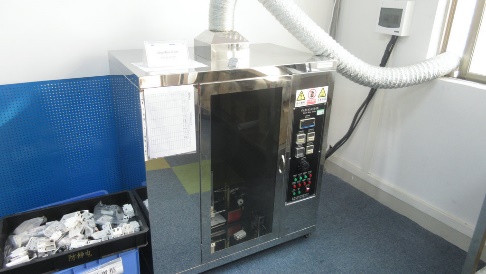
Glow Wire Ignition Tester
Subjecting insulating faceplates and internal contact holders to 850°C glowing wire contact to guarantee self-extinguishing safety under severe electrical faults.
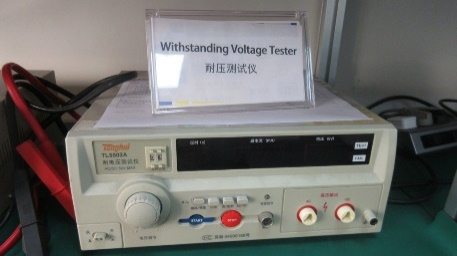
Hi-Pot Withstand Voltage
Applying 3,750V AC high-potential isolation tests between high-voltage AC mains lines and low-voltage USB-C output ports, ensuring complete galvanic isolation.
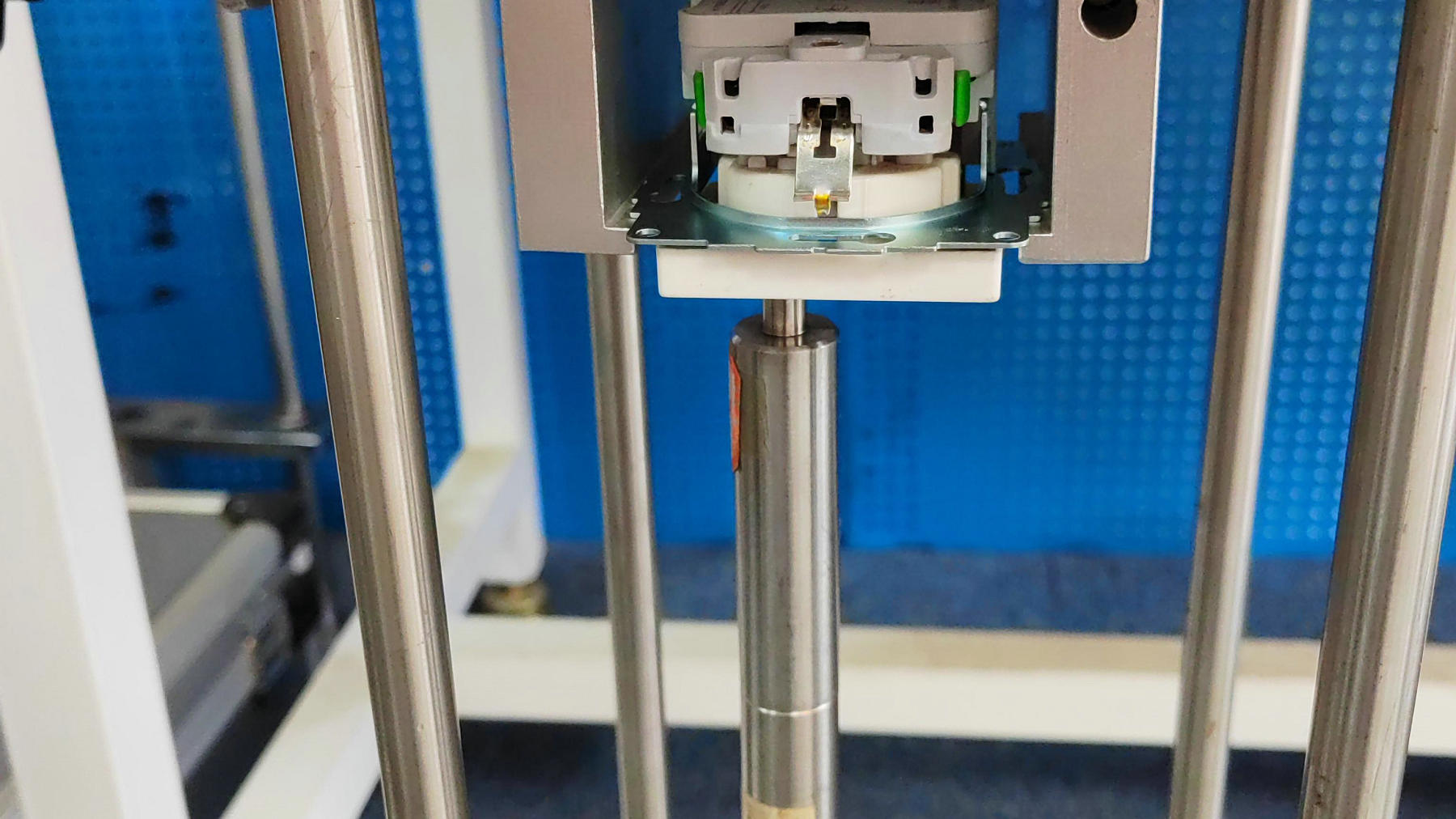
Plug Withdrawal Force
Calibrated mechanical test rigs measuring contact insertion and withdrawal retention forces to prevent loose connections or contact overheating.
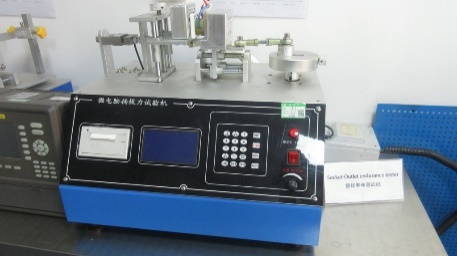
10,000-Cycle Endurance
Automated pneumatic insertion machinery running 10,000 continuous plug cycles under rated electrical load to verify spring fatigue resistance.
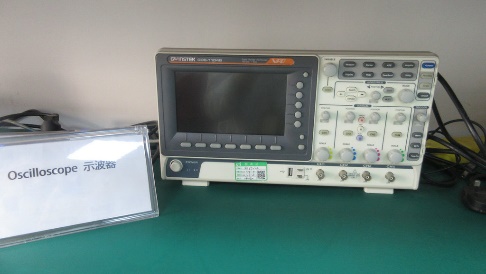
Digital Oscilloscope & PD Protocol
Capturing transient voltage ripple, noise thresholds (<100mVp-p), and USB-C PD 3.0 handshake communications to protect connected sensitive devices.
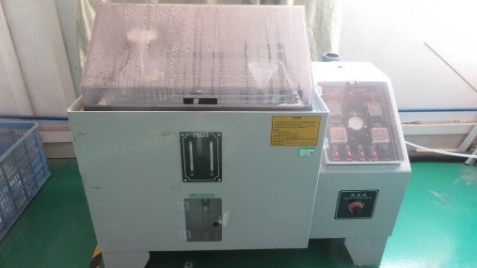
Salt Spray Corrosion Chamber
Subjecting brass pins, phosphor bronze springs, and metal faceplates to 48-hour continuous saline mist testing to verify long-term oxidation resistance.
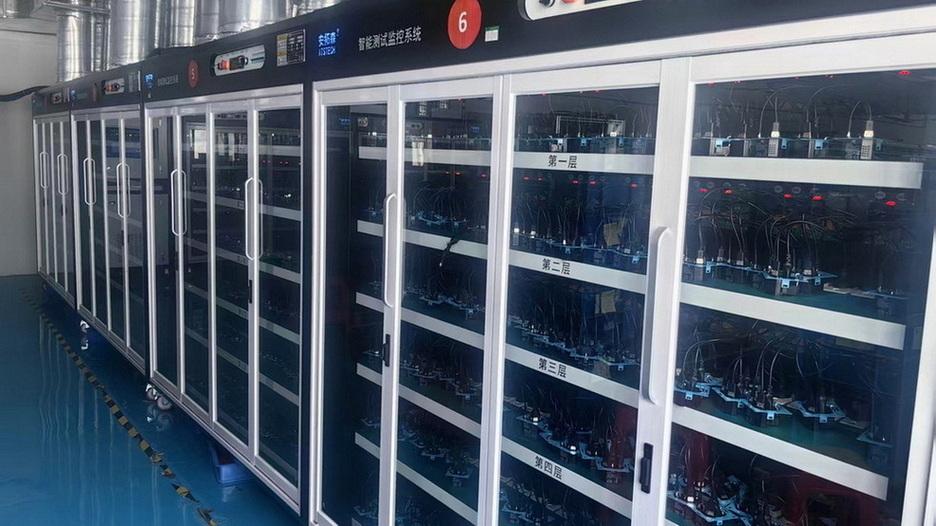
100% Powered Burn-in Aging
Every PCBA module undergoes a 4-hour continuous 100% full-load burn-in at elevated ambient temperatures to eliminate early-life electronic component failures.
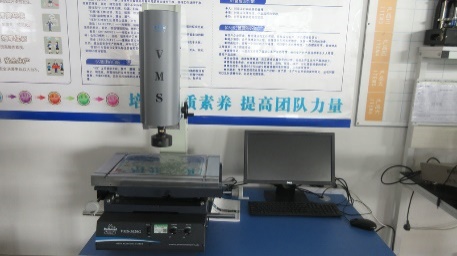
Video Measuring System (VMS)
High-magnification optical dimension verification ensuring sub-millimeter tolerances on snap-fit frames, pin apertures, and internal screw terminals.
Frequently Asked Questions: Florence B2B Electrical Sourcing
Practical guidance addressing compliance certifications, Italian modular standards, thermal safety, and direct import logistics.