High-Efficiency Travel USB Adapters & Sockets for Belgian Importers
Pre-certified under CE, RoHS, and IEC 60884-1 safety topologies. Designed specifically for cross-border European compatibility, hospitality retrofitting, and international commercial distribution.
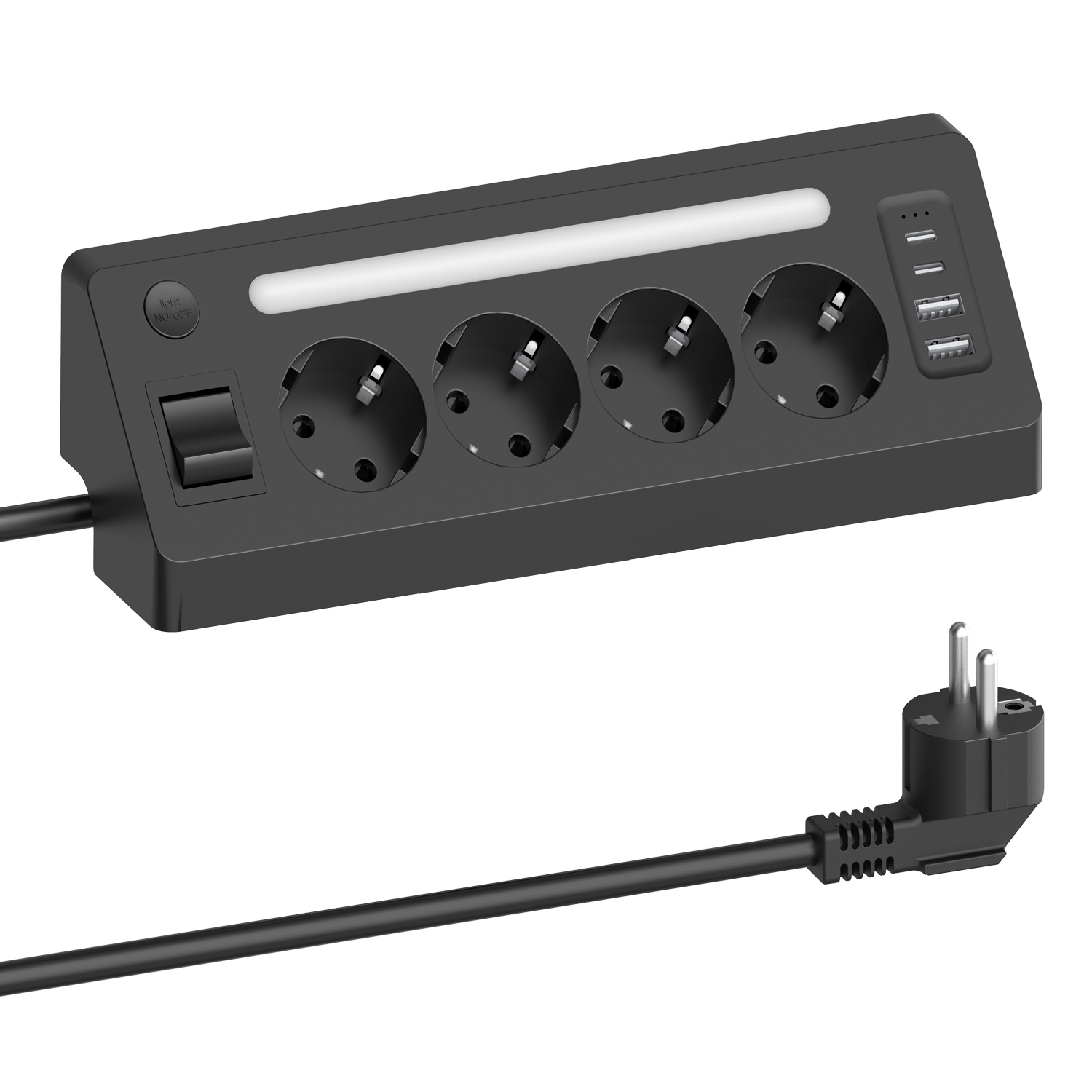
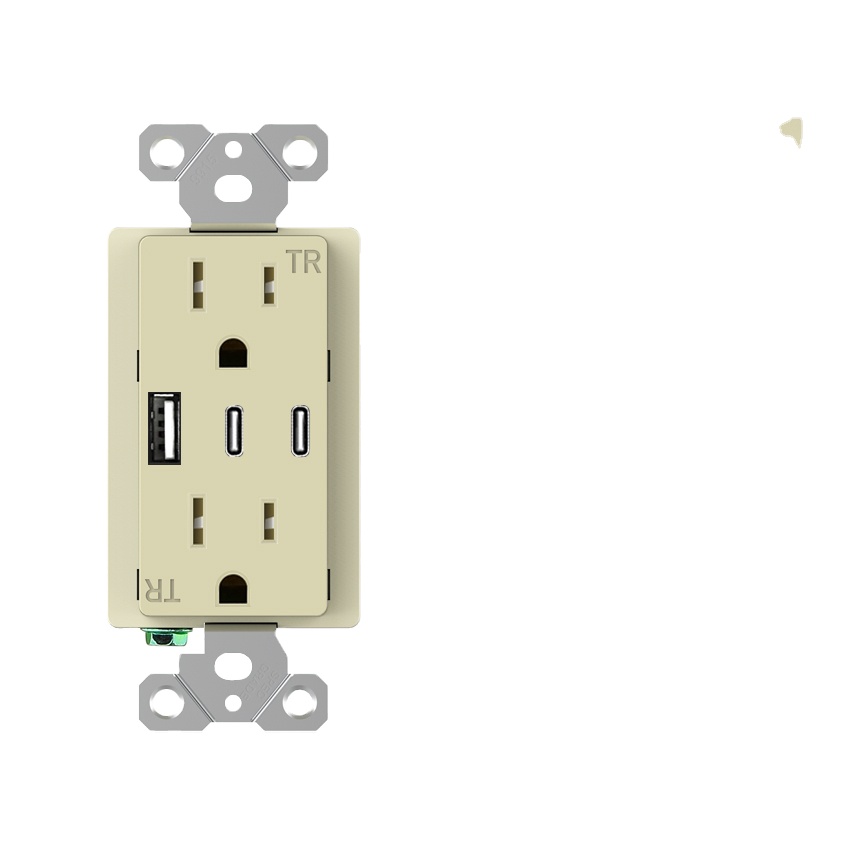
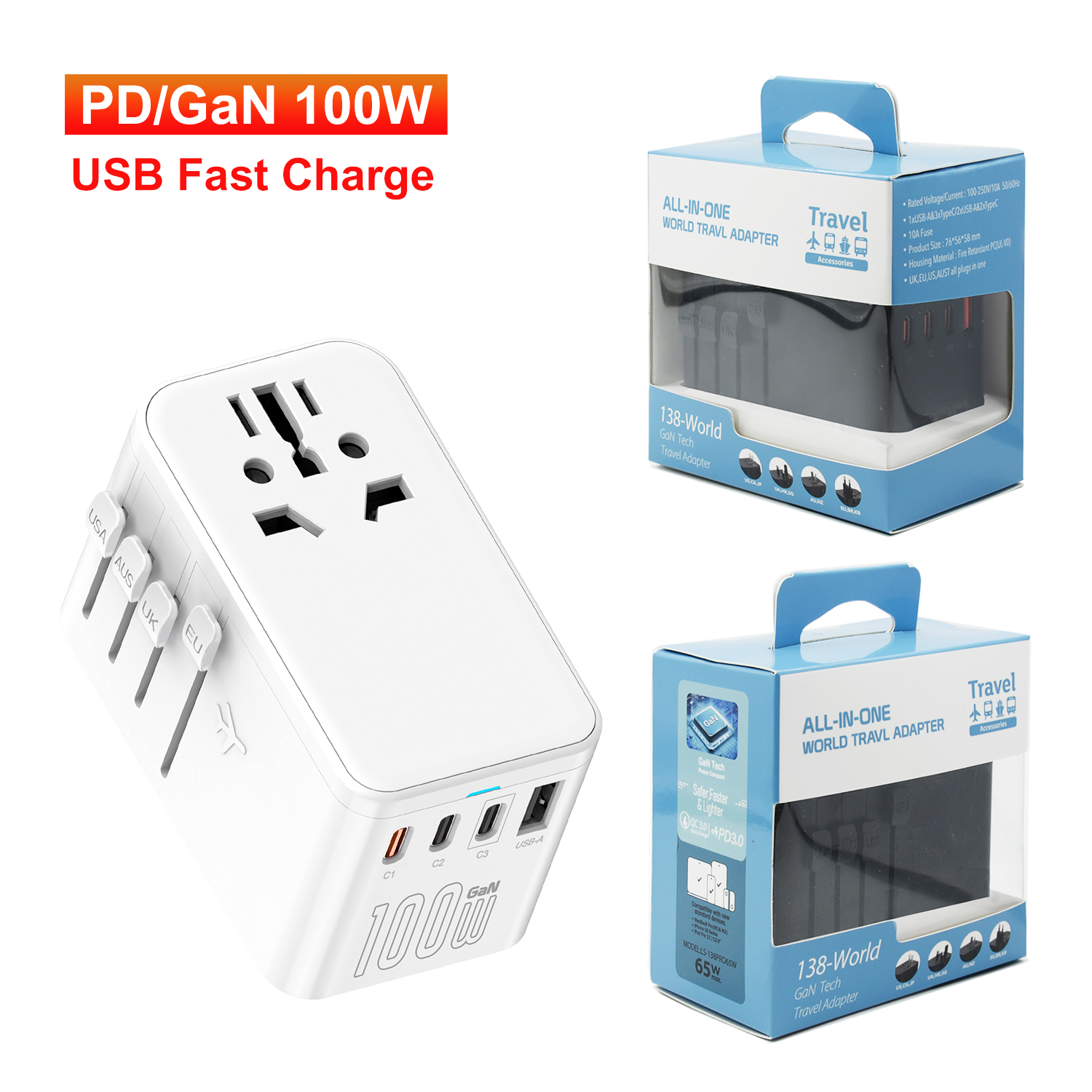
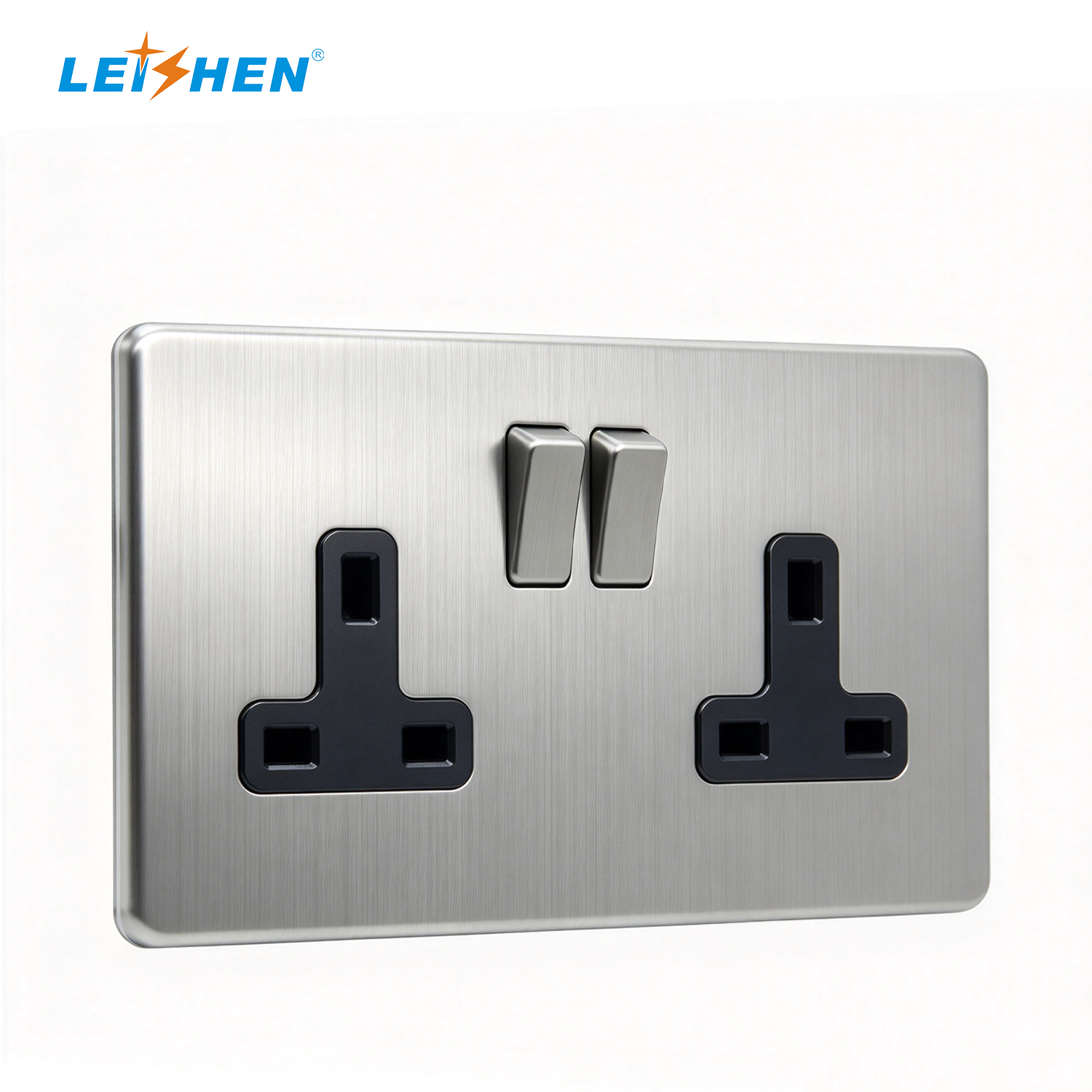
The Belgian Electrical & Travel USB Architecture Landscape
How the Kingdom of Belgium's central role in the European single market dictates stringent mechanical standards, dual-pin earthing topologies, and universal Type-C transition frameworks.
Procuring travel USB chargers and smart power distribution equipment in Belgium presents unique technical and logistical parameters that differentiate it from neighboring European territories. Positioned at the geographical heart of Western Europe and housing the de facto capital of the European Union, Belgium functions as both an intensive consumption market and a high-throughput distribution corridor for consumer electronics across the Benelux zone, Northern France, and Western Germany.
From an electrical engineering standpoint, electrical equipment deployed in Belgium must satisfy the national standard NBN C 61-112-1 and carry verifiable CE compliance rooted in the Low Voltage Directive (LVD) 2014/35/EU and the Electromagnetic Compatibility (EMC) Directive 2014/30/EU. Unlike Germany, Austria, or the Netherlands where Type F (CEE 7/4 "Schuko" side-clip earthing) is the predominant domestic standard, Belgian residential and commercial installations strictly require Type E (CEE 7/5) sockets characterized by a protruding male earth pin. Consequently, high-volume B2B importers, corporate gift distributors, and hospitality contractors must specify hybrid CEE 7/7 plugs featuring both side earth scrapers and an earth pin aperture to guarantee flawless dual-market compliance across Belgium and its trade partners.
Furthermore, with the full enforcement of the European Common Charger Directive — Directive (EU) 2022/2380 amending Directive 2014/53/EU — all portable electronic devices and accompanying charging equipment sold into Belgian retail or commercial chains must incorporate standard USB Type-C charging receptacles supporting USB Power Delivery (USB-PD). Wholesale buyers must therefore eliminate legacy single-voltage USB-A stock in favor of multi-protocol dynamic power allocation platforms (GaN III) that satisfy both ultra-compact form factors and stringent harmonic distortion thresholds.
Localized B2B Application Scenarios Across Belgium
Engineered power connectivity addressing distinct commercial, institutional, and logistics requirements throughout Flanders, Wallonia, and the Brussels-Capital Region.
EU & Diplomatic Institutions (Brussels)
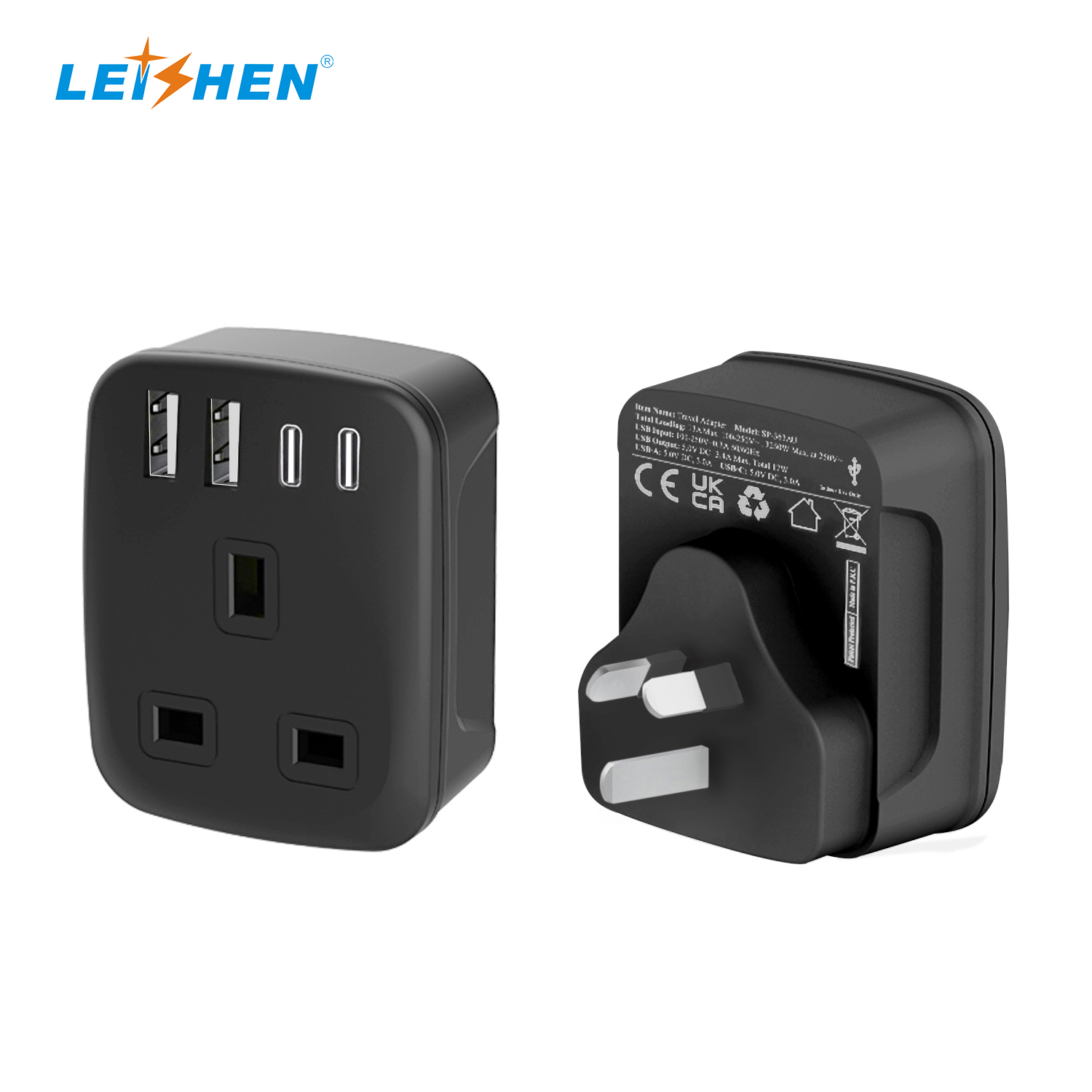
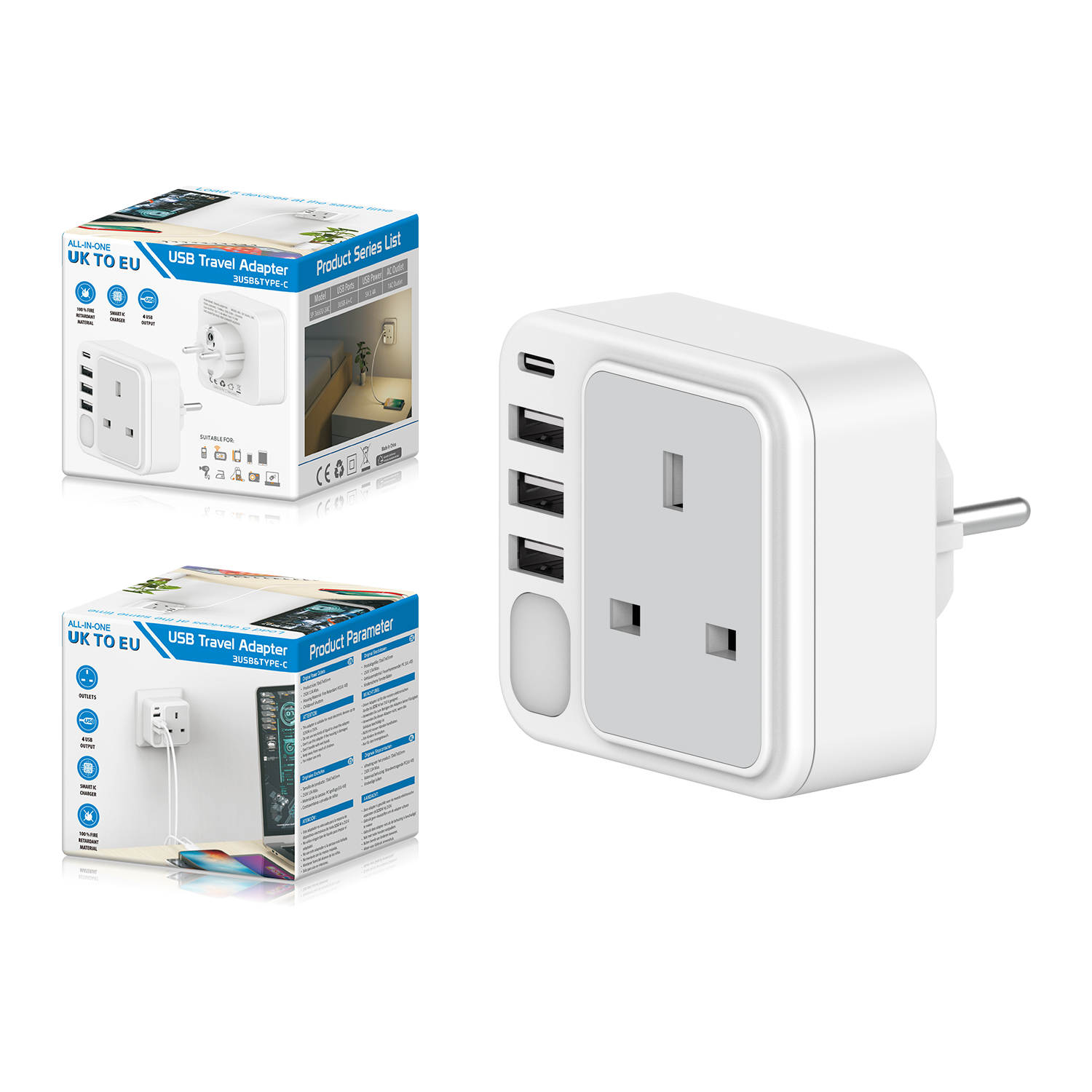
Home to the European Commission, European Parliament, and NATO Headquarters, the Brussels-Capital Region hosts thousands of international dignitaries, diplomats, and multinational delegations monthly. Sourcing all-in-one GaN travel adapters with universal sliding pins (US/UK/AU/EU) and high-density 65W–100W multi-USB-C outputs allows institutions and luxury business venues to furnish international meetings without device compatibility friction.
Multimodal Maritime Hubs (Port of Antwerp-Bruges)
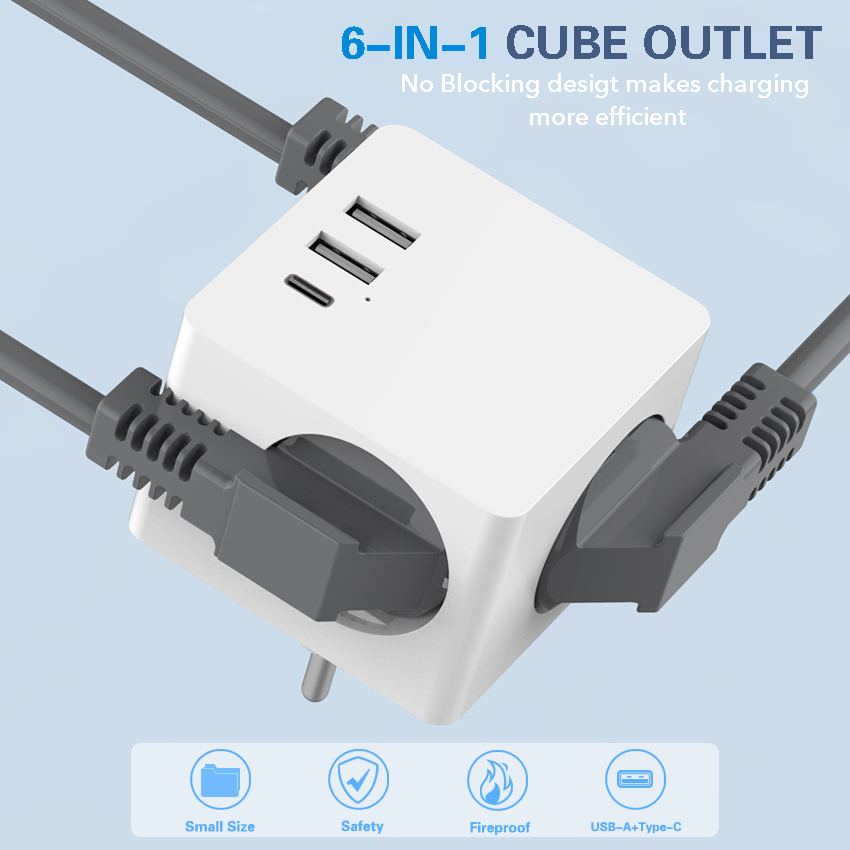
As Europe's second-largest container port, the merged Port of Antwerp-Bruges represents a massive commercial gateway. Logistics offices, maritime operations centers, and cross-docking facilities demand ruggedized, overload-protected desktop grommets and fire-retardant power hubs capable of enduring continuous 24/7 terminal shifts while reliably powering inspection tablets, barcode terminals, and field dispatch laptops.
Heritage Hospitality & MICE (Ghent & Bruges)
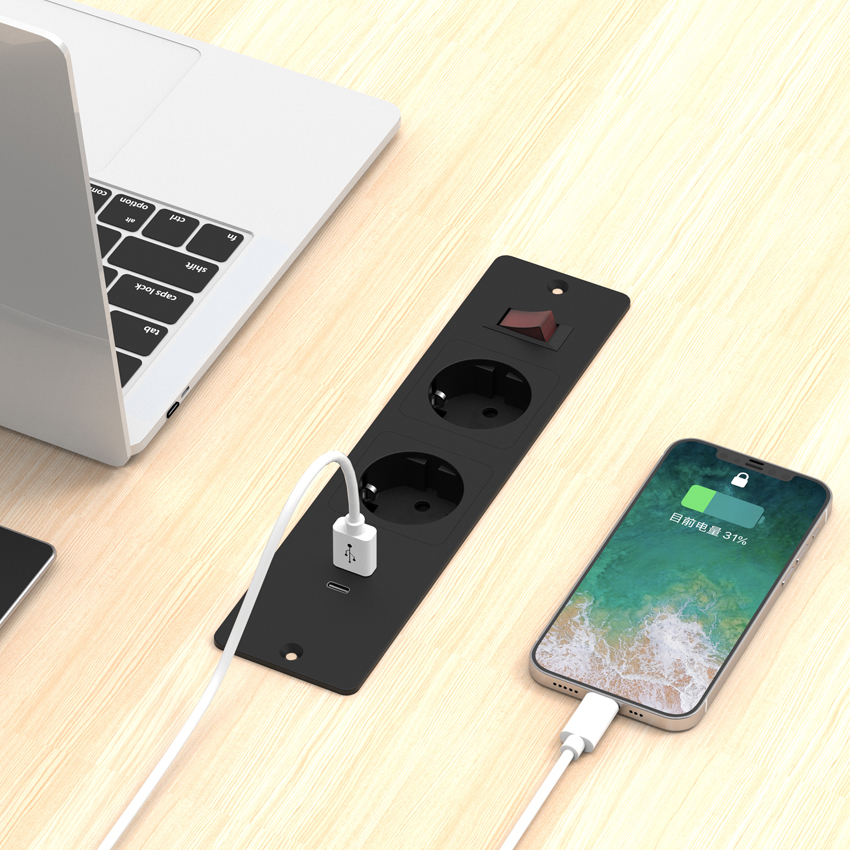
Historic boutique hotels and conference venues in UNESCO heritage destinations like Bruges, Ghent, and Antwerp frequently face structural constraints against wall re-wiring. Installing high-output flush-mounted Type E USB sockets or providing branded in-room travel charger amenities delivers modern fast-charging without compromising historic architectural integrity or tripping municipal heritage preservation standards.
Tech Incubators & Co-working (Diegem & Louvain)
The corporate technology corridors in Diegem, Zaventem, and the university research parks of Louvain-la-Neuve require modern flexible workstations. Integrating aluminum desk track sockets, flush-mounted furniture power grommets, and smart PD fast chargers satisfies agile teams utilizing high-draw ultrabooks, smartphones, and noise-cancelling peripherals concurrently.
Emerging Trends Driving Belgian USB Procurement (2025–2030)
Crucial shifts in semiconductor technology, Belgian waste management legislation, and corporate environmental responsibility influencing purchasing specifications.
Gallium Nitride (GaN III) Domination
Belgian enterprise purchasers are systematically abandoning legacy silicon MOSFET adapters due to heat generation and bulky form factors. Third-generation Gallium Nitride (GaN) architectures allow our 65W and 100W universal travel chargers to compress physical volume by up to 48%, running significantly cooler and achieving energy conversion efficiencies exceeding 93%. This ensures compliance with corporate green mandates and reduced carbon transport footprints.
Mandatory USB-PD Interoperability
Belgian consumers and corporate buyers demand true non-proprietary charging protocols. In alignment with Belgian federal consumer protection authorities, travel chargers must natively negotiate standard USB Power Delivery 3.0/3.1 (PD) and Programmable Power Supply (PPS) profiles. This universal compatibility safeguards devices ranging from Apple iPhones and Samsung Galaxy handsets to Dell XPS and Lenovo ThinkPad ultrabooks from over-voltage degradation.
Recupel & Eco-design Compliance
Under Belgian environmental policy, electrical hardware importers are legally bound to Recupel WEEE declarations. Sustainable B2B procurement trends prioritize manufacturers utilizing Post-Consumer Recycled (PCR) polycarbonate casings, halogen-free PCB assemblies, and plastic-free unbleached Kraft retail packaging, thereby lowering the environmental tariff burden and ensuring seamless customs clearance at the Port of Zeebrugge or Brussels Airport.
| Evaluation Parameter | Standard Retail Importers | Haxli OEM/ODM Belgian Export Standard | Belgian Regulatory Mandate |
|---|---|---|---|
| AC Plug Architecture | Single CEE 7/4 (Type F only) | Dual-Purpose CEE 7/7 (Type E/F Hybrid) | NBN C 61-112-1 / NF C 61-314 Compatible |
| USB Power Efficiency | Traditional Silicon (82–85%) | GaN III Semiconductor Stage (> 92.5%) | EU ErP Tier 2 Eco-design Directive |
| Shell Fire Retardancy | Generic ABS (650°C Glow Wire) | UL94-V0 Bayer PC (850°C Glow Wire Verified) | EN 60695-2-11 Flame Retardant Standards |
| Safety Mechanism | Exposed Pin Receptacles | Built-in Child Protection Safety Shutters | Belgian General Safety Decree Requirements |
| Factory Testing Protocol | Batch Sample Check (AQL 2.5) | 100% Automated Electrical & High-Pot Aging | ISO 9001:2015 & SGS On-site Verified Facility |
Frequently Asked Questions by Belgian Wholesalers & Buyers
Direct technical answers addressing CEBEC certifications, import tariffs, customized tooling, and supply chain verification for the Belgian market.
What earthing system must travel adapters support to be legally marketed in Belgium?
In Belgium, household and office wall outlets adhere to the French/Belgian Type E (CEE 7/5) standard with an integrated protruding earth pin. To market electrical products legally and safely, your travel adapters and extension plugs must feature a CEE 7/7 hybrid plug system, which includes a top aperture for the Belgian earth pin and side clips for German Type F systems. Our products feature genuine CEE 7/7 certified male plugs and safety shutters compliant with Belgian electrical legislation.
Does Haxli furnish third-party test reports valid for Belgian customs clearance?
Yes. Every production batch exported to Belgium is backed by genuine, accredited third-party test documentation, including CE-LVD (EN 62368-1 for audio/video & ICT equipment), CE-EMC (EN 55032/EN 55035), and comprehensive RoHS (Directive 2011/65/EU and amendment 2015/863/EU) chemical compliance reports. Certificate copies and full laboratory test files are provided for customs validation at the Port of Antwerp or Brussels International Airport prior to vessel departure.
What is the typical Minimum Order Quantity (MOQ) for custom private-label orders?
For ready-to-ship (RTS) inventory and unbranded catalogue models, our trial MOQ begins as low as 100 to 200 units to facilitate market testing. For customized OEM private labelling—including laser-etched Belgian corporate logos, customized Pantone housing colors, bespoke multilingual retail packaging (Dutch, French, and English), and barcode application—the typical MOQ is 500 to 1,000 units per model, supported by full sample confirmation.
How does Haxli comply with the EU Common Charger Directive for USB Type-C?
In strict compliance with Directive (EU) 2022/2380, all of our travel adapters and wall sockets are engineered around high-speed USB Type-C power stages supporting USB-PD standards. Our multi-port chargers employ intelligent internal dynamic load negotiation chips, ensuring that power delivery conforms precisely to device charging curves without proprietary lock-ins, making them 100% compliant for retail sale across Belgium and the EU.
What are the lead times and shipping options for consignments to Antwerp or Brussels?
Standard mass production lead times range between 20 to 30 calendar days following pre-production sample approval and deposit receipt. We offer comprehensive logistics flexibility: sea freight via direct Guangzhou/Shenzhen to Port of Antwerp routes (approx. 28–32 days transit), air cargo to Brussels Zaventem Airport (BRU) for urgent replenishment (4–7 days), or door-to-door DDP arrangements handling Belgian import VAT and customs duties directly.
Can you accommodate custom tooling for proprietary hotel or furniture power modules?
Yes. Guangzhou Haxli maintains a dedicated in-house R&D department with full 3D CAD/CAM design and stereolithography (SLA) prototyping capabilities. We regularly partner with European furniture fabricators and commercial hospitality groups to develop custom recessed grommets, brushed aluminum power tracks, and flush-mounted electrical modules. Prototyping typically requires 7 working days, followed by production tooling in 25–35 days.
Guangzhou Haxli Electric: Verified Factory Infrastructure
A 14-year direct manufacturing facility verified onsite by SGS, providing tier-one B2B buyers with uncompromising quality control and proven export scalability.
Unlike trading intermediaries or sourcing brokers, Guangzhou Haxli Electric Technology Co., Ltd. controls the entire product manufacturing journey from raw PC resin granulation and brass stamping to high-speed surface-mount technology (SMT) and final ultrasonic shell welding. Located in the prominent electrical component manufacturing base of Xintang Town, Guangzhou, China, our manufacturing facilities have earned independent audit validation from SGS and established supply relationships with global Fortune 500 procurement teams.
To ensure that every travel charger and power outlet exported to European markets withstands years of rigorous service, our in-house Quality Assurance Laboratory executes exhaustive testing protocols aligned with international safety benchmarks:
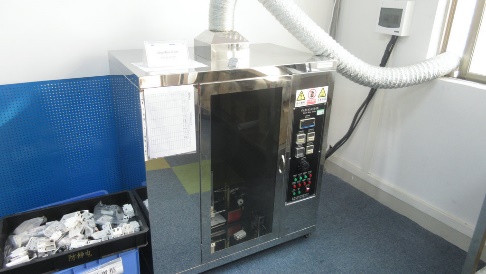
Glow Wire Test (IEC 60695)
Thermal resistance screening up to 850°C prevents housing combustion during extreme contact overload.
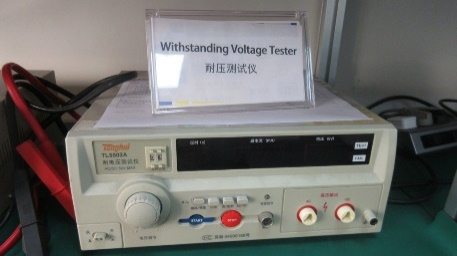
High-Pot Dielectric Test
Applies 3,750V AC insulation barriers to guarantee complete user protection against electrical leakage.
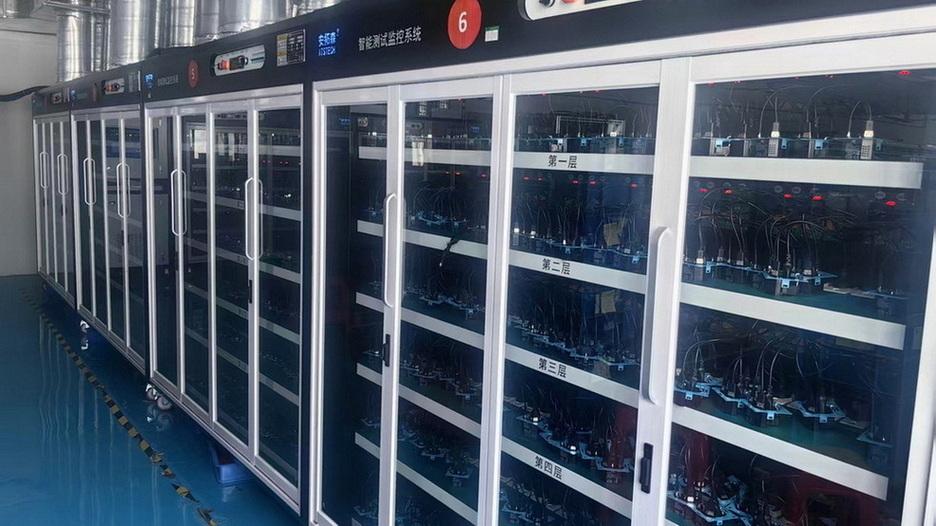
Full-Load Burn-In Aging
100% of PCBA charger modules undergo 4-hour dynamic powered burn-in to eliminate early infant mortality.
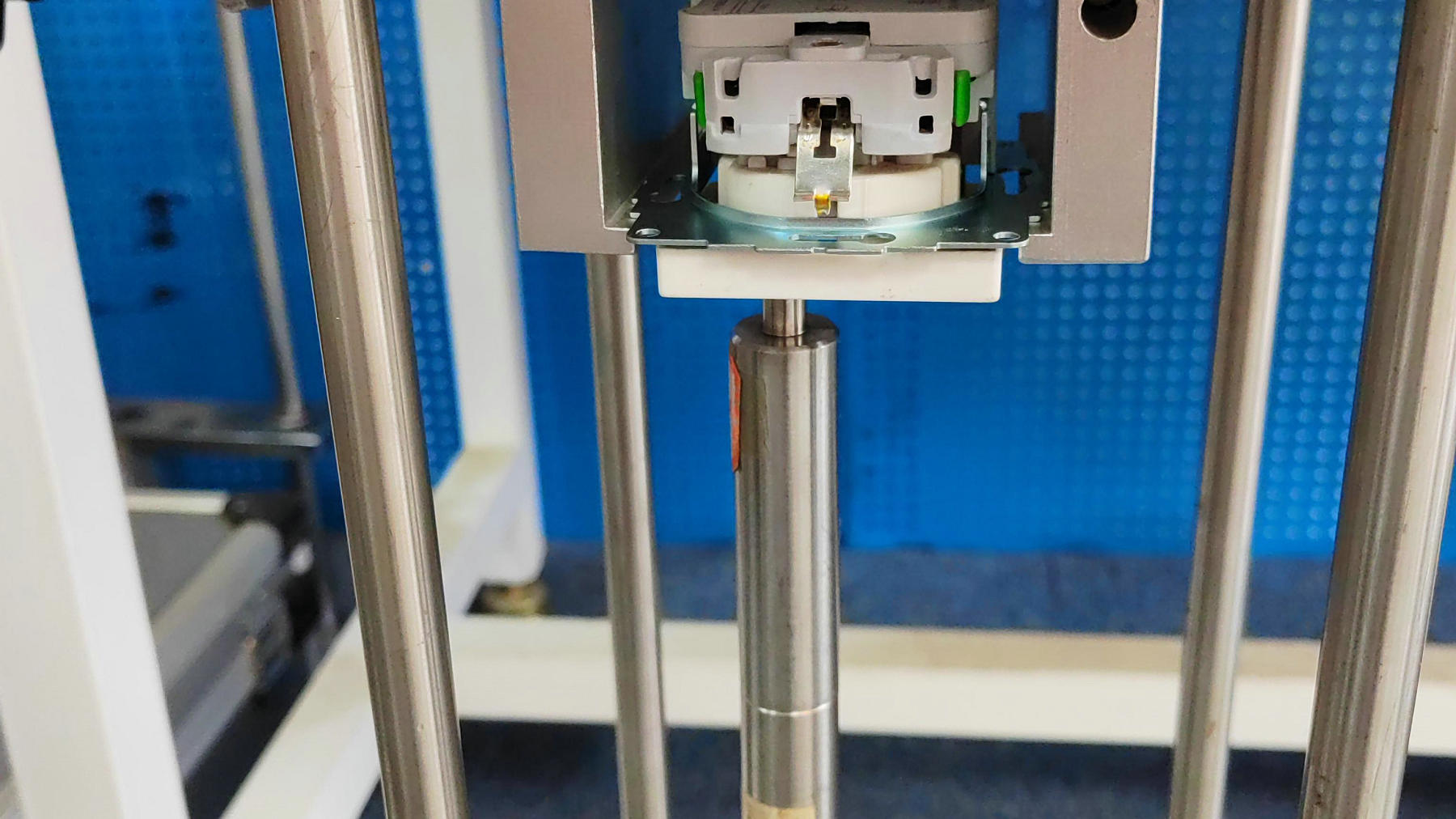
Plug Retention Test
Ensures insertion and withdrawal forces conform to IEC 60884-1 standards across 10,000+ mechanical cycles.